Fabric & Upholstery
Upholstery Fabric Types: Complete Guide | Goodrich Global
Understanding upholstery fabric types is essential when selecting material for sofas, armchairs, dining chairs, headboards, and other furnished pieces. The fabric you choose affects not only the look and feel of your furniture but also its durability, maintenance requirements, and suitability for Singapore’s tropical climate. This guide covers the major upholstery fabric categories, their properties, and how to match them to your needs.
Natural Fibre Upholstery Fabrics
Natural fibres have been used in upholstery for centuries. They offer distinctive textures and aesthetic qualities that synthetic alternatives can approximate but rarely match in feel.
Cotton
Cotton is one of the most widely used upholstery fabrics worldwide. It is breathable, comfortable against skin, takes dye well (producing rich, vibrant colours), and is available in virtually every weave and weight. Cotton upholstery ranges from lightweight prints to heavy-duty canvas and duck cloth.
The limitations of cotton in Singapore include susceptibility to staining, fading under direct sunlight, and potential for mildew in persistently humid conditions. Cotton wrinkles more than most synthetic fabrics and shows wear patterns (pilling, flattening) over time. For Singapore homes, cotton works best on occasional chairs and low-traffic pieces rather than primary living room sofas.
Linen
Linen upholstery has a distinctive relaxed, textured appearance that suits casual and contemporary interiors. It is stronger than cotton, naturally anti-static, and develops a soft patina with age. The natural slub and slight irregularity of linen give it an organic quality that many designers prize.
However, linen wrinkles easily and is prone to staining. It is not the most practical choice for households with young children or pets. Linen-blend fabrics — combining linen with polyester or nylon — offer improved crease resistance and durability while retaining much of linen’s visual character.
Wool
Wool upholstery is naturally resilient, flame-retardant, and resistant to pilling. It maintains its shape well and has inherent stain resistance due to the lanolin content in the fibres. Wool felt and woven wool fabrics offer a warm, sophisticated texture that suits both traditional and modern interiors.
In Singapore, wool upholstery is less common due to the warm climate — wool retains heat more than other fibres. It is best suited to air-conditioned environments such as home offices, study rooms, and commercial spaces where climate control is consistent.
Synthetic and Blended Upholstery Fabrics
Polyester
Polyester is the workhorse of the upholstery industry. It resists fading, wrinkling, and abrasion, making it exceptionally durable for everyday use. Modern polyester fabrics can replicate the look and feel of natural materials — velvet, linen, suede, and chenille — at a fraction of the cost and with superior performance.
Most affordable sofas and armchairs sold in Singapore use polyester or polyester-blend upholstery. The fabric is easy to clean, colourfast, and resistant to moisture — significant advantages in a tropical climate.
Nylon
Nylon is one of the strongest upholstery fibres available. It resists abrasion, stretching, and tearing, making it ideal for high-traffic furniture. Nylon is often blended with other fibres to improve their durability without significantly altering their appearance. Its main drawback is a tendency to pill if the weave is loose.
Acrylic
Acrylic mimics the softness and warmth of wool while being more resistant to moisture, mildew, and sunlight. It is frequently used in outdoor and sun-exposed furniture applications. For Singapore homes with furniture near windows or in covered outdoor areas, acrylic-based fabrics offer excellent fade resistance.
Olefin (Polypropylene)
Olefin is inherently stain-resistant, moisture-wicking, and colourfast. It is widely used in casual and outdoor upholstery, as well as in commercial applications. The fibre resists mildew and is easy to clean, making it practical for Singapore’s humidity. However, olefin has a lower melt point than other synthetics and can crush under sustained pressure.
Specialty Upholstery Fabrics
Velvet
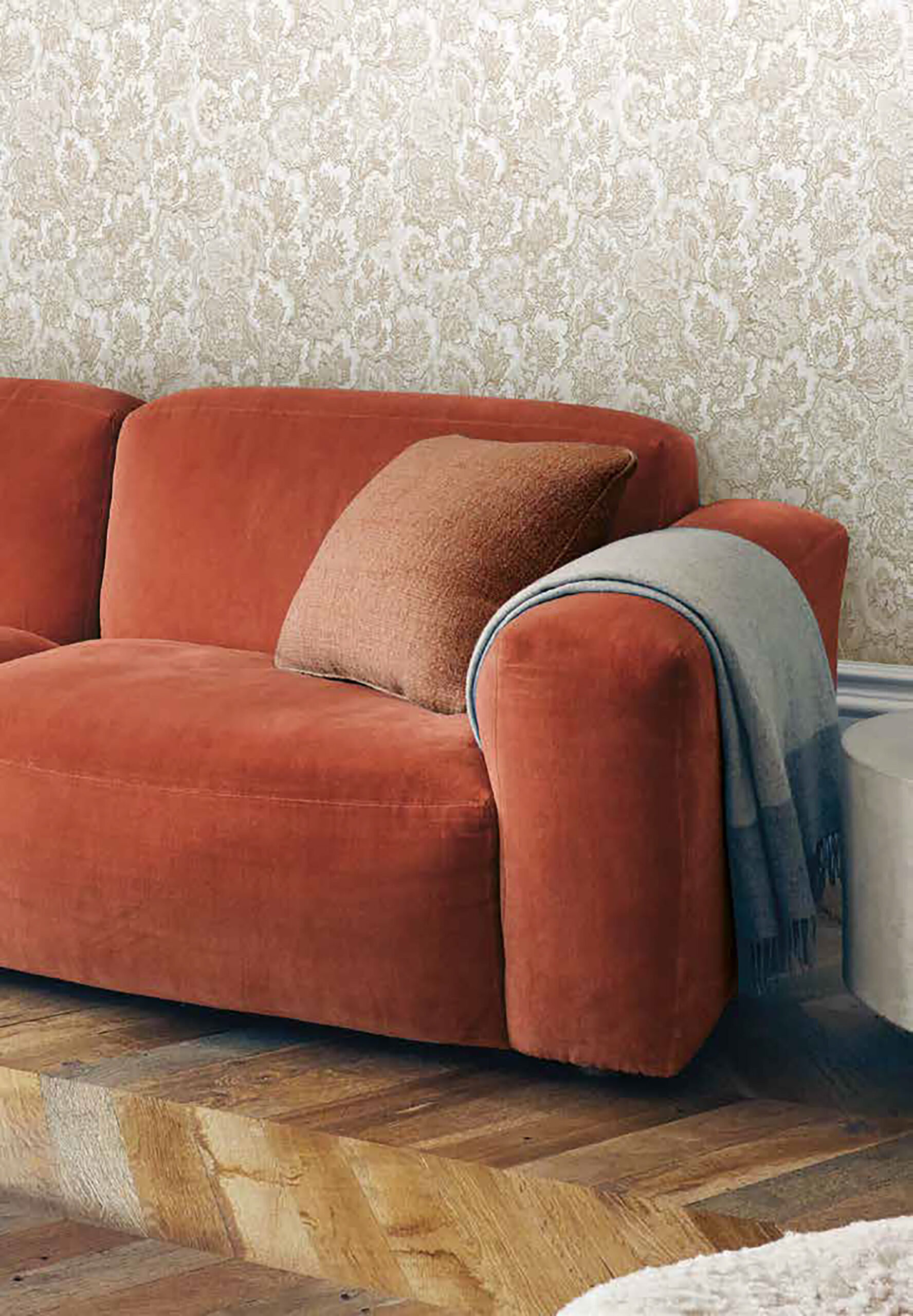
Velvet is experiencing a significant revival in Singapore interior design. Modern velvets — mostly polyester-based — are far more durable and practical than the delicate silk velvets of the past. They resist staining, clean easily, and maintain their pile with minimal maintenance. Velvet adds richness and light-play to sofas, armchairs, and headboards, changing tone as the viewing angle shifts.
Bouclé
Bouclé fabric, with its looped, textured surface, has become one of the most popular upholstery choices globally. Its nubby, tactile quality adds visual and physical warmth to furniture pieces. Bouclé works particularly well on curved sofas, accent chairs, and ottomans. Modern bouclé fabrics are typically blended with synthetic fibres for improved durability.
Chenille
Chenille is a soft, plush fabric with a velvety pile created by cut yarns. It offers exceptional comfort and a luxurious hand feel. Chenille is popular for living room sofas in Singapore homes, particularly in neutral tones. Its main vulnerability is snagging — loose loops can pull if caught, so chenille works best on furniture away from sharp edges and pet claws.
Leather and Faux Leather
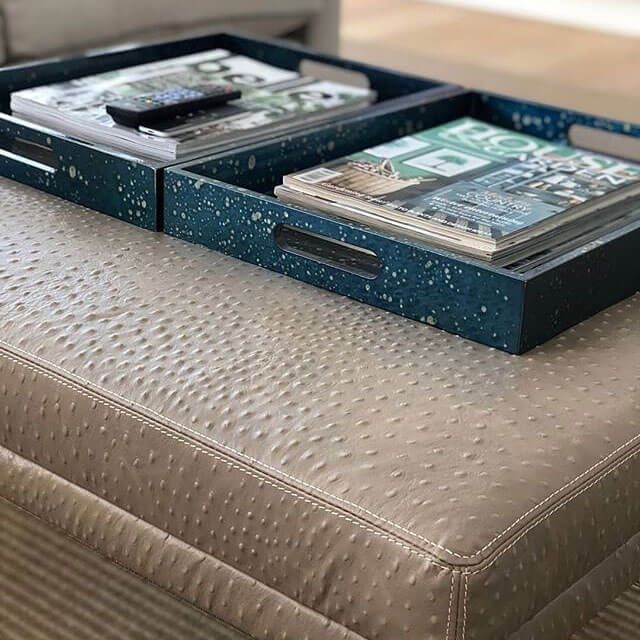
Genuine leather remains a premium upholstery choice for its durability, ageing character, and timeless appeal. Full-grain and top-grain leathers develop a patina over time that many owners value. In Singapore, leather sofas benefit from air-conditioned living rooms, as the material can feel warm and sticky in non-cooled spaces.
Faux leather (PU leather) offers a similar look at a lower price point and without animal products. Quality PU leathers have improved significantly and can be difficult to distinguish from genuine leather visually. However, PU leather can peel and crack over time, particularly in humid conditions, and generally has a shorter lifespan than genuine leather.
Choosing Upholstery Fabric for Singapore Homes
Several factors should guide your upholstery fabric selection, particularly for Singapore’s climate and lifestyle.
| Factor | Best Fabric Types |
|---|---|
| High humidity resistance | Polyester, olefin, acrylic, performance fabrics |
| Stain resistance (kids/pets) | Performance fabrics, olefin, polyester, leather |
| Fade resistance (near windows) | Acrylic, solution-dyed polyester, olefin |
| Luxury feel | Velvet, bouclé, linen, genuine leather |
| Easy cleaning | Polyester, performance fabrics, leather, vinyl |
| Sustainability | Recycled polyester, organic cotton, linen |
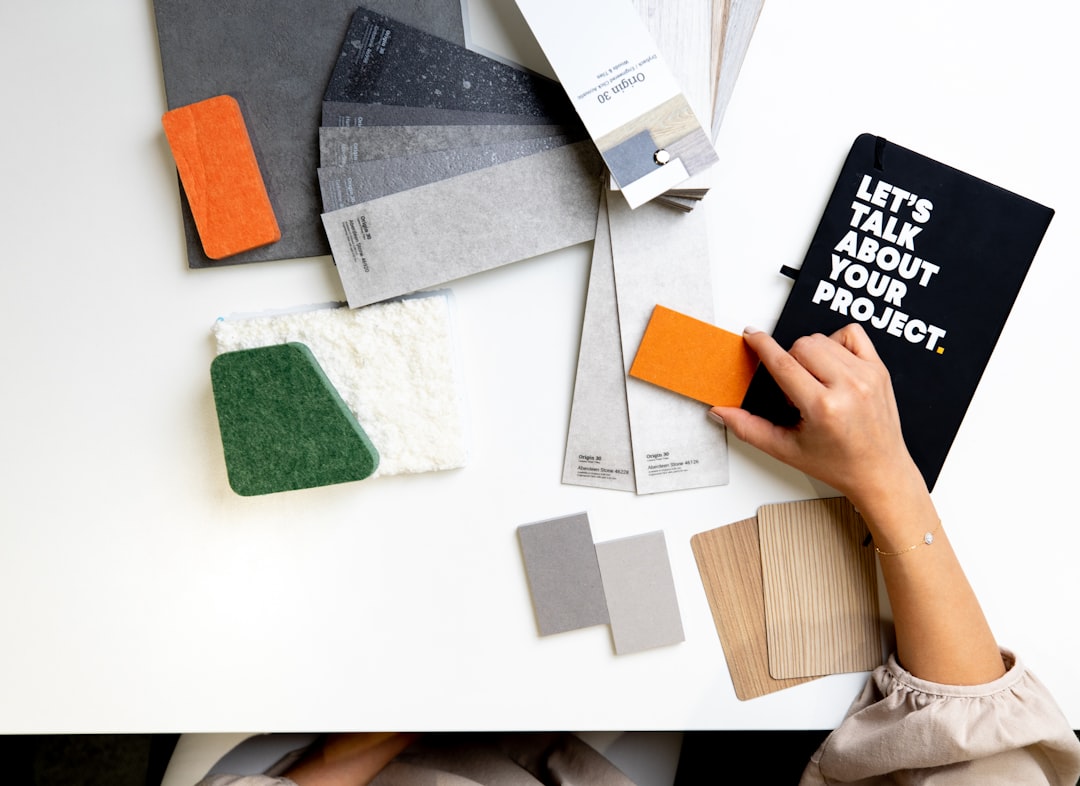
For primary living room sofas that see daily use, prioritise durability and ease of cleaning over delicate aesthetics. Reserve more luxurious but sensitive fabrics for occasional chairs, headboards, and low-traffic pieces. Explore Goodrich Global’s upholstery fabric collection to compare textures, weights, and performance ratings across a wide range of options.
Understanding Fabric Performance Ratings
When comparing upholstery fabrics, two key performance metrics help you assess durability objectively.
Martindale abrasion test: This measures how many rub cycles a fabric withstands before showing visible wear. For residential upholstery, a minimum of 15,000 cycles is recommended. Heavy-use residential pieces should target 25,000+ cycles. Commercial applications require 30,000 cycles or higher.
Pilling resistance: Rated on a 1-5 scale (5 being best), this indicates how prone the fabric is to forming small fibre balls on the surface. Look for fabrics rated 4 or above for primary seating.
Reputable fabric suppliers provide these ratings in their technical specifications. Always request performance data before making a final selection, particularly for sofas and heavily used chairs.
Final Thoughts
Selecting the right upholstery fabric type requires balancing aesthetics, performance, and practicality. For Singapore homes, durability, moisture resistance, and ease of cleaning should weigh heavily alongside visual and tactile preferences. Natural fibres offer unmatched character, while synthetic and performance fabrics deliver the resilience needed for daily tropical living. The best approach is often a mix — durable performance fabric on your main sofa, with more expressive textures reserved for accent pieces.
Request free fabric samples from our Singapore showroom to compare textures, colours, and weights before committing to your upholstery selection.