Fabric & Upholstery
Linen Curtain Fabric: Natural Elegance for Singapore
Linen curtain fabric brings a quality of natural elegance to interior spaces that synthetic materials struggle to replicate. Its characteristic texture, soft drape, and ability to filter light with a warm, diffused glow make it one of the most sought-after drapery materials among interior designers and homeowners who value authenticity and understated sophistication.
In Singapore, where natural light is abundant and interiors benefit from organic warmth, linen curtains create living spaces that feel calm, airy, and connected to the natural world.
Why Linen Stands Out as a Curtain Fabric
Linen is woven from flax fibres, one of the oldest textile materials in human history. Its appeal for curtains lies in several inherent properties that distinguish it from polyester, cotton, and blended alternatives.
The texture of linen is its most recognisable quality. Natural slubs, subtle irregularities, and a slightly crisp hand give linen curtains an organic character that reads as effortlessly refined. Unlike the uniform perfection of synthetic fabrics, linen’s imperfections are its beauty, creating surfaces that feel handcrafted and honest.
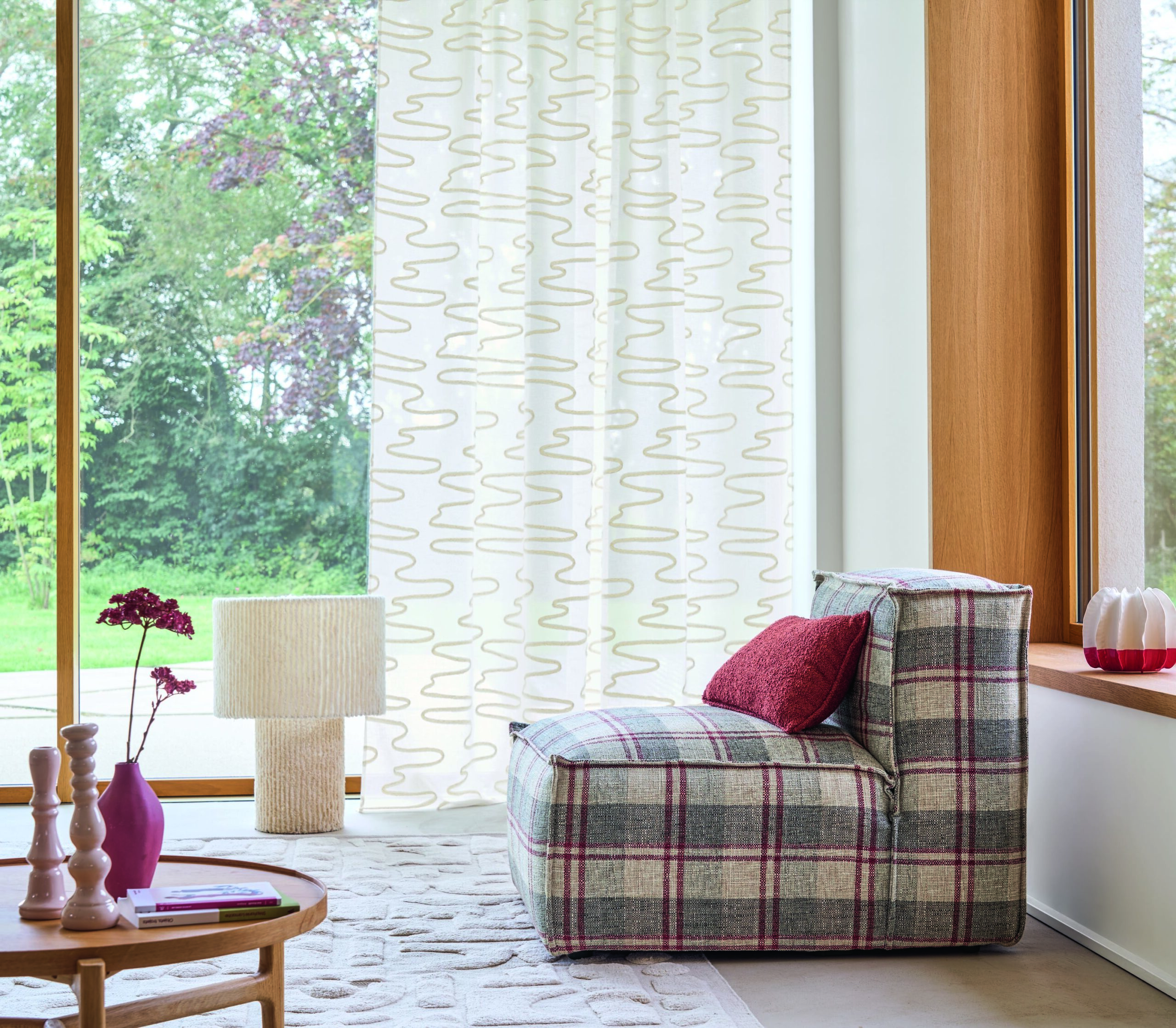
Linen filters light beautifully. Rather than blocking light entirely or allowing it to pass unimpeded, linen softens and diffuses sunlight, creating a luminous glow that fills the room with warmth without glare or harsh shadows. This quality is particularly valuable in Singapore homes where managing intense tropical sunlight is a daily consideration.
Durability is another strength. Linen fibres are among the strongest natural fibres, and the fabric actually becomes softer and more supple with each wash cycle without losing structural integrity. Quality linen curtains can last decades with proper care.
Types of Linen Curtain Fabric
The term “linen curtain fabric” encompasses a range of products that vary in composition, weight, and suitability for different applications.
Pure Linen
100% linen curtain fabric offers the most authentic texture and light-filtering quality. It creases naturally, which is part of its relaxed aesthetic. Pure linen is best suited to casual, contemporary, and Scandinavian-inspired interiors where a slightly imperfect, lived-in look is intentional and desirable.
Linen-Cotton Blends
Blending linen with cotton produces a fabric that retains much of linen’s textural character while gaining some of cotton’s softness and draping quality. These blends typically crease less than pure linen and are available at a lower price point, making them accessible for larger curtain installations.
Linen-Polyester Blends
Adding polyester to linen reduces creasing, improves dimensional stability, and enhances resistance to fading and moisture. These blends are the most practical choice for Singapore’s humid climate. They maintain the visual appearance of linen while performing more predictably through seasonal humidity changes and regular cleaning.
Linen-Look Synthetics
High-quality polyester fabrics engineered to replicate the look and texture of linen offer maximum practicality. They do not crease, resist fading, handle humidity without concern, and are typically more affordable than genuine linen. For budget-conscious projects or high-traffic areas, linen-look synthetics deliver the aesthetic without the maintenance considerations.
Choosing Linen Curtains for Singapore Homes
Selecting linen curtain fabric for a Singapore interior involves balancing the material’s natural beauty with the practical demands of our tropical environment.
Living rooms: Floor-length linen curtains in neutral tones, oatmeal, ivory, soft grey, or natural flax, create an elegant, relaxed atmosphere. In HDB flats and condos, the light-filtering quality of linen is ideal for balcony-facing windows, softening direct sunlight while maintaining brightness and an outdoor visual connection.
Bedrooms: For bedrooms requiring darkness, linen curtains can be paired with a separate blackout lining or used alongside roller blinds. The linen acts as the decorative layer while the blind provides light control. This layered approach is popular in Singapore condos and landed bedrooms.
Dining areas: Linen curtains add warmth and texture to dining spaces without visual weight. Lighter weaves that allow dappled light create a pleasant ambiance for both daytime meals and evening entertaining.
Studies and home offices: The glare-reducing properties of linen make it a practical choice for rooms with computer screens. The fabric softens harsh daylight without creating the cave-like darkness that heavy blackout curtains produce.
Browse the curtain and drapery fabric collection at Goodrich Global to explore linen and linen-blend options suitable for Singapore residences.
Practical Considerations and Maintenance
Linen’s natural properties require a few specific considerations to ensure long-term satisfaction.
Shrinkage: Pure linen can shrink by up to 5% when washed. This must be accounted for during fabrication by either pre-washing the fabric or adding sufficient allowance to the cut length. Linen-polyester blends shrink significantly less and offer more predictable behaviour.
Creasing: Linen creases naturally. For some, this is part of the charm; for others, it is a drawback. If a crisp, smooth appearance is important, choose a linen-polyester blend or a linen-look synthetic. Pure linen curtains can be lightly steamed to reduce creases, but they will never maintain the pressed perfection of synthetic fabrics.
Humidity response: Linen absorbs and releases moisture from the air. In Singapore’s humid climate, pure linen curtains may feel slightly different in texture between the air-conditioned interior and the ambient outdoor humidity when windows are open. Blended fabrics moderate this response.
Cleaning: Most linen curtain fabrics should be dry cleaned to prevent shrinkage and maintain their finish. Some pre-washed and blended products are machine washable on gentle cycles. Always check the care instructions specific to your chosen fabric.
Sun exposure: While linen is relatively resistant to UV degradation compared to silk and some cotton fabrics, prolonged direct sun exposure will eventually cause fading and fibre weakening. In west-facing rooms that receive intense afternoon sun, consider lining the linen curtains or using UV-protective glass treatments.
Styling Linen Curtains for Maximum Impact
The way linen curtains are hung and styled significantly affects their visual impact.
Generous fabric allowance creates the characteristic soft, flowing folds that make linen curtains appealing. A fullness ratio of 2:1 (twice the fabric width relative to the track or pole width) is recommended for a luxuriously gathered effect. Skimping on fabric produces flat, lifeless curtains that fail to showcase linen’s beautiful draping quality.
Ceiling-mounted curtain tracks or poles hung close to the ceiling maximise the sense of height in rooms with standard 2.6-metre HDB ceiling heights. Allowing the curtains to just touch or slightly pool on the floor creates an elegant, grounded look.
Simple hardware complements linen’s understated aesthetic. Slim metal poles in matte black, brushed brass, or satin nickel suit contemporary interiors. Wooden poles in natural finishes pair well with linen’s organic character in Scandinavian and Japanese-inspired spaces.
For expert guidance on fabric selection and curtain styling, book an appointment with our design consultants at the Goodrich Gallery.
Final Thoughts
Linen curtain fabric offers a depth of character, a quality of light filtration, and a timeless elegance that synthetic alternatives approximate but never fully capture. For Singapore homes where natural materials, soft light, and calm atmospheres are valued, linen curtains are an investment that improves with age. Choose the right blend for your practical needs, hang with generous fullness, and enjoy the quiet luxury that linen brings to every room it graces.
Request free samples from our Singapore showroom to compare linen curtain fabrics and find your ideal match.