Fabric & Upholstery
Fabric for Restaurant Seating: Durable and Stylish
Fabric for restaurant seating must perform a demanding double duty: it needs to look inviting and complement your dining concept, while withstanding the daily punishment of food spills, constant use, and rigorous cleaning schedules. For F&B operators in Singapore — where dining out is a national pastime and competition is fierce — the upholstery on your chairs and banquettes is a design element that directly affects customer perception and operational costs.
This guide covers the practical and aesthetic considerations that should inform your fabric selection, from material performance to design strategy.
Why Fabric Choice Matters in Restaurants
The fabric on your seating is one of the most physically interactive elements of your restaurant’s interior. Customers sit on it, lean against it, brush it with their arms, and inevitably spill on it. Children drag food across it. Servers bump it with trays. Cleaning staff scrub it nightly.
A poor fabric choice reveals itself within months: pilling, staining, fading, and wear patterns that make your restaurant look tired and neglected. The right fabric, by contrast, maintains its appearance through years of heavy use, reducing re-upholstery costs and preserving the polished image your brand depends on.
Beyond durability, fabric communicates your restaurant’s identity. A fine-dining establishment requires different upholstery than a casual brunch spot. A heritage kopitiam-inspired eatery has different needs than a sleek Japanese omakase counter. The texture, colour, and pattern of your seating fabric sets expectations before the first course arrives.
Key Performance Requirements
Restaurant seating fabric must meet several non-negotiable performance benchmarks. Specifying anything less leads to premature replacement and wasted investment.
Abrasion Resistance
Abrasion resistance, measured in double rubs (Wyzenbeek method) or Martindale cycles, indicates how well a fabric withstands friction. For restaurant seating, a minimum of 50,000 double rubs is recommended. High-traffic establishments — busy hawker-style restaurants, food courts, and all-day dining venues — should specify fabrics rated at 100,000 double rubs or higher.
Stain Resistance
Restaurant fabrics must resist absorption of food, beverages, and sauces. Look for fabrics with built-in stain-resistant treatments (such as fluorocarbon finishes) or inherently stain-resistant fibres like solution-dyed polyester and olefin. These treatments cause liquids to bead on the surface rather than soaking in, allowing quick clean-up.
Cleanability
The fabric must tolerate the cleaning methods your team will use. Check the manufacturer’s cleaning code:
- W: Water-based cleaning agents — suitable for most restaurant applications.
- S: Solvent-based cleaning only — less practical for daily restaurant use.
- WS: Either water or solvent-based agents — the most versatile option.
- X: Vacuum or brush only — not recommended for restaurant seating.
For Singapore restaurants, W or WS-coded fabrics are strongly preferred, as they allow staff to spot-clean spills quickly during service.
Fire Safety
Upholstery fabrics in Singapore commercial premises must comply with SCDF fire safety requirements. Ensure your chosen fabric meets the applicable fire retardancy standards — most commercial-grade upholstery fabrics carry the necessary certifications, but verification is essential.
Best Fabric Types for Restaurant Seating
| Fabric Type | Durability | Stain Resistance | Best For |
|---|---|---|---|
| Crypton / Performance polyester | Excellent (100,000+ DR) | Excellent | High-traffic, family restaurants |
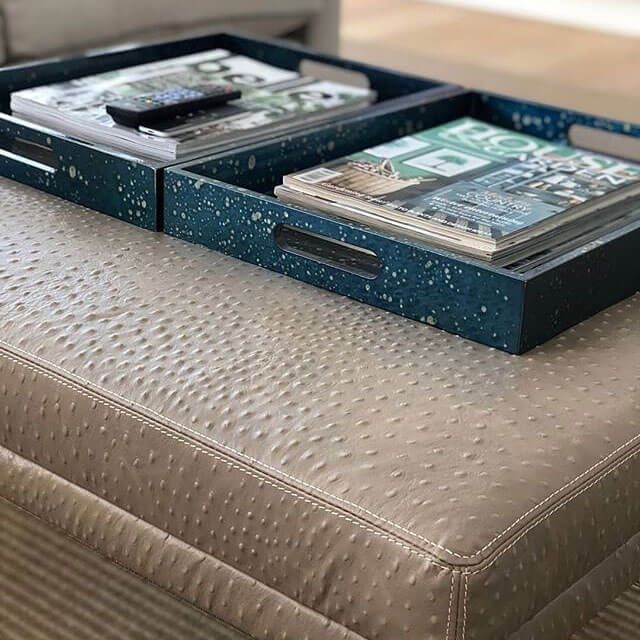
| Vinyl / Faux leather | Excellent | Excellent — wipe clean | Casual dining, fast casual, bars |
| Solution-dyed acrylic | Very good (50,000+ DR) | Very good | Outdoor dining, alfresco areas |
| Wool blend | Good (30,000+ DR) | Moderate | Fine dining, low-turnover seating |
| Cotton blend | Moderate (15,000+ DR) | Low without treatment | Not recommended for restaurants |
For most Singapore restaurants, performance polyester fabrics offer the best balance of durability, cleanability, and design versatility. Vinyl and faux leather are practical for casual concepts and outdoor-adjacent seating where exposure to rain and humidity is a factor.
Design Considerations for Different Restaurant Types
The aesthetic direction of your seating fabric should align with your restaurant’s concept, price point, and target clientele.
Fine Dining
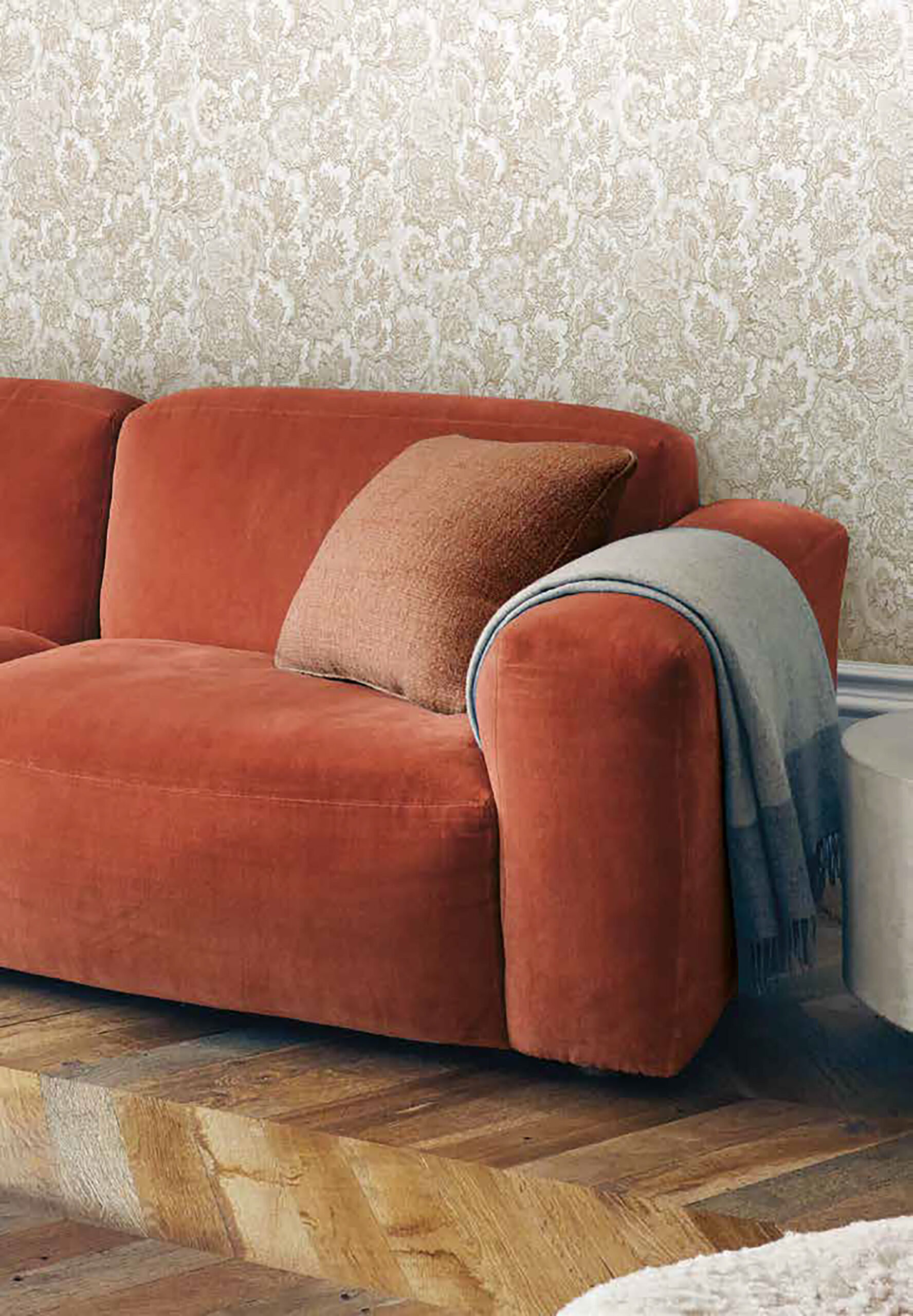
Fine-dining restaurants can justify more luxurious fabrics because seating turnover is lower and customers handle the furniture more carefully. Rich textures — velvet, textured weaves, subtle patterns — create the sense of occasion that fine dining demands. Dark, saturated colours (burgundy, midnight blue, forest green) hide minor wear and convey sophistication.
Casual and Family Dining
Practicality takes priority in casual restaurants. Performance fabrics in mid-toned colours that disguise stains are ideal. Avoid white, cream, or very light colours unless the fabric has exceptional stain resistance. Patterned fabrics are more forgiving than solids — a subtle pattern camouflages minor soiling between deep cleans.
Cafe and Brunch Spots
Singapore’s cafe culture values Instagram-worthy interiors. Fabric in on-trend colours — dusty pink, sage green, warm terracotta — can define the cafe’s aesthetic. However, trendy colours must still be available in durable, cleanable fabrics. The prettiest fabric is useless if it cannot survive daily coffee spills.
Alfresco and Outdoor Dining
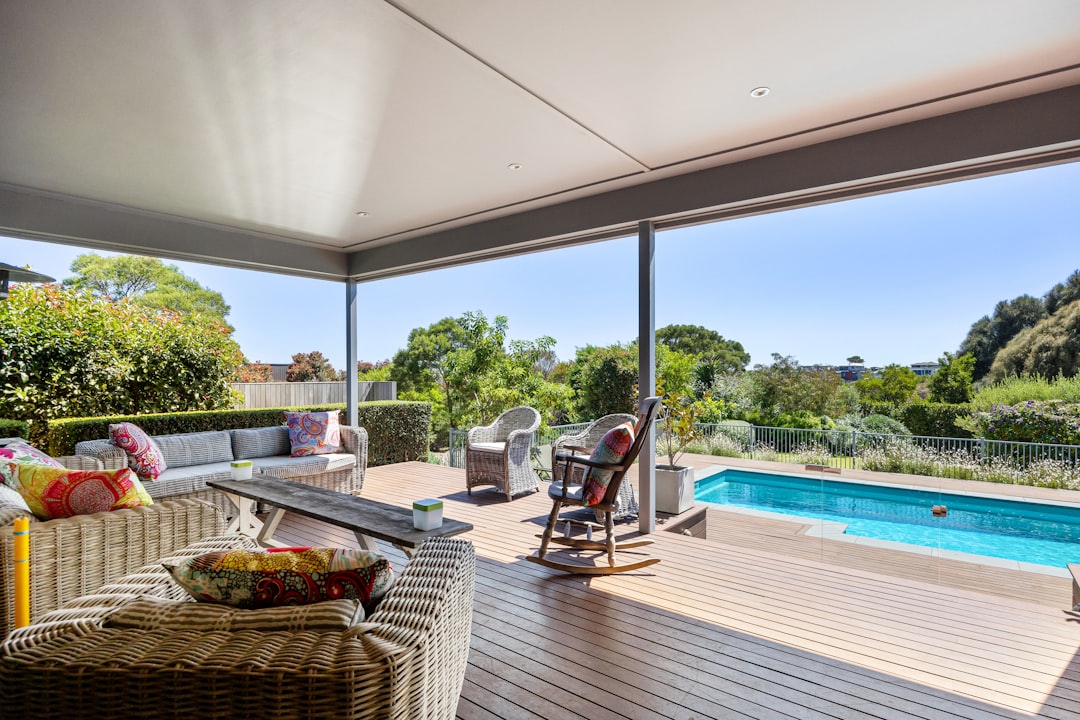
Outdoor dining areas in Singapore must contend with rain, sun, and humidity. Only outdoor-rated fabrics — solution-dyed acrylics or marine-grade vinyl — should be specified. These fabrics resist UV fading, mould growth, and water damage. Indoor fabrics used outdoors will fail rapidly in Singapore’s tropical conditions.
Maintenance Strategies for Longevity
Choosing the right fabric is only half the equation. A consistent maintenance programme is essential for maximising the lifespan of restaurant seating upholstery.
- Daily spot cleaning: Address spills immediately during service. Keep a supply of clean cloths and the appropriate cleaning solution at each service station.
- Nightly wipe-down: After service, wipe all upholstered seating with a damp cloth to remove food residue and body oils.
- Weekly deep clean: Vacuum all fabric seating to remove crumbs and dust from seams and crevices. This prevents particles from grinding into the fabric and accelerating wear.
- Monthly professional assessment: Inspect all seating for early signs of wear, loose seams, or staining that requires professional treatment. Addressing issues early extends the interval between full re-upholstery.
- Annual professional cleaning: Engage a commercial upholstery cleaning service for a thorough deep clean at least once a year, or more frequently for high-volume establishments.
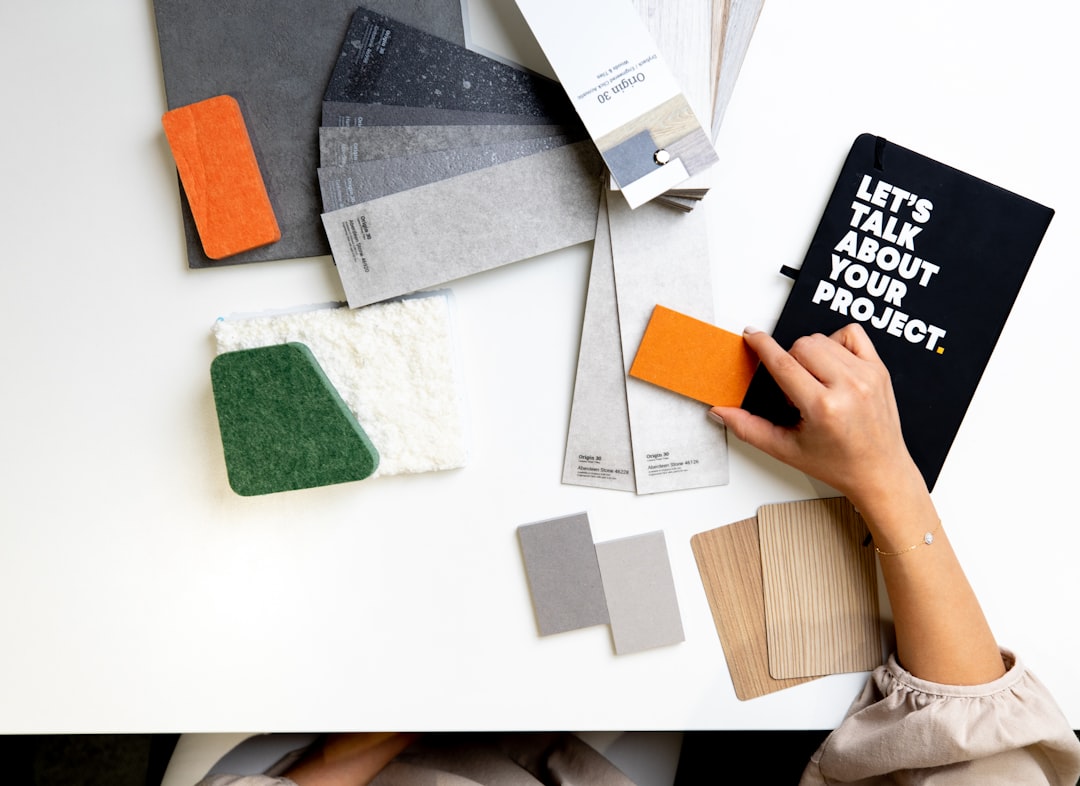
Explore Goodrich Global’s upholstery fabric range for commercial-grade options that combine performance with sophisticated design. For specific project requirements, request fabric samples to evaluate colour, texture, and durability in your restaurant’s actual lighting conditions.
Final Thoughts
Fabric for restaurant seating is a strategic investment that affects both your brand image and your bottom line. By specifying fabrics that meet the performance demands of a busy F&B environment while complementing your design concept, you create dining spaces that look polished, feel comfortable, and stand up to years of daily use.
In Singapore’s competitive dining scene, the details matter — and your seating fabric is a detail worth getting right.
Get a free quote for your project today and discover upholstery solutions designed for hospitality.