Sustainability
Biophilic Office Design: Boosting Productivity
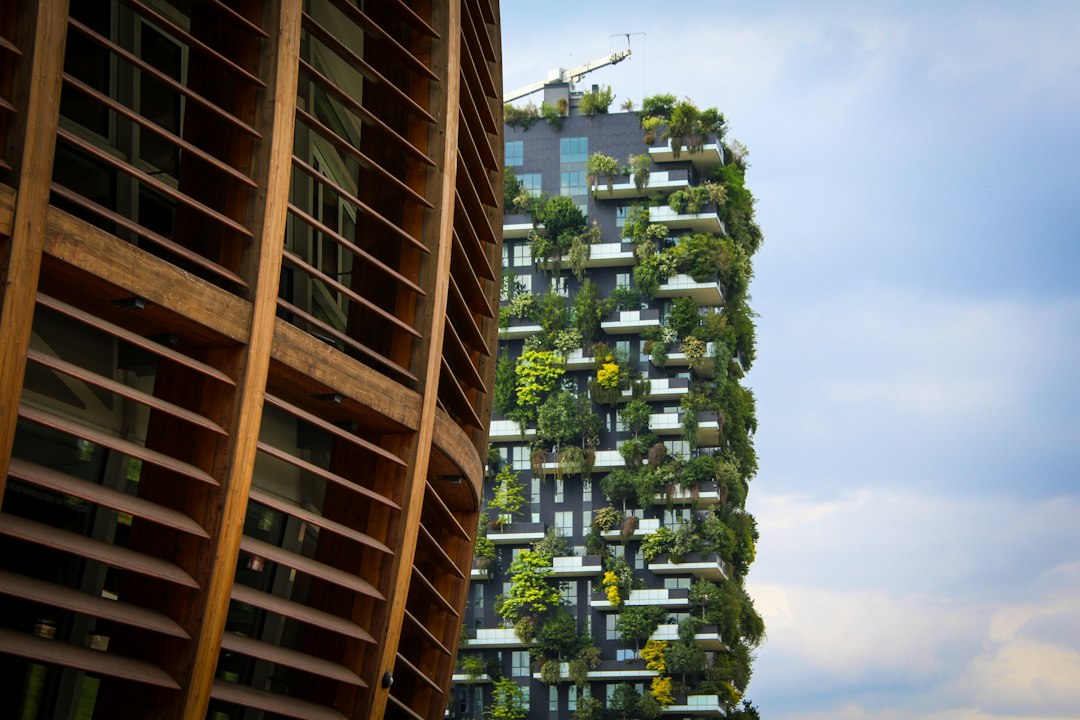
Biophilic office design applies the principle that humans are inherently connected to nature, and that bringing natural elements into the workplace improves wellbeing, focus, and productivity. This is not a fringe concept. It is a design approach backed by substantial research and increasingly adopted by leading organisations in Singapore and globally.
For architects and interior designers specifying commercial interiors, biophilic design offers a framework that delivers measurable benefits while creating visually compelling spaces. The key lies in selecting the right materials and patterns to evoke nature authentically.
The Evidence for Biophilic Design in Offices
The business case for biophilic office design rests on well-documented outcomes. Studies consistently show that workplaces incorporating natural elements report higher employee satisfaction, lower absenteeism, and improved cognitive performance.
Key findings from workplace research include:
- Workers in offices with natural elements report 15 per cent higher wellbeing scores compared to those in conventional environments.
- Access to natural light and nature-inspired materials correlates with reduced stress hormone levels during the working day.
- Biophilic design elements are associated with improved creative thinking and problem-solving capacity.
- Employee retention is measurably higher in offices rated as having good environmental quality, a category strongly influenced by biophilic elements.
In Singapore’s tight labour market, where talent attraction and retention are strategic priorities, these outcomes make biophilic design a sound business investment, not merely an aesthetic preference.
Natural Materials in Office Interiors
The most direct expression of biophilic design is the use of materials derived from or inspired by nature. In an office context, this translates to specific choices in flooring, wallcovering, and fabric.
Flooring
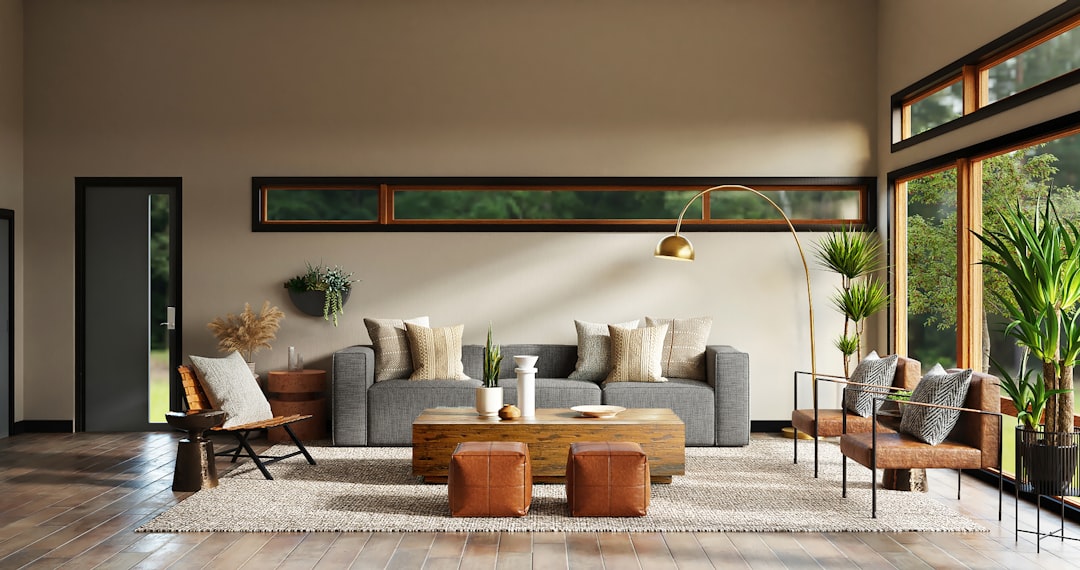
Timber-look luxury vinyl tile brings the warmth and visual rhythm of natural wood into office environments without the maintenance demands of real timber. The grain patterns, knot details, and tonal variations of high-quality LVT mimic the natural irregularity that the eye finds restful and engaging.
Carpet tiles inspired by natural landscapes offer another approach. Designs that reference forest floors, stone textures, or organic patterns create a subtle connection to nature underfoot. These products are available in commercial grades that meet the durability requirements of high-traffic office environments.
Explore the flooring range for timber-look and nature-inspired options suited to office specification.
Wallcovering
Natural-fibre wallcoverings, such as grasscloth, sisal, and jute, introduce genuine organic texture to office walls. These materials carry the visual and tactile qualities of the natural world directly into the workspace. In Singapore’s climate, specify wallcoverings with appropriate backing to manage moisture and ensure long-term adhesion.
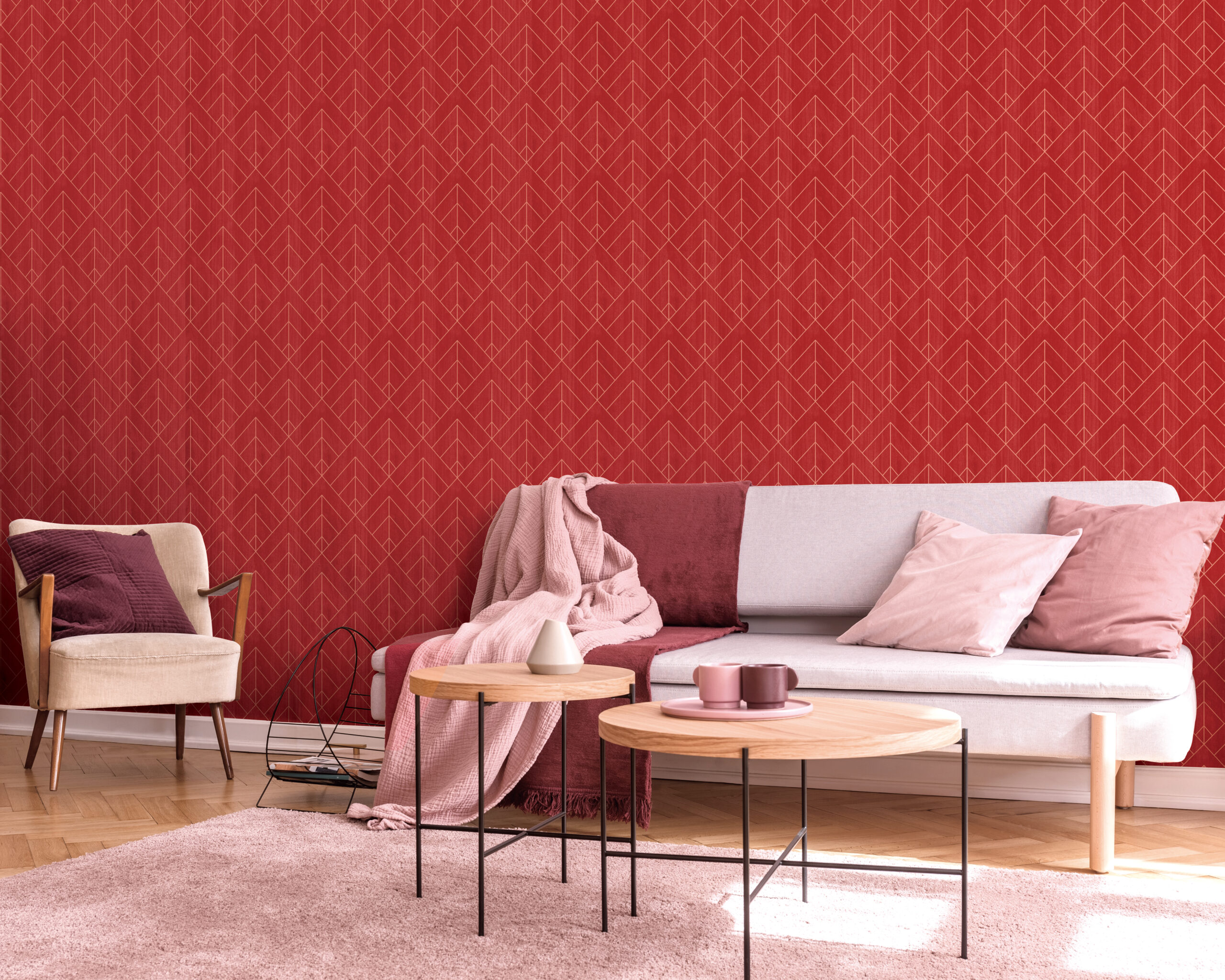
For areas requiring greater durability, vinyl wallcoverings that replicate natural textures, such as woven grass, raw linen, or weathered wood, deliver the biophilic visual without the maintenance considerations of natural fibres.
Fabric
Upholstery and curtain fabrics in natural tones and textures reinforce the biophilic palette. Linen-look performance fabrics, wool-blend upholstery, and cotton-effect sheers bring the softness and irregularity of natural fibres to seating, meeting rooms, and window treatments.
Biophilic Patterns and Spatial Design
Biophilic design extends beyond materials to encompass patterns, spatial configurations, and sensory experiences that echo the natural world.
Natural Patterns
Patterns found in nature, known as biomorphic forms, include the branching of trees, the spiralling of shells, the rippling of water, and the fractal geometry of ferns and leaves. When translated into wallcovering patterns, carpet tile layouts, and fabric prints, these forms create a subconscious connection to the natural environment.
The key is subtlety. Overt leaf prints or photographic nature images can feel forced. Abstract interpretations of natural patterns, such as organic curves in a carpet tile design or a watercolour-effect wallcovering, achieve the biophilic connection more elegantly.
Prospect and Refuge
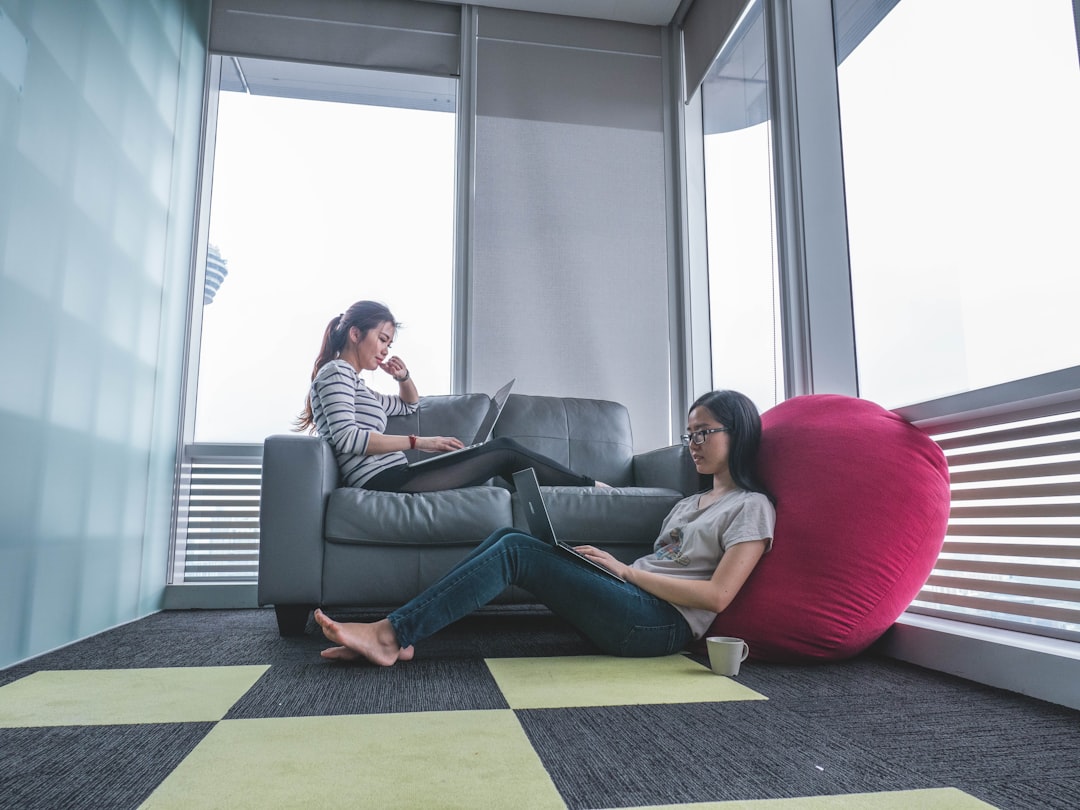
Biophilic spatial design draws on the evolutionary preference for environments that offer both prospect (open views) and refuge (enclosed, protected spaces). In an office, this translates to open-plan areas balanced with cosy nooks, alcoves, and semi-enclosed meeting spaces.
Material choices reinforce this spatial strategy. Hard flooring and smooth walls in open areas signal the prospect zone. Carpet tiles, textured wallcovering, and soft upholstery in enclosed areas signal refuge, inviting occupants to settle in and focus.
Implementing Biophilic Design in Singapore Offices
Singapore’s office market presents specific opportunities for biophilic design implementation.
Grade A Office Buildings
Premium office buildings in the CBD and business parks increasingly expect tenants to deliver high-quality fit-outs. Biophilic design aligns with the sustainability credentials that Grade A buildings promote, particularly those pursuing BCA Green Mark certification. Natural materials and low-VOC products contribute to both the aesthetic and the certification requirements.
Co-Working Spaces
Co-working operators in Singapore use biophilic design as a differentiator. Members choose spaces that feel inspiring and comfortable, and nature-inspired interiors deliver both. The variety of zones in a typical co-working space, from hot desks to private offices to breakout areas, provides natural opportunities for material transitions that reinforce the biophilic approach.
Renovated Shophouse Offices
Singapore’s conserved shophouses, popular as creative and professional office spaces, lend themselves naturally to biophilic design. The existing timber structures, high ceilings, and natural ventilation provide a foundation that can be enhanced with complementary natural-fibre wallcoverings, timber-look flooring, and organic textile choices.
Measuring the Impact
Organisations investing in biophilic office design can measure its impact through several metrics:
- Employee satisfaction surveys: Include questions about the physical environment and track changes after the biophilic fit-out.
- Absenteeism rates: Monitor sick leave data before and after the redesign. Reductions in the range of 10 to 15 per cent have been reported in biophilic workplaces.
- Indoor air quality: Low-VOC natural materials contribute to healthier indoor air, measurable through air quality monitoring.
- Talent attraction: Track candidate feedback on the office environment during recruitment processes.
Final Thoughts
Biophilic office design is a practical, evidence-based approach to creating workplaces that support human performance and wellbeing. The material palette, from timber-look flooring to grasscloth wallcovering to natural-fibre fabrics, forms the foundation of this approach.
For Singapore offices competing for talent and productivity, biophilic design is not a trend to observe. It is a strategy to implement.
Book an appointment with our design consultants to explore natural materials for your office project.