Sustainability
Cradle to Cradle Interior Materials: Circular Design
Cradle to Cradle interior materials represent a fundamental shift in how we think about the lifecycle of building products. Rather than the traditional linear model of manufacture, use, and disposal, Cradle to Cradle (C2C) certification ensures that materials are designed from the outset to be safely cycled back into production at the end of their useful life. For architects, designers, and developers in Singapore pursuing genuine sustainability, C2C-certified products offer a rigorous, verifiable standard.
Understanding what Cradle to Cradle means in practice, and how it applies to the interior materials you specify, is essential for projects targeting green building certification and long-term environmental responsibility.
What Is Cradle to Cradle Certification?
The Cradle to Cradle Certified Products Program evaluates products across five categories of sustainability performance. Unlike single-attribute certifications that focus only on one aspect such as recycled content or emissions, C2C takes a comprehensive view of a product’s environmental and social impact.
The five assessment categories are:
- Material health: Are the chemical ingredients safe for humans and the environment? Products are assessed down to 100 parts per million to identify and eliminate harmful substances.
- Material reutilisation: Can the product be recycled or composted at end of life? C2C requires a defined pathway for material recovery, not just theoretical recyclability.
- Renewable energy and carbon management: Is the manufacturing process powered by renewable energy, and are greenhouse gas emissions being actively reduced?
- Water stewardship: Is water used responsibly in manufacturing, and is wastewater treated to protect local ecosystems?
- Social fairness: Are workers throughout the supply chain treated fairly, with safe working conditions and equitable practices?
Products are certified at five levels: Basic, Bronze, Silver, Gold, and Platinum. The overall certification level is determined by the lowest-scoring category, ensuring that no area of performance is neglected.
C2C Interior Materials Available Today
The range of Cradle to Cradle certified interior materials has expanded significantly. Designers no longer need to compromise on aesthetics or performance to specify sustainable products.
Carpet and Carpet Tiles
The carpet industry has been at the forefront of C2C adoption. Several major manufacturers offer carpet tile ranges with Gold or Platinum certification. These products use recycled and recyclable yarn, bio-based backing materials, and closed-loop manufacturing processes that take back used tiles for reprocessing.
For office and commercial projects in Singapore, C2C-certified carpet tiles deliver the same performance and design quality as conventional products while providing documented sustainability credentials for green building submissions.
Flooring
Vinyl flooring products, including LVT and vinyl sheet, are increasingly available with C2C certification. These products are manufactured without phthalate plasticisers and use formulations designed for safe material recovery at end of life. Explore the flooring collection for options that align with circular design principles.
Wallcovering
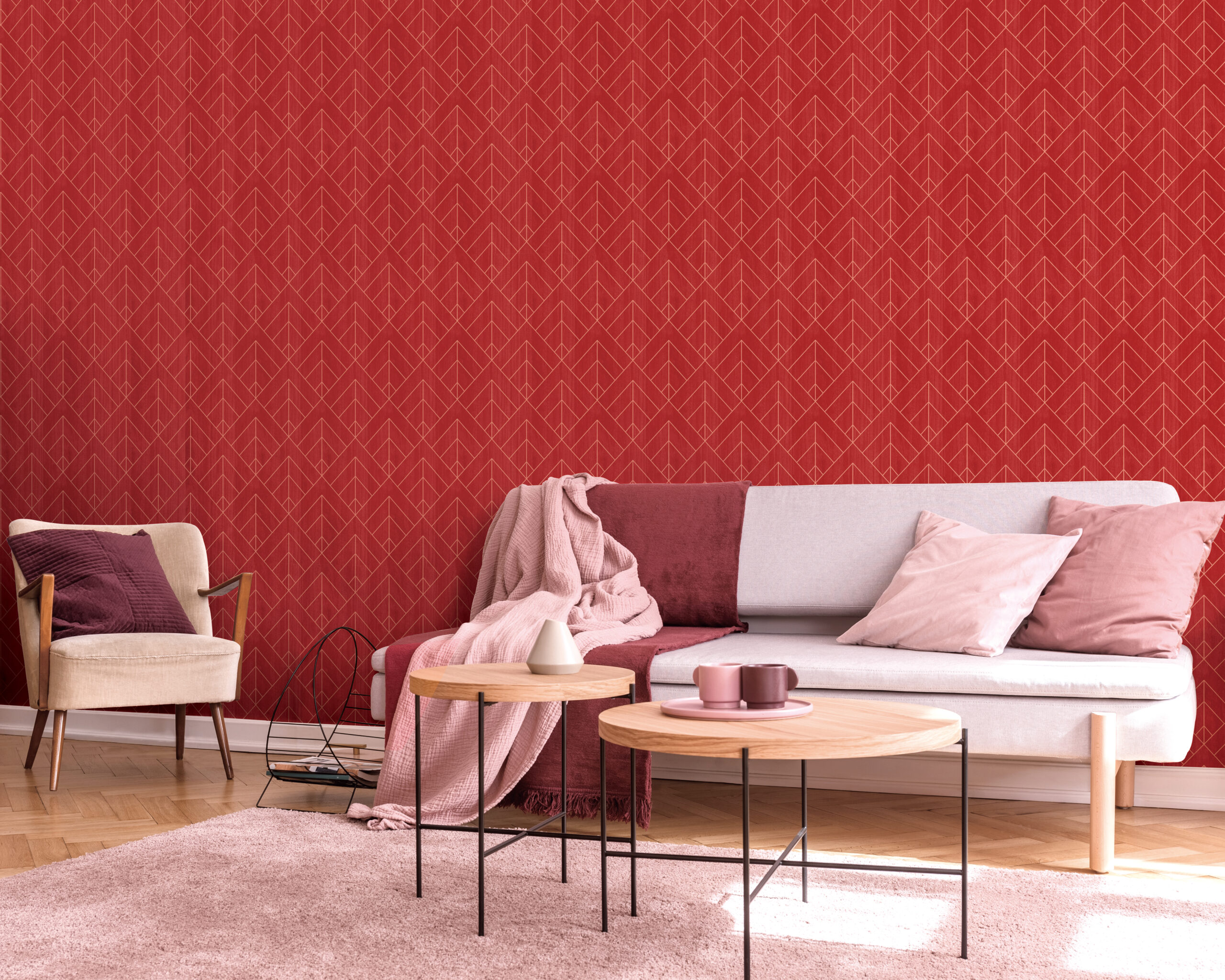
Wallcovering manufacturers are developing C2C-certified products that eliminate heavy metals, PVC, and other materials of concern from their formulations. Non-woven wallcoverings using plant-based fibres and water-based inks represent the leading edge of sustainable wall finish options.
Fabric
Upholstery and curtain fabrics with C2C certification use fibres that are either safely biodegradable or infinitely recyclable. Dyes and finishes are assessed for chemical safety, ensuring that the fabric remains non-toxic throughout its life and at end of life.
Why C2C Matters for Singapore Projects
Singapore’s building sector is moving steadily toward more rigorous sustainability requirements. The BCA Green Mark certification scheme, which is mandatory for new buildings and major renovations above a certain size, awards credits for the use of sustainable materials. C2C-certified products contribute to these credits in several ways.
- Material health documentation: C2C certification provides the detailed chemical ingredient disclosure that Green Mark assessments increasingly require.
- Recycled content: C2C products often incorporate significant recycled content, contributing to materials credits.
- Indoor air quality: C2C material health assessment ensures low emissions, supporting the indoor environmental quality criteria of green building certifications.
- Lifecycle thinking: The end-of-life recovery pathway required by C2C aligns with the circular economy principles that Singapore’s Green Plan 2030 promotes.
Beyond certification credits, specifying C2C products demonstrates a genuine commitment to sustainability that resonates with tenants, investors, and the public. In a market where ESG performance is increasingly scrutinised, the documented rigour of C2C certification provides credible evidence of responsible material selection.
Specifying C2C Materials in Practice
Incorporating Cradle to Cradle materials into a project requires some adjustment to the typical specification process.
Early Engagement
Identify C2C-certified product options early in the design phase. The range is growing but is not yet universal across all product categories. Early engagement with suppliers such as Goodrich Global ensures that suitable products are identified before design decisions are locked in.
Verification
C2C certification is independently verified by the Cradle to Cradle Products Innovation Institute. Always confirm current certification status, as products can be certified, upgraded, or decertified based on ongoing assessment. The institute maintains a public product registry for verification.
End-of-Life Planning
Specifying C2C materials is only half the equation. The circular design intent is only realised if end-of-life recovery actually occurs. Work with manufacturers that offer take-back programmes or recycling partnerships in Singapore and the region. Document the recovery pathway in the project’s sustainability plan.
Cost Considerations
C2C-certified products may carry a modest premium over conventional alternatives, typically in the range of 5 to 15 per cent. However, this premium is narrowing as production scales increase and market demand grows. When lifecycle costs are considered, including maintenance, replacement frequency, and end-of-life disposal, C2C products often prove competitive or superior.
The Broader Circular Design Movement
Cradle to Cradle certification sits within a broader shift toward circular design in the built environment. This movement recognises that buildings and their interior materials should be designed as material banks, storing valuable resources that can be recovered and reused rather than sent to landfill.
In Singapore, where land for landfill is severely limited and the Semakau Landfill is projected to reach capacity, the imperative for circular material use is particularly acute. Interior fit-outs generate significant waste during both installation and removal. Specifying materials designed for recovery directly addresses this challenge.
The design industry’s role is to make circular choices the default, not the exception. As more products achieve C2C certification and more projects demonstrate the viability of circular design, the shift becomes self-reinforcing.
Final Thoughts
Cradle to Cradle interior materials offer a credible, verified pathway to genuinely sustainable interior design. For Singapore projects pursuing green building certification, ESG compliance, or simply responsible material use, C2C-certified products provide both the performance required and the documentation to prove it.
The circular design future is not distant. It is available now, in the flooring, wallcovering, carpet, and fabric products you specify today.
Browse our e-catalogue for the latest designs and identify sustainable material options for your next project.