Sustainability
Energy-Efficient Interior Design Strategies
Energy-efficient interior design is an approach that reduces a building’s energy consumption through strategic material selection, spatial planning, and finish choices. In Singapore, where air conditioning accounts for a substantial portion of building energy use and electricity costs continue to rise, the interior fit-out has a direct and measurable impact on operational energy performance.
For architects, designers, and property owners, understanding how interior materials influence energy consumption transforms the fit-out from a purely aesthetic exercise into a sustainability strategy with tangible financial returns.
How Interior Design Affects Energy Consumption
The relationship between interior design and energy use is often underestimated. While building systems such as HVAC, lighting, and facade design receive most of the attention in energy efficiency discussions, the interior fit-out influences several critical factors.
- Thermal performance: Interior materials affect how heat is absorbed, stored, and radiated within a space. The right choices reduce the cooling load on air conditioning systems.
- Light reflectance: Surface colours and finishes determine how much artificial light is needed to achieve adequate illumination. Lighter, more reflective surfaces reduce lighting energy consumption.
- Solar heat gain management: Window treatments, including curtains and blinds, control the amount of solar heat entering a space, directly affecting cooling demand.
- Insulation contribution: Wallcoverings, carpet, and other soft furnishings provide a layer of insulation that, while modest individually, contributes cumulatively to thermal performance.
Flooring and Thermal Performance
Flooring covers the largest horizontal surface in any interior, and its thermal properties affect both comfort and energy use.
Thermal Mass and Cooling
In Singapore’s air-conditioned buildings, the floor acts as a thermal reservoir. Hard flooring materials with higher thermal mass, such as tile and stone, absorb cool air from the air conditioning system and release it slowly, helping to maintain a stable temperature. However, the practical difference between flooring types is modest compared to the impact of insulation and HVAC efficiency.
Where flooring has a more direct energy impact is in the perception of temperature. Carpet and vinyl flooring feel warmer underfoot than tile, which can allow occupants to feel comfortable at a slightly higher thermostat setting. In a tropical climate where every degree of cooling setpoint adjustment saves approximately 3 to 5 per cent of cooling energy, this perceptual benefit has real value.
Underfloor Insulation
In raised-floor office environments, the air cavity beneath the floor can be a source of energy loss if not properly managed. Quality flooring products installed over appropriate underlay systems contribute to thermal separation between the occupied space and the floor void.
Wall Treatments and Light Reflectance
The colour and finish of walls directly affect how much artificial light is required to illuminate a space. This relationship is quantified through the Light Reflectance Value (LRV) of surface finishes.
Understanding LRV
LRV measures the percentage of visible light a surface reflects, on a scale from 0 (pure black, absorbs all light) to 100 (pure white, reflects all light). Higher LRV surfaces bounce more light around a room, reducing the number and intensity of light fixtures needed.
In practice, this means that lighter wallcoverings and wall paints contribute to energy savings. A room with walls finished in a light tone (LRV 60 to 80) requires significantly less artificial lighting than the same room finished in a dark tone (LRV 10 to 30).
Wallcovering Choices
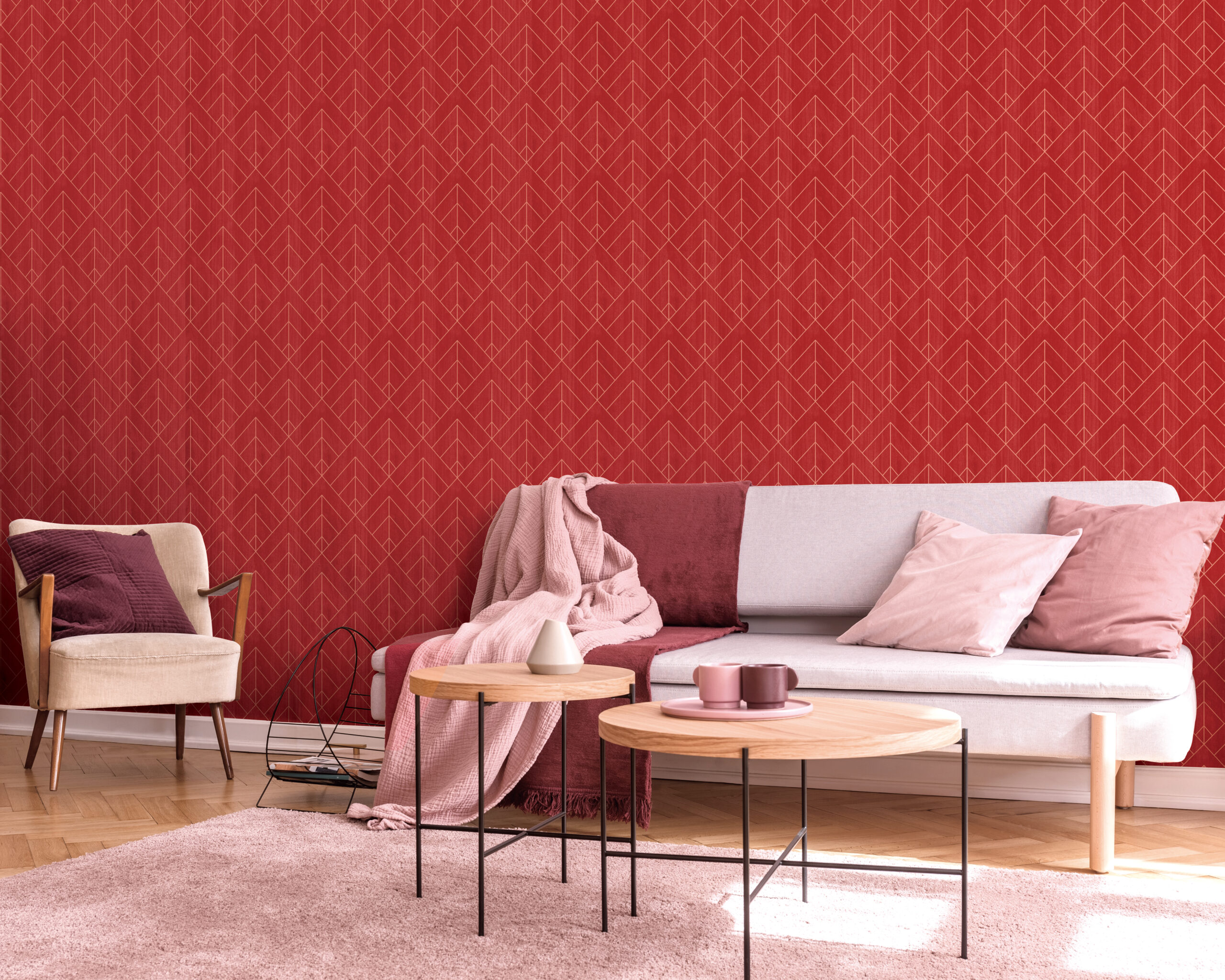
Light-coloured wallcoverings that combine high LRV with visual warmth offer the best balance. Warm white, soft cream, pale sage, and light grey wallcoverings reflect light effectively while avoiding the institutional starkness of pure white. Textured wallcoverings in light tones are particularly effective because the texture adds visual interest while the base colour maintains high reflectance.
In open-plan offices and commercial spaces, applying lighter wallcovering to walls opposite windows maximises the penetration of natural daylight into the interior, further reducing reliance on artificial lighting.
Window Treatments for Solar Heat Management
In Singapore, where the sun sits high and solar radiation is intense, window treatments are one of the most impactful interior design decisions for energy efficiency. Uncontrolled solar heat gain through glazing is a primary driver of cooling load in commercial and residential buildings.
Curtain and Blind Strategies
Effective window treatment strategies for energy efficiency include:
- Solar reflective sheers: Sheer curtain fabrics with metallic or reflective backing redirect solar radiation before it enters the room as heat. These fabrics maintain the view and natural light while significantly reducing heat gain.
- Blackout curtains with thermal lining: For bedrooms and meeting rooms, blackout curtains with a thermal lining layer create an insulating air pocket between the fabric and the glass, reducing both heat gain and heat loss from air conditioning.
- Layered systems: Combining a sheer curtain for daily use with a heavier secondary curtain for peak sun hours provides flexibility to manage solar gain throughout the day.
The choice of curtain fabric colour also matters. Lighter fabrics reflect more solar radiation than darker fabrics. A white or light-coloured curtain facing the window reflects solar heat outward, while a dark curtain absorbs it and re-radiates it into the room.
Automated Systems
In commercial buildings, automated blind and curtain systems that respond to sun position and light levels maximise energy savings by adjusting solar control in real time. These systems require fabrics that are durable enough for frequent mechanical operation.
Acoustic Materials and Energy Efficiency
There is an indirect but important link between acoustic comfort and energy use. In spaces with poor acoustics, occupants often use white noise machines, close doors that would otherwise allow natural ventilation, or operate equipment to mask unwanted sound. Each of these responses consumes energy.
By specifying materials that manage acoustics naturally, including carpet tiles for floor impact absorption, acoustic wallcovering for airborne sound reduction, and heavy curtain fabric for reverberation control, the need for energy-consuming acoustic solutions is reduced or eliminated.
Putting It All Together: An Energy-Efficient Fit-Out
An energy-efficient interior design strategy integrates all these material choices into a cohesive approach. For a typical Singapore office fit-out, this might include:
| Element | Energy-Efficient Choice | Energy Benefit |
|---|---|---|
| Flooring | Carpet tiles or LVT with underlay | Perceived warmth allows higher thermostat setpoints |
| Walls | Light-toned wallcovering (LRV 60+) | Reduces artificial lighting requirements |
| Windows | Solar reflective sheer + thermal blackout | Reduces cooling load from solar heat gain |
| Ceilings | High-LRV finish | Maximises light reflectance and distribution |
| Furniture fabric | Light-coloured performance upholstery | Contributes to overall room light reflectance |
None of these choices require sacrificing design quality. They simply require awareness of how material properties interact with building energy systems.
Final Thoughts
Energy-efficient interior design is not a separate discipline. It is a lens through which every material decision can be evaluated for its contribution to sustainability and operational cost reduction. In Singapore, where cooling energy represents a significant portion of building operating costs, the cumulative impact of smart material choices is substantial.
The most effective approach is to consider energy implications from the start of the design process, not as an afterthought. When sustainability is embedded in material selection, the result is an interior that is both beautiful and responsible.
Request free samples from our Singapore showroom to evaluate materials that support energy-efficient design.