Wallpaper & Wallcovering
Wallpaper for Staircases: Transforming Vertical Spaces
Wallpaper for staircase walls is one of the most impactful yet underutilised design opportunities in Singapore homes. The stairwell is a transitional space — connecting floors in landed properties, maisonettes, and duplex units — that most homeowners treat as an afterthought. A well-chosen wallpaper transforms this vertical passage into a striking design feature that greets residents and guests on every trip between floors.
This guide covers pattern selection, practical considerations, and installation advice for wallpapering staircases in Singapore’s residential and commercial properties.
Why Staircases Deserve Design Attention
Staircases offer a unique canvas that few other areas of a home can match. The tall, narrow walls that flank a stairway provide continuous vertical surfaces — often stretching two full storeys — that create dramatic visual impact when covered with the right wallpaper.
In Singapore’s landed properties (terraces, semi-detached homes, and bungalows), the staircase is typically visible from the ground-floor living area or entrance hall. It serves as a focal point that sets the tone for the home’s interior character. In HDB maisonettes and executive apartments with internal stairs, the stairwell connects the more public downstairs spaces with the private upstairs bedrooms, making it a natural transition point where a change in design mood can be introduced.
Beyond residential settings, commercial staircases in boutique hotels, co-working spaces, and retail environments benefit from wallpaper that reinforces brand identity and creates memorable moments in otherwise utilitarian spaces.
Choosing the Right Pattern for Staircases
The vertical orientation and narrow proportions of a stairwell demand careful pattern selection. Not every wallpaper design works equally well in this context.
Large-Scale Patterns and Murals
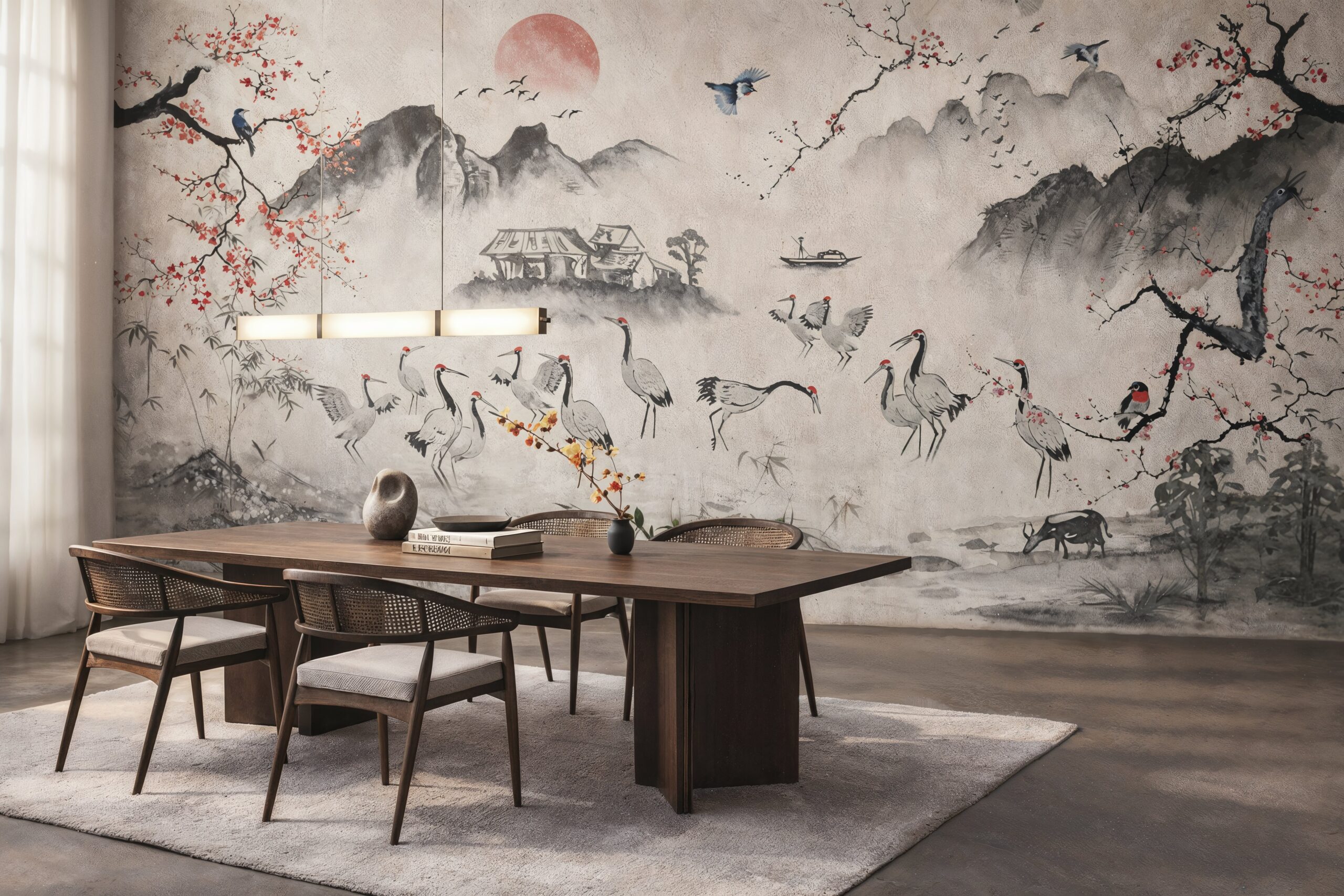
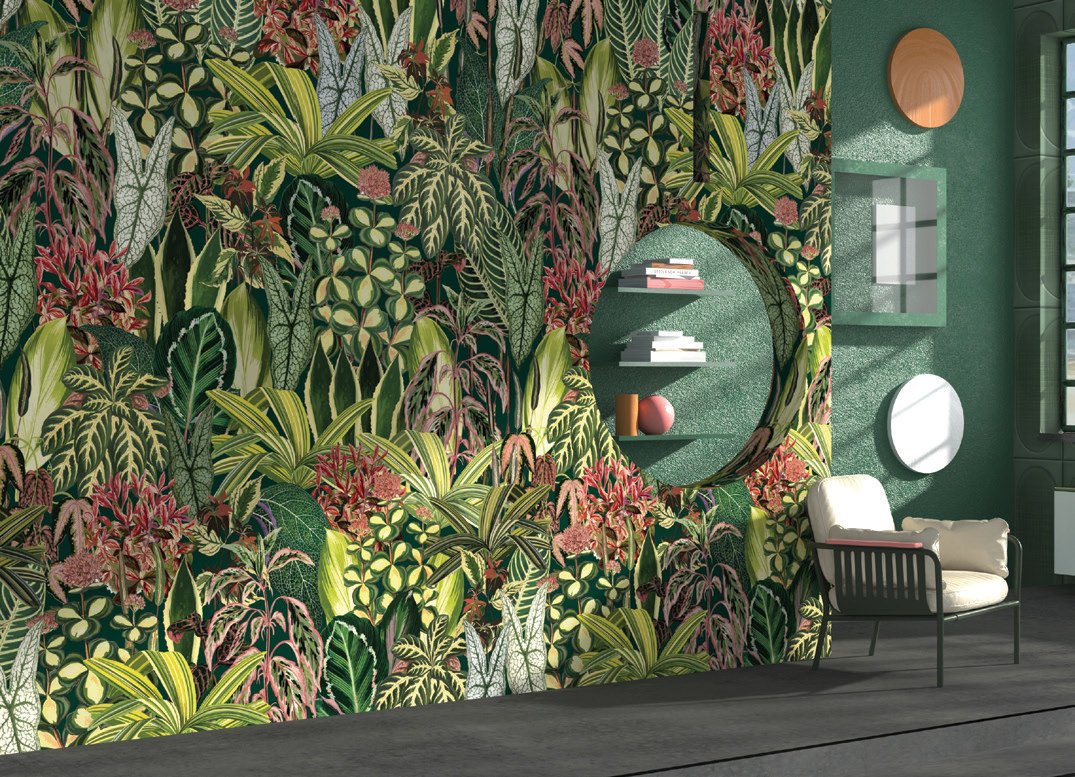
Staircase walls provide the height needed for large-scale patterns and mural designs to display fully. A botanical print with oversized tropical foliage, a dramatic landscape scene, or an abstract mural can stretch from the ground floor to the upper landing, creating a gallery-like experience as you ascend or descend. These designs work best on the main feature wall — typically the longest unbroken wall that faces you as you climb the stairs.
Vertical Stripes
Vertical stripe patterns complement the natural verticality of a stairwell, drawing the eye upward and reinforcing the sense of height. Subtle tone-on-tone stripes add texture without overwhelming the space, while bolder contrasting stripes make a stronger design statement. Avoid horizontal patterns in narrow stairwells, as they can make the space feel wider but lower — counterproductive in a vertical passage.
Geometric and Abstract Designs
Geometric patterns — hexagons, diamonds, chevrons, and art deco motifs — bring contemporary energy to a staircase. These designs are forgiving of the slightly angled sightlines that stairwells create, as the geometric repetition reads well from any angle or height. Abstract designs with organic movement suit more relaxed, eclectic interiors.
Textured Wallcoverings
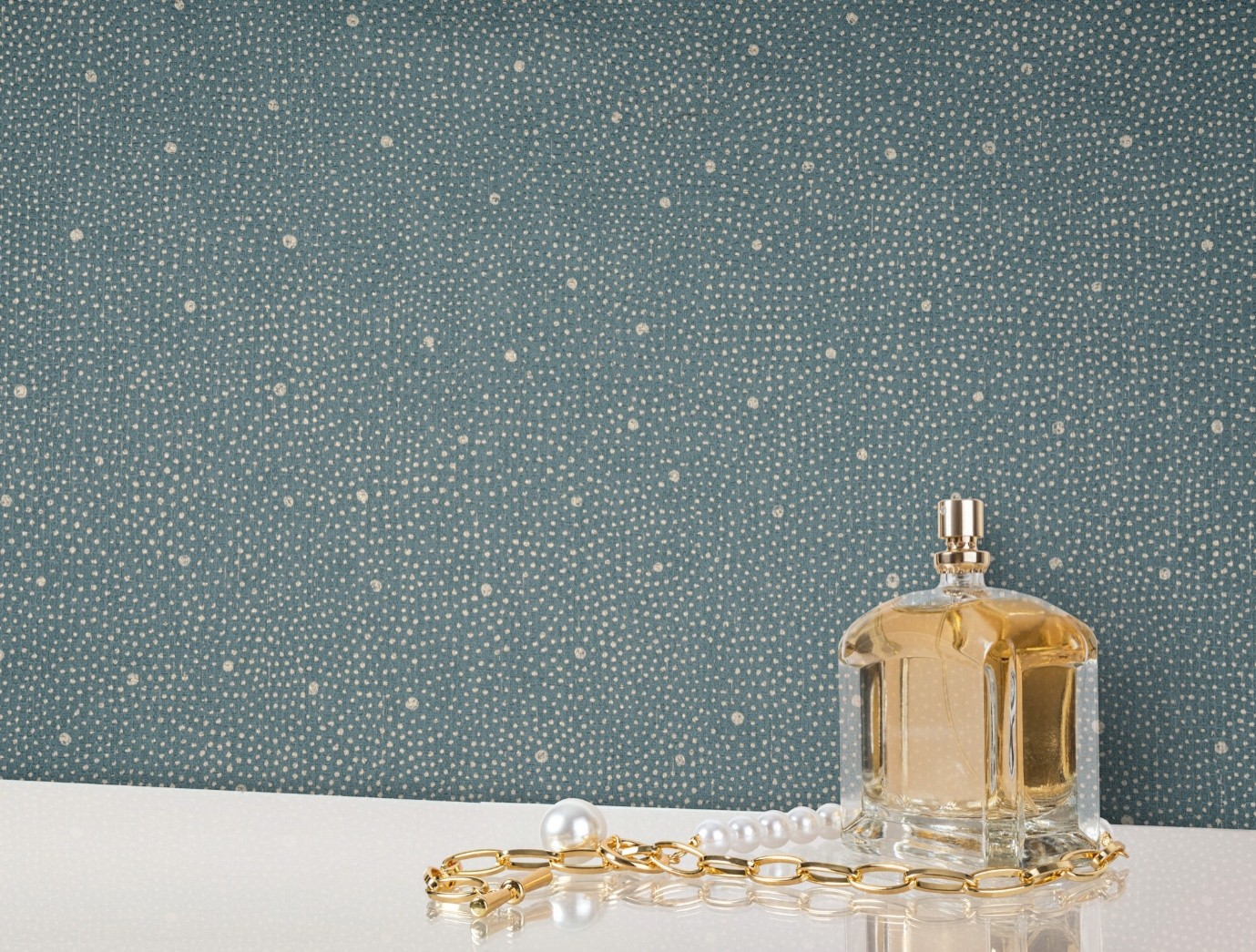
Textured wallpapers — grasscloth, linen-effect, or subtle embossed designs — add depth and tactile interest to staircase walls without the visual complexity of a printed pattern. They are an excellent choice for homeowners who want to elevate the stairwell beyond plain paint without committing to a bold pattern. The play of light across a textured surface changes as you move through the stairwell, adding a dynamic quality.
Practical Considerations for Staircase Wallpapering
Wallpapering a staircase presents specific practical challenges that differ from standard room applications. Addressing these upfront ensures a professional result.
Wall Height and Access
Staircase walls are significantly taller than standard room walls, with drops often exceeding three metres. This requires longer wallpaper lengths and careful pattern matching across extended vertical spans. Professional installation typically involves scaffold boards or adjustable platform ladders positioned on the stairs — working from a standard stepladder is unsafe and impractical for these heights.
Pattern Matching on Angled Walls
The staircase string (the angled wall that follows the slope of the stairs) creates a challenge for pattern continuity. Where the angled string wall meets a vertical wall, the pattern alignment requires precise cutting and matching. An experienced installer will plan the starting point and hanging sequence to minimise visible mismatches at these junctions.
Durability and Cleanability
Staircase walls — particularly the lower sections along the handrail — receive more physical contact than most room walls. Hands brush against the surface, bags and belongings bump the wall on the way up, and children may touch or lean against it. Choose a wallpaper with a wipeable or washable surface for staircase applications. Vinyl-coated wallpapers are particularly suitable, as they withstand gentle cleaning without damage.
Lighting
Staircases often have limited natural light, particularly in the centre of a home or in HDB maisonettes where the stairwell may be enclosed. Consider how the wallpaper pattern reads under artificial lighting — recessed downlights can create attractive highlights on textured wallcoverings, while flat, even lighting best serves bold printed patterns.
Colour Strategies for Staircase Wallpaper
Colour choice significantly affects how a staircase feels. The right palette can make a narrow stairwell feel spacious and inviting, while a poor choice can make it feel cramped and dark.
Light and bright: White, cream, soft grey, and pale blue wallpapers maximise the sense of space and reflect available light. They work particularly well in narrow HDB maisonette stairwells where natural light is limited.
Rich and dramatic: Deep green, navy, charcoal, and burgundy create a cocooning, intimate atmosphere that suits wider stairwells in landed properties. These darker palettes pair well with brass or gold-toned light fixtures and timber handrails for a sophisticated look.
Warm and welcoming: Earthy tones — terracotta, warm taupe, soft gold — create a transitional warmth that works across both traditional and contemporary Singapore homes.
Feature Wall vs Full Stairwell
You do not need to wallpaper every surface in the stairwell to create impact. Two common approaches suit different situations.
Feature wall: Applying wallpaper to the single most prominent wall — typically the tallest wall facing the stairs — creates a focal point while keeping costs manageable. The remaining walls can be painted in a complementary colour drawn from the wallpaper palette. This approach suits residential wallpaper installations where budget or visual restraint is a consideration.
Full stairwell: Covering all staircase walls with the same wallpaper creates an immersive, enveloping effect. This works best with subtle, textured designs or tone-on-tone patterns that add richness without overwhelming the senses. Bold patterns across all walls risk feeling claustrophobic in a narrow stairwell.
Final Thoughts
Wallpaper for staircases offers an opportunity to transform a transitional space into one of the most memorable design features in your Singapore home. Whether you choose a dramatic mural, a sophisticated texture, or a geometric pattern, the stairwell’s unique proportions provide a canvas that rewards bold design thinking.
Request free samples from our Singapore showroom to find the perfect wallpaper for your staircase project.