Fabric & Upholstery
Contract Fabric Specification Guide for Designers
Contract fabric specification is a critical step in any commercial interior project, yet it is often underestimated by designers new to the hospitality, healthcare, or corporate sectors. Unlike residential upholstery, where aesthetics and comfort drive most decisions, contract fabric must meet stringent performance, safety, and durability standards — all while looking beautiful in high-traffic environments.
This guide walks architects and interior designers through the key considerations for specifying contract fabrics in Singapore’s commercial projects, from fire ratings and abrasion testing to colour retention and cleaning protocols.
What Makes Fabric “Contract Grade”
Contract-grade fabric is engineered for commercial use. It differs from residential fabric in several measurable ways.
- Abrasion resistance: Measured in double rubs (Martindale or Wyzenbeek test), contract fabric typically rates at 30,000 or more double rubs, compared to 15,000 for residential use. Heavy-duty applications like hotel lobbies and airport lounges may require 100,000+ double rubs.
- Fire retardancy: Contract fabrics must pass specific fire safety tests. In Singapore, commercial interiors must comply with SCDF fire safety regulations, which reference standards such as BS 5852 (UK) and NFPA 701 (US) for upholstered furniture and drapery.
- Colourfastness: Commercial fabrics must resist fading from UV exposure and cleaning chemicals. Colourfastness is rated on a scale of 1-5, with contract-grade fabrics typically rated 4 or above.
- Dimensional stability: The fabric must maintain its shape and size through repeated use and cleaning cycles without stretching, shrinking, or pilling.
Understanding Performance Testing Standards
Confident specification requires familiarity with the testing standards referenced in fabric datasheets.
| Test | Standard | What It Measures | Contract Minimum |
|---|---|---|---|
| Abrasion (Martindale) | ISO 12947 | Resistance to surface wear | 30,000 cycles |
| Abrasion (Wyzenbeek) | ASTM D4157 | Resistance to surface wear | 30,000 double rubs |
| Pilling | ISO 12945 | Surface fibre balling | Rating 3-4 minimum |
| Colourfastness to light | ISO 105-B02 | Fade resistance under UV | Rating 4+ (blue wool scale) |
| Flammability | BS 5852 / NFPA 701 | Ignition resistance | Pass (with or without FR treatment) |
| Seam slippage | ISO 13936 | Resistance to seam opening | 6mm maximum |
When reviewing fabric specifications, always request the full technical datasheet from your supplier. Reputable manufacturers provide test results for every product, enabling informed specification decisions.
Specifying Fabric by Application
Different commercial applications demand different performance profiles. A fabric perfect for hotel drapery may be entirely wrong for restaurant banquette seating.
Hospitality Seating
Hotel lobbies, restaurant chairs, and bar stools require fabrics with the highest abrasion resistance — 50,000 to 100,000+ double rubs. Stain resistance is essential, as spills are inevitable. Specify fabrics with inherent stain resistance or factory-applied protective finishes. Patterned fabrics with mid-tone colours are practical as they disguise minor soiling between professional cleans.
Corporate and Office
Task chairs, reception seating, and meeting room upholstery need 40,000+ double rubs and strong pilling resistance, since office chairs endure constant friction from clothing. Neutral, professional colourways dominate, but textured weaves add visual interest without being distracting. Acoustic properties are increasingly valued in open-plan offices.
Healthcare
Healthcare fabrics face the most demanding requirements. They must resist bacterial growth, withstand cleaning with hospital-grade disinfectants (including bleach solutions), and meet strict flammability standards. Fluid-resistant barriers, sealed seams, and antimicrobial treatments are standard. Specify fabrics specifically rated for healthcare use — residential or even standard contract fabrics will not survive the cleaning regimen.
Drapery and Curtains
Commercial drapery must pass fire retardancy tests, particularly for hotels and public buildings. Colourfastness to light is paramount, as curtains receive prolonged UV exposure. Weight and drape characteristics affect both aesthetics and functionality — heavier fabrics provide better light blocking and acoustic absorption.
Fire Safety Compliance in Singapore
Fire safety is non-negotiable for contract fabric specification in Singapore. The SCDF requires all interior finishes in commercial buildings to meet fire safety standards specified in the Fire Code.
For upholstered furniture, the relevant standard is typically BS 5852, which tests the fabric-and-filling combination’s resistance to ignition from smouldering cigarettes and match-equivalent flames. For drapery, NFPA 701 (vertical flame test) is commonly referenced.
Some fabrics are inherently fire retardant (IFR), meaning the fire-resistant properties are built into the fibre itself and cannot be washed out. Others achieve fire retardancy through chemical treatments (FR-treated), which may need re-application after a certain number of wash cycles. For long-term commercial installations, IFR fabrics are the more reliable choice.
Always document your fire safety compliance. Keep certificates on file and specify fire-rated products in your project documentation. This protects both the designer and the client in the event of an inspection or incident.
Working With a Contract Fabric Supplier
A knowledgeable fabric supplier is an invaluable partner in the specification process. They can provide technical datasheets, fire certificates, and application guidance that streamlines your specification workflow.
When selecting a supplier for Singapore commercial projects, look for the following.
- Comprehensive range: A supplier with a broad upholstery fabric collection covering multiple performance levels, styles, and price points gives you specification flexibility within a single source.
- Technical support: Access to technical advisors who understand testing standards, fire codes, and application requirements.
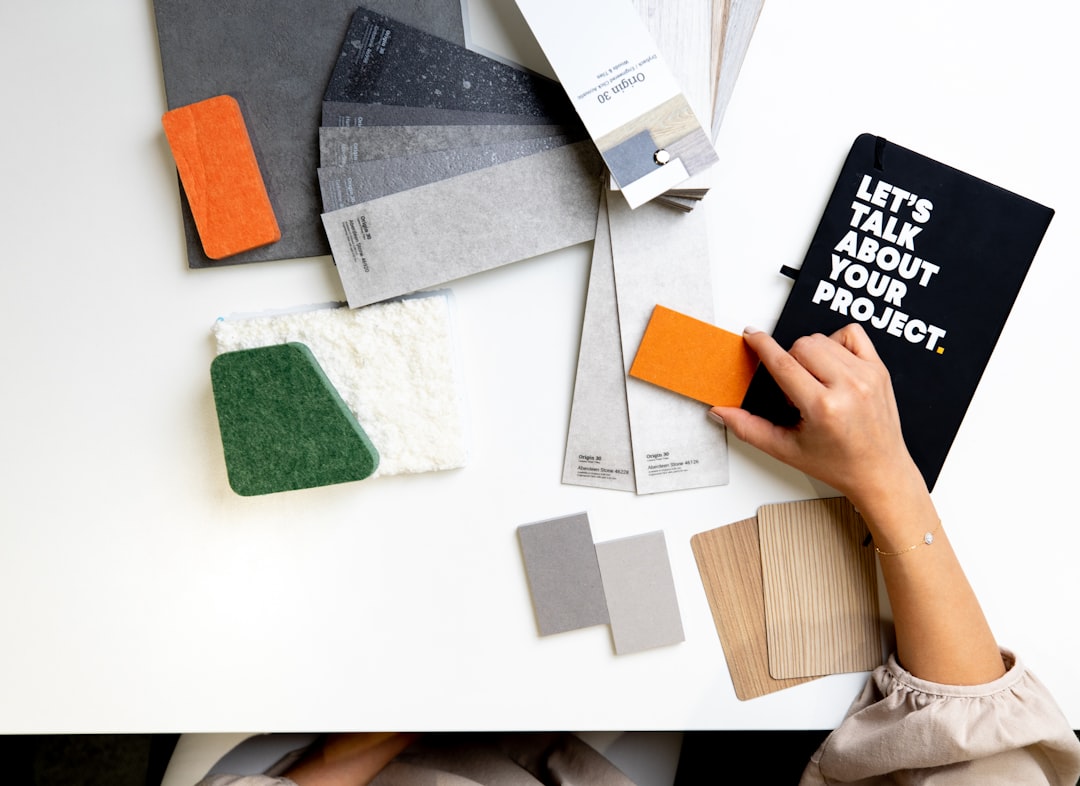
- Sample service: The ability to request fabric samples for client presentations, mock-ups, and testing.
- Stock availability: Reliable stock or reasonable lead times to meet project timelines.
- Regional presence: For designers working across Southeast Asian markets, a supplier with regional coverage simplifies specification across multi-country projects.
Goodrich Global supplies contract fabrics from leading international manufacturers, with over 350 fabric products covering upholstery, drapery, and performance applications suited to Singapore’s commercial sector.
Final Thoughts
Contract fabric specification demands a balance of aesthetics, performance, safety, and practicality that goes well beyond choosing a colour and texture. For architects and interior designers working on commercial projects in Singapore, understanding testing standards, fire codes, and application-specific requirements is essential to delivering interiors that look beautiful and perform reliably for years.
Invest the time in proper specification upfront, and you will avoid costly replacements, safety issues, and client dissatisfaction down the line.
Book an appointment with our design consultants to review contract fabric options for your next commercial project.