Fabric & Upholstery
Recycled Polyester Fabric: Sustainable Upholstery
Recycled polyester fabric is reshaping the upholstery industry, offering designers and homeowners a way to specify beautiful, durable textiles while reducing environmental impact. Made primarily from post-consumer PET plastic bottles, recycled polyester (rPET) diverts waste from landfills and oceans, transforming it into high-performance fabric that rivals virgin polyester in every measurable way.
For Singapore’s architecture and design community — where sustainability is increasingly a project requirement rather than a nice-to-have — understanding recycled polyester’s properties, certifications, and applications is essential.
How Recycled Polyester Fabric Is Made
The production process for recycled polyester begins with collecting and sorting post-consumer PET plastic, primarily used drink bottles. These bottles are cleaned, shredded into flakes, and melted into pellets. The pellets are then extruded into fine polyester fibres, which are spun into yarn and woven or knitted into fabric.
The resulting textile is chemically identical to virgin polyester. It offers the same strength, colourfastness, moisture resistance, and durability — the difference lies entirely in the raw material source and the significantly lower environmental footprint of production.
Some manufacturers also use post-industrial polyester waste — off-cuts, rejected products, and production scrap — as feedstock for recycled fibre. Both sources reduce reliance on petroleum-based virgin polyester production.
Environmental Benefits
The environmental case for recycled polyester is compelling when examined against virgin polyester production.
- Energy savings: Producing recycled polyester requires approximately 59 per cent less energy than manufacturing virgin polyester from petroleum.
- Carbon reduction: rPET production generates roughly 32 per cent fewer CO2 emissions compared to virgin polyester.
- Waste diversion: Each metre of recycled polyester upholstery fabric diverts approximately 8-12 plastic bottles from landfill or ocean waste streams.
- Resource conservation: rPET reduces demand for petroleum extraction, the primary raw material for virgin polyester.
For projects targeting green building certifications such as BCA Green Mark (Singapore’s national green building rating system), LEED, or WELL, specifying recycled polyester fabric contributes to material credit requirements and demonstrates a commitment to sustainable procurement.
Performance Characteristics
A common misconception is that recycled means lower quality. In reality, recycled polyester fabric matches or exceeds virgin polyester across key performance metrics.
| Property | Recycled Polyester | Virgin Polyester |
|---|---|---|
| Tensile strength | Equivalent | Baseline |
| Abrasion resistance | 30,000-100,000+ double rubs | 30,000-100,000+ double rubs |
| Colourfastness | Rating 4-5 (solution-dyed) | Rating 4-5 (solution-dyed) |
| UV resistance | Excellent | Excellent |
| Moisture resistance | Non-absorbent | Non-absorbent |
| Stain resistance | Inherently stain-resistant | Inherently stain-resistant |
| Mould and mildew | Resistant | Resistant |
The key takeaway is that specifying recycled polyester involves no performance compromise. Architects and designers can confidently specify rPET fabrics for demanding commercial applications — hotel seating, office chairs, healthcare upholstery — knowing the fabric will perform identically to its virgin counterpart.
Applications in Singapore Interiors
Recycled polyester fabric is versatile enough for virtually any upholstery or drapery application.
Residential Upholstery
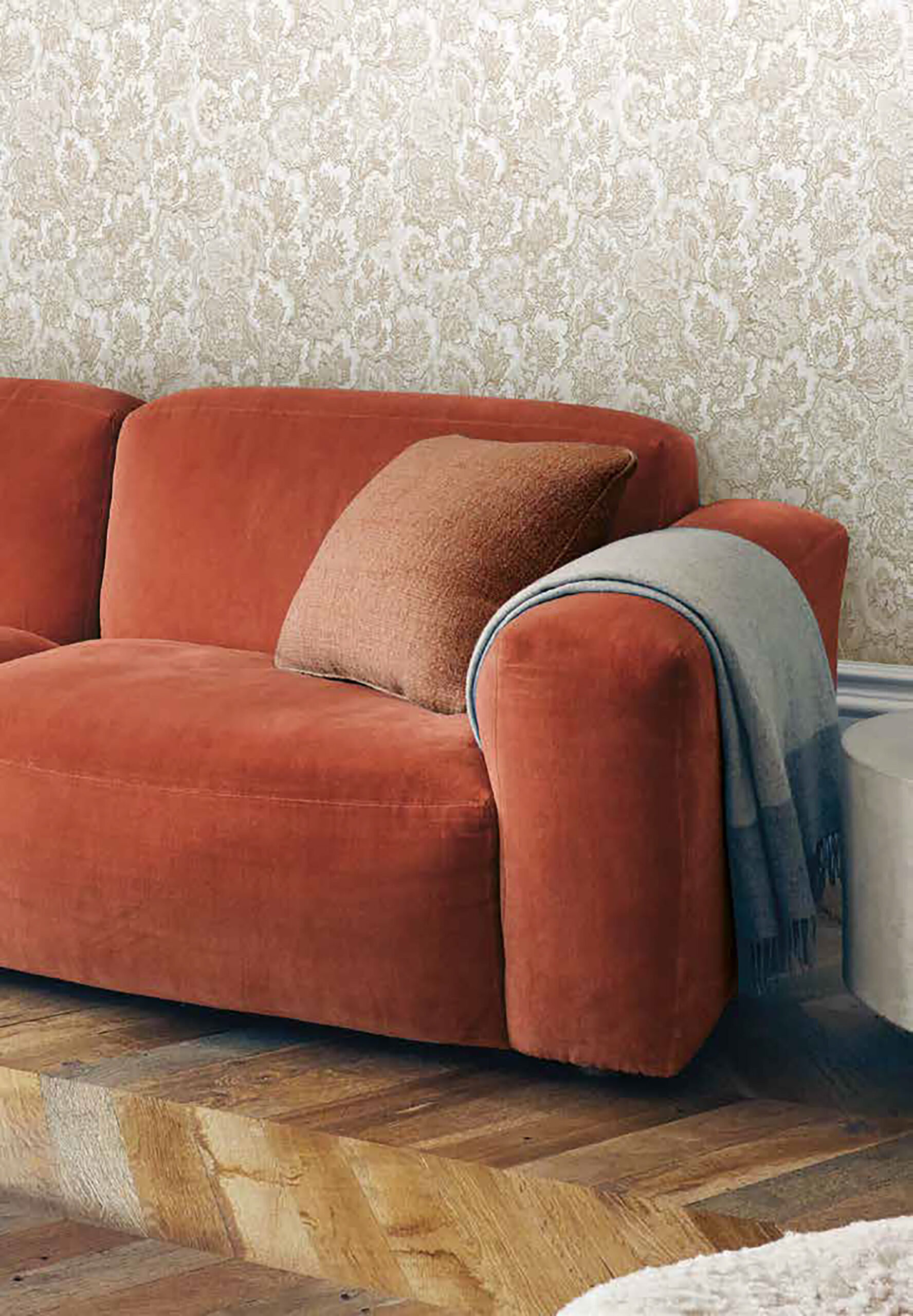
For Singapore homeowners, recycled polyester offers an environmentally responsible choice for sofas, armchairs, and dining chairs. Its resistance to humidity, stains, and fading makes it particularly suited to open-plan HDB and condo living spaces where furniture endures constant use and Singapore’s tropical light. The wide range of colours, textures, and weave patterns available means there is no aesthetic limitation.
Commercial and Hospitality
Hotels, restaurants, and corporate offices in Singapore increasingly specify sustainable materials as part of their ESG (Environmental, Social, and Governance) commitments. Recycled polyester upholstery and drapery allow these businesses to demonstrate tangible sustainability actions. Major hospitality groups now require a minimum percentage of recycled content in their interior specifications.
Healthcare
Healthcare-grade recycled polyester fabrics are available with antimicrobial treatments, fluid barriers, and compatibility with hospital-grade disinfectants. These products enable healthcare facilities to meet both hygiene standards and sustainability goals simultaneously.
Drapery and Curtains
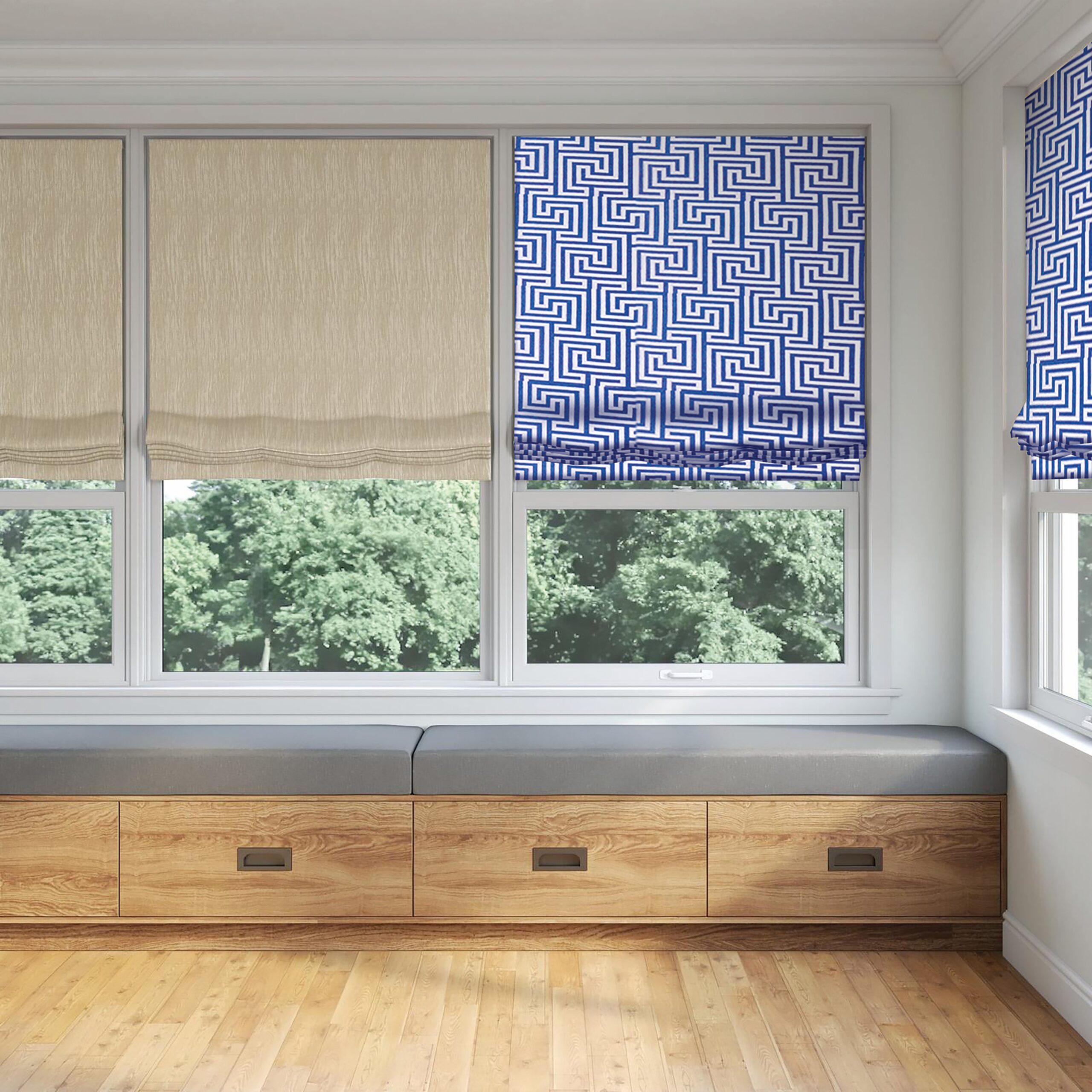
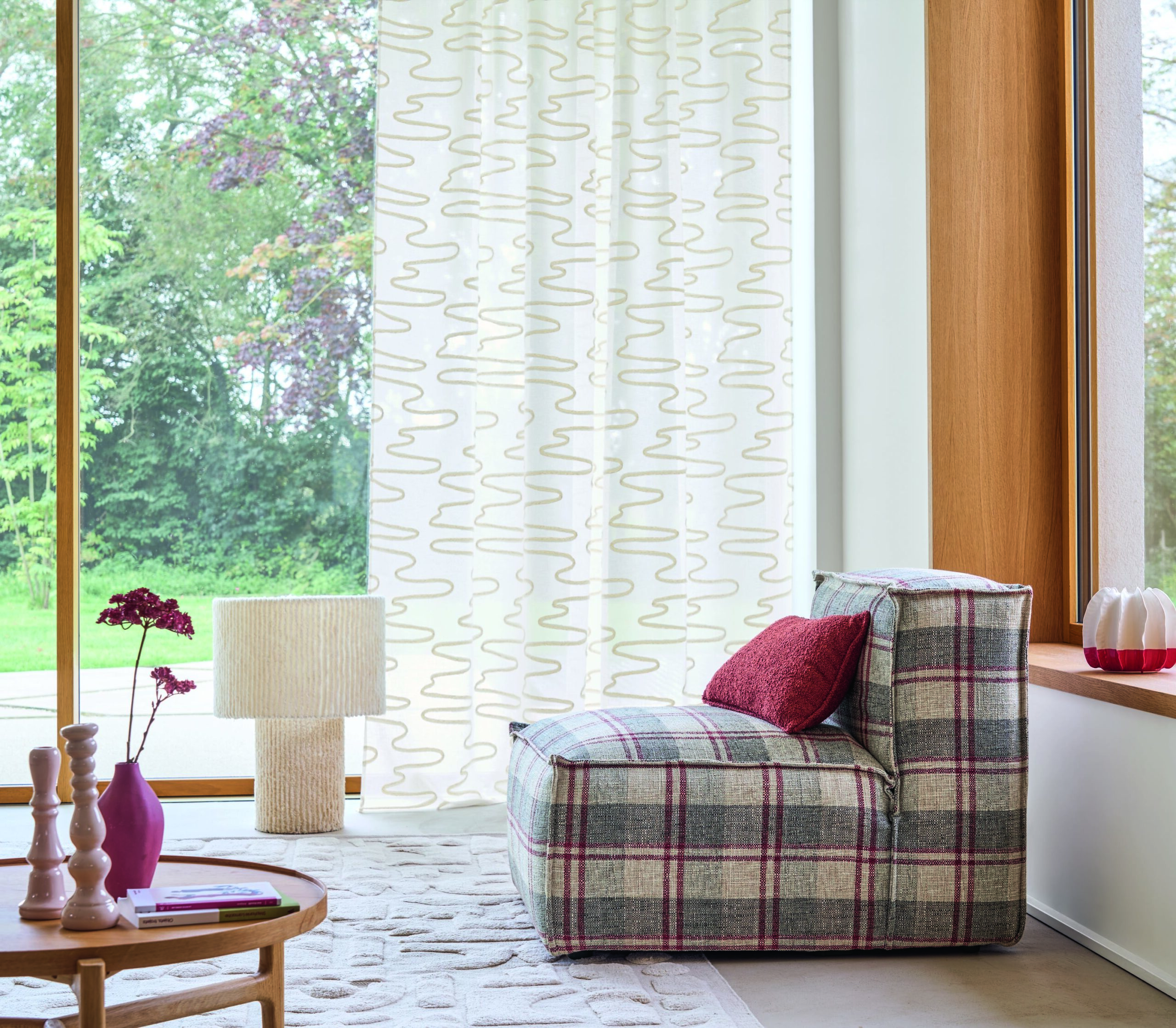
Recycled polyester drapery fabric offers excellent drape, light control, and UV resistance. Sheer and semi-sheer recycled polyester curtains filter Singapore’s intense sunlight while adding a sustainable dimension to the window treatment specification.
Certifications to Look For
When specifying recycled polyester, verify the product’s sustainability claims through recognised certifications.
- GRS (Global Recycled Standard): Verifies recycled content, chain of custody, social and environmental practices, and chemical restrictions throughout the production process.
- OEKO-TEX Standard 100: Certifies that the finished fabric is free from harmful substances, ensuring safety for end users including children.
- Recycled Claim Standard (RCS): Tracks and verifies recycled content through the supply chain.
- Cradle to Cradle: Assesses the product across material health, material reuse, renewable energy, water stewardship, and social fairness.
Request certification documentation from your fabric supplier and include it in your project specification files. This provides evidence for green building submissions and client sustainability reporting.
Specifying Recycled Polyester for Your Project
Goodrich Global’s fabric collection includes recycled polyester options from leading international textile manufacturers. When specifying for your next project, consider the following steps.
- Define the performance requirements for each application — abrasion rating, fire retardancy, cleanability, and colourfastness.
- Identify recycled polyester products that meet those performance criteria.
- Request technical datasheets and sustainability certifications from the supplier.
- Order physical samples to assess colour, texture, and hand-feel.
- Document the recycled content specification in your project materials schedule for green building credit submissions.
Final Thoughts
Recycled polyester fabric represents a genuine win for both sustainability and performance. It delivers the durability, aesthetics, and versatility that Singapore’s demanding interiors require, while significantly reducing the environmental footprint of your material specification.
As sustainability moves from aspiration to requirement in Singapore’s built environment, recycled polyester provides a practical, proven, and readily available path toward more responsible interior design.
Request free samples from our Singapore showroom to explore the look and feel of recycled polyester upholstery and drapery fabrics.