Sustainability
WELL Certification and Interior Material Selection
Well certified interior materials are becoming a decisive factor in commercial and residential projects as building owners pursue WELL certification to demonstrate their commitment to occupant health. The WELL Building Standard, administered by the International WELL Building Institute (IWBI), evaluates buildings across categories including air, water, light, thermal comfort, and materials. For architects and interior designers in Singapore, understanding how material selection affects WELL performance is essential to delivering projects that meet this increasingly influential standard.
What Is the WELL Building Standard?
The WELL Building Standard is a performance-based certification system that measures how buildings affect occupant health and wellbeing. Unlike Green Mark or LEED, which focus primarily on environmental sustainability and energy efficiency, WELL centres on the people inside the building.
WELL certification operates at three levels: Bronze, Silver, Gold, and Platinum. Projects earn points across ten concept categories, several of which directly involve interior material specification:
- Air: indoor air quality, ventilation, and pollutant management
- Materials: chemical restrictions, transparency, and responsible sourcing
- Sound: acoustic performance and noise management
- Thermal comfort: temperature control and material thermal properties
- Mind: design elements that support cognitive and emotional wellbeing
In Singapore, WELL certification is gaining traction in premium office developments, co-working spaces, and healthcare facilities. Several high-profile projects in the CBD have achieved WELL certification, setting a benchmark that others are now following.
How Interior Materials Affect WELL Scores
The Materials concept within WELL specifically addresses the chemical composition, sourcing, and environmental impact of products used in the interior. Key requirements include:
VOC Emissions
Volatile organic compounds (VOCs) emitted by flooring, wallcoverings, adhesives, and fabrics directly affect indoor air quality. WELL requires that interior materials meet strict VOC emission limits, typically verified through third-party testing to standards such as FloorScore, GREENGUARD Gold, or the EU’s AgBB scheme.
Commercial flooring products from established manufacturers increasingly carry these certifications. When specifying materials for WELL projects, request emission test reports and verify that results fall within the standard’s thresholds.
Chemical Restrictions
WELL restricts or prohibits certain chemicals in interior products, including specific phthalates, flame retardants, and heavy metals. The Materials concept encourages specifiers to select products that avoid these substances and to maintain documentation demonstrating compliance.
Material Transparency
WELL awards points for products that disclose their ingredients through Health Product Declarations (HPDs) or Declare labels. These transparency tools allow designers to make informed decisions about the chemical composition of the materials entering the building.
Flooring Specification for WELL Projects
Flooring occupies the largest surface area in most interiors and has a significant influence on air quality, acoustics, and occupant comfort.
| Flooring Type | WELL-Relevant Properties | Considerations |
|---|---|---|
| Luxury vinyl tile (LVT) | Low-VOC options available, FloorScore certified | Verify phthalate-free formulations |
| SPC flooring | Dimensionally stable, low-emission options | Request HPD or Declare documentation |
| Carpet tiles | Acoustic benefits, Cradle to Cradle certified options | Specify low-VOC adhesive or click-install |
| Natural linoleum | Bio-based content, naturally low-VOC | Requires specific maintenance regime |
Adhesives used during installation are equally important. Low-VOC or zero-VOC adhesives prevent the flooring installation from becoming a source of indoor air pollution. Click-lock installation systems that eliminate adhesive entirely offer another pathway to compliance.
Wallcoverings and the Air Quality Connection
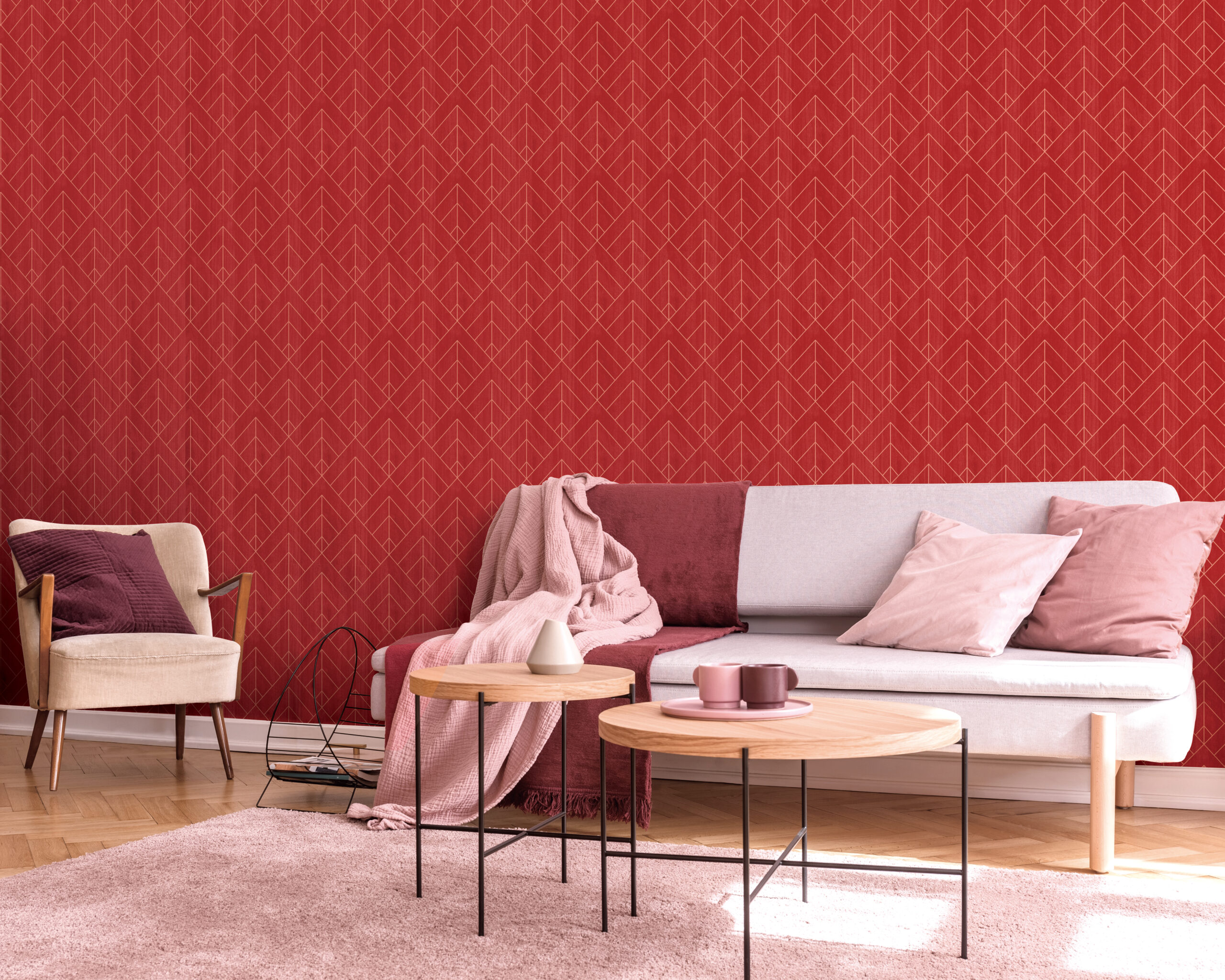
Wallcoverings contribute to the indoor environment through both their own emissions and their impact on air quality management. Vinyl wallcoverings have historically raised concerns about phthalate content and VOC emissions, but the industry has responded with reformulated products that meet stringent emission standards.
Modern commercial wallcoverings from responsible manufacturers now offer low-VOC formulations, phthalate-free plasticisers, and third-party emission certifications. Natural fibre wallcoverings made from materials like jute, sisal, or grasscloth offer inherently low-emission alternatives, though they may require different maintenance approaches.
When specifying wallcoverings for WELL projects, also consider the adhesive. Wallpaper paste should meet the same low-VOC criteria applied to the wallcovering itself.
Fabrics, Acoustics, and Occupant Wellbeing
Soft furnishings contribute to WELL performance in two important ways: acoustic comfort and chemical safety.
The Sound concept in WELL sets performance targets for background noise levels and reverberation times. Upholstered furniture, drapery, and acoustic fabric panels all contribute absorptive surface area that helps interiors meet these targets. Open-plan offices, in particular, benefit from strategically placed soft furnishings that reduce noise reflection.
On the chemical side, upholstery and drapery fabrics should be free from restricted flame retardants and carry low-VOC emission certifications. Many performance fabrics now achieve fire safety compliance through inherently flame-resistant fibre construction rather than chemical treatment, which aligns well with WELL’s chemical restriction requirements.
Practical Steps for Specifiers
Achieving WELL compliance through material selection requires a structured approach from the early design stages:
- Identify which WELL credits your project is targeting and map the material requirements for each
- Develop a materials palette using products with verified certifications (FloorScore, GREENGUARD Gold, Cradle to Cradle)
- Request HPDs and emission test reports from manufacturers for every specified product
- Specify low-VOC adhesives and installation methods throughout
- Maintain a materials documentation library for the WELL assessor’s review
Working with suppliers who understand WELL requirements and can provide the necessary documentation streamlines the certification process and reduces the risk of non-compliant materials entering the project.
Final Thoughts
WELL certification elevates interior material selection from an aesthetic exercise to a health-focused discipline. By choosing well certified interior materials with verified low emissions, transparent ingredient disclosure, and responsible sourcing, designers create spaces that actively support the health and productivity of their occupants.
Request free samples from our Singapore showroom and ask about emission certifications for your WELL-targeted project.