Sustainability
Upcycled Interior Materials in Modern Design – Goodrich
Upcycled interior materials are reshaping how architects and designers approach sustainable fit-outs in Singapore. Unlike recycling, which breaks materials down to their raw components, upcycling transforms waste products into new materials of equal or higher value. The result is interior finishes with genuine environmental credentials, distinctive aesthetics, and compelling stories that resonate with environmentally conscious clients.
Upcycling vs Recycling in Interior Design
The distinction between upcycling and recycling matters in the context of interior materials. Recycling involves reprocessing waste into new raw material, often with some loss of quality in each cycle. Upcycling takes waste or by-products and elevates them into finished products without degrading the original material.
In practice, many interior products blend both approaches. A carpet tile made from recycled fishing nets involves recycling the nylon into new fibre, which is then upcycled into a designed product. A wall panel made from reclaimed timber involves upcycling the wood directly into a new application with minimal reprocessing.
What unites both approaches is the diversion of waste from landfill and the reduction of virgin material consumption. For projects pursuing green building certifications or corporate sustainability targets, specifying materials with recycled or upcycled content demonstrates measurable environmental commitment.
Upcycled Flooring Options
The flooring industry has been a leader in incorporating upcycled and recycled content, driven by both environmental ambition and the commercial viability of waste-derived materials.
Carpet Tiles with Recycled Content
Several major carpet tile manufacturers now produce products with significant recycled content, including post-consumer nylon from fishing nets, carpet reclamation programmes, and industrial waste streams. These products meet the same performance standards as virgin-material carpet tiles while reducing environmental impact.
Commercial carpet tiles with recycled content are available in designs that show no visual compromise. The recycled fibre performs identically to virgin nylon in terms of durability, stain resistance, and colour retention.
Vinyl Flooring with Recycled PVC
Luxury vinyl tile and SPC flooring products increasingly incorporate recycled PVC in their core layers. Some manufacturers use post-industrial vinyl waste, while others participate in post-consumer take-back programmes that reclaim old vinyl flooring for reprocessing into new products.
Reclaimed Timber Flooring
Reclaimed wood from demolished buildings, old railway sleepers, or decommissioned ships offers a genuinely upcycled flooring option. Each plank carries the patina of its previous life, creating floors with character that new timber cannot replicate. However, supply is inconsistent, costs are higher, and quality varies, making reclaimed timber more suitable for feature areas than full-floor installations.
Upcycled Wall Materials
Walls offer expansive canvases for upcycled material expression. Several innovative products are now accessible in the Singapore market.
Reclaimed Wood Panelling
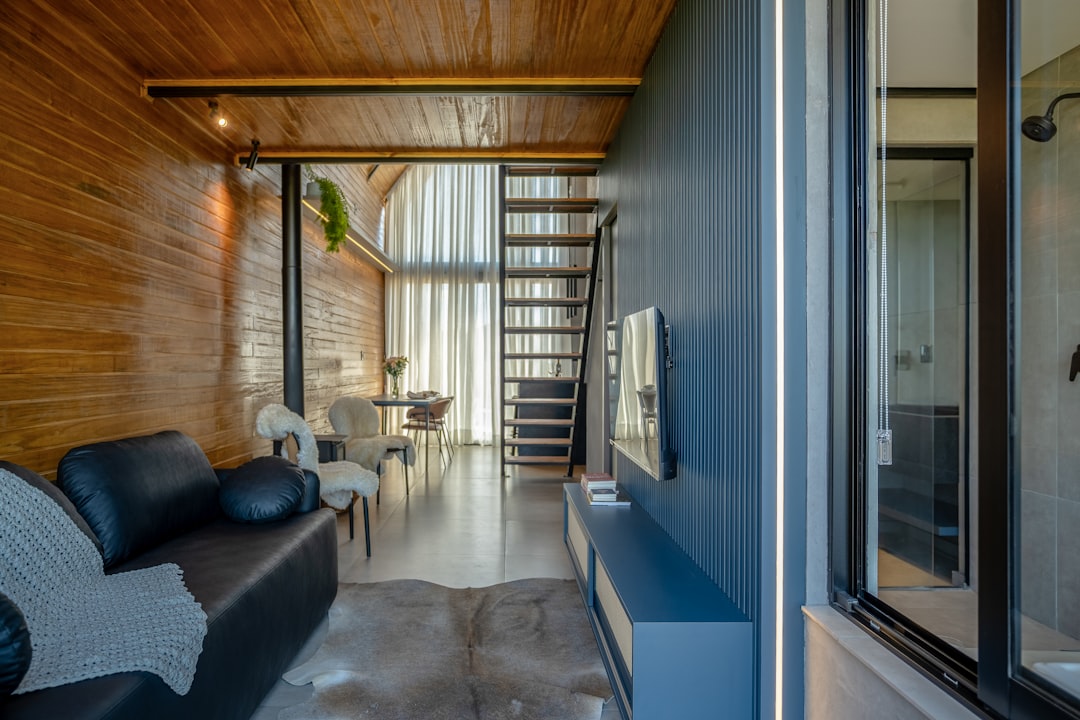
Reclaimed timber panels, sourced from old buildings, pallets, or industrial structures, create distinctive feature walls with authentic texture and warmth. Pre-finished panel systems make installation straightforward, and the irregular tones and grain patterns of reclaimed wood add visual richness that manufactured products struggle to match.
Recycled Glass Tiles and Surfaces
Tiles made from recycled glass bottles and industrial glass waste are available for wall applications. They come in a range of colours and finishes, from translucent mosaic tiles to solid surface panels. The embedded colour variations and occasional inclusions give recycled glass a unique aesthetic quality.
Natural and Recycled-Content Wallcoverings
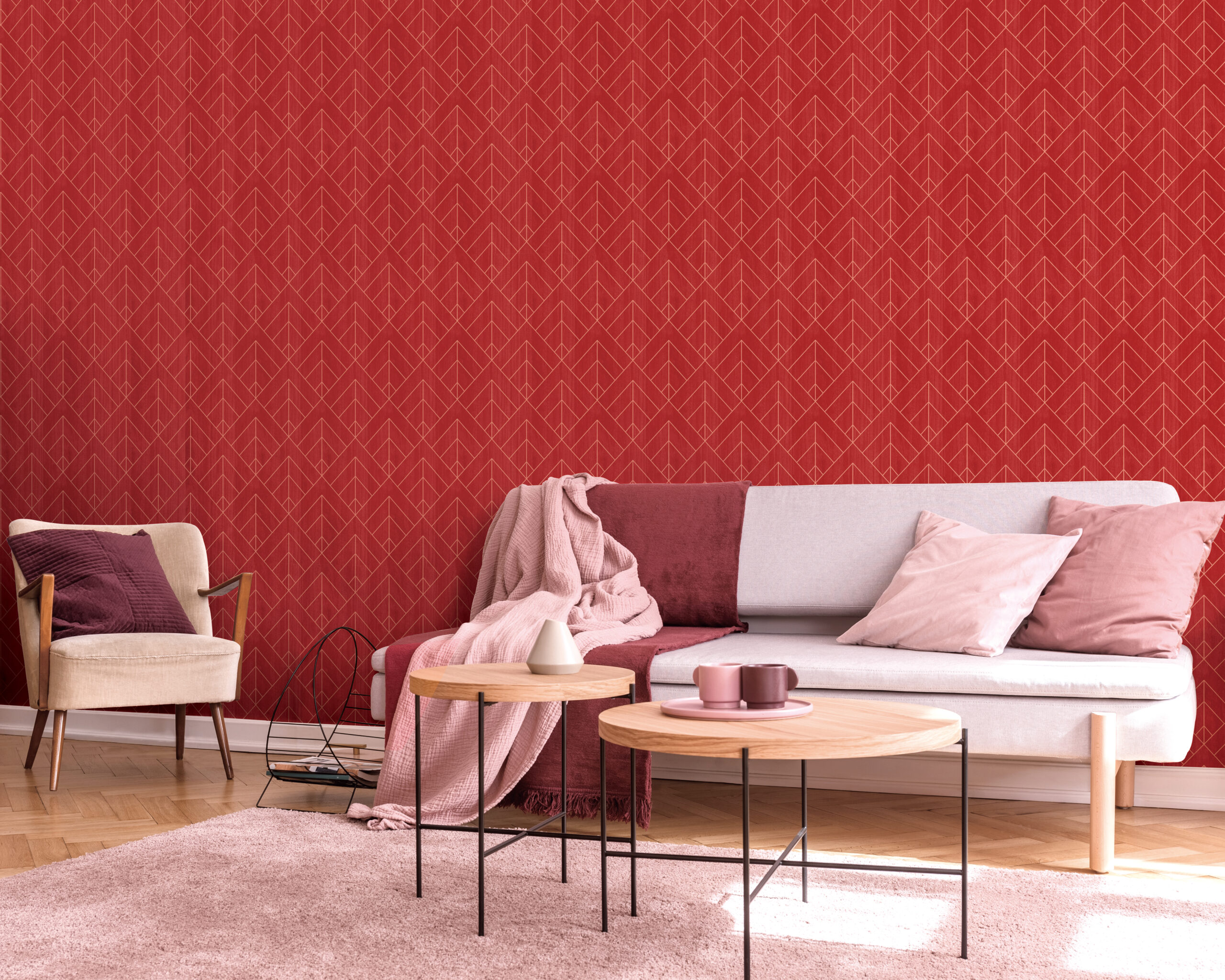
Wallcovering manufacturers are incorporating recycled and bio-based content into their products. Non-woven wallpapers with recycled polyester backing, grasscloth wallcoverings using sustainably harvested natural fibres, and printed wallpapers using water-based inks all represent steps towards more sustainable wall finishes.
Upcycled Fabrics and Textiles
The textile industry is one of the world’s largest polluters, making upcycled fabric an area of significant environmental impact. Interior fabrics made from waste materials are now commercially available and performance-competitive.
- Recycled polyester upholstery fabric made from post-consumer PET bottles
- Recycled nylon drapery fabric derived from fishing net reclamation programmes
- Fabrics woven from upcycled cotton waste, including pre-consumer manufacturing offcuts
- Blended fabrics that combine recycled synthetic fibres with natural materials like organic cotton or linen
These fabrics meet commercial performance standards for abrasion resistance, colour fastness, and fire safety. The days when sustainable fabrics meant compromising on performance or aesthetics are firmly behind us.
Incorporating Upcycled Materials in Singapore Projects
For architects and designers working in Singapore, several practical considerations apply when specifying upcycled interior materials.
Certification and documentation are essential. Verify recycled content claims through third-party certifications such as Global Recycled Standard (GRS) or Recycled Claim Standard (RCS). These certifications provide credible evidence for green building submissions and client reporting.
Supply chain reliability requires attention. Some upcycled materials have less predictable supply chains than conventional products. Confirm lead times and availability before committing to a specification, and identify backup options if the primary product encounters supply issues.
Performance verification should not be relaxed. Upcycled origin does not exempt a product from meeting the performance requirements of its application. Flooring must still meet slip resistance, wear, and emission standards. Fabrics must still pass fire safety and abrasion testing. Always request and review test reports.
Cost considerations vary. Some upcycled products carry a premium due to more complex sourcing and manufacturing. Others, particularly carpet tiles with recycled content, are priced competitively with conventional alternatives. Evaluate on a product-by-product basis rather than assuming a blanket premium.
Final Thoughts
Upcycled interior materials offer a meaningful pathway to more sustainable design without sacrificing performance or aesthetics. As product availability expands and certifications provide greater transparency, specifying upcycled flooring, wallcoverings, and fabrics is becoming both practical and commercially sound.
Browse our e-catalogue for the latest designs and ask our team about products with recycled and upcycled content for your next project.