Sustainability
Carbon-Neutral Wallcovering Options for Interiors
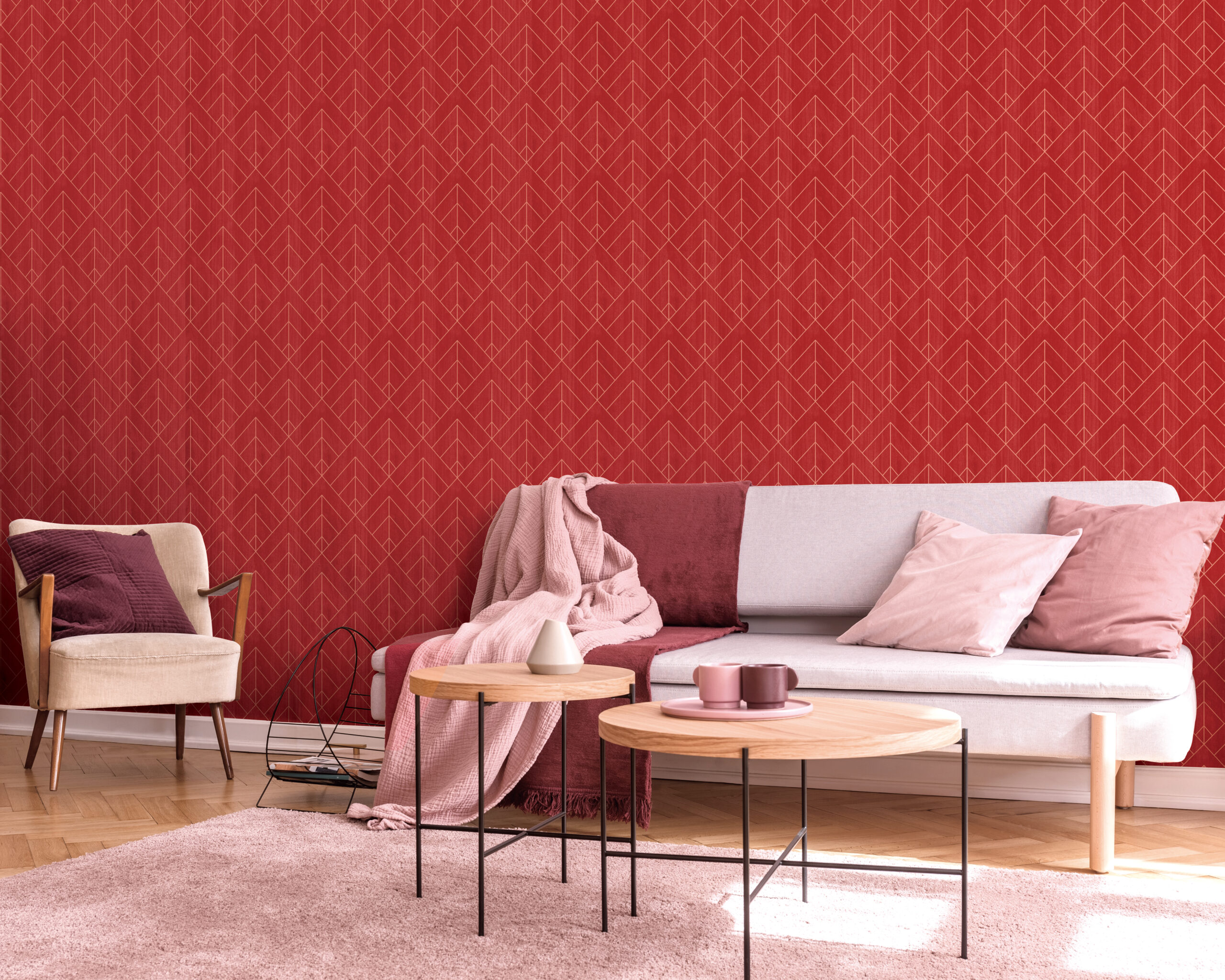
Carbon-neutral wallcovering is emerging as a tangible goal for manufacturers and specifiers committed to reducing the environmental impact of interior finishes. As embodied carbon gains prominence in green building certification and corporate sustainability reporting, wallcoverings — one of the most widely used interior materials — are rightly coming under scrutiny.
This guide explains what carbon neutrality means in the context of wallcoverings, the strategies manufacturers use to achieve it, and how specifiers in Singapore can evaluate and select genuinely lower-carbon products.
What Does Carbon-Neutral Wallcovering Mean?
A carbon-neutral wallcovering is one where the total greenhouse gas emissions associated with its lifecycle — from raw material extraction through manufacturing, transport, installation, use, and end-of-life — are balanced to zero through a combination of emission reduction and carbon offsetting.
True carbon neutrality is achieved through a hierarchy of actions. First, reduce emissions at every stage where possible. Then, offset any remaining emissions through verified carbon offset programmes such as reforestation, renewable energy projects, or methane capture.
It is important to distinguish between products that have genuinely reduced their carbon footprint and those that rely entirely on offsetting without meaningful process improvements. The most credible carbon-neutral claims combine real reductions in manufacturing emissions with offsets for the remainder.
How Wallcovering Manufacturers Reduce Carbon
Manufacturers pursuing carbon neutrality for their wallcovering ranges typically focus on several key areas.
Raw Material Sourcing
Substituting virgin petroleum-derived materials with recycled content or bio-based alternatives reduces the carbon intensity of raw material acquisition. FSC-certified paper substrates, recycled PVC, and plant-derived plasticisers all lower the product’s upstream carbon footprint.
Manufacturing Energy
Factory energy consumption is often the largest single contributor to a wallcovering’s embodied carbon. Transitioning to renewable energy sources — solar, wind, or purchased renewable electricity certificates — reduces manufacturing emissions substantially. Some leading manufacturers have achieved 100 per cent renewable energy for their production facilities.
Printing and Finishing
Water-based inks replace solvent-based alternatives, reducing both VOC emissions and carbon output. Digital printing technology uses less ink and energy than traditional rotary printing methods, further lowering the per-unit carbon footprint.
Packaging and Transport
Lightweight packaging from recycled materials reduces both transport weight and disposal impact. Optimised logistics — consolidating shipments, selecting efficient routes, using lower-emission transport modes — address the carbon cost of moving product from factory to project site.
Evaluating Carbon-Neutral Claims
Not all carbon-neutral claims carry equal weight. Specifiers should apply critical evaluation to ensure the products they select represent genuine environmental progress.
What to Look For
- Third-party verification: Carbon-neutral claims should be verified by an independent body such as the Carbon Trust, Climate Active, or equivalent certification programme. Self-declared claims without external audit are less reliable.
- Environmental Product Declaration (EPD): An EPD based on life cycle assessment data provides transparent, verified emission figures. This allows specifiers to compare products on objective terms.
- Reduction before offsetting: Credible manufacturers demonstrate measurable emission reductions in their operations before using offsets for the remaining balance. A product that offsets 100 per cent of its emissions without any manufacturing improvements is less convincing.
- Offset quality: Carbon offsets vary in credibility. Gold Standard and Verified Carbon Standard (VCS) projects are among the most rigorous. Specifiers should ask which offset programme the manufacturer uses and whether credits are retired (permanently claimed) rather than traded.
Red Flags
- Vague claims of being “eco-friendly” or “green” without specific data
- No third-party verification or certification
- Offsetting from unknown or unverified projects
- No published EPD or lifecycle carbon data
Carbon-Neutral Wallcovering Types Available Today
Several wallcovering categories are progressing toward or have achieved carbon-neutral status.
Non-Woven Wallcoverings
Non-woven wallcoverings use a blend of natural and synthetic fibres as their substrate. When the natural fibre component comes from sustainably managed forests and the synthetic component incorporates recycled polyester, the overall carbon footprint decreases substantially. Several European manufacturers now offer carbon-neutral non-woven ranges.
Paper-Based Wallcoverings
Traditional paper wallcoverings from FSC-certified sources have inherently lower embodied carbon than PVC-based products. When printed with water-based inks and manufactured using renewable energy, these products can achieve carbon neutrality with minimal offsetting.
Textile Wallcoverings
Fabric-faced wallcoverings using organic cotton, linen, or recycled polyester face layers on recycled paper or non-woven backings offer a premium aesthetic with a reduced carbon profile. These products are particularly suited to hospitality and high-end residential projects where tactile quality is paramount.
Vinyl Wallcoverings with Reduced Carbon
While vinyl (PVC) wallcoverings have a higher baseline carbon footprint than paper or non-woven alternatives, manufacturers are reducing this through recycled PVC content, bio-based plasticisers, and renewable manufacturing energy. Full carbon neutrality for vinyl wallcoverings typically requires a larger offsetting component, but credible programmes exist.
Implications for Singapore Green Building Projects
Singapore’s Green Mark certification framework awards credits for materials with documented environmental performance. Specifying carbon-neutral wallcoverings — supported by EPDs and third-party verification — contributes to these credits and strengthens the project’s overall sustainability profile.
For corporate fit-outs, carbon-neutral interior finishes align with ESG reporting requirements and demonstrate tangible commitment to net-zero goals. As more Singapore organisations adopt science-based carbon targets, the demand for verified low-carbon materials will continue to grow.
Specifiers should engage with material suppliers early in the design process to identify carbon-neutral options that meet both environmental and performance requirements for the project.
Final Thoughts
Carbon-neutral wallcovering is a meaningful step toward lower-impact interior design. The most credible products combine real manufacturing emission reductions with verified offsets, supported by transparent EPD data and third-party certification.
For Singapore projects pursuing sustainability credentials, specifying these products is a practical, auditable way to reduce the embodied carbon of interior finishes while maintaining the aesthetic quality clients expect.
Book an appointment with our design consultants to explore sustainable wallcovering options for your project.