Fabric & Upholstery
Tweed Fabric for Modern Upholstery: A Complete Guide
Tweed fabric upholstery is experiencing a resurgence in contemporary interiors, moving far beyond its associations with country estates and vintage tailoring. For Singapore designers and homeowners seeking texture, warmth and visual depth in furniture, modern tweed offers a compelling alternative to the smooth, uniform surfaces that have dominated upholstery trends in recent years.
This guide examines why tweed works in tropical interiors, the types available for upholstery, and how to specify and maintain it for lasting performance.
Why Tweed Works in Modern Interiors
Tweed’s defining characteristic is its textured, multicoloured weave. Unlike plain or solid-colour fabrics, tweed incorporates multiple yarn colours and weights into a single cloth, creating a surface that shifts subtly with light and viewing angle. This inherent visual complexity makes tweed furniture pieces look richer and more considered than those upholstered in flat, uniform fabrics.
In modern interiors, tweed serves as a tactile counterpoint to the clean lines and smooth surfaces of contemporary furniture. A tweed-upholstered armchair beside a glass-topped side table and a polished concrete floor introduces warmth without clutter — texture doing the work that accessories might otherwise need to do.
The fabric’s flecked, heathered appearance also makes it forgiving of minor soiling and wear. In high-use settings such as family living rooms and commercial lounges, this practical advantage is as valuable as the aesthetic one.
Types of Tweed Suitable for Upholstery
Herringbone Tweed
Herringbone is the most recognisable tweed pattern — a V-shaped weaving arrangement that creates a zigzag effect. Modern herringbone tweeds in muted grey, navy or taupe tones suit contemporary furniture beautifully. The pattern adds visual interest without being busy, making it appropriate for larger upholstered pieces such as sofas and sectionals.
Houndstooth Tweed
Houndstooth features a distinctive checked pattern formed by broken twill weaving. Scaled up, it creates a bold graphic statement; scaled down, it reads as subtle texture from a distance. Houndstooth tweed works well on accent chairs, ottomans and dining chair seats where a touch of pattern enlivens the piece.
Donegal Tweed
Donegal tweed is characterised by colourful neps — small flecks of contrasting colour scattered across a plain-weave base. The effect is organic and artisanal. Donegal-style upholstery fabrics in neutral bases with jewel-toned neps (emerald, amber, burgundy) bring warmth and character to Scandinavian and mid-century modern interiors.
Bouclé Tweed
Bouclé uses looped yarns that create a nubbly, almost three-dimensional surface. While technically a distinct weave category, bouclé tweeds blend the textural appeal of both fabrics. They are exceptionally popular for statement chairs and sofas, offering a luxurious tactile quality that invites touch.
Performance Considerations for Singapore
Traditional wool tweed is warm, hardwearing and naturally stain-resistant thanks to lanolin. However, pure wool can feel heavy in Singapore’s tropical climate, and its moisture-absorbing properties may not suit non-air-conditioned spaces.
Modern upholstery tweeds address this through blended fibres:
| Fibre Blend | Benefits | Best Use |
|---|---|---|
| Wool-polyester | Retains wool texture with improved colour retention | Air-conditioned living rooms |
| Cotton-polyester tweed | Lighter weight, breathable, affordable | Casual furniture, dining chairs |
| Polyester-acrylic tweed | Fully synthetic, colour-fast, easy care | Commercial seating, high-traffic areas |
| Recycled fibre tweed | Sustainable, often GRS-certified | Eco-conscious residential and commercial projects |
For Singapore’s climate, a polyester-dominant tweed blend offers the best balance of appearance, durability and comfort. These fabrics resist humidity-related issues such as mildew and fibre swelling while maintaining the textured look of natural tweed.
When specifying tweed for upholstery, check the Martindale abrasion rating. Residential upholstery should achieve at least 15,000 rubs; commercial seating requires 30,000 rubs or higher. Quality upholstery fabric from reputable suppliers meets or exceeds these thresholds.
Styling Tweed Upholstery in Your Space
Tweed’s versatility allows it to anchor a room or play a supporting role, depending on the application:
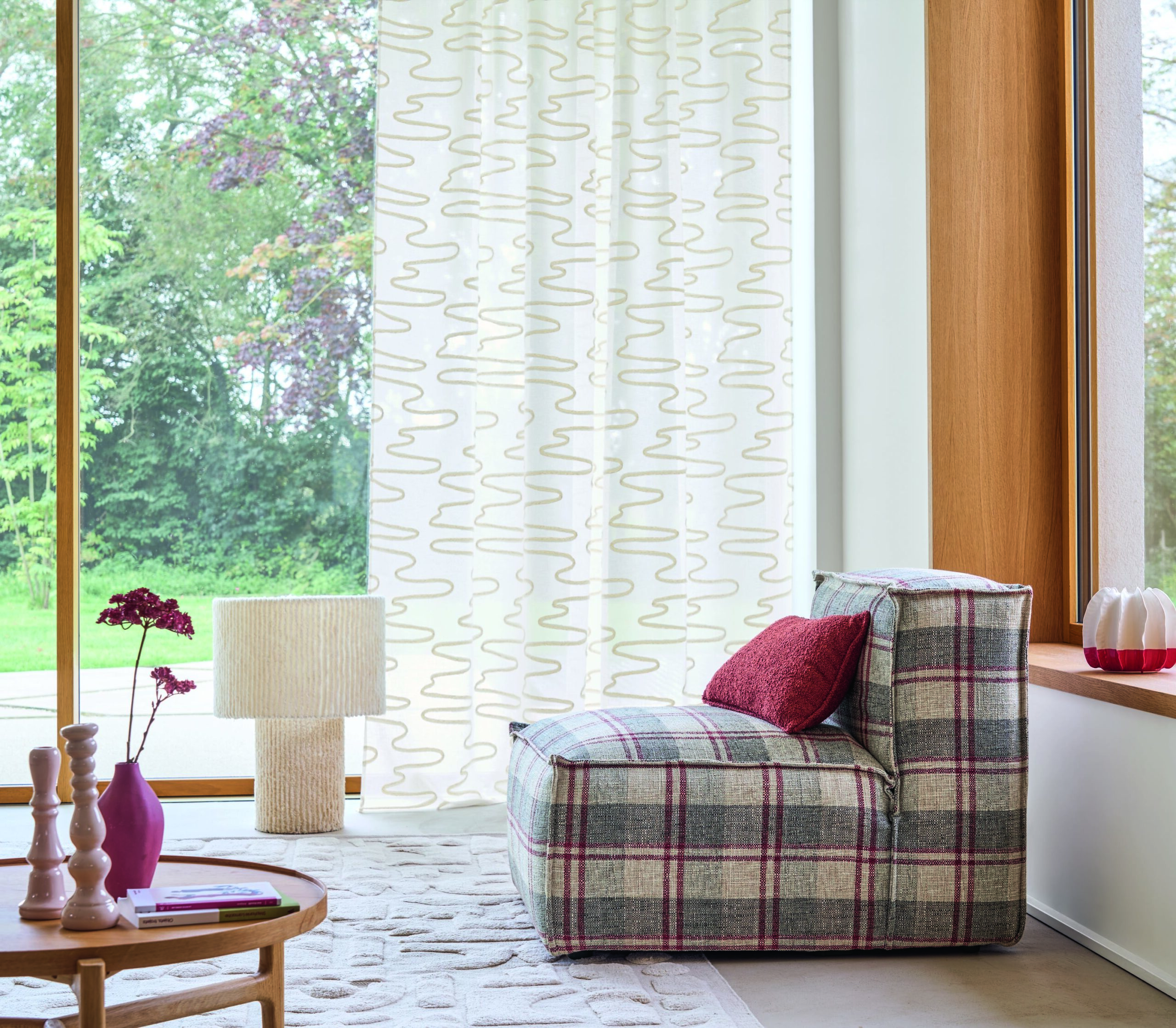
- Statement armchair: A single tweed accent chair in a predominantly minimal room becomes the focal point. Choose a distinctive pattern — bold houndstooth or colourful Donegal — and keep surrounding fabrics plain.
- Full sofa: A tweed sofa in neutral herringbone grounds a living room with quiet sophistication. It pairs well with patterned cushions, as the textured base absorbs visual complexity without competing.
- Dining chairs: Tweed seat upholstery on timber-framed dining chairs adds warmth to dining areas. The fabric’s natural stain-hiding ability is a bonus in this high-spill zone.
- Headboard: A tweed-upholstered headboard brings hotel-like refinement to bedrooms. The tactile quality adds comfort, and the flecked surface disguises any marks from leaning.
- Commercial seating: Tweed upholstery in hotel lobbies, club lounges and executive offices projects tradition and quality. Its durability handles the volume of commercial use while ageing gracefully.
Colour coordination with tweed is forgiving because the fabric already contains multiple tones. Pull any secondary colour from the weave for cushions, curtains or rugs, and the scheme will feel unified.
Caring for Tweed Upholstery in Tropical Conditions
Maintaining tweed upholstery in Singapore requires attention to humidity and regular cleaning:
- Vacuum weekly with an upholstery attachment to remove dust and prevent it embedding in the textured surface.
- Blot spills immediately with a clean, dry cloth. Avoid rubbing, which can push liquid deeper into the weave.
- Professional cleaning annually is recommended for heavily used pieces, particularly in households with children or pets.
- Control humidity in rooms with tweed furniture. Air-conditioning or a dehumidifier prevents moisture from encouraging mildew in tightly woven fabric.
- Rotate cushions regularly to distribute wear evenly and prevent permanent indentations.
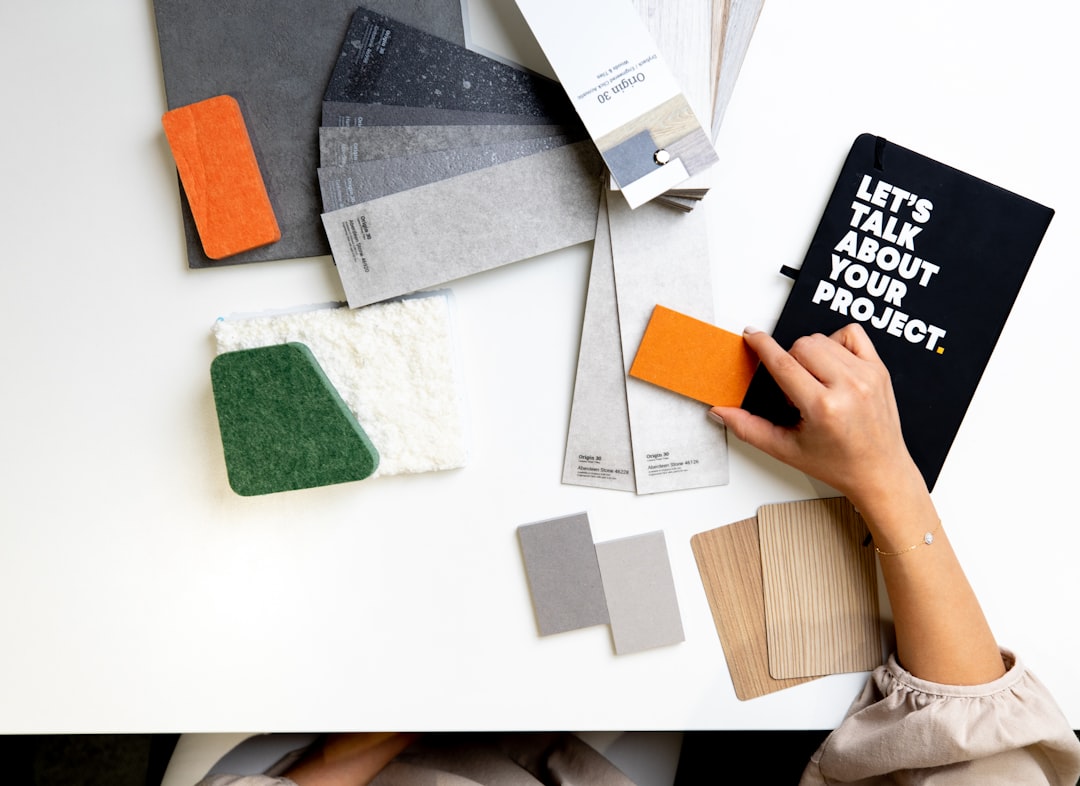
For projects requiring specific fabric performance or colourway matching, requesting samples allows you to test texture, drape and colour accuracy before committing to a full order.
Final Thoughts
Tweed fabric upholstery brings a layer of textural richness that smooth fabrics simply cannot replicate. Modern blends make it practical for Singapore’s climate, and its inherent visual complexity means even a single tweed piece can elevate an entire room.
Whether specified for a residential accent chair or a commercial lounge, tweed remains one of the most characterful and hardwearing upholstery choices available.
Book an appointment with our design consultants to explore tweed and other textured upholstery fabrics for your project.