Commercial Interiors
Window Treatments for Commercial Spaces: A Specifier’s Guide
Window treatments for commercial spaces must satisfy a demanding set of requirements that go well beyond residential needs. In offices, hotels, healthcare facilities and retail environments, window coverings must control light, manage heat, ensure privacy, meet fire safety codes and contribute to the overall design vision, all while standing up to heavy daily use. This guide helps specifiers navigate those requirements with confidence.
Performance Criteria for Commercial Window Treatments
Before selecting a product, establish the performance criteria that matter most for the project. The following factors should guide every specification decision:
Light Control
Different zones within a commercial building need different levels of light management. Open-plan offices require glare reduction without total darkness. Presentation rooms and AV suites need full blackout capability. Hotel guest rooms demand both sheer and blockout layers for daytime privacy and nighttime sleep. Define the light control requirement for each zone before selecting products.
Solar Heat Gain
In Singapore, solar heat gain through glazing is one of the largest contributors to cooling loads. Window treatments with reflective backings or low solar heat gain coefficients (SHGC) reduce the amount of thermal energy entering the building. This directly impacts energy costs and is increasingly relevant for Green Mark and other sustainability certifications.
Fire Safety
Commercial window treatment fabrics must comply with fire safety regulations. In Singapore, fabrics used in commercial interiors are typically required to meet standards such as BS 5867 (UK) or NFPA 701 (US) for flame retardancy. Always verify that specified fabrics carry the appropriate certification and retain documentation for building compliance records.
Acoustic Performance
Heavy drapery and certain blind fabrics contribute to acoustic absorption, reducing reverberation in large open spaces. This is particularly valuable in hotel lobbies, conference centres, open-plan offices and restaurants where noise control improves occupant comfort.
Window Treatment Types for Commercial Projects
Roller Blinds
The workhorse of commercial window treatments. Roller blinds are specified in the vast majority of Singapore office buildings because they are efficient, cost-effective and easy to maintain at scale. For commercial projects, motorised roller blinds integrated with building management systems provide automated light and heat control across entire floor plates.
Drapery and Curtains
Commercial drapery brings softness, texture and acoustic benefits that blinds alone cannot deliver. Hotels, restaurants, function rooms and premium offices use drapery to create a more refined, layered aesthetic. Specify fabrics that are fire-rated, fade-resistant and suitable for commercial laundering or dry cleaning.
Motorised curtain tracks are standard in large-scale hospitality projects, enabling staff to manage window treatments across multiple rooms efficiently.
Venetian Blinds
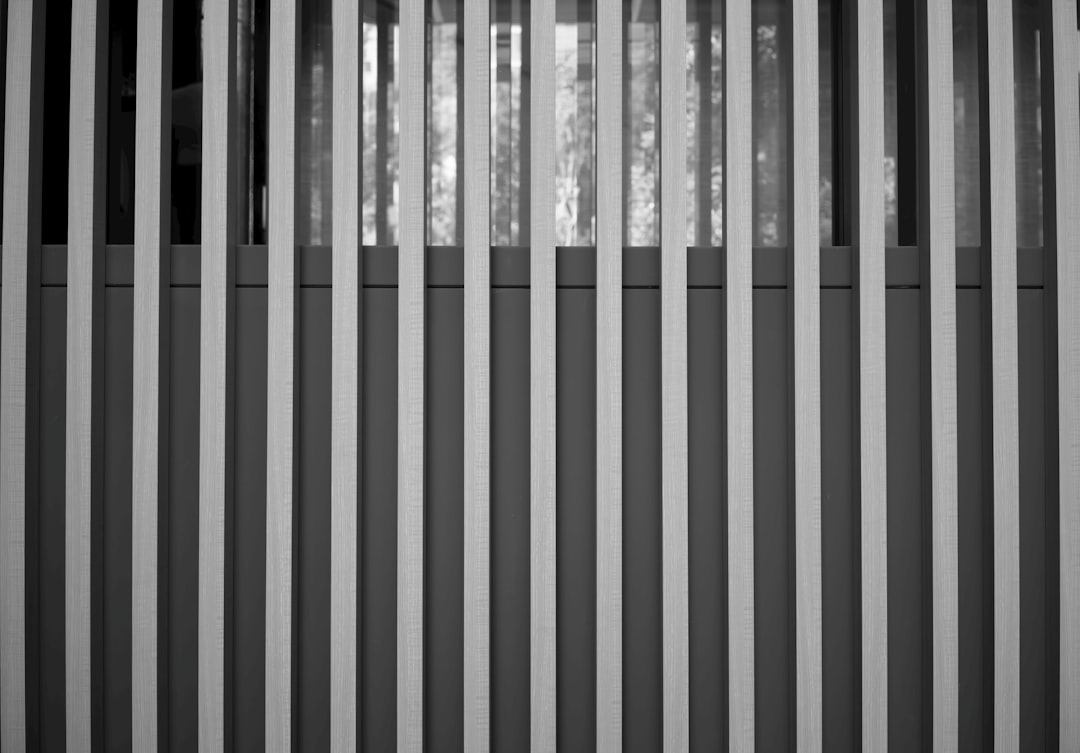
Aluminium venetian blinds are common in office buildings where precise, adjustable light control is needed. They are durable, fire-resistant and available in a wide range of finishes. For high-end commercial interiors, timber or faux-timber venetian blinds offer a warmer aesthetic.
Panel and Sliding Blinds
Panel blinds suit large glazed facades and floor-to-ceiling windows. Their broad fabric panels create a clean, architectural look that complements modern commercial design. They can also be used as room dividers in flexible workspaces and event venues.
External Shading
While this guide focuses on interior treatments, external shading devices such as louvres, awnings and facade screens work in conjunction with interior blinds to maximise solar control. A combined approach delivers the best performance in Singapore’s intense tropical sun.
Fabric Selection for Commercial Projects
Choosing the right fabric is critical for both performance and longevity. Consider the following when evaluating options:
| Criterion | What to Look For |
|---|---|
| Flame retardancy | BS 5867 Part 2 Type B or NFPA 701 certification |
| Colourfastness | Rating of 5 or above on the blue wool scale for UV resistance |
| Durability | Martindale abrasion rating of 30,000+ for upholstered applications |
| Cleanability | Stain-resistant treatment, machine-washable or suitable for professional cleaning |
| Environmental certification | Oeko-Tex, Greenguard or equivalent low-VOC certification |
For large-scale projects, request fabric samples and conduct a site mock-up to evaluate how the fabric performs under actual lighting conditions. Colours and textures can shift significantly between a sample swatch and a full-width installation.
Sector-Specific Considerations
Offices
Prioritise glare control, energy efficiency and low maintenance. Motorised roller blinds with screen fabric (3-5 percent openness) are the standard specification. Provide blackout blinds in meeting rooms and training rooms.
Hotels and Hospitality
Guest rooms need a dual-layer system: a sheer for daytime privacy and a blackout for sleep. Public areas such as lobbies, restaurants and function rooms benefit from layered drapery that adds warmth, texture and acoustic control. Fabric quality and design are paramount in hospitality, as window treatments contribute directly to the guest experience.
Healthcare
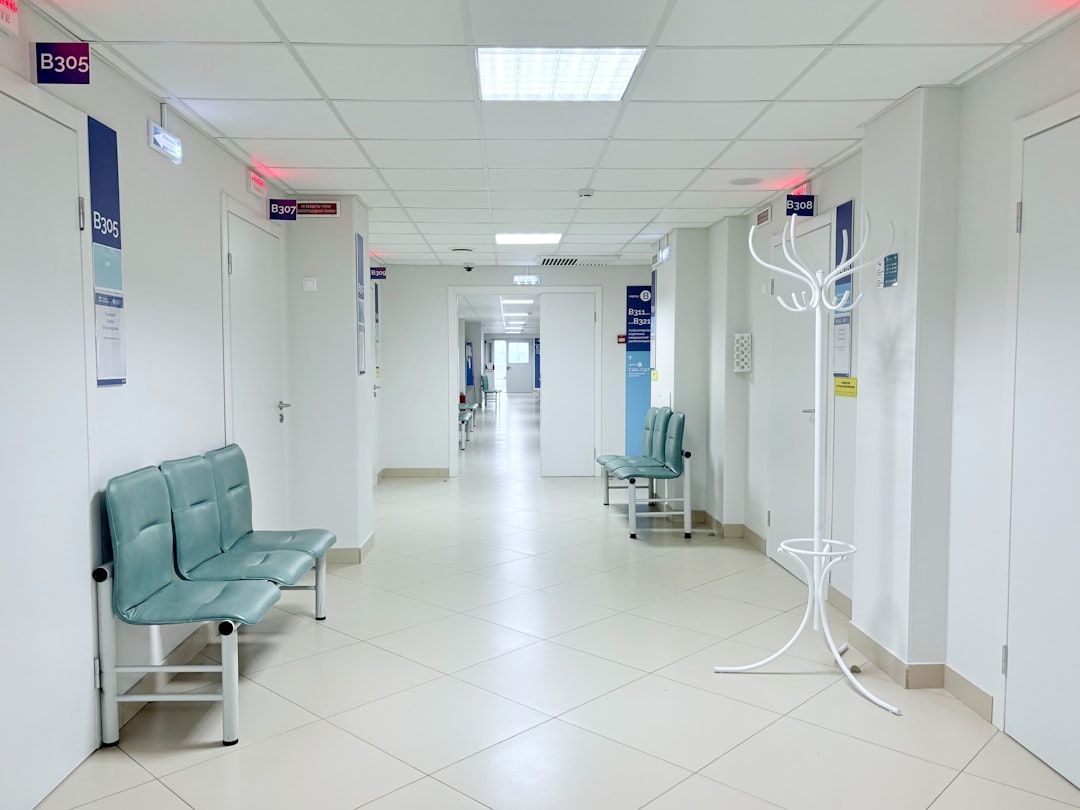
Infection control and ease of cleaning are the primary concerns. Blinds and fabrics must withstand regular cleaning with hospital-grade disinfectants. Antibacterial and antimicrobial treatments are increasingly specified. Privacy is critical in patient areas, requiring full blockout capability.
Retail
Retail window treatments must balance sunlight control with visual merchandising. Excessive sun damages merchandise and creates uncomfortable shopping environments, but complete blockout removes the natural light that enhances product displays. Light-filtering treatments that reduce UV while maintaining brightness are the best compromise.
Specifying for Sustainability
Sustainable specification is increasingly expected in commercial projects. Key strategies include:
- Selecting fabrics with recycled content or made from sustainably sourced fibres.
- Specifying products with low-VOC certifications to maintain indoor air quality.
- Choosing high-performance solar control fabrics that reduce cooling energy consumption.
- Opting for durable products with long lifecycles to minimise replacement waste.
Final Thoughts
Window treatments for commercial spaces are a technical specification that significantly impacts comfort, energy performance, safety and design quality. By understanding the performance criteria, selecting appropriate products for each zone and specifying fabrics that meet commercial standards, you deliver a result that serves the building and its occupants well for years to come.
For project-specific fabric sourcing and technical guidance, get a free quote for your project today and speak with our commercial team.