Fabric & Upholstery
Curtain Length Guide: Floor, Sill and Puddle Styles
Why Curtain Length Matters More Than You Think
Curtain length is one of the most impactful decisions you will make when dressing your windows. The wrong drop can make a room feel unfinished, cluttered or poorly proportioned, while the right length elevates the entire space.
In Singapore homes, where ceiling heights typically range from 2.6 metres in HDB flats to 3 metres or more in condos and landed properties, getting the curtain length right is essential. A few centimetres can mean the difference between polished and sloppy.
This guide covers the main curtain length styles, when to use each one, and how to measure accurately so your drapery hangs exactly as intended.
The Four Standard Curtain Lengths
There are four widely recognised curtain lengths, each suited to different rooms, window types and design goals. Understanding what each looks like and where it works best will help you make a confident choice.
Sill Length
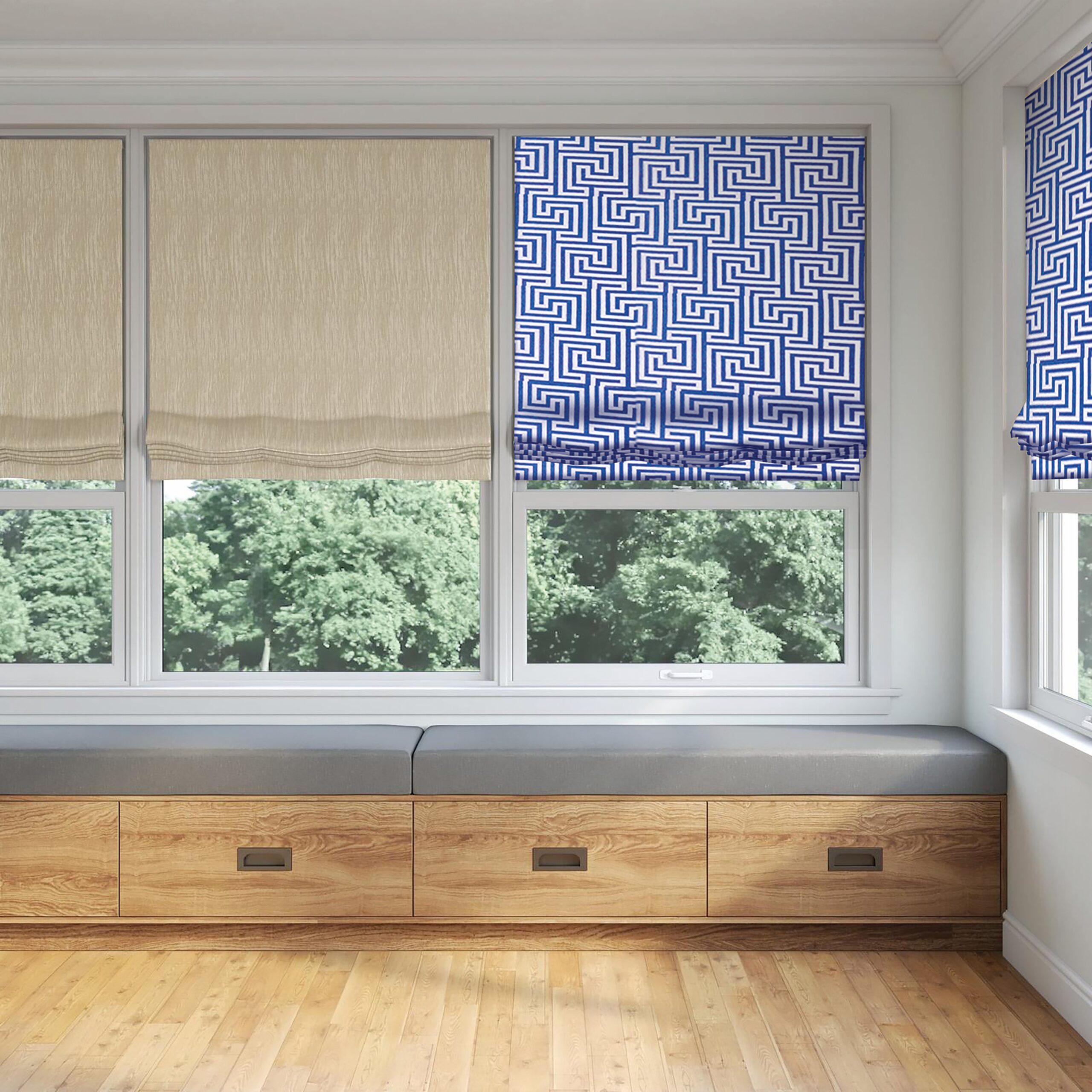
Sill-length curtains end right at the window sill or roughly 1 centimetre above it. This length works well for kitchen windows, bathroom windows and any window that sits above a counter, radiator or piece of furniture.
The main advantage is practicality. Sill-length curtains stay clear of surfaces below, making them easier to maintain and less likely to collect dust or moisture. They are also a sensible choice for children’s rooms where trailing fabric could be a hazard.
Below-Sill (Apron Length)
Apron-length curtains extend 10 to 15 centimetres below the window sill. This length offers slightly more coverage and a more finished appearance than sill-length curtains without the commitment of a full-length drop.
This style suits casual living spaces and bedrooms where the window does not extend close to the floor. It provides better light blocking than sill length while still keeping fabric off the ground.
Floor Length
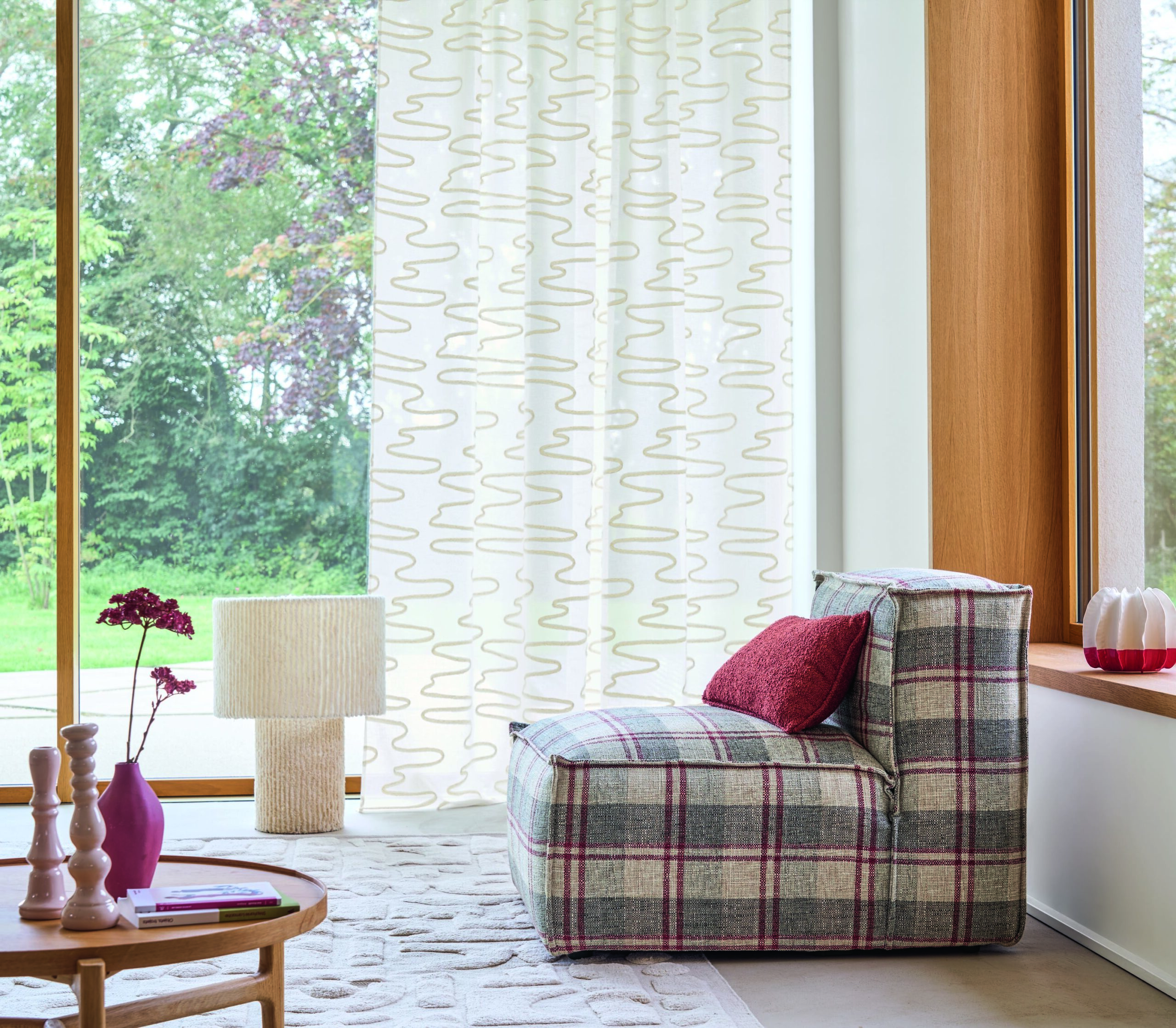
Floor-length curtains are the most popular choice for living rooms, dining rooms and master bedrooms. They end approximately 1 to 2 centimetres above the floor, creating a clean, tailored line without touching the ground.
This length makes rooms appear taller and more elegant. It works with virtually every curtain style, from pinch pleats to S-folds, and suits both HDB flats and landed properties.
Puddle Length
Puddle-length curtains extend 5 to 15 centimetres beyond the floor, creating a pool of fabric at the base. This is the most dramatic and luxurious option, often seen in formal living rooms and master suites.
While visually striking, puddle curtains require more maintenance. They collect dust, are harder to clean and may not be practical in high-traffic areas or homes with young children and pets.
Comparing Curtain Lengths at a Glance
| Length Style | Drop Position | Best Rooms | Maintenance |
|---|---|---|---|
| Sill | At the window sill | Kitchens, bathrooms, children’s rooms | Low |
| Below-sill (apron) | 10-15 cm below sill | Casual living spaces, bedrooms | Low |
| Floor | 1-2 cm above floor | Living rooms, dining rooms, master bedrooms | Moderate |
| Puddle | 5-15 cm on floor | Formal spaces, master suites | High |
How to Measure for the Right Curtain Length
Accurate measurement is the foundation of well-fitted curtains. Even the finest fabric will look wrong if the drop is off. Follow these steps for a precise result.
Step 1: Decide Where the Rod or Track Will Sit
Mount your curtain rod or track 10 to 15 centimetres above the window frame to create the illusion of height. For rooms with lower ceilings, mounting the hardware as close to the ceiling as possible can make the space feel more generous.
Step 2: Measure From the Rod to Your Desired End Point
Use a steel tape measure rather than a fabric one for accuracy. Measure from the bottom of the curtain ring (not the rod itself) to the point where you want the curtain to end. For floor-length curtains, measure to the floor and subtract 1 to 2 centimetres.
Step 3: Measure Multiple Points
Floors in Singapore homes, particularly older HDB flats, are not always perfectly level. Measure at three points across the window: left, centre and right. Use the shortest measurement to avoid curtains that drag on one side.
Step 4: Account for Header Style
Different curtain headers affect the overall drop. Eyelet curtains hang from the top of the ring, while pinch-pleat and S-fold curtains may have fabric extending above the hook point. Factor this into your measurement.
Choosing Curtain Length by Room
Each room in your home has different functional and aesthetic requirements. Here is how to approach curtain length room by room.
Living Room
Floor-length curtains are the standard for Singapore living rooms. They create a sense of proportion and formality without being excessive. If your living room has full-height windows common in newer condos, floor-length drapery accentuates the vertical lines beautifully.
Bedroom
Floor-length or puddle-length curtains both work in bedrooms. Choose heavier, lined fabrics for better light blocking. In HDB bedrooms where windows may be smaller, floor-length curtains with a wider rod create the illusion of a larger window.
Kitchen
Sill-length curtains are the safest and most practical choice for kitchens. They keep fabric away from cooking surfaces and are less likely to absorb cooking odours. In open-concept HDB kitchens, you might skip curtains entirely in favour of blinds.
Children’s Room
Sill or apron length is recommended for safety reasons. Young children may pull on long curtains, and trailing fabric near the floor is a tripping hazard. Choose durable, washable fabrics that can handle regular cleaning.
Dining Room
Floor-length curtains complement formal dining settings, while apron-length curtains suit more casual dining areas. If the dining area is part of an open-concept layout with the living room, match the curtain length to the living room for visual consistency across the connected space.
Guest Room and Study
Floor-length curtains provide a polished look in guest rooms. For studies and home offices, consider the position of your desk relative to the window. If the desk sits near the window, apron-length curtains keep fabric clear of the workspace. If the window is separate from the work area, floor-length curtains maintain a more refined appearance.
Common Curtain Length Mistakes to Avoid
Even with careful planning, certain pitfalls catch homeowners off guard. Here are the most common errors and how to prevent them.
- Too short by a few centimetres: Curtains that hover noticeably above the floor look unfinished. If in doubt, err slightly longer rather than shorter.
- Inconsistent lengths across rooms: Visible rooms on the same floor should have matching curtain lengths for visual cohesion.
- Ignoring fabric weight: Heavier fabrics hang straighter and may need a slightly different drop than lightweight sheers. Always test the hang before finalising.
- Forgetting about hooks and rings: The distance between the rod and the top of the curtain panel varies by header type. Measure from the hook, not the rod.
- Not accounting for shrinkage: Some natural fabrics shrink after washing. Pre-wash or dry-clean before hemming, or add a small allowance.
Getting curtain length right is a detail that pays dividends in the overall look and feel of your home. Whether you prefer the clean precision of floor-length curtains or the relaxed luxury of a puddle, accurate measurement and the right fabric make all the difference.
Browse our drapery collection to find fabrics suited to your preferred curtain style. Book an appointment with our design consultants to discuss the best options for your home.