Sustainability
Bioplastic Interior Materials: The Future of Design
Bioplastic interior materials represent one of the most promising developments in sustainable design, offering a pathway to reduce the construction industry’s dependence on fossil-fuel-derived products. As the technology matures and commercial availability expands, architects and interior designers in Singapore are gaining access to bio-based flooring, wallcoverings, and fabrics that perform comparably to conventional alternatives.
This guide examines where bioplastics stand today, their applications in interior design, and what specifiers should know before adopting them.
What Are Bioplastics?
Bioplastics are polymer materials derived wholly or partially from renewable biological sources such as corn starch, sugarcane, castor oil, or wood cellulose. Unlike conventional plastics produced from petroleum, bioplastics reduce reliance on finite fossil resources and, in some cases, offer lower carbon footprints during production.
It is important to distinguish between two related but different concepts. Bio-based plastics are made from renewable feedstocks but may not be biodegradable. Biodegradable plastics break down under specific conditions but may still be derived from petroleum. Some bioplastics are both bio-based and biodegradable, but this is not automatic.
For interior materials, the primary interest lies in bio-based plastics that offer equivalent durability and performance to petroleum-based products while reducing embodied carbon and fossil resource consumption.
Bioplastic Applications in Interior Materials
Flooring
The flooring industry has made significant progress in incorporating bio-based content. Several manufacturers now produce vinyl flooring where a proportion of the traditional petroleum-based plasticisers is replaced with bio-based alternatives derived from soybean oil or castor oil.
These bio-plasticised vinyl flooring products maintain the waterproof, durable, and dimensionally stable characteristics that make LVT and SPC flooring popular for both residential and commercial use. The bio-based content reduces the product’s fossil carbon footprint without requiring changes to installation methods or maintenance routines.
Fully bio-based flooring options, including tiles made from polylactic acid (PLA) derived from corn starch, are in development but remain limited in commercial availability. As production scales, these products are expected to become viable alternatives for low-to-moderate traffic areas.
Wallcoverings
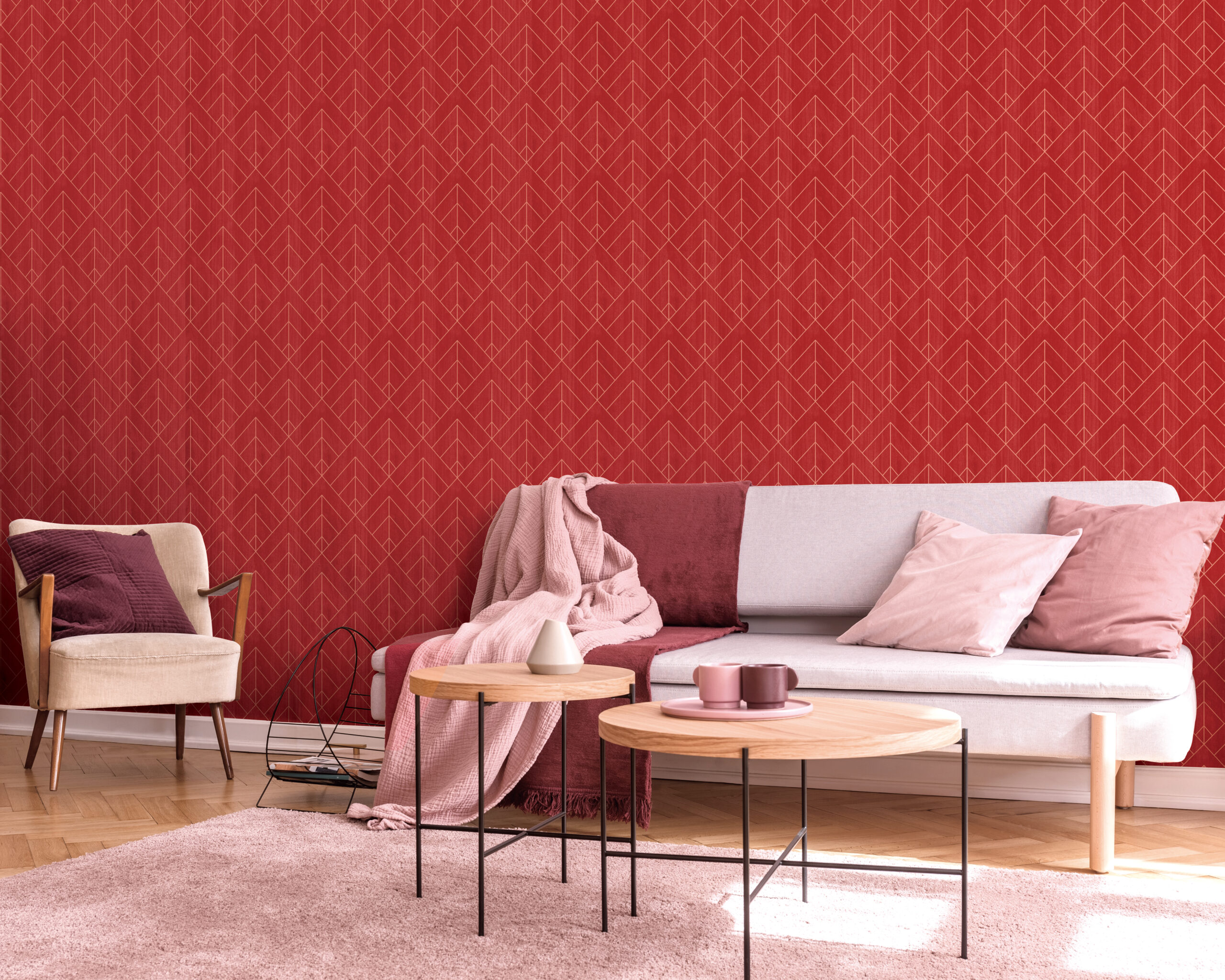
Bio-based wallcovering substrates using cellulose from sustainably managed forests or agricultural waste are emerging as alternatives to PVC-backed products. These substrates can carry printed or textured face layers while offering improved end-of-life recyclability.
Non-woven wallcovering backings made from bio-based fibres also reduce the petroleum content of the finished product. When combined with water-based inks and adhesives, these wallcoverings represent a significantly lower-impact alternative to conventional vinyl wallpapers.
Fabrics and Upholstery
The fabric sector has embraced bioplastics through bio-based polyester and nylon alternatives. Recycled PET from plastic bottles is already common, but the next generation includes polyester derived directly from plant sugars rather than petroleum.
Bio-based performance fabrics for upholstery and drapery offer stain resistance, durability, and colorfastness comparable to conventional synthetics. For projects seeking to minimise fossil-fuel dependence across all interior finishes, these fabrics complement bio-based flooring and wallcovering choices.
Performance Considerations for Specifiers
The critical question for any design professional is whether bioplastic materials can match the performance of their conventional counterparts. The answer depends on the specific product and application.
Durability
Bio-plasticised vinyl flooring has been tested to the same commercial wear and impact standards as conventional products. In high-traffic commercial settings, current-generation bio-based flooring performs comparably. However, fully bio-based alternatives such as PLA tiles are not yet suitable for heavy commercial use and are better suited to residential or light commercial applications.
Moisture and Chemical Resistance
Bio-based vinyl flooring retains the waterproof properties essential for Singapore’s humid climate and wet-area applications. Chemical resistance to cleaning agents and disinfectants is comparable to conventional vinyl, making these products suitable for healthcare and food-service environments.
Fire Performance
Fire ratings are a non-negotiable specification for commercial interiors in Singapore. Bio-based interior materials must meet the same fire safety standards as conventional products. Reputable manufacturers test and certify their bio-based ranges to the relevant standards, but specifiers should verify fire certification for each specific product rather than assuming compliance.
Longevity and Maintenance
Maintenance requirements for bio-based interior products are generally identical to conventional equivalents. Factory-applied polyurethane coatings on bio-based vinyl flooring provide the same stain resistance and cleanability. No special cleaning products or procedures are required.
Environmental Benefits and Limitations
The environmental case for bioplastic interior materials rests on several pillars.
- Reduced fossil resource consumption: Replacing petroleum-derived feedstocks with renewable plant sources reduces dependence on finite resources.
- Lower production carbon footprint: Bio-based feedstocks absorb carbon dioxide during growth, partially offsetting manufacturing emissions. Life cycle assessments typically show a net carbon reduction compared to fully petroleum-based equivalents.
- Improved end-of-life options: Some bioplastic materials are more readily recyclable or compostable than conventional plastics, though this depends on local waste-processing infrastructure.
Limitations exist and should be acknowledged. Agricultural feedstocks for bioplastics compete with food production for land and water. The full environmental benefit depends on sustainable farming practices and responsible sourcing. Not all bioplastics are biodegradable, and those that are may require industrial composting facilities not yet widely available in Singapore.
Specifying Bioplastic Materials in Singapore
For Singapore projects, specifying bioplastic interior materials involves several practical steps.
- Verify bio-based content claims: Look for third-party certifications such as USDA BioPreferred, TUV Austria OK Biobased, or equivalent standards that verify the percentage of bio-based content.
- Request Environmental Product Declarations: EPDs provide transparent, verified data on the product’s lifecycle environmental impact, allowing objective comparison with conventional alternatives.
- Confirm fire and safety compliance: Ensure every bioplastic product meets Singapore’s fire safety codes and relevant performance standards for its intended application.
- Assess availability and lead times: Bio-based products may have longer lead times or limited stock compared to conventional ranges. Plan procurement schedules accordingly.
- Engage with knowledgeable suppliers: Work with wallcovering and flooring suppliers who can provide technical guidance on bio-based options and their suitability for your project.
Final Thoughts
Bioplastic interior materials are transitioning from experimental concepts to commercially viable products. While not yet a complete replacement for conventional materials in every application, they offer a meaningful pathway toward lower-carbon interior design that aligns with Singapore’s sustainability goals.
As the range of available products grows and performance data accumulates, bioplastics will become an increasingly standard consideration in responsible material specification.
Browse our e-catalogue for the latest designs and explore sustainable material options for your next project.