Fabric & Upholstery
Best Curtain Fabric for Living Rooms: Drape Guide
Why Curtain Fabric Choice Matters for Your Living Room
The living room is typically the largest and most-used communal space in a Singapore home. It is where you entertain guests, relax with family and often where you make your strongest design statement. The curtains you choose for this room set the tone for the entire space, and the fabric is the most critical element of that choice.
Curtain fabric determines how your curtains drape, how they filter or block light, how they feel to the touch and how they perform over years of daily use. The right fabric enhances your living room’s beauty and functionality. The wrong fabric can look limp, fade quickly or overwhelm a compact space.
Understanding Drape and Weight
Drape refers to how a fabric falls and folds when hung. It is influenced by the fabric’s weight, weave, fibre content and finish. Understanding drape is essential because it dictates the visual character of your curtains.
Fluid drape: Fabrics like silk, rayon and lightweight polyester fall in smooth, flowing lines. They create an elegant, graceful silhouette that suits formal and contemporary living rooms. Fluid fabrics are also excellent for sheers and day curtains.
Structured drape: Heavier fabrics like cotton-linen blends, jacquard and brocade hold their shape more firmly, producing crisp, defined folds. They lend a tailored, substantial look to curtains and work particularly well with pinch pleat or goblet pleat headings.
Soft drape: Mid-weight fabrics like cotton, polyester-cotton blends and chenille fall somewhere between fluid and structured. They create gentle, relaxed folds that feel approachable and suit casual living rooms and family spaces.
Popular Curtain Fabrics Compared
Each fabric type brings its own combination of aesthetics, practicality and performance. Here is how the most popular options compare for living room use in Singapore.
| Fabric | Drape Quality | Light Control | Durability | Maintenance |
|---|---|---|---|---|
| Polyester | Fluid to soft | Good (varies with weave) | Excellent | Easy, machine washable |
| Cotton | Soft, relaxed | Moderate | Good | Moderate, can shrink |
| Linen | Textured, relaxed | Moderate | Good | Professional cleaning recommended |
| Cotton-polyester blend | Soft to structured | Good | Very good | Easy, generally washable |
| Velvet | Heavy, luxurious | Excellent | Very good | Professional cleaning |
| Silk | Fluid, elegant | Low to moderate | Moderate (UV sensitive) | Professional cleaning only |
| Jacquard | Structured, formal | Good to excellent | Very good | Professional cleaning |
| Sheer voile | Very fluid | Light filtering only | Moderate | Easy, machine washable |
Fabric Selection by Living Room Style
Your living room’s design direction should guide your curtain fabric choice. Here are recommendations based on popular interior styles found in Singapore homes.
Modern minimalist: Clean lines and understated elegance call for smooth, fluid fabrics. Polyester or polyester-blend curtains in solid, muted tones drape beautifully without adding visual clutter. A simple wave or ripple fold heading complements this aesthetic perfectly.
Scandinavian-inspired: This hugely popular style in Singapore favours natural materials and soft textures. Linen or linen-blend curtains in neutral, earthy tones bring warmth and organic character to the space. The natural slub and texture of linen add visual interest without patterns.
Contemporary luxe: For living rooms that aim for understated luxury, velvet or jacquard curtains in rich tones create a sumptuous atmosphere. These fabrics hold pinch pleats beautifully and offer excellent light blocking and thermal insulation.
Classic and traditional: Formal living rooms benefit from structured fabrics like damask, brocade or heavyweight cotton. These materials suit traditional pleat headings and pair well with tiebacks and pelmets for a polished, layered look.
Tropical modern: Singapore’s tropical setting inspires interiors that blend indoor and outdoor living. Light, airy fabrics in natural tones create a relaxed, resort-like atmosphere. Cotton and linen in off-white or sandy tones work beautifully in this context.
Light Control and Privacy Considerations
In Singapore’s bright, equatorial climate, controlling sunlight is one of the primary functions of living room curtains. Your fabric choice directly determines how much light passes through.
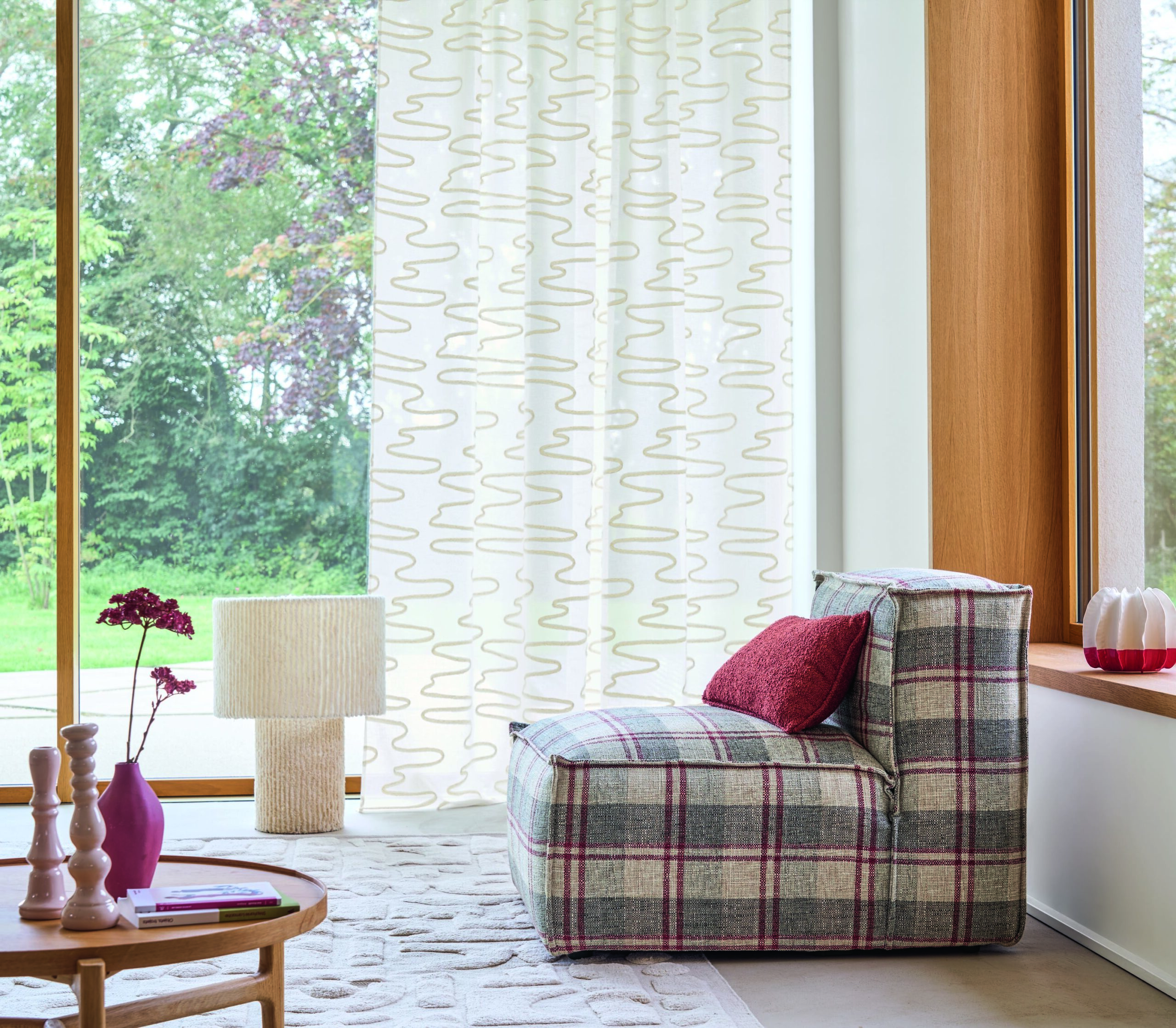
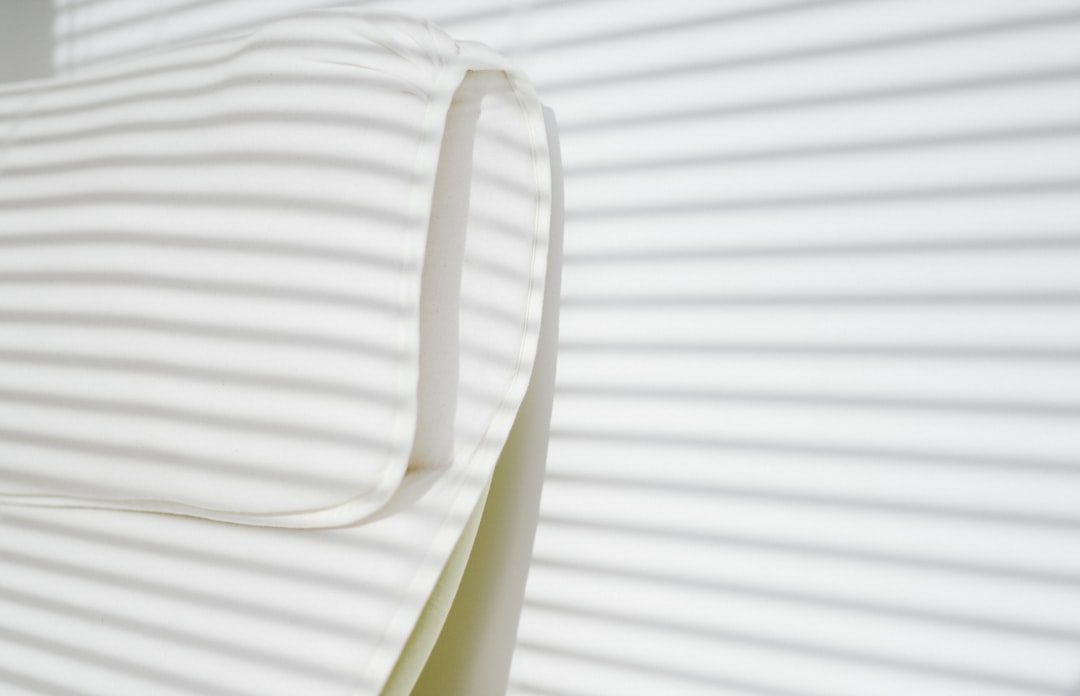
Sheer fabrics filter light beautifully, softening harsh sunlight whilst maintaining views and a sense of openness. They provide daytime privacy but are transparent at night when interior lights are on. Sheers are ideal as a layered treatment paired with heavier curtains.
Light-filtering fabrics like mid-weight cotton, polyester and linen blends diffuse sunlight without fully blocking it. They create a warm, ambient glow in the living room whilst offering reasonable privacy.
Blockout fabrics or standard fabrics with a blockout lining eliminate virtually all incoming light. They are essential for west-facing living rooms that receive intense afternoon sun, and they also reduce heat gain, easing the load on your air conditioning.
Many Singapore homeowners opt for a dual-layer system: a sheer or day curtain for daytime light filtering combined with a heavier drapery fabric for evening privacy and light blocking. This approach offers maximum flexibility and is one of the most practical solutions for our climate.
Practical Factors for Singapore Living Rooms
Several practical considerations are particularly relevant when selecting curtain fabric for Singapore living rooms.
UV resistance: Intense tropical sunlight can cause fabrics to fade and deteriorate. Choose fabrics with high UV resistance or consider adding a lining to protect the face fabric. Polyester and acrylic fabrics generally resist UV degradation better than natural fibres like silk and cotton.
Humidity tolerance: Fabrics must withstand Singapore’s humidity without developing mould or musty odours. Synthetic fabrics and treated blends perform best in this regard. Pure silk and untreated natural fibres are more vulnerable.
Maintenance: Consider how easy the fabric is to clean. In Singapore’s dusty urban environment, curtains accumulate grime quickly. Machine-washable polyester and cotton-polyester blends are practical choices for busy households. Delicate fabrics like silk and velvet require professional cleaning.
Air conditioning: Heavy curtains can trap cold air between the window and the fabric, reducing your air conditioner’s efficiency. In living rooms where the air conditioning unit faces the window, consider how your curtain fabric and fullness affect airflow.
Colour Selection for Living Room Curtains
The colour of your curtain fabric has as much impact as the material itself. In Singapore’s typically bright living rooms, curtain colour influences the room’s mood, perceived temperature and sense of space.
Neutral tones: White, ivory, beige, grey and taupe are the most versatile choices. They complement virtually any interior colour scheme, maximise the sense of light and space, and remain timeless as design trends evolve. Neutral curtains are the safest choice if you plan to change your furniture or wall colours in the future.
Earth tones: Warm browns, terracotta, olive and mustard bring natural warmth and work beautifully with timber furniture and greenery. These colours suit the tropical aesthetic that many Singaporean homeowners embrace.
Cool tones: Blues, greens and blue-greys create a calming, refreshing atmosphere. They pair well with white and grey interiors and can make a warm, sun-drenched living room feel cooler and more restful.
Dark and rich tones: Navy, charcoal, deep green and burgundy create drama and intimacy. They suit larger living rooms with high ceilings but can make compact HDB living rooms feel enclosed. Use them selectively, perhaps on the blockout layer only, with a lighter sheer in front.
Choosing Fabric for Longevity
Living room curtains are a significant investment, and choosing a durable fabric ensures you get years of enjoyment from them. Look for fabrics with high abrasion resistance, good colour fastness ratings and strong seam integrity. Blended fabrics that combine natural and synthetic fibres often offer the best balance of aesthetics and longevity.
Consider also how the fabric will age. Some materials, like linen, develop a beautiful patina over time that adds character to the room. Others, like certain polyesters, maintain their original appearance for years. Neither is inherently better; it depends on whether you prefer a lived-in look or a consistently pristine one.
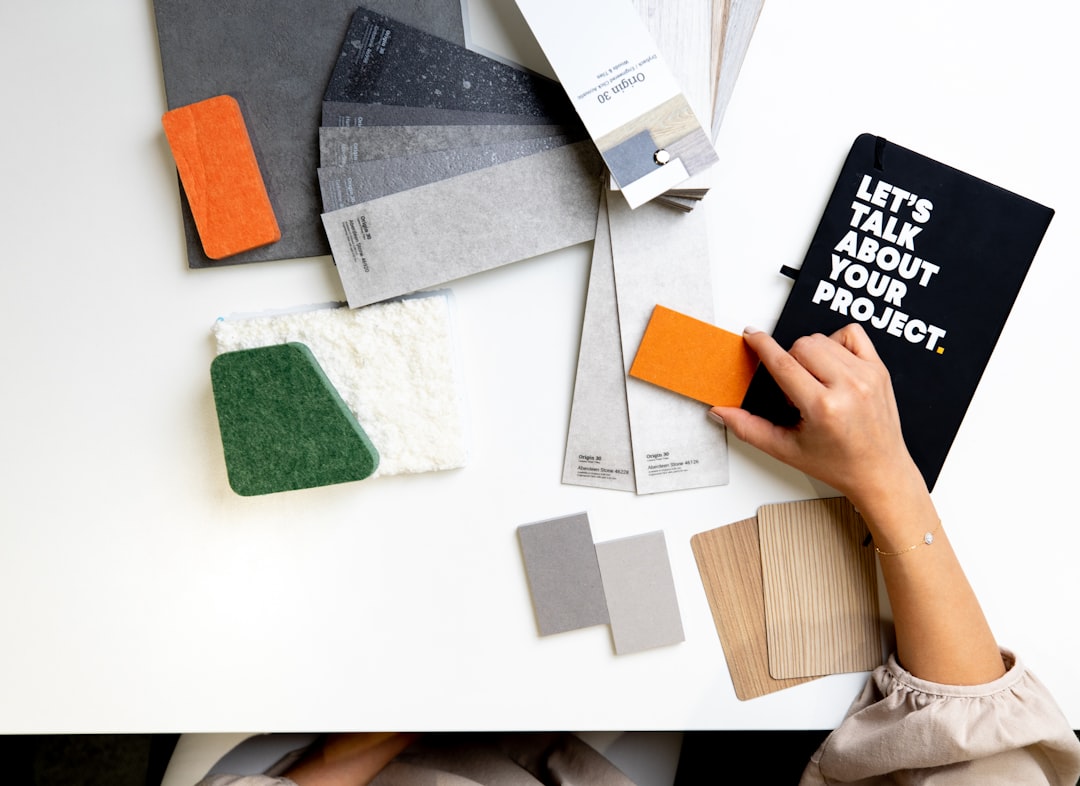
Explore the complete Goodrich fabric collection to compare textures, weights and colours in person.
Request free samples from our Singapore showroom to see how different curtain fabrics look and feel in your own living room before making your decision.