Fabric & Upholstery
Curtain Pelmets in Singapore: Types and Design Ideas
A curtain pelmet Singapore homeowners often overlook can make a significant difference to the finished appearance of any window treatment. Pelmets conceal curtain tracks, mechanisms and the gathered fabric at the top of the curtain, creating a clean, polished look that elevates the entire room.
Beyond aesthetics, pelmets serve practical functions — they block light leakage above the curtain, improve thermal insulation and provide a finishing detail that distinguishes professional installations from basic ones. This guide covers pelmet types, design options and practical considerations for Singapore homes.
What Is a Curtain Pelmet?
A pelmet is a rigid or semi-rigid structure installed above a window to conceal the curtain track, headrail or rod. It spans the full width of the window treatment and typically projects forward enough to cover the depth of the track and the curtain fabric behind it.
Pelmets differ from valances, which are soft fabric treatments that hang from a rod or track. A pelmet has structure — it is typically made from plywood, MDF or a padded board — while a valance is unstructured fabric. Both serve a concealing function, but pelmets offer a more architectural, permanent look.
In Singapore, pelmets are commonly integrated into false ceiling designs or installed as standalone units mounted to the wall or ceiling above the window.
Types of Curtain Pelmets
Box Pelmet (Hard Pelmet)
The box pelmet is the most common type in Singapore homes. It is a simple rectangular structure, usually constructed from plywood or MDF, that creates a clean, straight-edged frame above the window. Box pelmets can be painted to match the ceiling or wall colour, making them virtually invisible.
Box pelmets are frequently incorporated into false ceilings during renovation. When the false ceiling is being built, the contractor creates a recessed channel (sometimes called a curtain cove) that houses the curtain track and conceals the top of the curtain. This integrated approach delivers the cleanest possible result.
Upholstered Pelmet
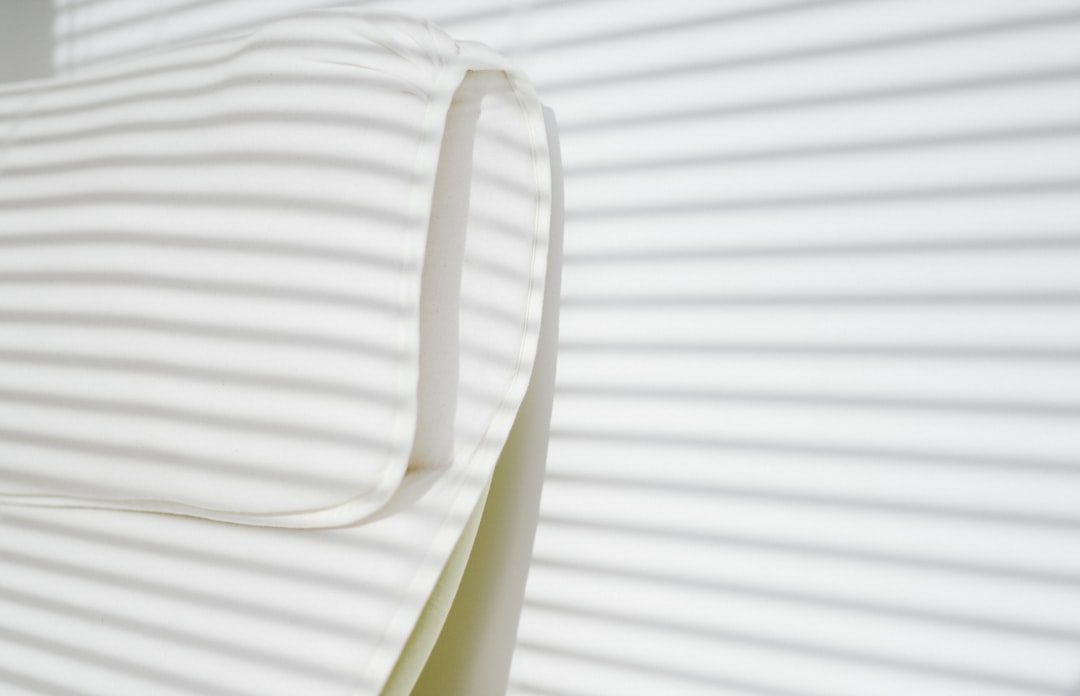
An upholstered pelmet wraps a padded board in fabric, creating a soft, decorative element at the top of the window. The fabric can match the curtains for a coordinated look or contrast for visual interest. Upholstered pelmets add texture, colour and a touch of luxury to the window treatment.
These are popular in bedrooms and formal living areas where a warmer, more decorative look is desired. The padding provides a gentle, rounded profile that softens the hard edges of a box pelmet.
Shaped Pelmet (Contoured)
Shaped pelmets feature a profiled lower edge — scalloped, arched, stepped or custom-cut to a specific design. These decorative pelmets make a design statement and suit traditional, colonial and transitional interiors. The shaped edge adds visual interest and can echo architectural details elsewhere in the room.
Lambrequin
A lambrequin extends the pelmet concept by running down the sides of the window as well as across the top, creating a frame effect. This dramatic treatment is typically upholstered and suits formal rooms with tall windows. Lambrequins are less common in Singapore but can be effective in landed homes with generous proportions.
Curtain Cove (Recessed Pelmet)
A curtain cove is a recessed channel built into the false ceiling, rather than a projecting box. The curtain track sits inside the recess, and the curtains drop directly from the ceiling line. This is the most minimalist option and the preferred choice for contemporary interiors where the curtain hardware should be completely hidden.
Design Considerations
Proportions
A pelmet that is too shallow looks skimpy and fails to conceal the track properly. A pelmet that is too deep overwhelms the window and reduces the visible glass area. As a general guide:
- Pelmet depth (face height) should be approximately one-sixth to one-eighth of the curtain drop length.
- For a standard 2.4-metre curtain drop, the pelmet face should be 300-400mm deep.
- The pelmet should extend 100-150mm beyond each side of the curtain track to prevent side-on visibility of the track edges.
- The pelmet should project forward (depth from wall) at least 100mm beyond the outermost curtain layer to allow fabric to hang freely without touching the pelmet face.
Material and Finish
Box pelmets are typically finished to blend with the ceiling — painted white or the same colour as the surrounding surface. For a more decorative approach, pelmets can be wrapped in wallpaper, painted in a contrasting colour or finished with moulding profiles that add architectural detail.
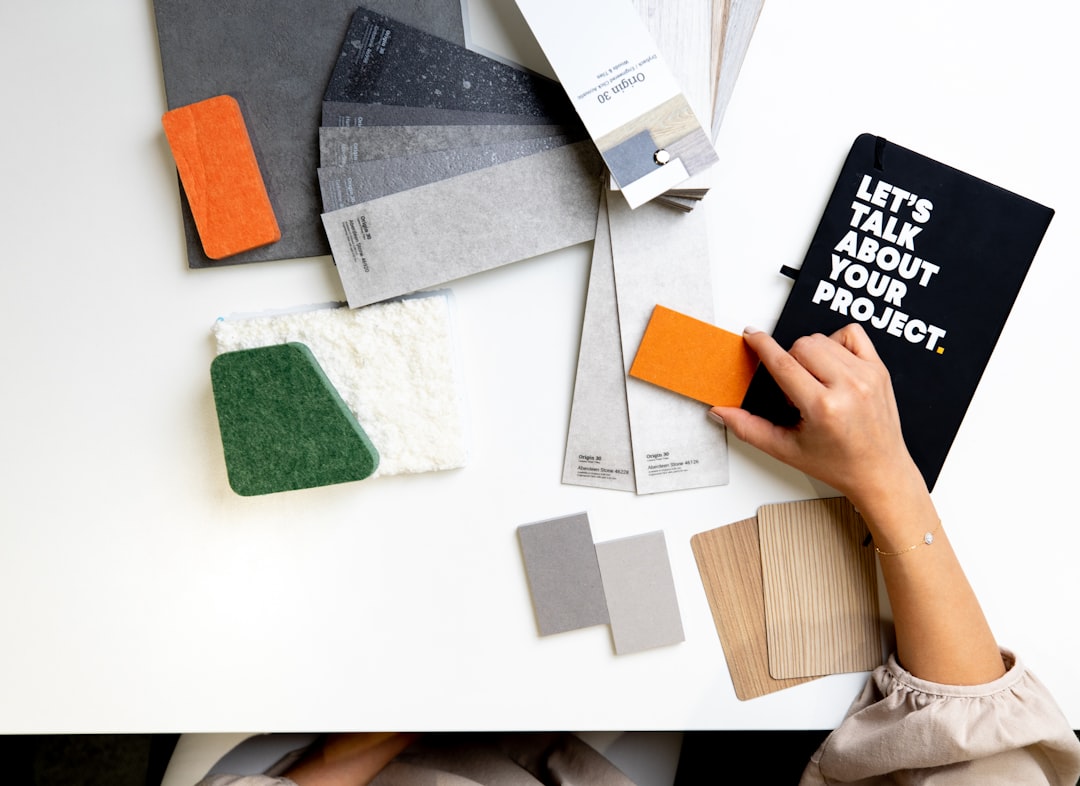
Upholstered pelmets offer the widest range of finishing options. Choose from the same drapery fabrics used for your curtains, or select a complementary fabric to create visual layering at the window.
Lighting Integration
Pelmets provide an excellent opportunity to integrate concealed LED lighting. An LED strip installed on the inner face of the pelmet, pointing toward the curtain, creates a soft wash of light that highlights the fabric texture and adds ambient illumination to the room. This works particularly well with sheer day curtains, which glow beautifully when backlit.
Pelmets for Different Room Types
Living Room
A clean box pelmet or curtain cove is the standard choice for Singapore living rooms. These integrate seamlessly with false ceiling designs and allow the curtain fabric to be the focus. For a more decorative living room, an upholstered pelmet in a coordinating fabric adds warmth and polish.
Bedroom
Pelmets in bedrooms improve blackout performance by sealing the gap above the curtain where light would otherwise enter. An upholstered pelmet in a soft fabric adds to the cocooning, restful atmosphere of the bedroom.
Dining Room
Shaped or upholstered pelmets suit formal dining rooms where the window treatment is a design feature. A scalloped pelmet in a rich fabric can anchor the dining room’s design scheme.
HDB Flats
Many HDB flat owners opt for a curtain cove built into a simple L-shaped false ceiling. This is an efficient, affordable approach that conceals the curtain track while adding a modern ceiling profile to the room. The cove can incorporate downlights for a complete lighting and curtain solution.
Installation and Practical Tips
- Plan early: If your renovation includes a false ceiling, discuss curtain cove placement with your contractor before ceiling work begins. Retrofitting is more costly and may not achieve as clean a finish.
- Coordinate with curtain maker: Your pelmet dimensions must accommodate the curtain track type and the number of curtain layers (day and night). Share pelmet specifications with your curtain supplier to ensure proper fit.
- Access for maintenance: Ensure the pelmet design allows access to the curtain track for future repairs or curtain replacement. Removable pelmet faces or adequate clearance within curtain coves make servicing easier.
- Humidity considerations: In Singapore, MDF and plywood pelmets should be sealed or painted on all surfaces — including hidden faces — to prevent moisture absorption and warping.
Browse Goodrich’s fabric collection for pelmet covering materials that complement your curtain design.
Final Thoughts
A well-designed curtain pelmet transforms a functional window treatment into a finished, architectural feature. Whether you choose a minimalist curtain cove, a clean box pelmet or a decorative upholstered design, this finishing detail elevates the quality of the entire room. Plan your pelmet early in the renovation process and coordinate with both your contractor and curtain supplier for the best results.
Book an appointment with our design consultants to discuss pelmet and curtain solutions for your home.