Fabric & Upholstery
Dimout Curtain Fabric: The Middle Ground for Light Control
Dimout curtain fabric occupies the practical middle ground between sheer curtains that barely filter sunlight and blackout curtains that plunge a room into complete darkness. For Singapore homes and offices where managing intense tropical light without losing all natural ambience is the goal, dimout fabric offers a balanced solution that many homeowners and designers overlook.
This guide explains what dimout fabric is, how it performs compared with other curtain types, and where it works best in Singapore interiors.
What Is Dimout Curtain Fabric
Dimout curtain fabric typically blocks between 70 and 95 per cent of incoming light, depending on the fabric’s construction, colour and weight. It achieves this through densely woven fibres, tighter weave structures or a combination of opaque and semi-opaque layers — without the full light-blocking coating or lining found in blackout curtains.
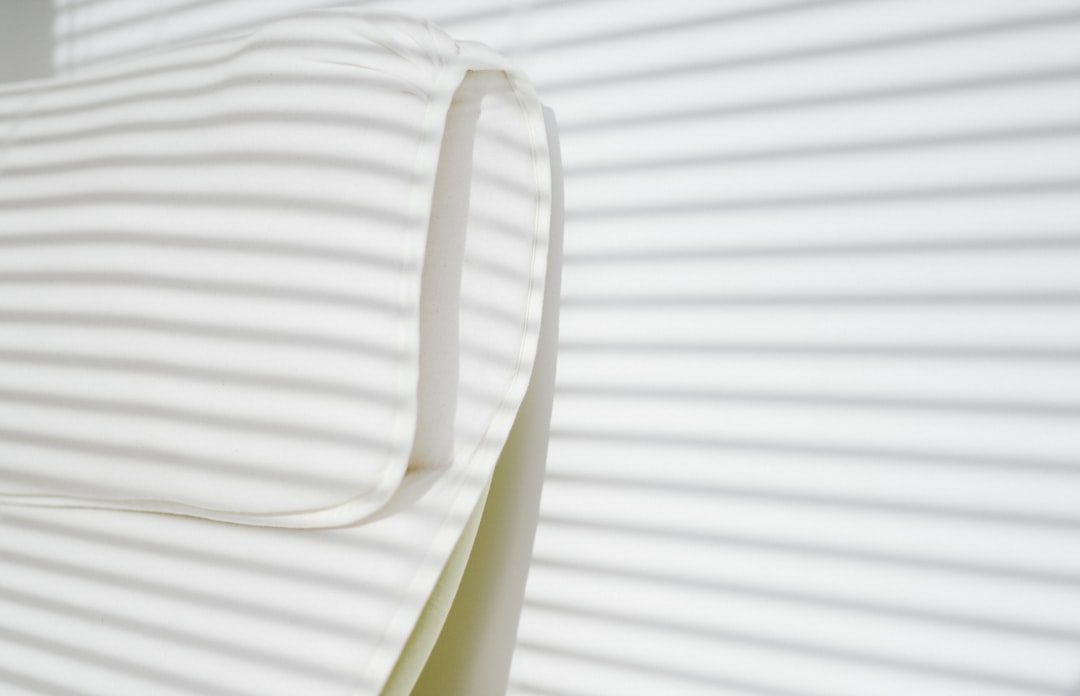
The result is a curtain that significantly reduces glare and heat while allowing a soft, diffused glow to pass through. Rooms behind dimout curtains feel naturally lit rather than artificially dark, maintaining a sense of daytime even with curtains closed.
This distinguishes dimout fabric from blackout curtains, which block 99-100 per cent of light using rubber-backed coatings, dense foam linings or triple-weave constructions. While blackout is essential for shift workers’ bedrooms and media rooms, it is excessive for living areas, dining rooms and offices where ambient daylight is desirable.
How Dimout Compares to Other Curtain Types
| Property | Sheer | Dimout | Blackout |
|---|---|---|---|
| Light blocking | 10-30% | 70-95% | 99-100% |
| UV protection | Low | High | Very high |
| Privacy (daytime) | Partial | Full | Full |
| Privacy (night, lit room) | None | Good to excellent | Full |
| Heat reduction | Minimal | Moderate to significant | Significant |
| Fabric drape | Light, flowing | Medium, elegant | Heavy, structured |
| Natural ambience | Maximum | Soft diffused glow | None when closed |
Dimout fabric’s sweet spot is clear: it delivers meaningful light control and privacy without the weight, cost or cave-like effect of blackout, and far more function than sheers alone provide.
Where Dimout Curtain Fabric Works Best
Dimout curtains suit rooms where light management matters but total darkness is unnecessary or undesirable:
- Living rooms: Singapore’s west-facing living rooms receive punishing afternoon sun. Dimout curtains reduce glare on television screens and protect furniture from UV fading while keeping the room bright enough to feel open and welcoming.
- Dining areas: Mealtime ambience benefits from softened daylight rather than artificial lighting. Dimout curtains create a warm, diffused glow that flatters food and faces alike.
- Home offices: Reducing screen glare is critical for productivity. Dimout fabric cuts harsh light without requiring desk lamps during the day, reducing eye strain during long working hours.
- Bedrooms (light sleepers excepted): For those who prefer waking to gentle natural light rather than an alarm clock in a pitch-dark room, dimout curtains filter early morning sun to a pleasant glow.
- Commercial offices: Meeting rooms and open-plan offices benefit from dimout curtains that manage solar heat gain and glare without blocking views entirely or creating a gloomy interior.
Fabric Options and Construction
Dimout performance depends on fabric construction rather than a single material type. Several approaches achieve the dimout effect:
Dense Weave Single-Layer
Tightly woven polyester or polyester-cotton blends achieve dimout levels through sheer density of weave. These fabrics are typically 200-300 gsm and offer a clean, modern drape. They are the most common dimout option for residential curtains.
Three-Pass Woven
Some dimout fabrics use a three-layer weaving technique: a decorative face, a dense core layer that blocks light, and a neutral-coloured back. This construction approaches blackout performance (90-95 per cent light blocking) while maintaining better drape than coated blackout fabrics.
Lined Dimout
A decorative face fabric paired with a separate dimout lining achieves light control while allowing full freedom in choosing the front fabric’s colour, pattern and texture. This approach is popular in residential projects where the curtain’s decorative role is as important as its functional one.
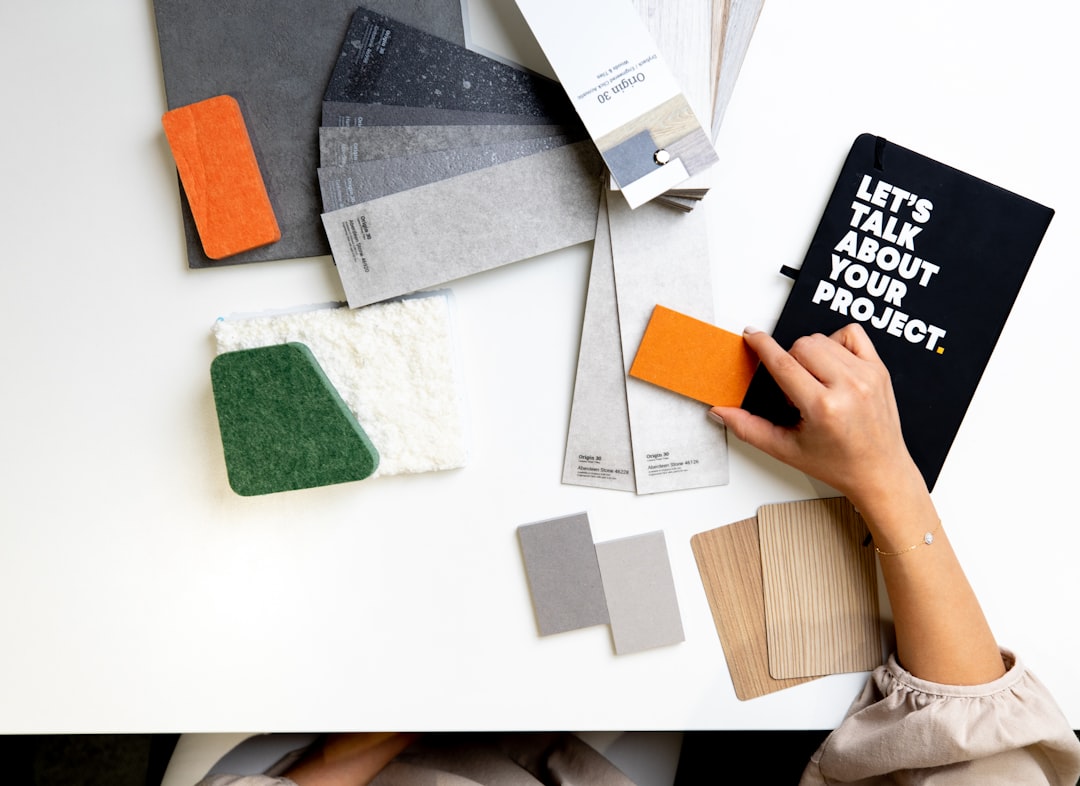
Quality drapery fabric collections include dedicated dimout ranges in various weights, textures and colourways, giving designers and homeowners ample choice without compromising performance.
Colour and Light Blocking
A frequently overlooked detail: fabric colour significantly affects dimout performance. Darker colours inherently block more light than lighter ones, even when the fabric construction is identical.
A white dimout fabric may block 70-75 per cent of light, while the same fabric in charcoal blocks 90-95 per cent. For rooms requiring maximum dimout performance without resorting to blackout, choose medium to dark tones — navy, forest green, deep taupe or charcoal.
Conversely, if you want dimout function with a bright, airy aesthetic, lighter fabrics still outperform sheers by a wide margin. A cream or soft grey dimout curtain blocks significantly more light and UV than any sheer, while maintaining the room’s light, open feeling.
For Singapore’s intense sunlight, mid-toned dimout fabrics in the 80-90 per cent blocking range offer the most versatile performance across seasons and times of day.
Layering Dimout with Sheers
The most versatile window treatment in Singapore homes combines dimout curtains with a sheer layer on a double-track system. This layered approach offers four levels of light control from a single window:
- Both open: Maximum light and view
- Sheers closed, dimout open: Soft filtered light with daytime privacy
- Dimout closed, sheers open: Significant light blocking with a softened interior edge
- Both closed: Maximum light blocking and insulation
This flexibility makes the sheer-plus-dimout combination the most popular curtain configuration in Singapore condos and HDB flats. It handles everything from bright midday sun to evening privacy without requiring a separate blackout solution.
When selecting dimout fabric for a layered configuration, consider how the dimout curtain’s colour appears when backlit by the sheer. Some colours shift noticeably when light passes through — test samples at the window before committing.
Final Thoughts
Dimout curtain fabric provides the light management most Singapore spaces actually need — significant reduction without total elimination. It is lighter, more affordable and more versatile than blackout, while offering dramatically better performance than sheers alone.
Match the dimout level to the room’s function, consider colour’s effect on light blocking, and layer with sheers for maximum flexibility across the day.
Request free samples to test dimout fabric light-blocking performance at your own windows before making a decision.