Fabric & Upholstery
Fabric for Acoustic Wall Panels: Selection Guide
Fabric for acoustic panel applications serves a dual purpose: it allows sound to pass through to the absorptive core material behind it while providing an attractive, finished surface. Choosing the wrong fabric can undermine an acoustic panel’s sound-absorbing performance entirely, regardless of how effective the core material is. For Singapore offices, meeting rooms, studios and residential spaces where noise management matters, understanding fabric selection for acoustic panels is essential.
This guide covers the technical requirements, fabric types and design considerations for specifying acoustic panel fabrics in Singapore projects.
How Fabric Affects Acoustic Panel Performance
An acoustic panel works by allowing sound waves to enter its core — typically mineral wool, polyester fibre or foam — where the energy is converted to heat through friction within the fibrous structure. The fabric wrapping the panel is the first surface that sound encounters. If the fabric reflects sound rather than transmitting it, the panel’s absorptive core becomes partially or wholly ineffective.
The critical property is acoustic transparency — the fabric’s ability to allow sound waves to pass through with minimal reflection. This is measured by airflow resistance, expressed in Rayls (Pa.s/m). For acoustic panel applications, fabric should have an airflow resistance below 200 Rayls. Fabrics exceeding this threshold begin to reflect mid- and high-frequency sound, reducing the panel’s Noise Reduction Coefficient (NRC).
A simple field test: hold the fabric to your mouth and blow. If air passes through easily, the fabric is likely acoustically transparent. If it requires effort to push air through, it will impede sound transmission.
Best Fabric Types for Acoustic Panels
Open-Weave Polyester
Open-weave polyester fabrics are the workhorse of acoustic panel applications. Their loose weave structure allows excellent airflow while providing a clean, professional finish. Available in a wide colour range, they suit commercial office environments where appearance and acoustic performance are equally important.
Knitted Fabrics
Knitted stretch fabrics conform smoothly to panel edges and curves, making them ideal for shaped or wrapped panels. Their loop structure is inherently porous, providing good acoustic transparency. Knitted panel fabrics are commonly used in high-end office fitouts and studio environments.
Felt and Needle-Punch
Needle-punched polyester felt serves as both a panel surface and, in thicker versions, as the absorptive core itself. Acoustic felt panels have become popular in modern office and residential design for their clean, minimalist appearance. The dense fibre structure provides moderate sound absorption even without a separate core material.
Natural Fibre Weaves
Loosely woven cotton, linen and wool fabrics can work for acoustic panels provided their weave is open enough. These natural fabrics suit residential and hospitality settings where warmth and texture matter. However, their acoustic transparency varies more widely than engineered synthetic alternatives, so testing before specification is important.
Fabrics to Avoid
Certain fabric types are unsuitable for acoustic panels despite looking appropriate:
- Vinyl and faux leather: Non-porous surfaces that reflect sound completely, negating the panel’s absorptive function.
- Tightly woven canvas: Dense weaves with high airflow resistance that block sound transmission.
- Coated fabrics: Any fabric with a backing coating (PVC, acrylic, rubber) that seals the surface against airflow.
- Heavy brocade and damask: Their dense, multi-layer weave structure impedes sound transmission.
Specification Criteria for Singapore Projects
When selecting fabric for acoustic panel installations in Singapore, the following criteria should guide the specification:
| Criterion | Requirement | Why It Matters |
|---|---|---|
| Airflow resistance | Below 200 Rayls | Ensures acoustic transparency |
| Fire rating | Class 1 or BS 476 Part 7 | SCDF compliance for commercial interiors |
| Colourfastness | Grade 5+ (ISO 105-B02) | Prevents fading under office lighting |
| Stretch and recovery | 5-15% stretch for wrapped panels | Clean wrapping without sagging |
| Pilling resistance | Grade 4+ (ISO 12945) | Maintains appearance in high-touch areas |
| Antimicrobial treatment | Optional but recommended | Prevents odour and microbial growth in humid conditions |
Singapore’s high humidity makes antimicrobial treatment a practical rather than optional consideration. Fabric-wrapped panels in non-air-conditioned or poorly ventilated spaces can harbour mould if the fabric traps moisture against the absorptive core. Choose fabrics with inherent or treated antimicrobial properties for these environments.
Design and Colour Considerations
Acoustic panels are functional objects, but they also occupy significant wall area and contribute heavily to a room’s visual character. Fabric selection drives the design outcome:
- Neutral tones for office environments: Grey, charcoal, navy and taupe panels integrate quietly into corporate interiors. They reduce visual noise as effectively as they reduce acoustic noise.
- Bold accent colours: Coloured acoustic panels create feature walls that double as design statements. Clusters of panels in varying tones of the same colour family produce a sophisticated gradient effect.
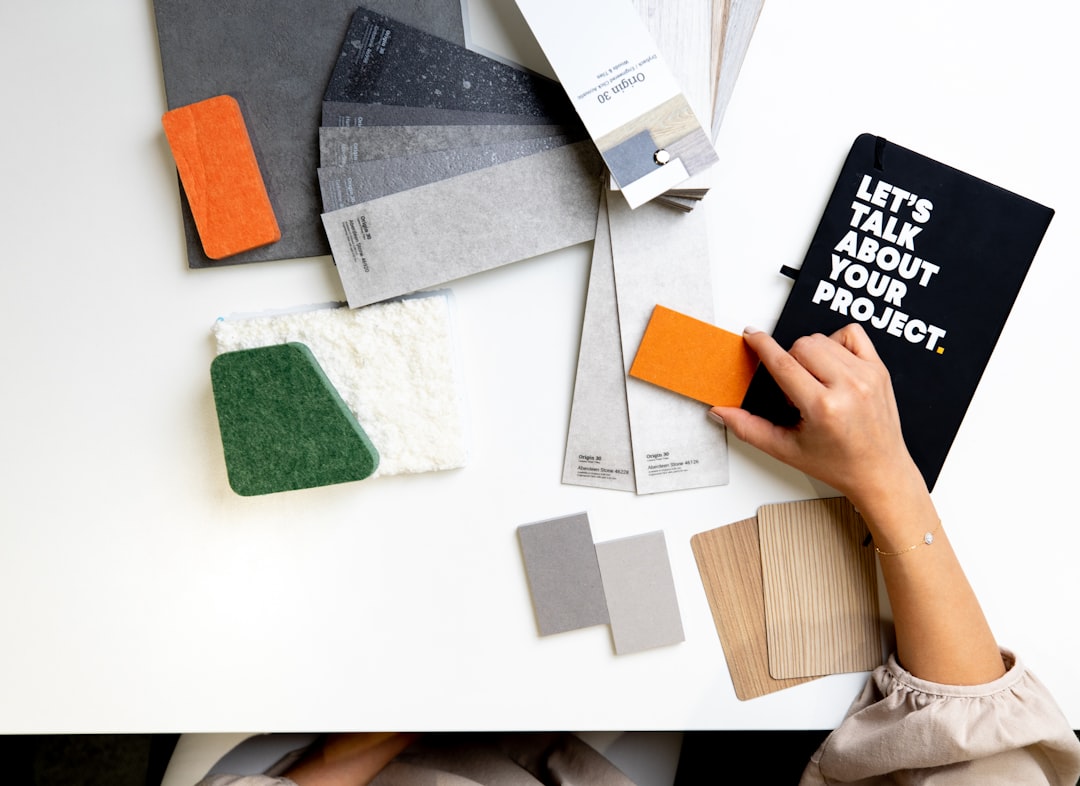
- Texture as design element: Felt panels in mixed textures — smooth alongside napped, fine alongside coarse — add visual depth without introducing pattern or colour variation.
- Custom printing: Some acoustic fabrics accept digital printing, allowing branded graphics, patterns or artwork to be printed directly onto the panel surface without compromising acoustic performance.
Explore upholstery and panel fabric options to find acoustically suitable textiles in colourways that match your project’s design scheme.
Installation and Maintenance
Fabric-wrapped acoustic panels are typically installed using concealed mounting hardware — Z-clips, impaling clips or adhesive — on walls or ceilings. The fabric must be taut and wrinkle-free across the panel face, with neatly tucked edges at the back.
Maintenance is minimal but important for longevity:
- Vacuum panel surfaces quarterly with a soft brush attachment to remove accumulated dust.
- Spot-clean marks with a damp cloth and mild detergent. Avoid saturating the fabric, as moisture can penetrate to the absorptive core.
- In high-humidity areas, run regular air-conditioning to prevent moisture buildup behind and within panels.
- Inspect mounting hardware annually, as humidity can affect adhesive bonds over time.
For large-scale acoustic panel projects in offices, studios or commercial spaces, requesting a quotation ensures accurate material costing across the project scope.
Final Thoughts
Fabric for acoustic panel installations must be acoustically transparent first and visually appealing second — but with the right specification, both goals are readily achievable. Prioritise airflow resistance testing, choose fire-rated materials for commercial compliance, and select colours and textures that complement the broader interior scheme.
The fabric is what people see and touch; the core is what absorbs the sound. Getting both right ensures acoustic panels that perform as well as they look.
Book an appointment with our design consultants to discuss acoustic fabric options for your next project.