Fabric & Upholstery
Fabric for Banquette Seating: Hotels and Restaurants
Fabric for banquette seating is one of the most demanding upholstery specifications in hospitality design. Banquettes endure constant use — guests sliding in and out, food and drink spills, daily cleaning cycles — yet they must look inviting and on-brand for years without showing wear. Getting this specification right is crucial for any hotel, restaurant, or bar project in Singapore.
This guide covers the performance requirements, fabric types, and practical considerations that architects and interior designers need when specifying banquette upholstery for Singapore’s hospitality sector.
Why Banquette Fabric Requires Special Attention
Banquette seating faces a unique combination of stresses that standard upholstery does not encounter.
Friction from sliding: Unlike chairs where guests sit and stand vertically, banquettes require lateral sliding across the seat surface. This creates significant abrasion stress, particularly at the seat front edge where guests enter and exit.
Food and beverage exposure: Banquettes in restaurants and bars are in the direct line of spills, sauce drips, and condensation from glasses. The fabric must resist staining and be cleanable with commercial-grade products.
High turnover: A popular restaurant in Singapore may seat three to four sittings per evening, meaning each banquette position is used by multiple guests daily. Over a year, this translates to thousands of use cycles.
Cleaning frequency: Commercial banquettes are wiped down between every sitting and deep-cleaned regularly. The fabric must withstand frequent contact with cleaning agents without fading, stiffening, or degrading.
Performance Requirements for Banquette Fabric
When specifying fabric for banquette seating, prioritise the following performance metrics.
| Performance Metric | Minimum Requirement | Recommended for High-Traffic |
|---|---|---|
| Abrasion (Martindale) | 50,000 double rubs | 100,000+ double rubs |
| Stain resistance | Treated or inherent | Solution-dyed with barrier coating |
| Fire retardancy | BS 5852 Crib 5 pass | IMO/NFPA for hotels |
| Colourfastness | Rating 4 (light) | Rating 5 (light and wet rub) |
| Seam slippage | 6mm maximum | 3mm maximum |
| Cleanability | Scrubbable | Bleach-cleanable |
Best Fabric Types for Banquette Seating
Several fabric categories consistently perform well in banquette applications across Singapore’s hospitality venues.
Faux Leather and Vinyl
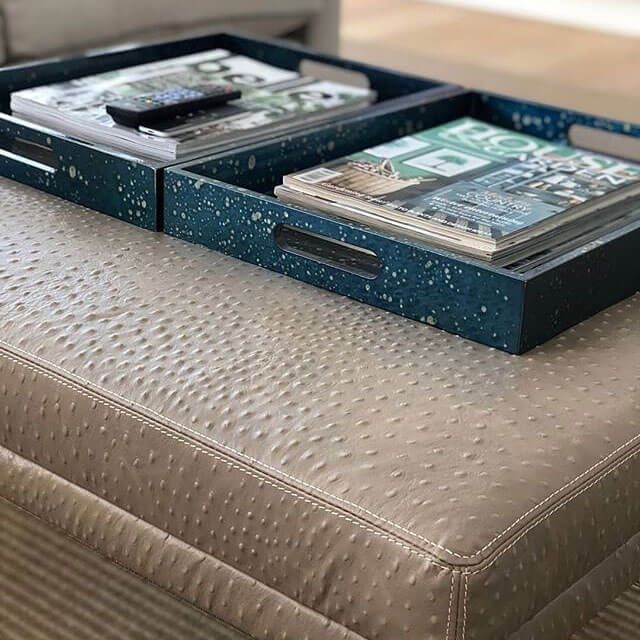
Synthetic leather remains the most popular banquette upholstery in Singapore’s F&B sector. It is waterproof, easy to wipe clean, and highly resistant to staining. Modern faux leather products have vastly improved in feel and appearance, with many offering a convincing grain texture and supple hand-feel. Look for products rated at 100,000+ Martindale cycles and tested for resistance to alcohol, cooking oils, and common food stains.
Performance Polyester Wovens
High-performance woven polyester fabrics offer a textile look and feel that faux leather cannot replicate. For upscale restaurants and hotel dining rooms where a softer, more refined aesthetic is desired, performance polyester provides the sophistication of fabric with near-commercial-grade durability. Solution-dyed versions resist fading and can tolerate aggressive cleaning.
Wool Blends
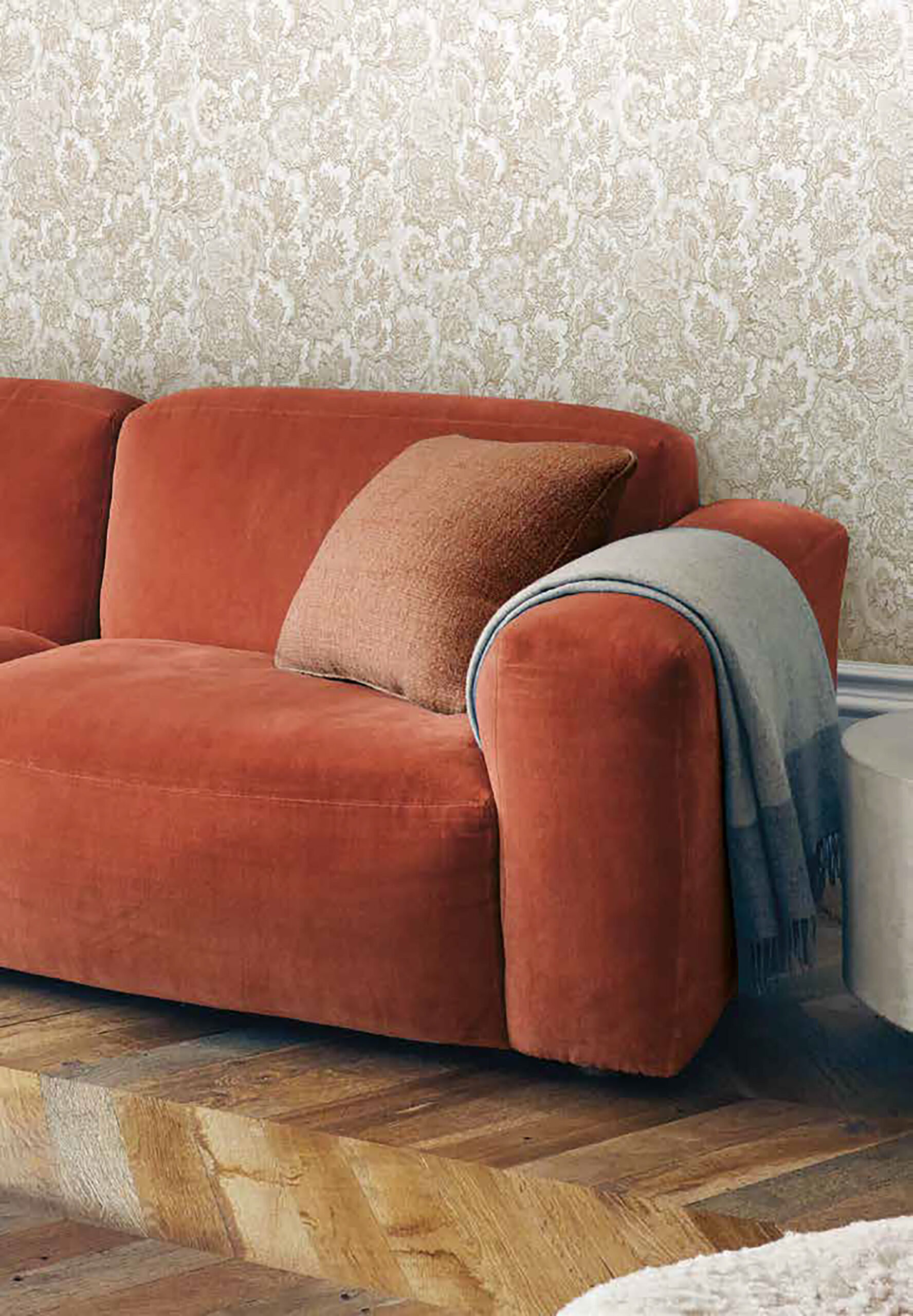
Wool-blend upholstery fabrics, typically blended with nylon or polyester for added strength, offer natural stain resistance (wool fibre has a natural lanolin coating), excellent abrasion performance, and a warm, premium aesthetic. Wool is inherently flame-retardant, often meeting fire safety requirements without additional chemical treatment — an advantage for health-conscious specifications.
Crypton-Type Performance Fabric
Fabrics with integrated moisture barriers prevent liquids from reaching the cushion foam, eliminating odour absorption and mould growth. These are particularly valuable in Singapore’s humid climate, where trapped moisture in banquette cushions can quickly become problematic.
Design Considerations for Singapore Venues
Beyond performance, the aesthetic qualities of banquette fabric contribute significantly to the dining experience and brand identity.
Colour strategy: Dark and mid-tone fabrics disguise minor soiling between cleans, reducing the appearance of wear throughout service. Jewel tones — deep teal, burgundy, navy — are popular in Singapore’s upscale dining scene for their ability to hide stains while projecting sophistication.
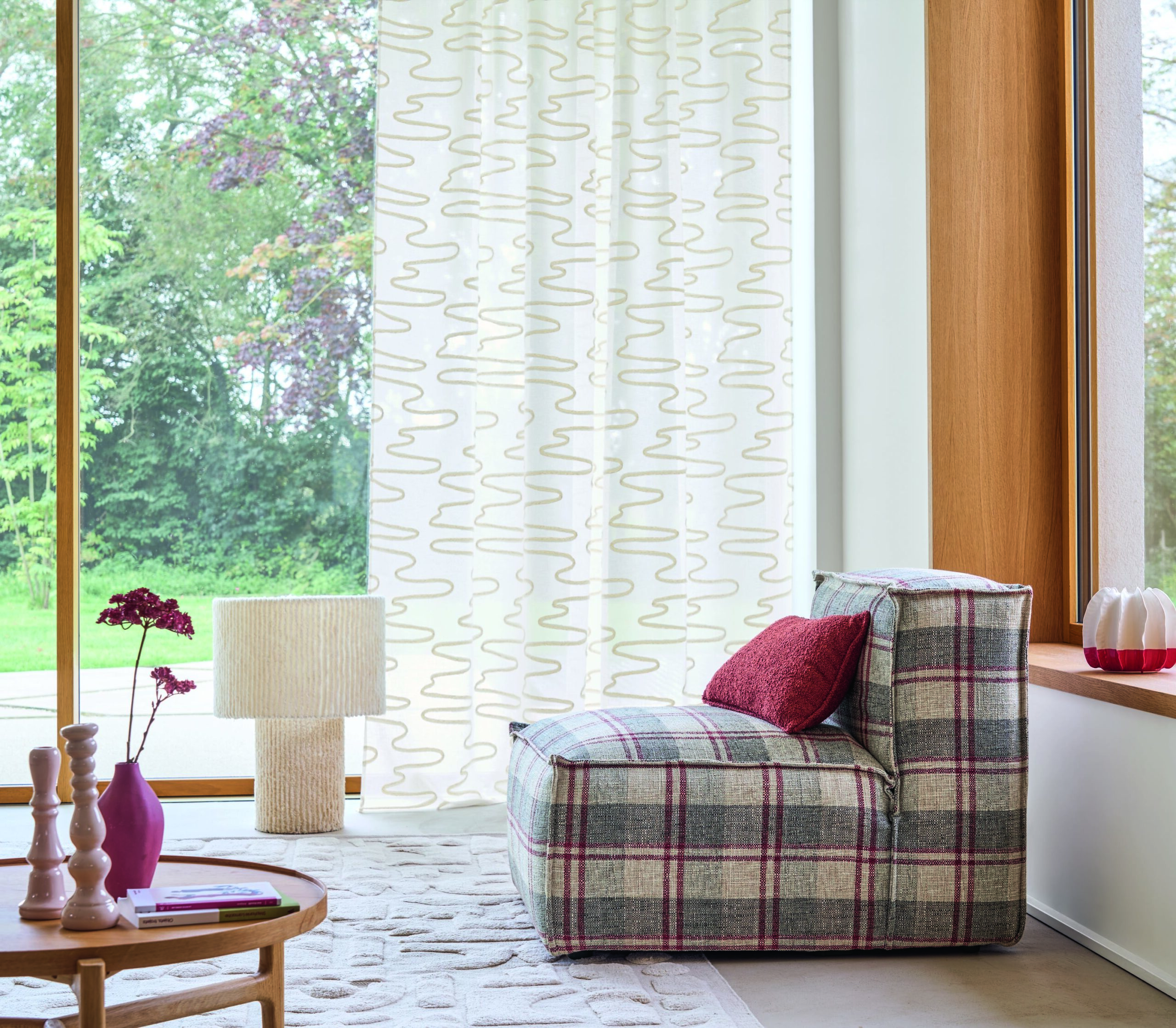
Pattern and texture: Textured weaves, subtle patterns, and tonal designs are practical choices that add visual depth without highlighting marks. Avoid light-coloured solids in high-volume venues unless you are committed to intensive daily cleaning.
Coordination with the interior scheme: Banquette fabric often sets the colour anchor for the entire dining space. Select the banquette fabric first, then coordinate other finishes — curtains, carpet, wall treatments — around it.
Cultural considerations: In Singapore’s diverse F&B landscape, the fabric choice should align with the cuisine concept and cultural context. A Japanese omakase counter might specify muted, natural-toned linen-look fabric, while a vibrant Indian restaurant could embrace bold colours and embroidered textures.
Specifying and Sourcing
A successful banquette fabric specification requires close collaboration between the designer, the fabric supplier, and the upholsterer.
- Define requirements: List the performance metrics needed based on the venue type, expected traffic, menu style, and cleaning protocol.
- Request samples and datasheets: Evaluate physical samples for colour, texture, and hand-feel. Review technical datasheets for test results against your performance criteria. Request samples from the Goodrich Global showroom for side-by-side comparison.
- Test cleaning compatibility: Before finalising, test the fabric sample with the cleaning products your venue will use. Ensure no discolouration, stiffening, or surface damage occurs.
- Confirm fire certification: Obtain and file the fire test certificates. Singapore’s SCDF requires documentation for all commercial interior finishes.
- Coordinate with the upholsterer: Share fabric specifications, including any directional pile or pattern-matching requirements, with the upholstery workshop well before fabrication begins.
Goodrich Global’s upholstery fabric collection includes commercial-grade options from leading international textile houses, with technical support for hospitality specification projects across Singapore.
Final Thoughts
Banquette fabric is a specification that directly impacts guest experience, maintenance costs, and the longevity of your hospitality interior. By prioritising performance metrics, selecting the right fabric type for your venue’s demands, and working with a knowledgeable supplier, you can deliver banquette seating that looks exceptional and performs reliably through years of intensive daily use.
Get a free quote for your project today and discuss banquette fabric options with our hospitality interiors team.