Fabric & Upholstery
Fabric Weight Guide for Upholstery Selection
A fabric weight guide for upholstery is one of the most practical tools available to designers, specifiers, and homeowners selecting materials for sofas, chairs, and other seating. Weight, measured in grams per square metre (GSM), directly influences a fabric’s durability, drape, hand-feel, and suitability for specific applications.
Choosing the wrong weight results in premature wear, poor tailoring, and furniture that underperforms. This guide explains what the numbers mean and how to match fabric weight to your project requirements.
Understanding GSM in Upholstery Fabric
GSM stands for grams per square metre and is the standard measurement for fabric weight across the textile industry. It indicates how much material is packed into each square metre of fabric, which correlates with thickness, density, and overall substance.
A higher GSM does not automatically mean better quality. A lightweight 200 GSM silk may be far more expensive and refined than a heavy 500 GSM polyester. GSM is a measure of weight, not quality. However, for upholstery applications where durability and structure matter, fabric weight is a critical selection criterion.
Upholstery Fabric Weight Categories
| Category | GSM Range | Characteristics | Common Applications |
|---|---|---|---|
| Lightweight | 150-250 GSM | Soft, flexible, limited durability | Decorative cushions, accent pillows, light-use chairs |
| Medium weight | 250-370 GSM | Good balance of softness and durability | Residential sofas, dining chairs, occasional seating |
| Heavyweight | 370-500 GSM | Dense, structured, highly durable | Commercial seating, high-traffic sofas, contract furniture |
| Extra heavyweight | 500+ GSM | Very dense, stiff, maximum durability | Automotive, marine, heavy commercial |
For most residential projects in Singapore, medium to heavyweight fabrics in the 250 to 450 GSM range deliver the best balance of comfort, durability, and ease of upholstering.
How Weight Affects Performance
Durability and Abrasion Resistance
Heavier fabrics generally withstand more wear because they contain more material per unit area. However, fabric construction (weave type, fibre composition) matters as much as weight. A tightly woven 300 GSM fabric can outperform a loosely woven 400 GSM fabric in abrasion testing.
The Martindale rub test is the industry standard for measuring abrasion resistance. For residential upholstery, a minimum of 15,000 to 20,000 rubs is recommended. Commercial applications require 30,000 rubs or more. When comparing fabrics, consider both GSM and Martindale count together.
Drape and Tailoring
Lighter fabrics conform more readily to curved furniture shapes, creating softer, more relaxed silhouettes. They are easier to pleat, tuck, and gather around complex forms. Heavier fabrics produce more structured, tailored results with cleaner lines and sharper corners.
For loose covers and slipcovers, medium-weight fabrics offer the best compromise between conformity and structure. For tight upholstery on fixed frames, heavier fabrics hold tension better and resist bagging over time.
Comfort and Hand-Feel
Weight influences how a fabric feels to the touch. Lightweight fabrics tend to feel softer and smoother, while heavier fabrics feel more substantial and textured. In Singapore’s warm climate, lighter and medium-weight fabrics that breathe well are often more comfortable for seating used daily.
Matching Weight to Furniture Type
Different furniture pieces have different structural and aesthetic demands.
Sofas and Sectionals
Sofas endure the most intensive daily use. Medium to heavyweight fabrics (300 to 450 GSM) with Martindale counts above 25,000 rubs are ideal. The fabric must withstand repeated sitting, shifting, and friction without pilling, stretching, or wearing thin at contact points.
Dining Chairs
Dining chairs face food spills, regular pulling and pushing, and friction from varied users. A medium-weight fabric (250 to 370 GSM) with stain-resistant treatment provides the best combination of comfort, cleanability, and longevity. Performance fabrics with liquid-repellent finishes are particularly practical for dining settings.
Accent Chairs and Occasional Seating
Chairs used less frequently, such as bedroom reading chairs or decorative living room pieces, can accommodate lighter fabrics (200 to 300 GSM). These pieces are more about visual impact than heavy-duty performance, allowing you to choose more decorative or delicate materials.
Office and Commercial Seating
Contract furniture demands heavyweight fabrics (370 to 500 GSM) with Martindale ratings above 40,000 rubs. These fabrics must resist not only abrasion but also cleaning chemicals used in commercial maintenance cycles. Explore Goodrich Global’s upholstery fabric collection for commercial-grade options.
Fibre Composition and Its Relationship to Weight
The fibres used in a fabric influence its weight-to-performance ratio.
- Polyester: Lightweight for its strength. A 300 GSM polyester fabric can outperform heavier natural fibre fabrics in abrasion resistance and colour fastness.
- Cotton: Medium density. Cotton upholstery fabrics typically fall in the 250 to 400 GSM range. They breathe well and feel comfortable but are more susceptible to staining and fading than synthetics.
- Linen: Relatively lightweight with a crisp hand-feel. Linen upholstery fabrics are usually 200 to 350 GSM. They wrinkle and soften with use, which suits relaxed interior styles.
- Wool: Naturally dense and resilient. Wool upholstery fabrics are often 300 to 500 GSM, with excellent durability and natural stain resistance due to the lanolin content of the fibre.
- Blends: Mixing fibres allows manufacturers to optimise weight, durability, and feel. A cotton-polyester blend may deliver the breathability of cotton with the strength and fade resistance of polyester.
How to Evaluate Fabric Weight Before Purchasing
Numbers on a spec sheet only tell part of the story. Physically handling the fabric provides insights that data alone cannot.
When evaluating a sample, drape it over your hand and let it hang freely. Observe how it falls. Does it feel substantial enough for your intended application? Does it have the body to hold the furniture’s shape, or is it too limp?
Place the sample against the furniture frame or a similar surface. Consider how the fabric will look and feel when stretched over a seat cushion, wrapped around an armrest, or folded over a cushion edge.
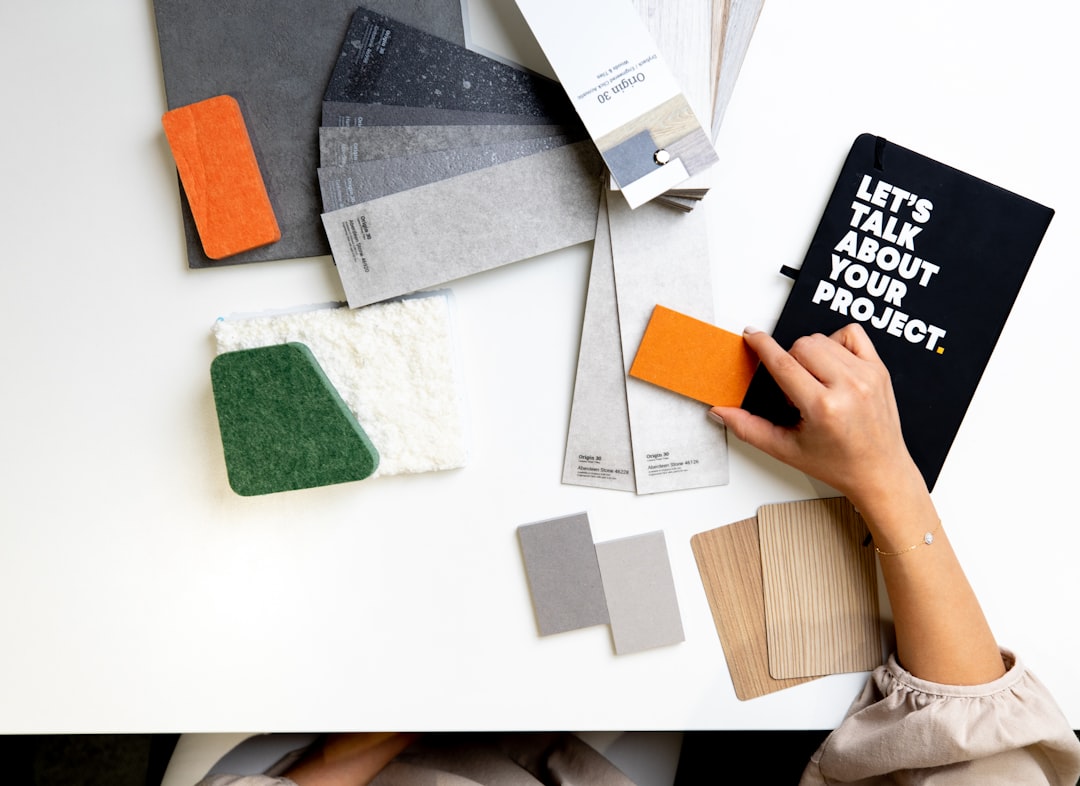
Request samples from Goodrich Global to assess fabric weight, texture, and colour accuracy in person before committing to your final selection.
Final Thoughts
Fabric weight is a fundamental specification that influences every aspect of upholstery performance, from durability and tailoring to comfort and visual impact. By understanding GSM ranges and how they relate to your specific furniture and usage requirements, you can make confident, informed selections that deliver lasting results.
Pair the right weight with appropriate fibre composition and construction, and your upholstery investment will perform beautifully for years to come.
Visit the Goodrich Gallery to see our full collection of upholstery fabrics in a range of weights and textures.