Fabric & Upholstery
Fire Retardant Fabric for Commercial Interiors
Fire retardant fabric is a mandatory consideration for virtually every commercial interior project in Singapore. From hotel drapery and office upholstery to healthcare curtains and restaurant seating, soft furnishing fabrics in commercial premises must meet fire safety standards enforced by the Singapore Civil Defence Force (SCDF). Specifying the wrong fabric can result in failed inspections, costly replacements, and, most critically, compromised occupant safety.
This guide clarifies the requirements, explains the different types of fire retardant fabric, and provides practical guidance for architects, interior designers, and facility managers specifying fabrics for commercial use.
Understanding Fire Retardant vs Fire Resistant Fabric
The terms “fire retardant” and “fire resistant” are frequently used interchangeably, but they describe different characteristics.
Fire resistant fabrics are inherently resistant to ignition and flame spread due to their fibre composition. Fibres such as modacrylic, aramid (Nomex, Kevlar), and certain treated polyesters have molecular structures that resist combustion. This resistance is permanent and does not wash out or degrade over time.
Fire retardant fabrics are conventional textiles (polyester, cotton, viscose, or blends) that have been treated with chemical compounds to reduce flammability. The treatment can be applied during fibre production, fabric finishing, or as a topical application to the finished product. Some treatments are durable through multiple wash cycles; others require retreatment after cleaning.
For commercial interior applications, both categories meet regulatory requirements provided they achieve the specified test standards. The choice between inherently resistant and chemically treated fabrics depends on the application, maintenance regime, and budget.
Singapore Fire Safety Requirements for Fabrics
Commercial buildings in Singapore must comply with the Fire Safety Act and the Fire Code administered by the SCDF. Soft furnishings, including curtains, drapery, upholstery, and decorative fabric panels, fall under these requirements.
The specific test standard commonly referenced for interior fabrics is BS 5867 Part 2 (for curtains and drapery) and BS 5852 (for upholstered furniture). These British Standards are widely adopted in Singapore’s building code framework.
Key requirements include:
- Curtains and drapery in commercial premises must achieve BS 5867 Part 2 Type B or higher
- Upholstery fabrics must pass BS 5852 ignition source testing as appropriate to the application
- Certification documentation must be available for inspection by SCDF officers
- Fabrics installed in escape routes, lobbies, and public assembly areas face the most stringent requirements
For projects targeting BCA Green Mark certification, fabric selection may also need to address VOC emissions and environmental impact criteria alongside fire performance.
Types of Fire Retardant Fabric for Interiors
Modern fire retardant fabrics are available in virtually every style, texture, and colour. The perception that fire-safe fabrics are limited to stiff, industrial-looking materials is outdated.
Inherently Fire Resistant (IFR) Polyester
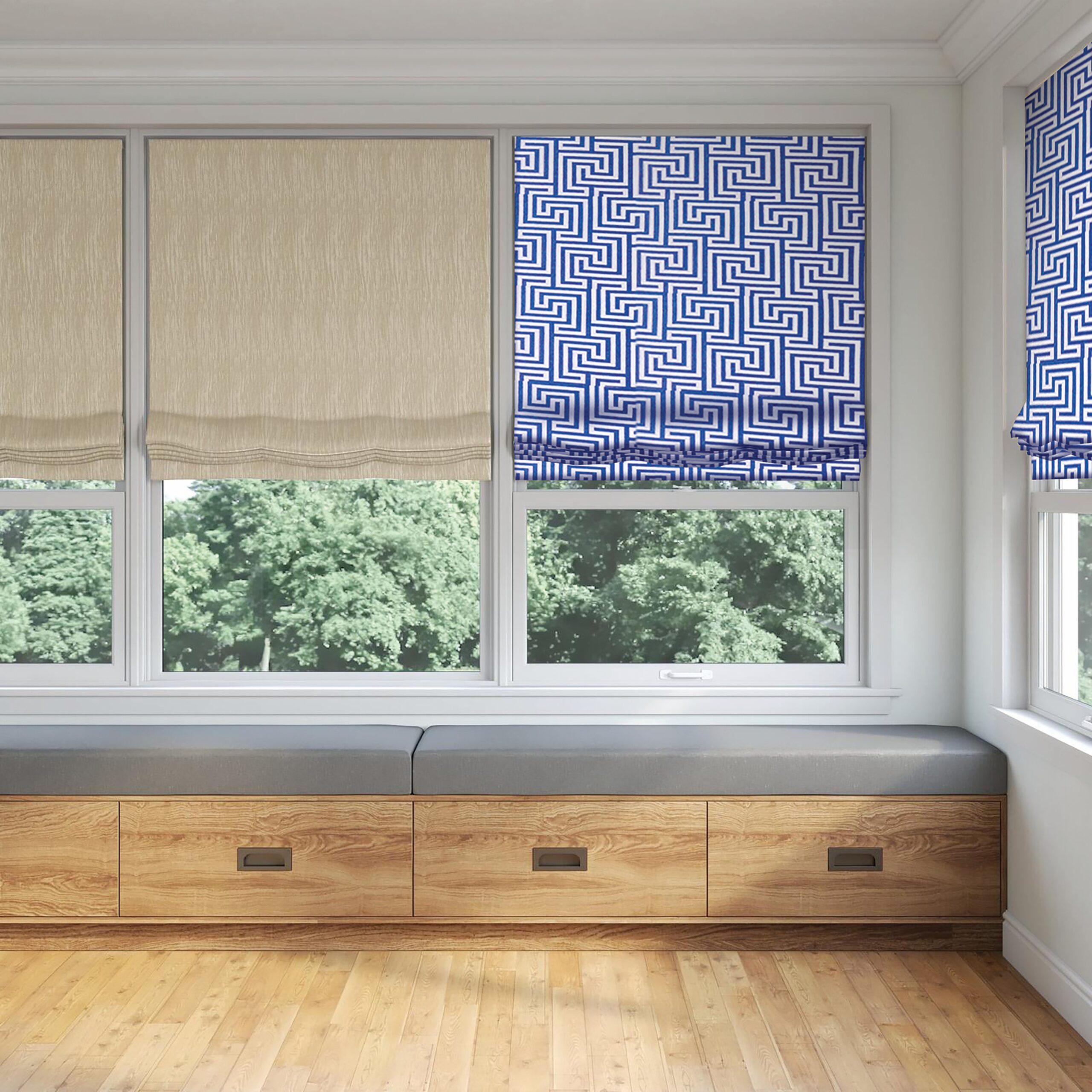
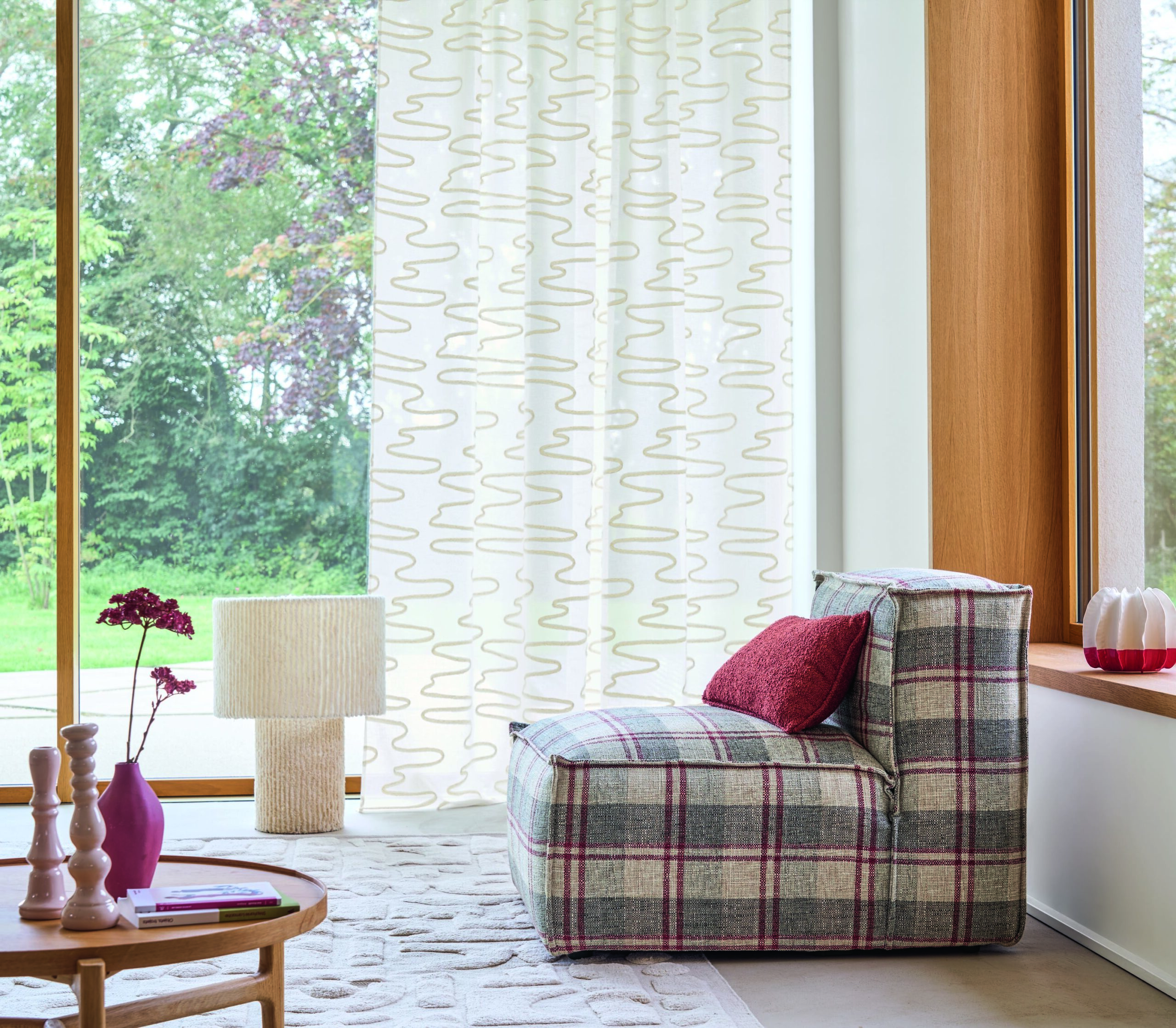
IFR polyester fabrics incorporate fire resistance at the fibre level during the polymerisation process. The fire performance is permanent and unaffected by washing, dry cleaning, or UV exposure. These fabrics dominate the commercial drapery market due to their reliable performance, soft drape, and wide availability in sheers, satins, and textured weaves.
Treated Cotton and Cotton Blends
Natural cotton fabrics can be treated with phosphorus-based or nitrogen-based fire retardant compounds. Treated cotton offers the natural hand feel and breathability that synthetic alternatives cannot fully replicate. However, the treatment may diminish over repeated wash cycles, requiring retreatment or replacement on a defined schedule.
Modacrylic Blends
Modacrylic fibre is inherently flame resistant and self-extinguishing. Blended with other fibres, it produces fabrics that feel soft and natural while exceeding fire safety standards. Modacrylic blends are commonly used in healthcare curtains and institutional drapery where both comfort and safety are paramount.
Wool and Wool Blends
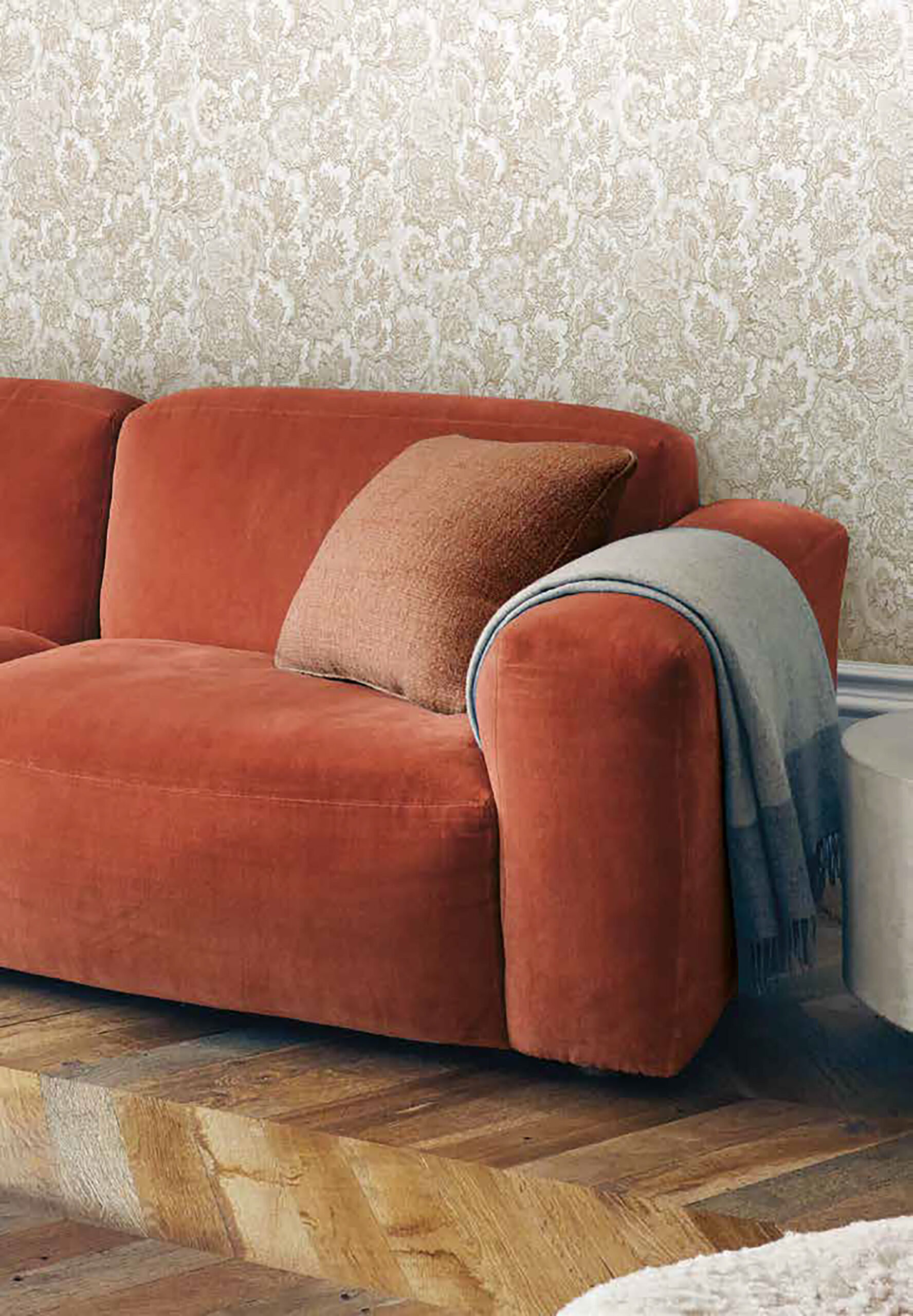
Wool is naturally fire resistant, requiring significantly higher temperatures to ignite than cotton or standard polyester. It also self-extinguishes and produces less toxic smoke. Wool upholstery fabrics are an excellent choice for hospitality and corporate interiors where fire performance, aesthetics, and sustainability intersect.
Selecting Fire Retardant Fabric by Application
The right fire retardant fabric depends on where and how it will be used. Different applications prioritise different performance characteristics alongside fire safety.
| Application | Key Requirements Beyond Fire Rating | Recommended Fabric Type |
|---|---|---|
| Hotel drapery | Light control, drape quality, colour range | IFR polyester sheer and blackout |
| Office upholstery | Abrasion resistance, stain resistance | IFR polyester or wool blend with stain treatment |
| Healthcare curtains | Antimicrobial, washable, track-compatible | IFR polyester or modacrylic blend |
| Restaurant seating | Stain resistance, cleanability, durability | Treated polyester or vinyl-coated fabric |
| Theatre and event spaces | Acoustic absorption, blackout, drape | Heavy IFR polyester or wool |
Goodrich Global’s fabric collection includes fire-rated options across drapery and upholstery categories, with technical documentation to support specification and compliance.
Maintenance and Longevity of Fire Performance
Specifying the right fire retardant fabric is only the first step. Maintaining fire performance throughout the product’s service life requires attention to care and cleaning protocols.
Inherently fire resistant fabrics retain their performance indefinitely. Washing, dry cleaning, UV exposure, and general ageing do not diminish their fire rating. This makes IFR fabrics the lowest-maintenance option for long-term commercial installations.
Chemically treated fabrics require more careful management. Some treatments are durable through a specified number of wash cycles (typically 20 to 50), after which the fabric must be retreated or replaced. Dry cleaning may be required instead of wet washing, as some fire retardant compounds are water-soluble.
Documentation is essential. Maintain records of fabric specifications, test certificates, installation dates, and cleaning history for each area of the building. This documentation is required during SCDF inspections and simplifies replacement planning when fabrics reach the end of their rated service life.
For guidance on selecting and maintaining fire-rated fabrics for your specific project, request a quotation from our team, who can match your technical and aesthetic requirements.
Final Thoughts
Fire retardant fabric is not a compromise; it is a specification requirement that modern textile technology meets without sacrificing aesthetics, comfort, or design flexibility. From sheer hotel curtains to robust office upholstery, fire-rated fabrics are available in every style and performance grade. The key is understanding the regulatory requirements, matching the fabric type to the application, and implementing proper maintenance protocols to ensure fire performance is maintained throughout the installation’s lifespan.
Request free samples from our Singapore showroom to evaluate fire retardant fabric options for your commercial project.