Composite Decking Singapore — Onewood for Balconies, Patios and Gardens
Composite Decking in Singapore: Onewood Outdoor Flooring for Homes and Commercial Projects Outdoor living has become a defining feature of Singapore property — from landed garden patios and condominium balconies to rooftop terraces, swimming pool surrounds, and hospitality alfresco dining. What makes these spaces genuinely usable, rather than just visually appealing, is the decking material underfoot. In Singapore’s tropical climate — with intense year-round sun, heavy monsoon rain, and persistent humidity — natural…
Composite Decking Singapore — Onewood for Balconies, Patios and Gardens
Composite Decking in Singapore: Onewood Outdoor Flooring for Homes and Commercial Projects
Outdoor living has become a defining feature of Singapore property — from landed garden patios and condominium balconies to rooftop terraces, swimming pool surrounds, and hospitality alfresco dining. What makes these spaces genuinely usable, rather than just visually appealing, is the decking material underfoot. In Singapore’s tropical climate — with intense year-round sun, heavy monsoon rain, and persistent humidity — natural timber demands constant sanding, oiling, and termite treatment to stay serviceable. Composite decking eliminates that burden while delivering the same warm, natural appearance.
Goodrich Global supplies Onewood composite decking, an engineered outdoor flooring material made from a blend of recycled wood fibres and high-grade polymers. Onewood boards look and feel like timber but do not splinter, warp, rot, fade significantly, or require annual refinishing. For Singapore homeowners and commercial property managers, this translates into significantly lower lifetime maintenance cost and a surface that continues to look intentional ten years into its life, not neglected. The boards are termite-resistant, fungal-decay-resistant, and carry a manufacturer’s warranty typically in the fifteen-to-twenty-five year range depending on specification.
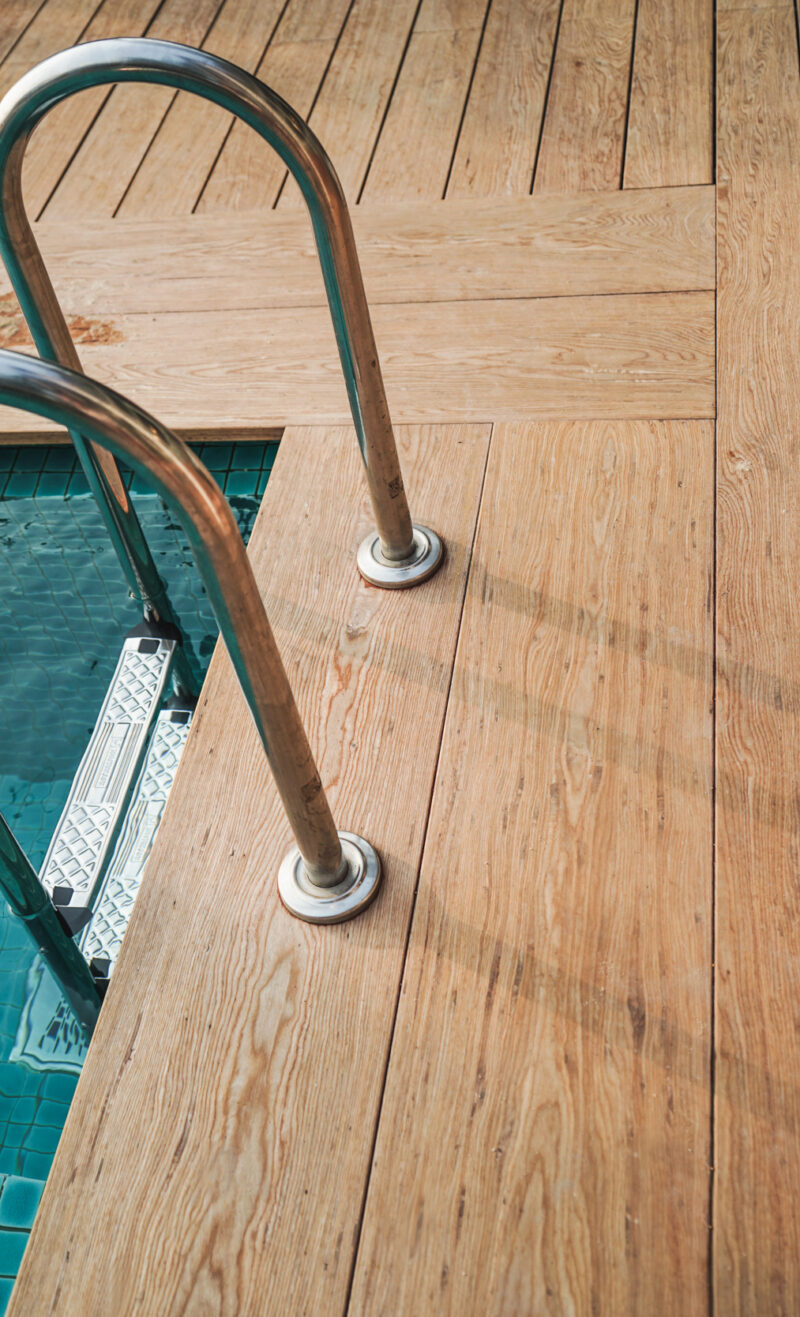
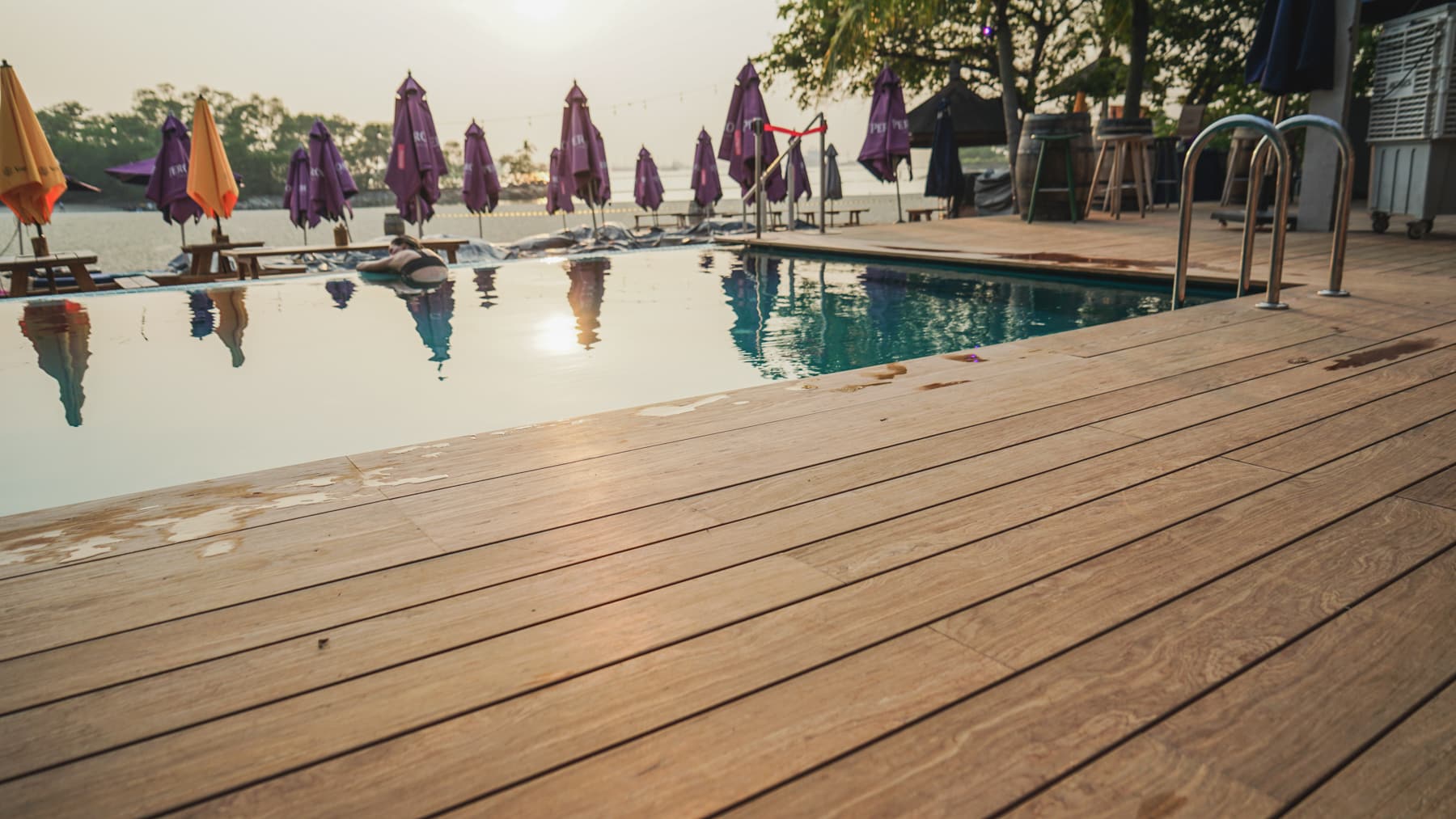
Onewood decking suits a wide spectrum of outdoor applications. For landed properties, it finishes gardens, patios, and poolside areas with a premium natural appearance that holds up through monsoon season. For condominium balconies, the boards deliver a warmer, softer feel than tiled balconies and can be installed over existing tile surfaces in many cases. For commercial hospitality venues — restaurants, hotels, resorts, and clubhouses — the material combines design appeal with the durability that commercial-grade traffic demands. A slip-resistant surface texture makes the boards appropriate for pool decks, outdoor dining, and wet areas.
From a sustainability standpoint, composite decking makes productive use of recycled content and reduces demand for tropical hardwoods — a meaningful consideration for green-certified projects and ESG-focused specifiers. Our team can advise on board specification, colour selection, substructure requirements, and installation for projects of any scale. Request a quotation for your outdoor project, or book an appointment with our specialist team.
Frequently Asked Questions
What is composite decking?
Composite decking is an engineered outdoor flooring material made from a blend of recycled wood fibres and polymer resins. It is designed to replicate the appearance and feel of natural timber while offering far better resistance to moisture, UV exposure, insects, and decay. Unlike solid wood, composite boards do not require regular sanding, oiling, staining, or sealing to maintain their appearance — a significant advantage in Singapore’s tropical climate.
How much does composite decking cost in Singapore?
Composite decking in Singapore typically costs between $15 and $25 per square foot supplied and installed, depending on the board profile, capping grade, and substructure complexity. Premium capped composites and larger or elevated installations sit at the upper end of that range. While upfront cost is higher than basic timber, the near-zero ongoing maintenance makes composite more cost-effective over a fifteen-to-twenty-five-year lifespan.
How does composite decking compare to natural wood?
Natural hardwood decking can look beautiful at installation but requires significant ongoing maintenance in Singapore’s climate — periodic sanding, oiling, and treatment against termites and fungal growth. Composite decking holds its colour and structural integrity with minimal effort. Over a typical fifteen-to-twenty-five-year lifespan, composite generally works out cheaper when maintenance costs and board replacement due to rot are factored in.
Is composite decking suitable for Singapore’s weather?
Yes — composite decking is specifically engineered for tropical performance. It resists moisture absorption, UV fading, thermal expansion, and microbial decay, making it well suited to Singapore’s combination of intense sunlight, heavy rainfall, and year-round humidity. Quality composite boards incorporate UV stabilisers that prevent significant colour fading, and capped constructions add an extra protective surface layer against stains and scratches.
How do you maintain composite decking?
Maintenance is straightforward: sweep regularly to remove debris, and wash periodically with mild soapy water and a soft brush. Avoid abrasive cleaners or close-range pressure washing, as these can damage the board surface. In Singapore, a thorough clean every two to three months keeps decking looking its best. No sanding, oiling, or sealing is required.
Can composite decking be installed on HDB balconies?
Composite deck tiles or interlocking planks can be installed on HDB balconies subject to HDB renovation guidelines. Lightweight interlocking deck tiles are a common choice because they can be laid over existing tiled surfaces without permanent fixings — making the installation reversible and suitable for rental properties. Fixed board installations may require HDB permit review. Confirm current regulations with your ID firm or contractor before proceeding.
How long does composite decking last?
Quality composite decking commonly carries a manufacturer warranty of fifteen to twenty-five years, with actual service life often extending beyond that with basic care. Capped composites typically outlast uncapped alternatives and resist staining and fading more effectively. In Singapore’s conditions, a well-specified and well-installed composite deck should remain serviceable for the full warranty term without structural issue.
Guides and Resources
WPC Decking vs Natural Wood: Singapore Comparison
Balcony Decking Options for Singapore Condos
Rooftop Decking Solutions for Singapore Buildings
Pool Deck Flooring Options: Slip-Resistant Choices
Composite Decking in Singapore: Complete Guide
Timber Decking vs Composite Decking: Full Comparison
Balcony Flooring Ideas for Singapore Condos and HDB
Roof Terrace Design Ideas for Singapore Homes
Balcony Garden Design for Singapore Condos and HDB