Fabric & Upholstery
Microfibre Upholstery Fabric: Soft, Durable and Practical
Microfibre upholstery fabric combines a suede-like softness with remarkable durability, making it one of the most practical choices for Singapore households with children, pets or high-traffic living areas. Its dense, tightly woven structure repels spills, resists staining and maintains its appearance far longer than many natural alternatives.
This guide covers the types of microfibre suitable for upholstery, their performance characteristics, care requirements and how to incorporate them into well-designed Singapore interiors.
What Is Microfibre Upholstery Fabric
Microfibre refers to synthetic fibres — typically polyester, nylon or a blend of both — with a diameter of less than one denier, finer than a strand of silk. When woven or knitted into upholstery fabric, these ultrafine fibres create a surface that feels remarkably soft and smooth while being inherently resistant to moisture, staining and abrasion.
The density of the weave is key. A single square inch of microfibre fabric may contain over 200,000 fibres, creating a surface so tightly packed that liquid beads on top rather than penetrating. This is not a coating or chemical treatment — it is a structural property of the fabric itself, which means the stain resistance does not wash off or wear away over time.
Modern microfibre upholstery fabrics have moved well beyond the shiny, obviously synthetic materials of earlier generations. Today’s offerings convincingly replicate the appearance and hand-feel of suede, nubuck, brushed cotton and even velvet.
Types of Microfibre for Upholstery
Microsuede
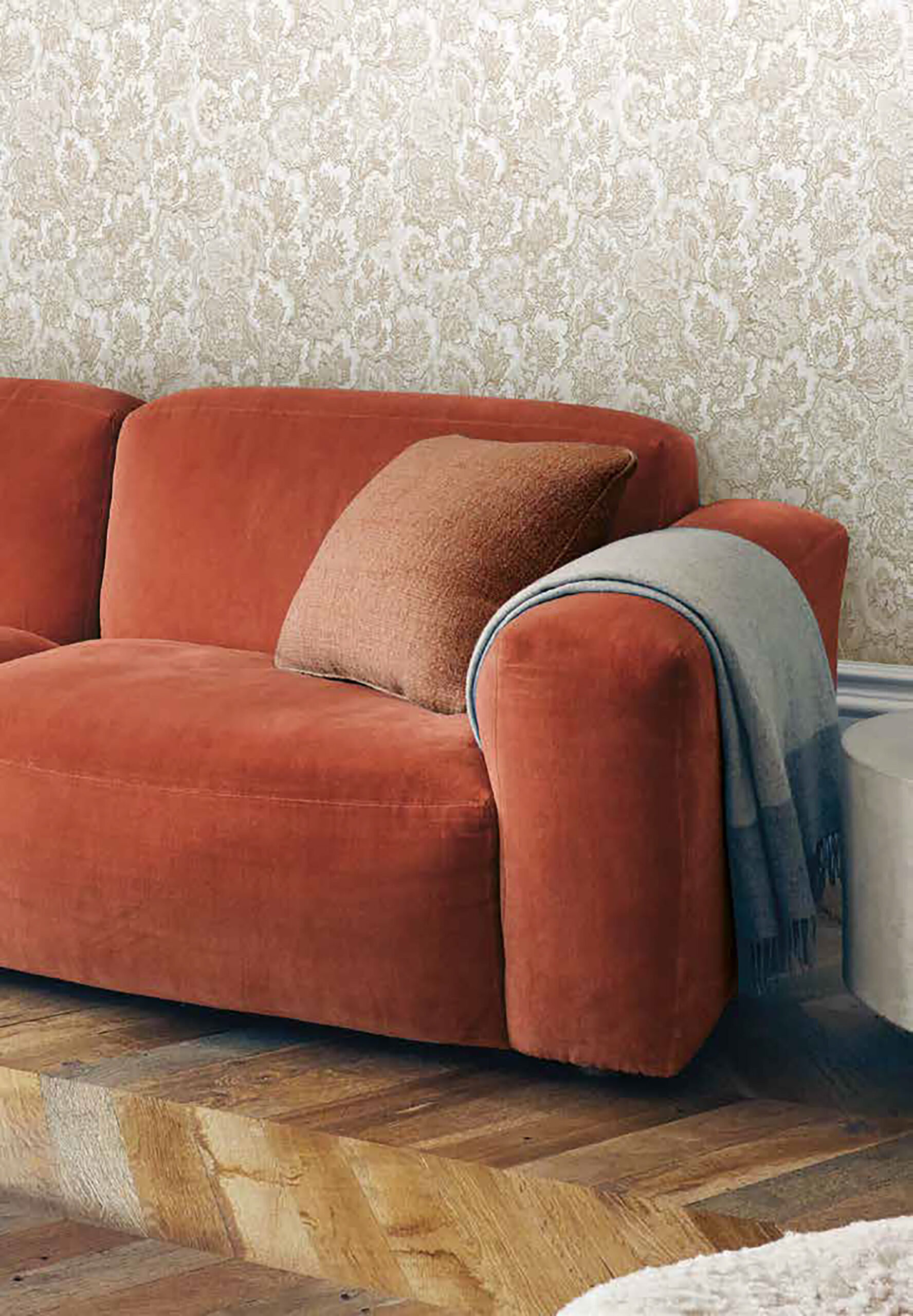
Microsuede mimics the napped surface of genuine suede leather. It has a velvety directional pile that changes shade when brushed, creating visual richness. Microsuede is the most popular microfibre variant for residential sofas and armchairs, available in a wide colour range from warm neutrals to deep jewel tones.
Microfibre Chenille
Chenille-style microfibre uses tufted yarns to create a plush, tactile surface with more depth than flat microsuede. It suits luxurious seating — deep sofas, reading chairs, bedroom chaises — where comfort is the priority. The tufted surface hides wear patterns effectively.
Performance Microfibre
Engineered for commercial and heavy-duty residential use, performance microfibre undergoes additional treatments for enhanced UV resistance, antimicrobial protection and fire retardancy. These fabrics are specified for hotel furniture, healthcare seating and restaurant banquettes where durability requirements exceed standard residential thresholds.
Recycled Microfibre
Eco-conscious options made from recycled PET bottles are increasingly available. These fabrics perform identically to virgin microfibre while diverting plastic waste from landfill. GRS (Global Recycled Standard) certification verifies recycled content claims.
Performance Advantages for Singapore Homes
Microfibre upholstery fabric addresses several challenges specific to life in Singapore:
- Humidity resistance: Unlike natural fibres such as cotton or linen, microfibre does not absorb atmospheric moisture. In Singapore’s 80+ per cent relative humidity, this prevents the musty smell and damp feel that can develop in absorbent upholstery, even in non-air-conditioned rooms.
- Stain resistance: The tight fibre structure repels liquid spills, allowing time to blot before absorption occurs. Coffee, juice and food stains — common hazards in family living rooms — clean up more easily from microfibre than from natural fabrics.
- Colour retention: Synthetic fibres hold dye more permanently than most natural alternatives. Microfibre upholstery resists fading from sunlight exposure, a valuable quality in Singapore where west-facing windows receive intense afternoon sun.
- Allergen resistance: The dense weave discourages dust mite colonisation, making microfibre a sensible choice for allergy-prone households.
- Abrasion resistance: Quality microfibre achieves Martindale ratings of 50,000 to 100,000 rubs — far exceeding the 15,000-rub minimum for residential use and even surpassing many commercial requirements.
How Microfibre Compares to Other Upholstery Options
| Property | Microfibre | Genuine Leather | Cotton/Linen |
|---|---|---|---|
| Softness | Excellent (suede-like) | Good (improves with age) | Good (varies by weave) |
| Stain resistance | High (structural) | Moderate (requires conditioning) | Low (absorbs readily) |
| Humidity tolerance | Excellent | Moderate (can mildew) | Poor (absorbs moisture) |
| Durability | Very high | Very high | Moderate |
| Pet friendliness | Excellent (resists claws and hair) | Moderate (scratches visible) | Poor (snags and absorbs odour) |
| Price range | Mid-range | High | Low to mid-range |
For families weighing upholstery fabric options, microfibre occupies a sweet spot between the luxury of leather and the affordability of natural textiles, with practical performance that often surpasses both.
Care and Maintenance
Maintaining microfibre upholstery is straightforward, but the correct approach depends on the fabric’s cleaning code:
- Code W (water-based cleaning): Clean with water-based solutions and a soft cloth. Most residential microfibre falls into this category.
- Code S (solvent-based cleaning): Requires solvent-based cleaners only. Water can leave watermarks. Check the fabric label before cleaning.
- Code SW: Accepts both water and solvent-based cleaning methods.
General maintenance tips for Singapore conditions:
- Vacuum weekly with an upholstery brush to remove surface dust and prevent it compacting into the pile.
- Blot spills immediately with a dry white cloth. Press firmly but do not rub.
- For stubborn marks on Code W fabrics, apply a small amount of mild detergent diluted in warm water, blot and allow to air dry.
- Brush the nap with a soft-bristled brush after cleaning to restore the fabric’s directional sheen.
- Avoid placing microfibre furniture in direct contact with wet walls or near unventilated bathrooms where sustained moisture exposure could occur.
Final Thoughts
Microfibre upholstery fabric delivers an exceptional combination of comfort, durability and easy maintenance that suits Singapore’s climate and lifestyle demands. From family sofas to commercial lounge seating, it offers reliable performance without sacrificing aesthetic appeal.
Modern microfibre has evolved well beyond its utilitarian origins — today’s options replicate the look and feel of luxury materials while outperforming them in practical terms.
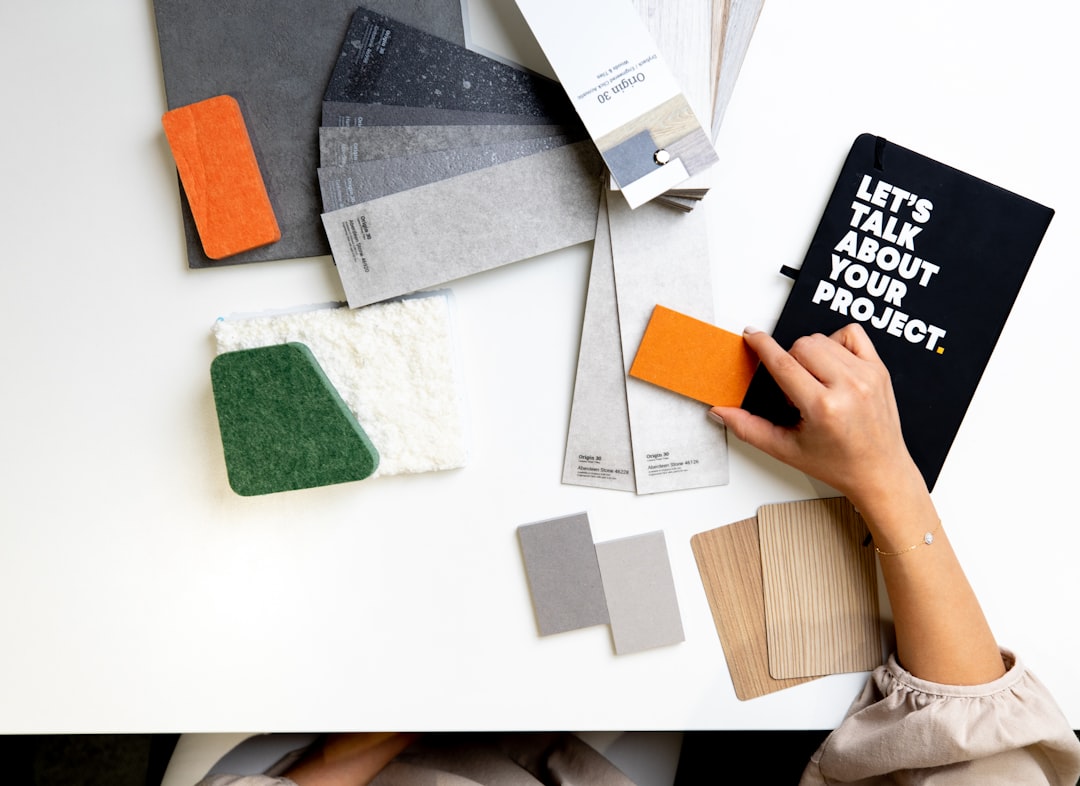
Request free samples from our Singapore showroom to feel the difference between microfibre and other upholstery options firsthand.