Wallpaper & Wallcovering
Natural Wallcoverings: Cork, Sisal, Jute and Bamboo Walls
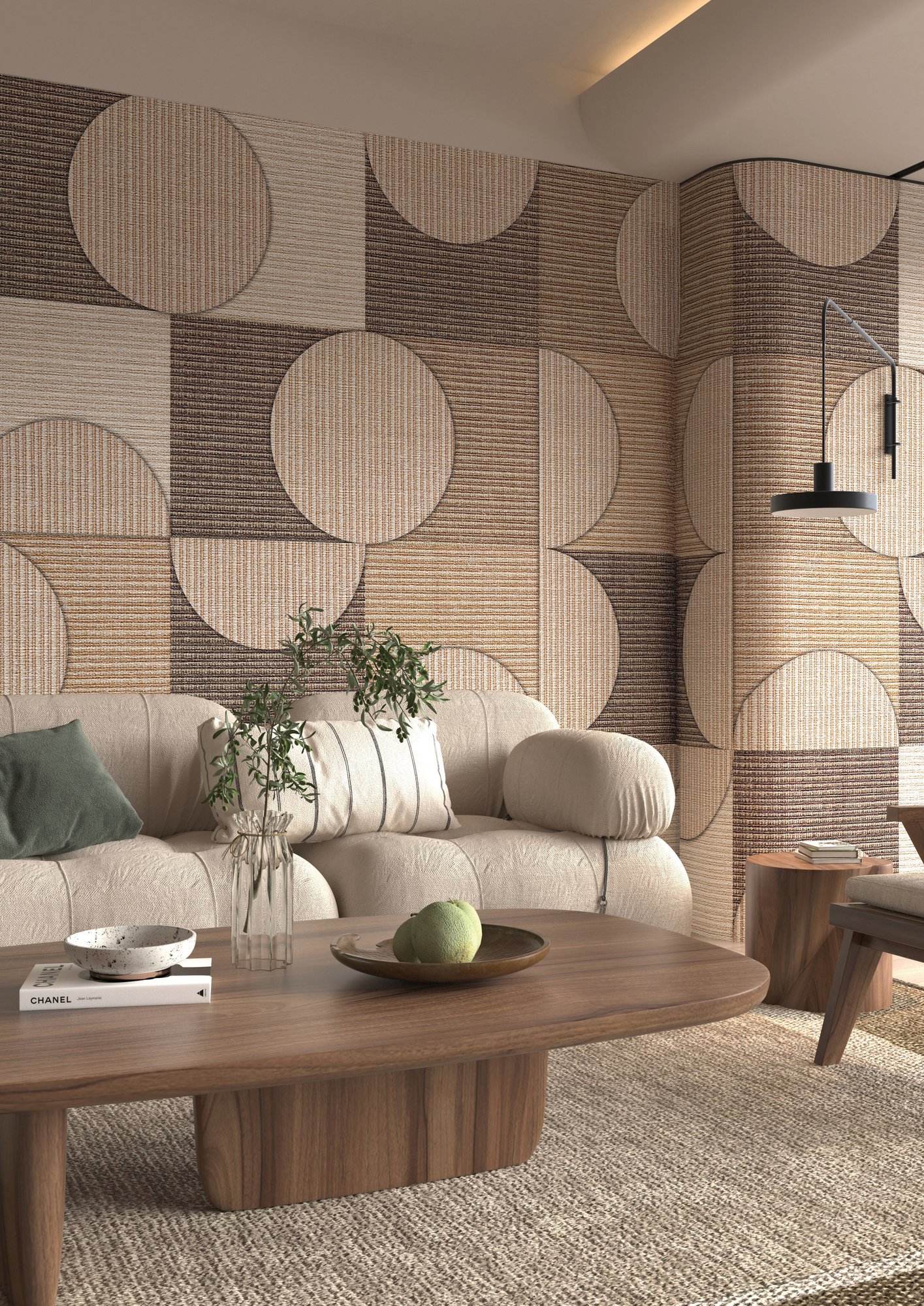
A natural wallcovering does something no printed product quite manages: it puts a real material on the wall. Cork with its warm, speckled grain, sisal and jute with their visible weave, bamboo with its fine linear rhythm — these surfaces bring organic texture and quiet character to a room, and they have become firm favourites in Singapore homes leaning towards biophilic, Japandi, and resort-style interiors.
This guide rounds up the main natural wallcovering materials — cork, sisal, jute, bamboo, and the felt-look textiles — with honest notes on where each performs, what it costs in care, and how the category fits a more sustainable renovation.
Why Choose a Natural Wallcovering?
Three reasons come up again and again in projects. First, texture with authenticity: natural fibres have irregularity — shade variation, visible weave, seams that show — that printed imitations can only approximate, and that irregularity is exactly what makes a room feel layered and warm. Second, acoustics: fibrous surfaces soften echo in a way painted plaster never will, a real benefit in hard-surfaced Singapore flats. Third, sustainability: most of these materials are rapidly renewable plant fibres, a meaningful consideration if you are already choosing low-VOC and responsibly sourced finishes.
The honest trade-off is care. Naturals are generally not scrubbable, prefer air-conditioned rooms in our humidity, and reward gentle maintenance — vacuuming with a brush attachment rather than wiping. They belong in living rooms, bedrooms, studies, and feature walls, not kitchens or bathrooms.
Cork Wallcoverings
Cork is shaved from the bark of the cork oak, which regenerates after harvesting — the tree is never felled, making cork one of the most genuinely renewable materials in interiors. On the wall, cork delivers a warm, honeyed surface with a distinctive speckled grain, often applied as a thin veneer over a backing, sometimes with metallic underlays that glint through the pores.
Cork’s natural advantages go beyond looks: it is inherently sound-absorbing, slightly cushioned to the touch, and naturally resistant to mould when kept in conditioned spaces. It suits studies, home offices, and bedroom feature walls — anywhere warmth and quiet are the brief. Darker stained corks read as sophisticated rather than rustic, pairing well with brass and deep timber tones.
Sisal Wallcoverings
Sisal fibre comes from the agave plant, and woven sisal wallcoverings have a crisp, structured texture — tighter and more uniform than jute, with a subtle sheen. The weave gives walls a tailored, almost suiting-like quality that works beautifully in studies, dining rooms, and formal living spaces.
Sisal takes dye well, so beyond the natural oatmeal tones you will find deep greens, indigos, and charcoals that make richly coloured feature walls with texture built in. Like all woven naturals, it shows its seams; a good installer will plan panel layout so the rhythm reads as intentional.
Jute Wallcoverings
Jute — the fibre of hessian and gunny sacks — is the most relaxed of the woven naturals. Its looser, more irregular weave and warm golden tone give rooms a laid-back, resort-like feel, closer to a beach house than a boardroom. It is typically the most affordable entry into woven natural walls.
Jute suits bedrooms, casual living areas, and cafes chasing a natural, unpolished warmth. It is the most texturally forgiving of wall imperfections among the weaves, though also the softest fibre — keep it away from high-contact zones like narrow hallways.
Bamboo Wallcoverings
Bamboo wallcoverings arrange fine strips or woven bamboo fibre on a backing, producing a linear, softly striped surface that suits tropical and Japandi schemes alike. Bamboo is among the fastest-growing plants on earth, giving it strong renewable credentials, and its natural silica content makes the surface a little harder-wearing than the soft-fibre weaves.
Use it where you want rhythm and calm rather than pattern — behind a bed, along a dining wall, or in a meditation or yoga corner. Its gentle verticality can also visually lift the standard 2.6-metre ceiling of an HDB flat.
Felt-Look and Wool-Blend Wallcoverings
Rounding out the natural family are the felt-look textiles — wool blends and brushed fibres with a matt, soft-touch surface. They are the quietest of the group visually, but the strongest acoustically: a felt-textured wall noticeably softens echo in home offices and media rooms. For workplaces, purpose-made acoustic products take this further; see our guide to acoustic wallcoverings for offices.
What About Grasscloth?
Grasscloth — hand-woven arrowroot, seagrass, and mixed grasses on a paper backing — is the best-known natural wallcovering of all, and it deserves its own space. We have covered it fibre by fibre, including care and installation advice, in our dedicated guide to grasscloth wallpaper, so we will simply say here: if the woven naturals in this article appeal, grasscloth belongs on your shortlist too.
Comparing the Natural Wallcovering Materials
| Material | Look and feel | Best rooms | Notable strength |
|---|---|---|---|
| Cork | Warm, speckled, slightly cushioned | Studies, bedrooms, offices | Acoustic warmth, renewable harvest |
| Sisal | Crisp, structured weave | Dining rooms, formal spaces | Tailored texture, rich dyed colours |
| Jute | Loose, golden, relaxed | Bedrooms, casual living | Affordable, forgiving texture |
| Bamboo | Fine linear rhythm | Tropical, Japandi schemes | Fast-renewing, harder surface |
| Felt-look | Matt, soft, quiet | Media rooms, home offices | Best acoustic softening |
Installing and Living with Natural Wallcoverings
Natural wallcoverings ask more of the installer than printed rolls do. Panels must be laid out so seams and shade variation read as deliberate rhythm; clear, non-staining adhesives are essential because paste that bleeds through a fibre face cannot be removed; and trimming woven materials cleanly takes sharper tools and steadier hands than paper. This is one category where professional installation is not a luxury — an experienced hanger is the difference between a wall that looks crafted and one that looks patched.
Day to day, care is simple but specific: vacuum with a soft brush attachment rather than wiping, blot (never rub) any accidental splash immediately, and keep the room ventilated or air-conditioned so humidity never settles into the fibres. Position naturals away from direct afternoon sun, which mellows some fibres beautifully but fades dyed products unevenly. Treated this way, a natural wall ages the way good timber furniture does — gaining character rather than losing it.
Naturals and the Sustainable Renovation
Plant-fibre wallcoverings sit naturally within a lower-impact renovation: the raw materials are renewable, and many collections use recycled backings and water-based finishes. The full picture includes adhesives, coatings, and certifications, which we unpack in our guides to sustainable wallcovering options and eco-friendly wallpaper in Singapore. If sustainability is driving the choice, ask for the environmental documentation of the specific collection — credentials vary product by product, not category by category.
Final Thoughts
Natural wallcoverings trade a little convenience for a lot of character: real cork, sisal, jute, and bamboo bring texture, acoustic softness, and renewable credentials that printed products cannot fully replicate. Keep them in conditioned, lower-traffic rooms, plan the seams and lighting, budget for an experienced installer, and they will reward you for years — quietly improving the sound of the room as well as the look of it. Browse the wallpaper and wallcovering collection to explore the natural ranges alongside their easier-care lookalikes.
Request free samples of cork, sisal, jute, and bamboo wallcoverings — texture is exactly what a screen cannot show you.