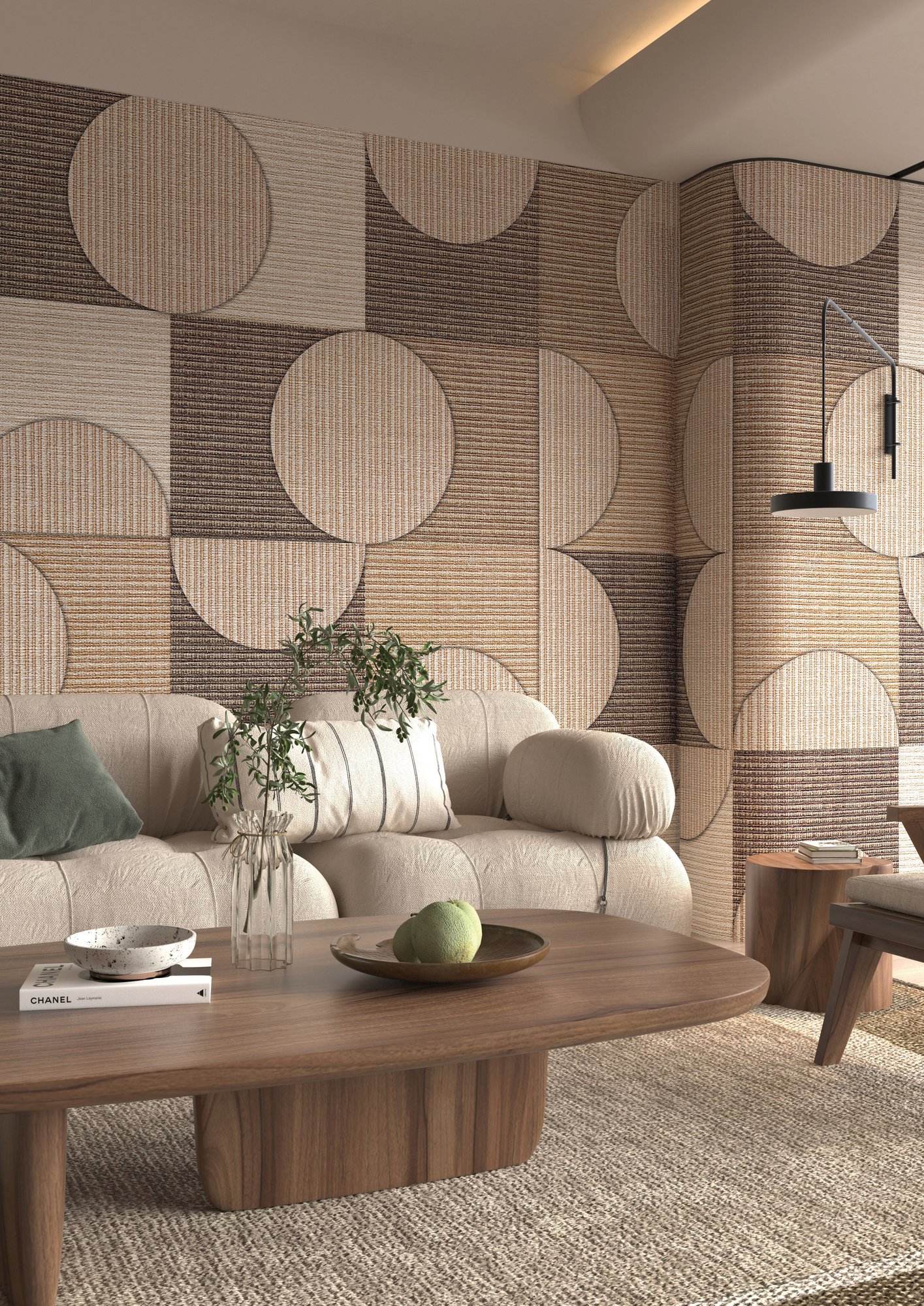
Wallpaper & Wallcovering
Textured Wall Paint vs Wallpaper: Which is Better?
Textured wall paint vs wallpaper is a debate that surfaces in nearly every Singapore renovation project. Both options promise to add dimension and character to flat walls, but they differ significantly in application, durability, design range, and long-term maintenance. Making the right choice depends on your budget, aesthetic goals, and how much upkeep you are willing to invest.
This guide compares both wall finishes across the criteria that matter most for Singapore homeowners, interior designers, and property developers.
Understanding Textured Wall Paint
Textured paint — also known as texture coating or special-effect paint — creates a three-dimensional surface using thickened paint, additives, or application techniques. Common textures include sand finish, stone effect, concrete wash, skim coat effects, and stucco-like surfaces.
Application methods vary from roller and brush techniques to specialised trowelling and sponging. Some textured paints use actual aggregate particles mixed into the paint, while others rely on the applicator’s technique to build up surface texture.
Textured paint is applied directly to the wall surface, typically over a primer coat. The result is a permanent, integral part of the wall that cannot be peeled off — it must be sanded or skim-coated over if you want to change it.
Understanding Modern Wallpaper
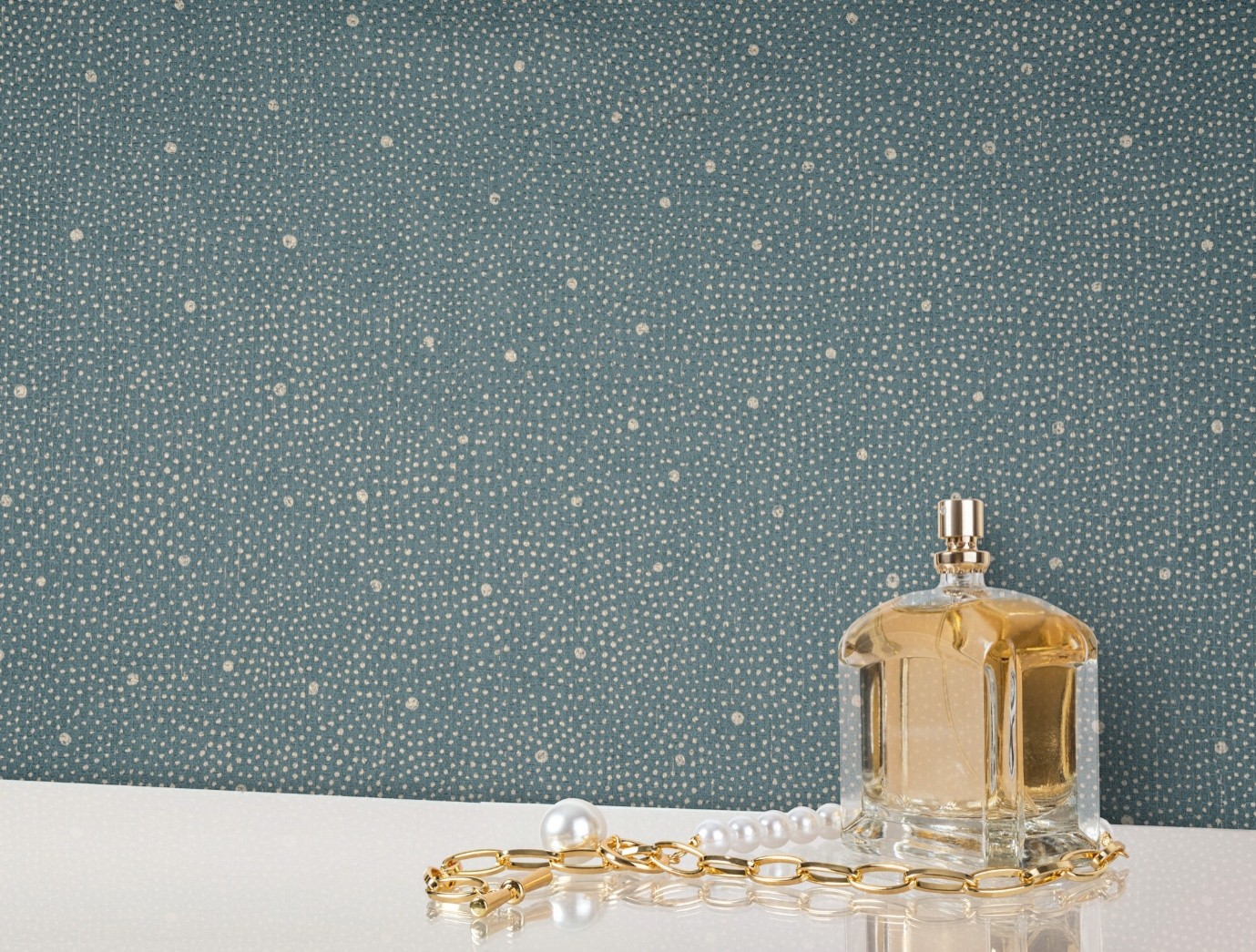
Modern wallpaper encompasses a wide range of materials, from vinyl and non-woven options to grasscloth, fabric-backed wallcoverings, and digitally printed murals. Many wallpapers themselves offer textured surfaces — embossed patterns, woven textures, and raised designs that rival or exceed the tactile quality of textured paint.
Wallpaper is applied using adhesive (paste-the-wall or paste-the-paper methods) and can be removed and replaced when you want a change. Non-woven wallpapers, which dominate the market today, strip off cleanly in full sheets, making future updates straightforward.
Head-to-Head Comparison
| Factor | Textured Wall Paint | Wallpaper |
|---|---|---|
| Design variety | Limited to paint textures and colours | Thousands of patterns, textures, and finishes |
| Ease of application | Requires skilled painter for even results | Professional installation recommended |
| Durability | Prone to cracking and chipping over time | Commercial-grade vinyl lasts 10-15 years |
| Moisture resistance | Varies; many trap moisture behind texture | Vinyl and non-woven types resist humidity well |
| Maintenance | Difficult to clean; texture traps dust | Washable options wipe clean easily |
| Removal / updating | Requires sanding or skim-coating over | Non-woven types strip off cleanly |
| Cost (per sq metre) | S$8-25 for material and labour | S$10-40 for material and installation |
| Acoustic benefit | Minimal | Fabric-backed types absorb sound |
Design Flexibility and Aesthetic Range
This is where wallpaper holds a decisive advantage. Textured paint is limited to surface texture variations and the colour palette of the paint system. You can achieve a sand finish, a concrete wash, or a stucco effect — but the design vocabulary is relatively narrow.
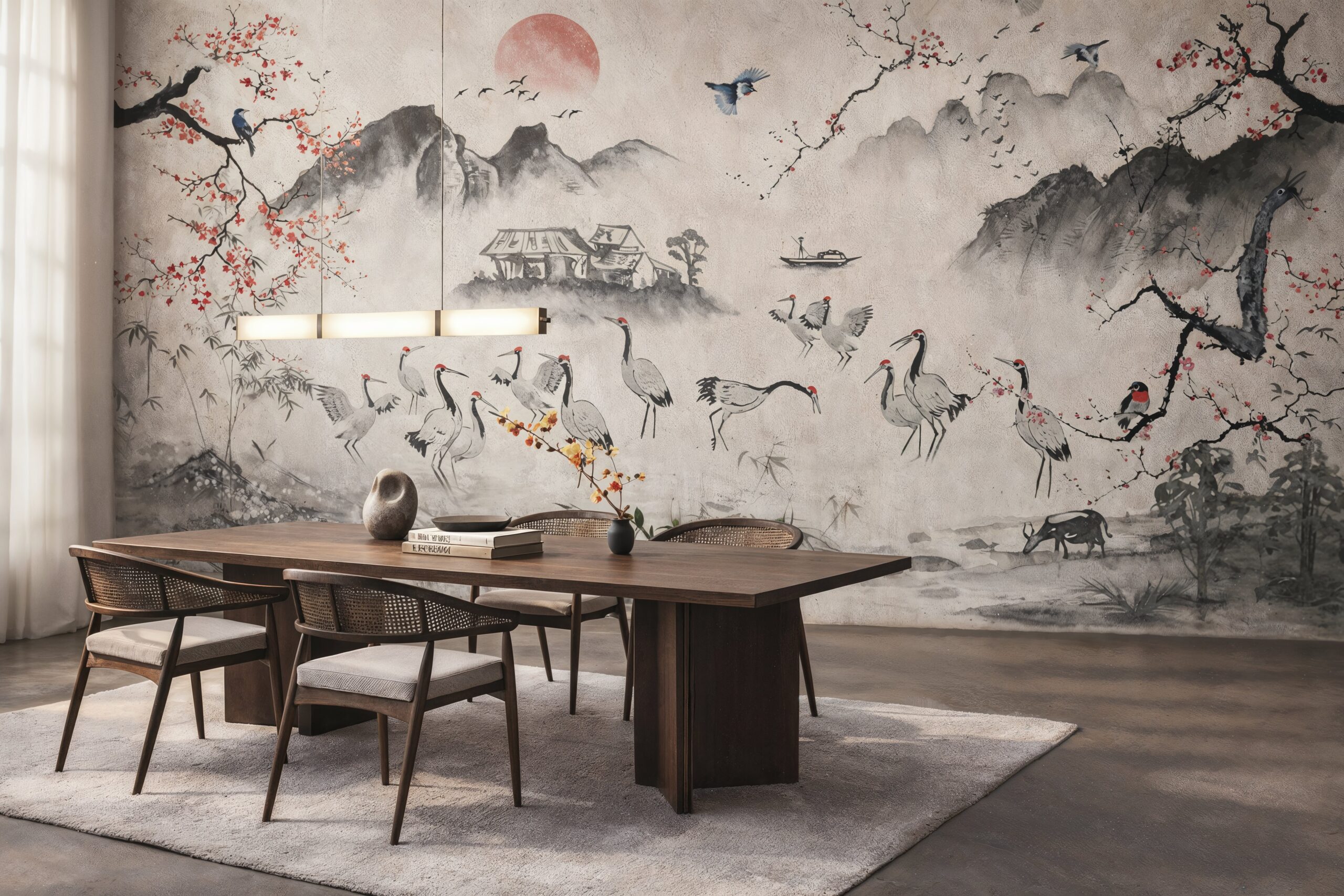
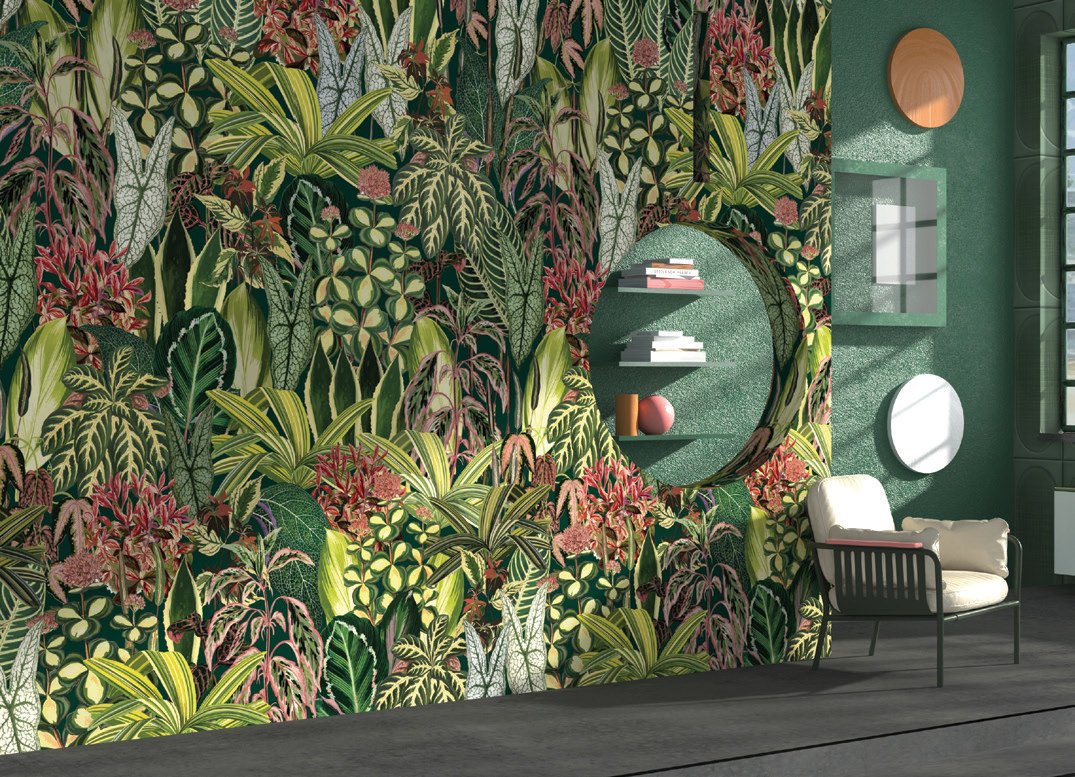
Wallpaper opens up an entire world of patterns, motifs, and effects. Floral, geometric, botanical, abstract, photographic, metallic, grasscloth, silk-effect, marble-look, wood-grain, and countless other designs are available in textures that range from smooth to deeply embossed. The Goodrich Global wallpaper collection alone encompasses over 700 products from Japanese and European manufacturers, offering a breadth of choice that no paint system can match.
For designers working on residential projects in Singapore, this variety makes wallpaper a far more versatile tool for achieving specific design visions, whether that is a Peranakan-inspired accent wall, a Japandi minimalist texture, or a luxurious silk-effect master bedroom.
Durability in Singapore’s Climate
Singapore’s high humidity and temperature are critical factors in this comparison.
Textured paint can be problematic in humid environments. The crevices and ridges that create the texture also trap moisture, which can lead to mould growth within the textured surface. Once mould establishes itself in the grooves of textured paint, it is extremely difficult to remove without damaging the finish. Repainting textured walls is also more complex than repainting flat surfaces, as the texture must be matched precisely.
Quality wallpaper engineered for tropical climates — particularly vinyl-coated and non-woven products — resists moisture penetration and can be wiped clean. Japanese wallcoverings, which are manufactured for similarly humid conditions, perform exceptionally well in Singapore. If mould appears on a wallpapered surface (usually due to a wall moisture issue rather than the wallpaper itself), the wallpaper can be removed, the wall treated, and new wallpaper applied.
Practical Considerations for Different Property Types
HDB Flats
For HDB renovations, both options are feasible. However, wallpaper offers more practical advantages. BTO flat walls are typically smooth and ready for wallpaper application without additional preparation. Textured paint on HDB walls can look dated within a few years and is costly to remove when tastes change. Wallpaper can be updated more easily during subsequent renovations.
Condominiums
Condo owners often value the ability to personalise their space without permanent alterations. Strippable wallpaper is ideal for this — it allows bold design choices that can be reversed when selling or re-letting the unit. Textured paint, once applied, is a more permanent commitment that may not suit the next owner’s taste.
Landed Properties
Landed homes with larger wall surfaces and higher ceilings can accommodate either option. Textured paint works well for exterior-facing walls and outdoor-adjacent areas where a rugged, weathered look is desired. For interior living spaces, wallpaper provides superior design control and a more refined finish.
Commercial Spaces
In office, retail, and hospitality settings, commercial-grade wallcovering is the clear winner. It meets fire safety requirements, offers consistent results across large wall areas, and can be specified to exact performance standards. Textured paint is harder to specify consistently and may not meet SCDF fire-rating requirements for commercial interiors.
Long-Term Cost Analysis
While textured paint may appear less expensive per square metre initially, the total cost of ownership often favours wallpaper.
Textured paint requires touch-ups every three to five years as the finish chips, cracks, or discolours. Matching the original texture during touch-ups is challenging, often resulting in visible patches. A full repaint of textured walls costs more than repainting flat walls due to the additional material and labour involved.
Quality wallpaper, properly installed, maintains its appearance for seven to fifteen years depending on the product and location. When it is time for a change, non-woven wallpaper strips off cleanly, and the wall is ready for the next treatment with minimal preparation.
For property developers and interior designers specifying finishes for multiple units, wallpaper also offers greater consistency. Every roll produces an identical result, whereas textured paint varies with the applicator’s technique, making uniform results across multiple rooms or units more difficult to achieve.
Final Thoughts
Both textured wall paint and wallpaper add dimension to Singapore interiors, but they serve different purposes and perform differently over time. Textured paint offers a tactile, artisanal quality suited to specific design styles, while wallpaper provides vastly greater design flexibility, easier maintenance, and better long-term durability in our tropical climate.
For most Singapore homes and commercial spaces, modern wallpaper is the more versatile, practical, and cost-effective choice over the long term.
Request free samples from our Singapore showroom to compare textures, finishes, and patterns side by side before making your decision.