Wallpaper & Wallcovering
Two-Tone Wallpaper Ideas | Mixing Patterns and Colours
What Is Two-Tone Wallpaper?
Two-tone wallpaper refers to the practice of using two different wallpapers — whether contrasting colours, complementary patterns, or a mix of both — within a single room or across adjacent walls. This design technique adds visual depth and interest that a single wallpaper cannot achieve on its own.
When done well, two-tone wallpaper creates a layered, considered interior that feels both dynamic and cohesive. When done poorly, it looks disjointed and cluttered. This guide covers the principles and practical approaches that lead to beautiful results in Singapore homes.
Why Two-Tone Wallpaper Works
Using two wallpapers in a room offers several design advantages:
- Visual hierarchy. Different wallpapers naturally direct the eye, allowing you to highlight a feature wall or architectural element while keeping other walls supportive.
- Spatial illusion. Lighter colours on some walls and darker tones on others can manipulate the perceived proportions of a room — useful in Singapore’s compact flats.
- Personal expression. Two-tone designs allow you to blend design influences. You might combine a modern geometric with a classic texture, reflecting a design sensibility that is uniquely yours.
- Practical zoning. In open-plan spaces, different wallpapers can define functional zones — dining versus living, work versus relaxation — without physical dividers.
Approaches to Two-Tone Wallpaper Design
Pattern and Plain
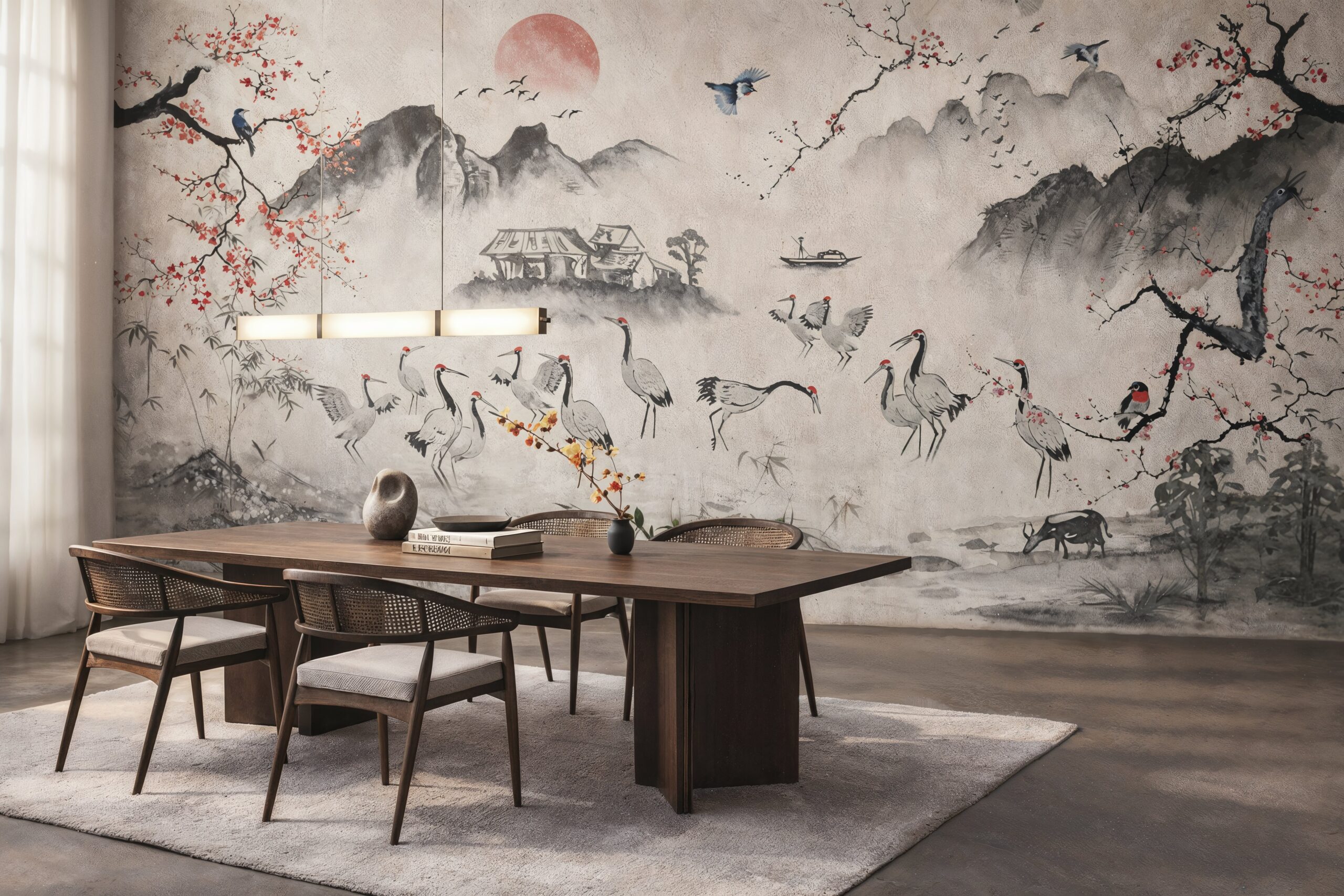
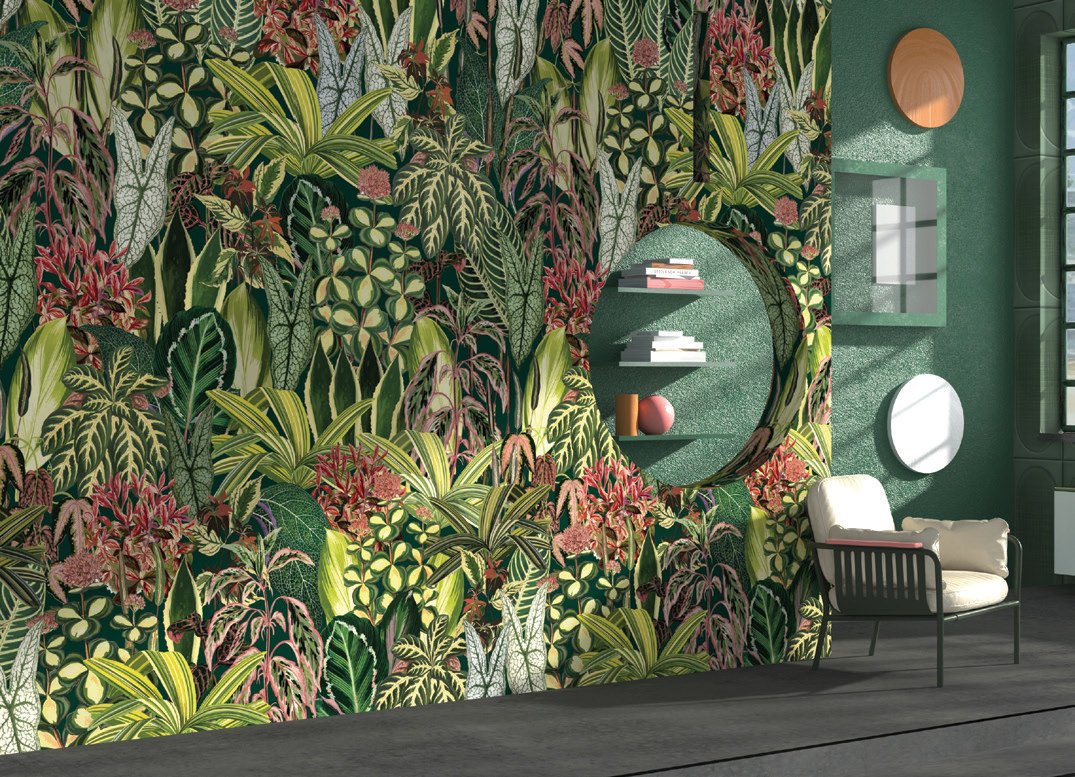
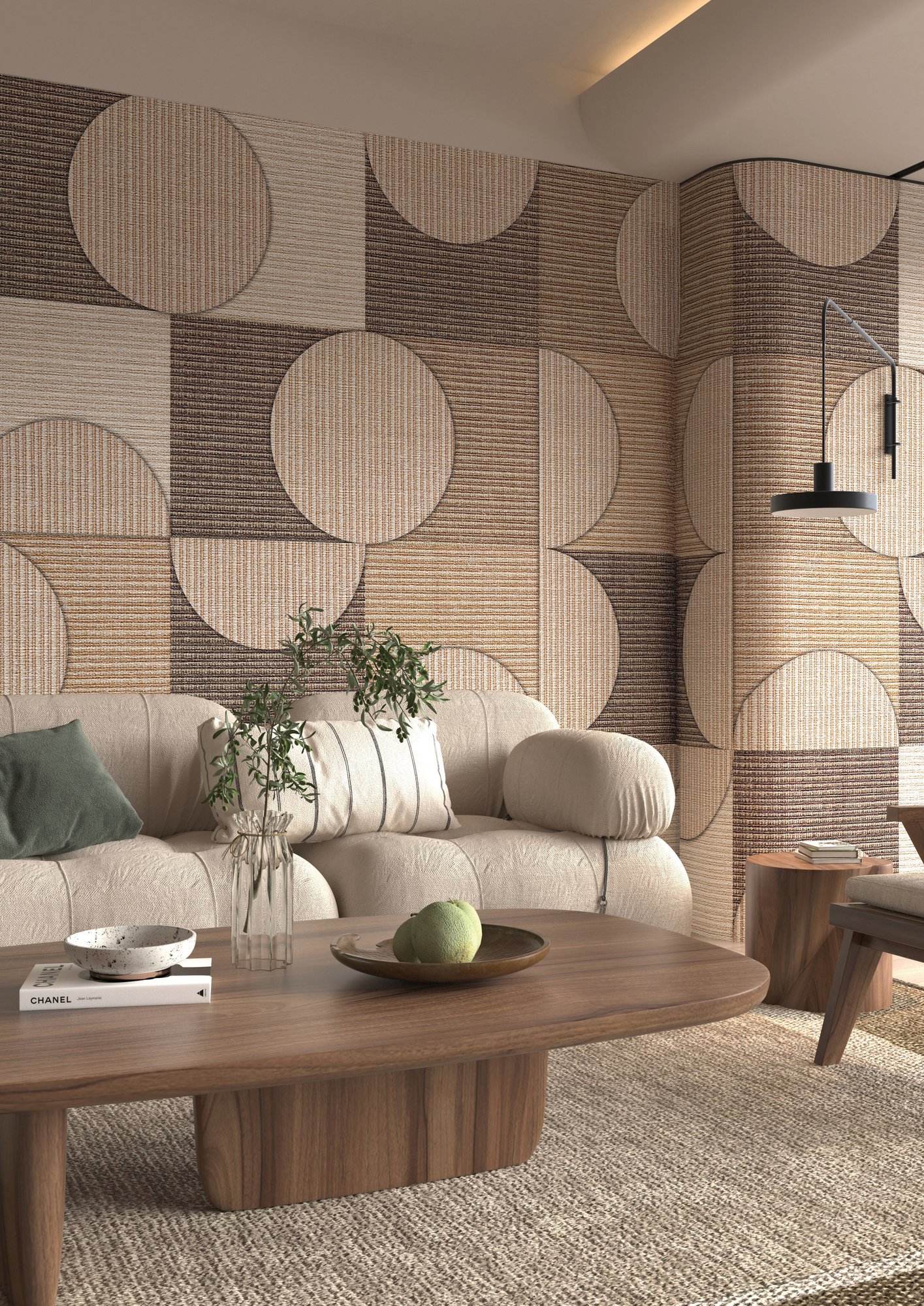
The most accessible two-tone approach pairs a patterned wallpaper with a coordinating plain or textured wallpaper. The patterned paper goes on the feature wall — typically behind the sofa, bed, or TV console — while the plain paper wraps the remaining walls.
This works because the plain wallpaper provides visual rest, allowing the pattern to shine without competition. Choose a plain paper that picks up the background colour of the patterned design for seamless coordination.
For example, a botanical print with a soft grey background pairs beautifully with a grey linen-textured wallpaper on the adjacent walls. The effect is unified yet layered.
Two Complementary Patterns
Using two different patterns is bolder but can be stunning when the patterns share a common thread. The key is to vary the scale: pair a large-scale pattern with a smaller one in coordinating colours.
A large damask on one wall with a fine pinstripe on the others, both in the same colour family, creates depth without chaos. Similarly, a bold geometric can work alongside a subtle tone-on-tone texture if the colours align.
Avoid combining two patterns of similar scale and visual weight — they compete for attention and the result feels unsettled.
Horizontal Split
Dividing the wall horizontally — typically with a dado rail or a clean horizontal line — and using different wallpapers above and below is a classic technique with enduring appeal. Traditionally, a more ornate pattern goes below the rail with a simpler design above, though contemporary interpretations reverse this or use the split more creatively.
In Singapore’s modern interiors, a horizontal split can add architectural interest to plain walls without physical moulding. Use a narrow trim or even a painted line to define the division. This approach is particularly effective in hallways and bedrooms.
Colour Blocking
Colour blocking uses two solid-coloured or subtly textured wallpapers in contrasting tones. This is wallpaper at its most graphic and contemporary. A deep navy wall facing a soft blush wall creates a room that feels curated and confident.
The success of colour blocking depends on the relationship between the two colours. Complementary pairs (blue and orange, green and pink) create energy, while analogous pairs (blue and green, pink and coral) feel more harmonious. Consider the room’s furniture and soft furnishings when selecting your colour pair.
Choosing Colours That Work Together
Colour coordination is the foundation of successful two-tone wallpaper. Here are reliable approaches:
Tonal variation. Use two shades of the same colour — light sage and deep forest green, for instance. This creates depth without risk. The room feels considered and sophisticated.
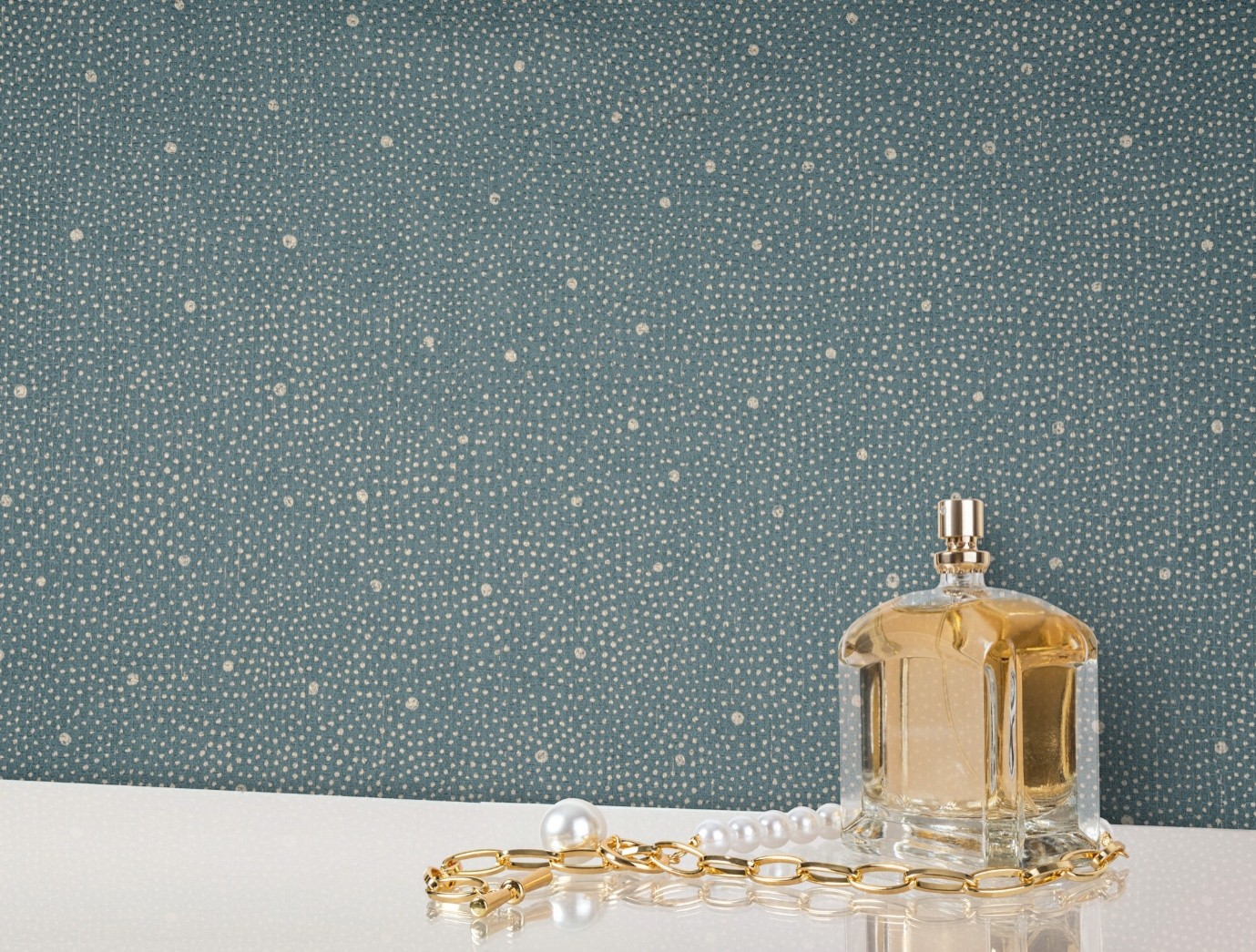
Neutral plus accent. Pair a neutral wallpaper (white, cream, grey, beige) with a single accent colour. The neutral grounds the room while the accent adds personality. This is the easiest combination to get right.
Warm and cool contrast. Combining a warm tone (terracotta, blush, gold) with a cool tone (slate, teal, navy) creates a balanced room that feels neither too cosy nor too clinical. The contrast adds energy.
Drawing from the pattern. If one of your wallpapers has a multi-coloured pattern, pull a secondary colour from that pattern for the companion wallpaper. This creates an instant, natural connection between the two.
Explore colour and pattern options in the wallpaper and wall covering collection to find combinations that inspire you.
Room-by-Room Ideas for Singapore Homes
Living room. A bold feature wall behind the sofa paired with a textured neutral on the remaining walls is the most popular approach. In HDB living rooms, this adds dimension without shrinking the space.
Bedroom. The wall behind the headboard is a natural feature wall. Pair a dramatic print here with a calm, complementary tone on the side walls to create a restful yet visually interesting retreat.
Dining area. In open-plan HDB and condo layouts, two-tone wallpaper can define the dining zone without a physical partition. Use a warmer, richer wallpaper in the dining area and a lighter tone in the adjacent living space.
Study or home office. A colour-blocked study — perhaps a deep green accent wall behind the desk with warm grey elsewhere — creates a focused, professional atmosphere.
Hallway. Narrow corridors benefit from horizontal splits. A darker tone on the lower third grounds the space, while a lighter upper section prevents the hallway from feeling closed in.
Practical Tips for Execution
- Order samples first. View both wallpapers together in your actual space, at different times of day, before committing. Colours shift dramatically between daylight and artificial light.
- Plan the transition. Where two wallpapers meet — at a corner, a dado line, or a vertical divide — the transition must be clean and intentional. Inside corners are the easiest places to switch between wallpapers.
- Consider texture as well as colour. Two flat-finish wallpapers in different colours can feel less interesting than one flat and one textured paper in similar tones. Texture adds a tactile dimension that enriches the two-tone effect.
- Keep furniture and soft furnishings in mind. Your wallpaper combination should complement, not compete with, the curtains, upholstery, and other textiles in the room.
- Use a professional installer. Precise alignment and clean transitions are essential for two-tone wallpaper to look polished. A skilled installer will ensure pattern matching and seamless junctions.
Two-tone wallpaper also works beautifully alongside other wall treatments. Pairing wallpaper with painted sections creates visual contrast at a lower cost than papering every wall. The painted sections can pick up a colour from the wallpaper pattern, creating a cohesive room without requiring double the wallpaper quantity.
When planning your layout, consider how natural light moves through the room during the day. The wall that receives the most light will draw the eye naturally — this is often the best location for your bolder wallpaper. The opposite wall, in relative shadow, works well with the quieter, supporting design.
Request free samples from our Singapore showroom to experiment with two-tone combinations before making your selection. Our design consultants can help you find pairings that bring your vision to life.
Browse our e-catalogue for the latest designs.