Wallpaper & Wallcovering
Wallpaper for Bathrooms: Moisture-Resistant Options
Wallpaper for bathroom spaces in Singapore is gaining popularity as homeowners and designers look beyond traditional tiles to create more distinctive, personality-driven wet areas. The concern that wallpaper cannot survive in a bathroom is outdated — modern moisture-resistant wallpapers are specifically engineered to withstand the humidity, steam, and occasional splashing that bathroom environments produce.
This guide covers the types of wallpaper suited to bathroom use, where to install them for best results, and how to maintain them in Singapore’s tropical climate.
Can You Really Use Wallpaper in a Bathroom?
The short answer is yes — provided you select the right product and install it in the right location within the bathroom. Not all wallpapers are suitable for wet environments, and not all bathroom surfaces face the same level of moisture exposure.
The key distinction is between areas of direct water contact (inside the shower enclosure, immediately above the bathtub) and areas of indirect moisture exposure (the wall behind the vanity, the toilet wall, the section above the tile line). Wallpaper is best used in the latter — areas that experience humidity and occasional steam but are not directly splashed with water.
For Singapore bathrooms, where humidity is already elevated year-round, choosing a wallpaper with genuine moisture resistance (not just a decorative paper with a light coating) is non-negotiable.
Types of Moisture-Resistant Wallpaper
Vinyl Wallpaper
Vinyl wallpaper is the most reliable choice for bathroom applications. It features a PVC surface layer that is impervious to moisture, making it easy to wipe clean and resistant to mould growth. Vinyl wallpaper is available in a vast range of designs — from subtle textures and linen effects to bold florals and geometric patterns — giving you complete creative freedom.
There are two main types of vinyl wallpaper:
- Solid vinyl: The vinyl layer covers the entire face of the wallpaper. This is the most moisture-resistant option and is suitable for all non-splash bathroom walls.
- Vinyl-coated: A thinner vinyl coating is applied over a paper base. Less moisture-resistant than solid vinyl, this option is better suited to powder rooms and guest bathrooms with good ventilation.
Non-Woven Wallpaper
Non-woven wallpaper is made from a blend of synthetic and natural fibres that create a breathable, dimensionally stable substrate. While not as moisture-proof as solid vinyl, non-woven wallpaper handles humidity better than traditional paper-backed products. It resists warping, does not shrink or expand, and can be wiped with a damp cloth.
Non-woven wallpaper works well in well-ventilated bathrooms where humidity levels are managed by exhaust fans or open windows. Many Japanese and European wallpaper brands available through Goodrich Global’s wallpaper range are produced on non-woven substrates.
Specialty Bathroom Wallpaper
Some manufacturers produce wallpaper specifically engineered for wet environments. These products feature enhanced water-barrier coatings, antimicrobial treatments, and adhesive compatibility designed for high-humidity conditions. While they cost more than standard vinyl, they provide an extra level of assurance for homeowners concerned about long-term performance.
Where to Install Wallpaper in a Bathroom
Strategic placement ensures your bathroom wallpaper looks stunning and lasts without moisture issues.
Best Locations
- Above the tile line: In most Singapore bathrooms, tiles extend 1.2 m to 1.5 m up the wall. The area above — which receives steam and humidity but not direct water — is ideal for wallpaper.
- Behind the vanity: The wall behind the vanity mirror is one of the most visible surfaces in the bathroom and is typically shielded from direct splashing by the vanity itself.
- Toilet wall: The wall behind or beside the toilet is usually the driest area in the bathroom and makes an excellent feature wall with wallpaper.
- Powder rooms: Half-bathrooms and powder rooms without showers have significantly lower moisture levels and can handle a wider range of wallpaper types.
Locations to Avoid
- Inside the shower enclosure: Even the most moisture-resistant wallpaper is not designed for direct, sustained water contact.
- Directly above the bathtub: Steam rises directly from bath water and concentrates on the wall above. This area is better served by tiles.
- Enclosed bathrooms without ventilation: Bathrooms with no windows and no exhaust fan trap moisture, creating conditions that even vinyl wallpaper may struggle with over time.
Design Ideas for Bathroom Wallpaper
Bathroom wallpaper opens up design possibilities that tiles alone cannot deliver.
Tropical and Botanical Prints
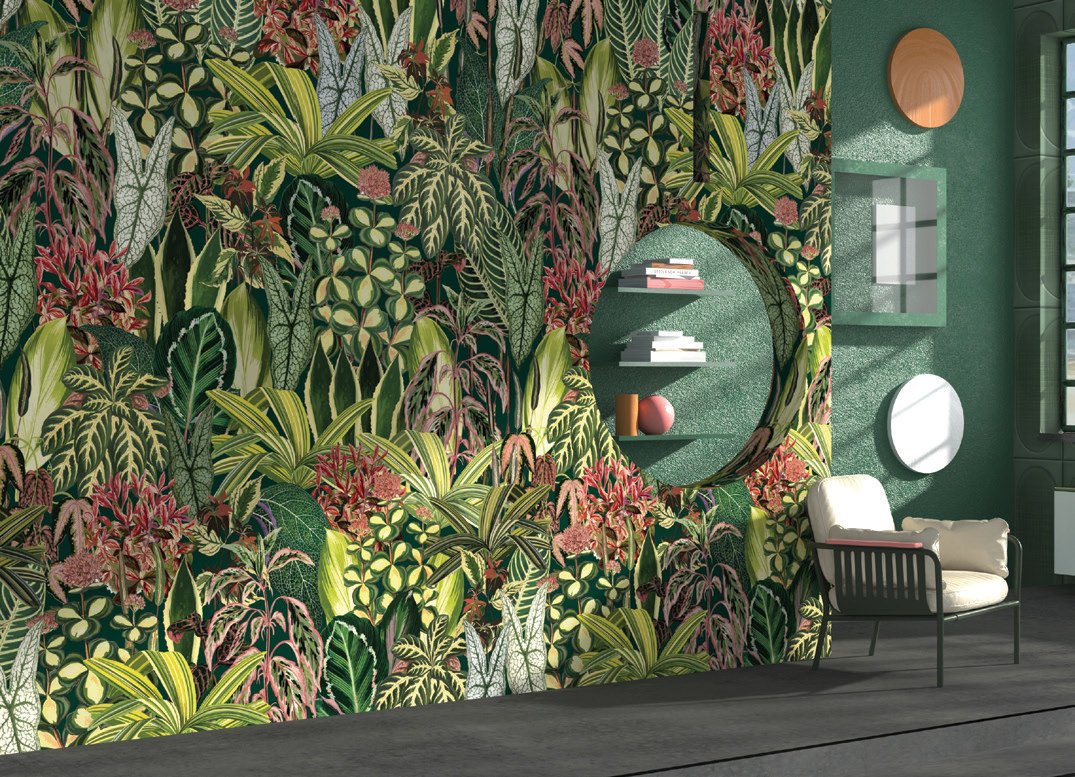
Lush botanical patterns — monstera leaves, palm fronds, tropical flowers — feel right at home in a Singapore bathroom. The combination of water, greenery, and natural light creates a spa-like atmosphere that transforms the daily routine into a more enjoyable experience.
Geometric Patterns
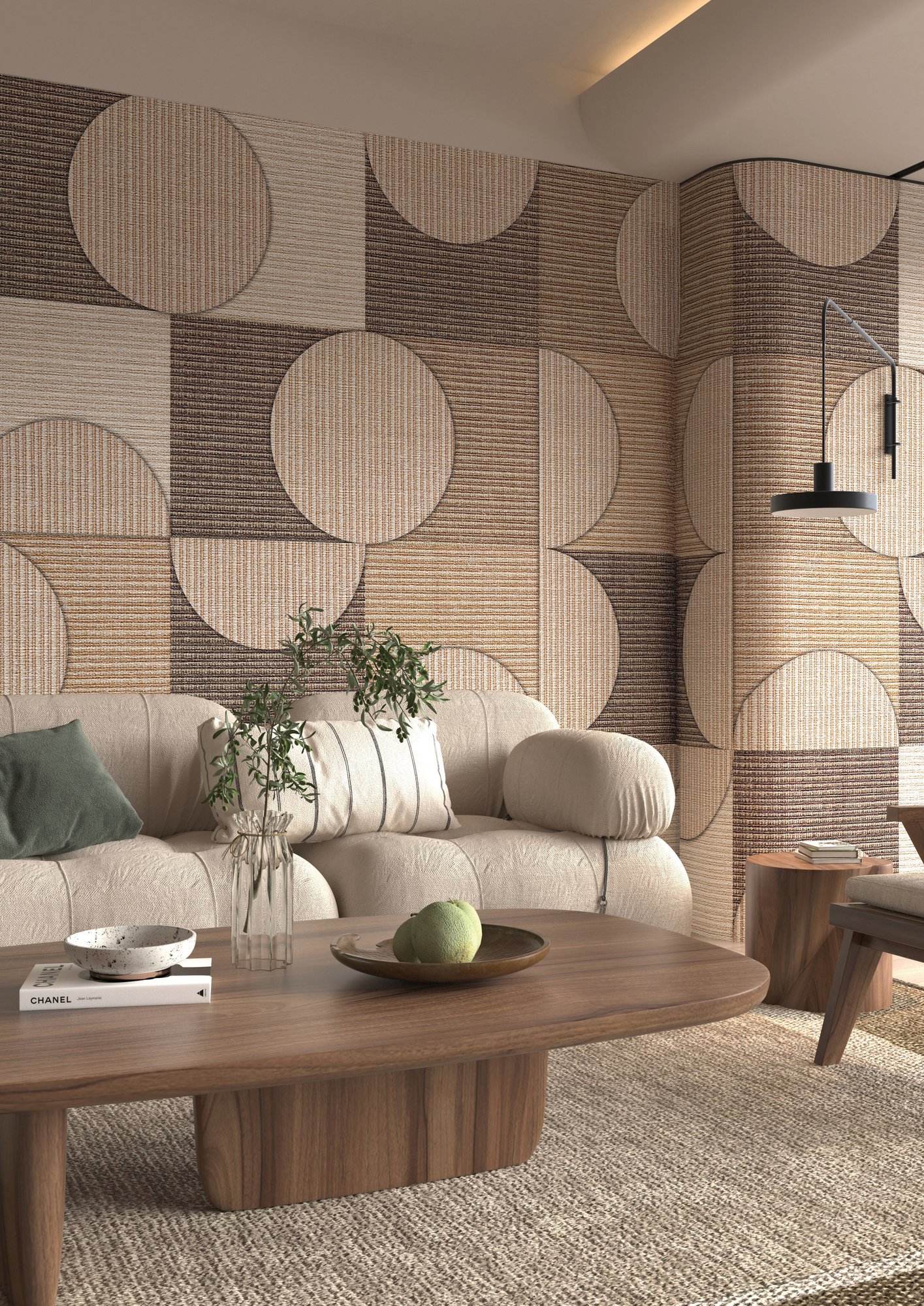
Clean geometric patterns in monochrome or tonal colourways bring a modern, structured look to bathrooms. Hexagons, chevrons, and art deco fan motifs create visual interest without overwhelming the compact proportions typical of Singapore bathrooms.
Marble and Stone Effects
Marble-effect wallpaper replicates the veined beauty of Calacatta, Carrara, or Statuario marble without the weight, cost, or maintenance of real stone. Paired with actual marble surfaces on the vanity top, this creates a cohesive luxury aesthetic.
Subtle Textures
For a more restrained approach, textured wallpaper in a single colour — linen, grasscloth effect, or fine plaster — adds depth and warmth to the walls above the tile line without introducing bold pattern. This works beautifully in minimalist and Japandi-inspired bathrooms.
Installation and Maintenance Tips
Proper installation and ongoing care are essential for bathroom wallpaper longevity.
- Use moisture-resistant adhesive: Standard wallpaper paste may fail in humid conditions. Specify an adhesive formulated for vinyl wallpaper in high-humidity environments.
- Seal edges: Apply a thin bead of clear silicone sealant where the wallpaper meets tiles, the ceiling, and any fixtures. This prevents moisture from creeping behind the paper at the edges.
- Ensure ventilation: Run the exhaust fan during and after showers to remove excess steam. If your bathroom lacks mechanical ventilation, leave the door open after bathing to allow humidity to dissipate.
- Wipe down regularly: A quick wipe with a dry or slightly damp cloth after steamy showers prevents moisture accumulation on the wallpaper surface.
- Inspect periodically: Check the edges and seams every few months for signs of peeling or moisture ingress. Early detection allows minor repairs before issues worsen.
Final Thoughts
Wallpaper for bathroom use in Singapore is a viable, stylish option when the right product is chosen and installed correctly. Vinyl and non-woven wallpapers handle humidity with confidence, and strategic placement away from direct water contact ensures long-term performance. If you are ready to move beyond the uniformity of all-tile bathrooms, wallpaper offers the design versatility to create a truly distinctive space.
Book an appointment with our design consultants to explore moisture-resistant wallpaper options for your bathroom project.