Wallpaper & Wallcovering
Wallpaper for Rental Apartments | Temporary Options
Personalising a Rental Without Permanent Changes
Living in a rented apartment in Singapore does not mean you have to accept bland, white walls for the duration of your lease. Temporary and removable wallpaper options have expanded significantly in recent years, offering renters the chance to personalise their space without risking their security deposit.
The key is choosing products and methods that transform the room while remaining fully reversible. This guide covers the options available, how to apply them successfully, and what to watch out for in Singapore’s humid climate.
Types of Temporary Wallpaper
Peel-and-Stick Wallpaper
Peel-and-stick (also called self-adhesive) wallpaper uses a pressure-sensitive adhesive that bonds to the wall when pressed and peels away cleanly when removed. It works on a similar principle to a large sticker or decal.
The advantages for renters are obvious: no paste, no water, no professional tools required. You peel the backing, press the wallpaper to the wall, and smooth it into place. When your lease ends, you peel it off, and the wall should be clean beneath.
However, peel-and-stick wallpaper has limitations in Singapore. The adhesive can struggle in high humidity, losing grip over time. Textured or freshly painted walls may not provide a smooth enough surface for reliable adhesion. And in some cases, the adhesive can pull paint off the wall during removal — particularly on older paintwork or walls that have been repainted many times.
Paste-the-Wall Wallpaper with Removable Paste
Traditional wallpaper applied with a removable adhesive paste offers a wider selection of designs and a more professional finish than peel-and-stick alternatives. The paste is applied to the wall, the wallpaper is hung in the conventional manner, and when removal time comes, the wallpaper strips off in full sheets with the paste wiping away cleanly.
This method requires more skill and preparation but delivers a result indistinguishable from permanent wallpaper. It is the better choice for living rooms and bedrooms where the wallpaper will be on display and scrutinised at close range.
Fabric Wall Panels
An alternative approach uses liquid starch to adhere fabric directly to the wall. The starch acts as a temporary adhesive that dissolves with warm water during removal. This method works with lightweight fabrics and creates a unique, textured wall finish.
Fabric panels suit renters who want a softer, more tactile wall treatment. They also add a layer of sound absorption, which is a bonus in apartments with thin walls.
Choosing the Right Walls to Wallpaper
In a rental apartment, you may not want to wallpaper every wall. A single feature wall delivers maximum impact with minimum effort and cost. Consider these locations:
- Behind the bed. A feature wall behind the headboard creates a focal point in the bedroom without the need for artwork or additional decoration.
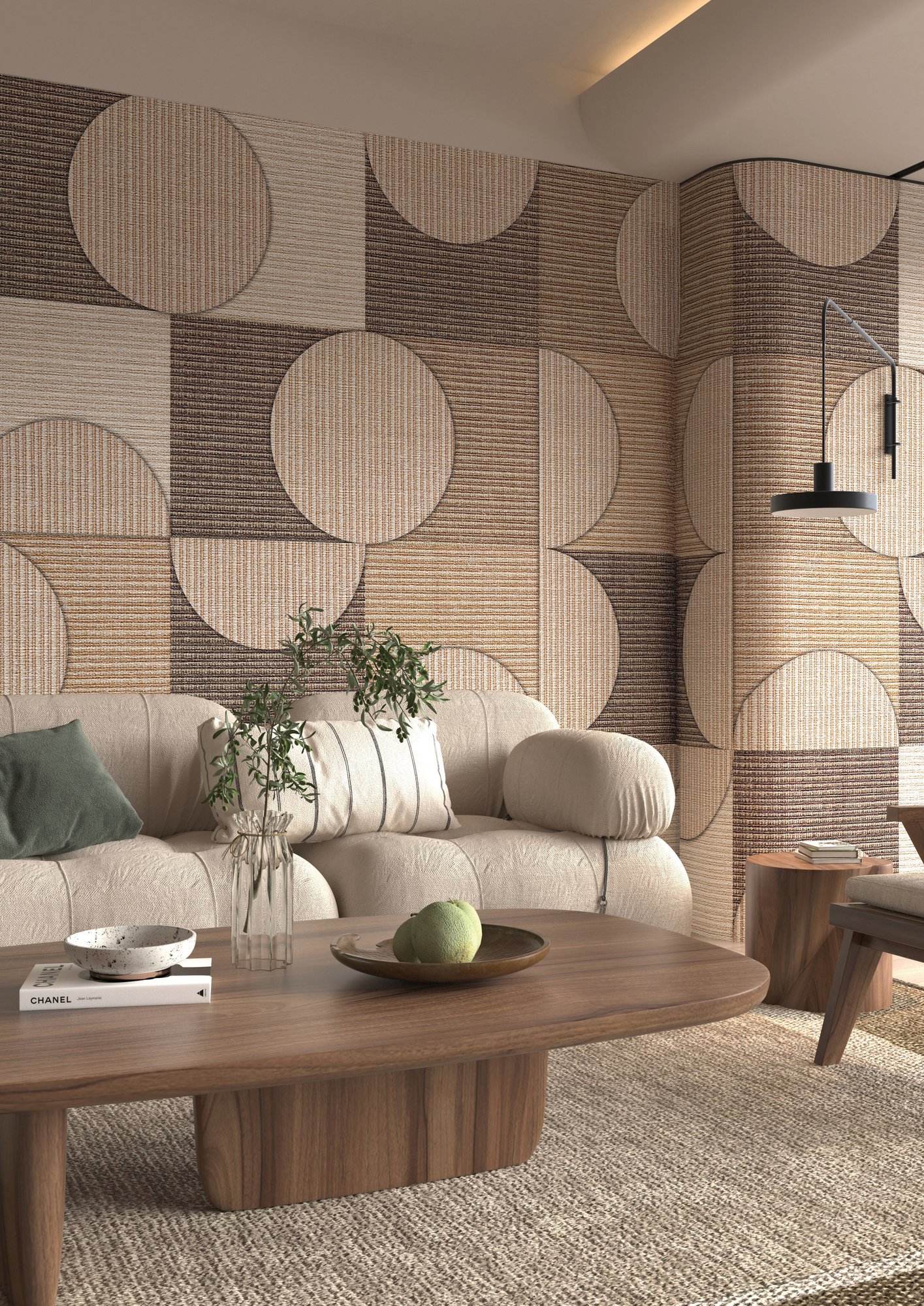
- The living room accent wall. The wall behind the sofa or the TV console is a natural candidate for a bold wallpaper treatment.
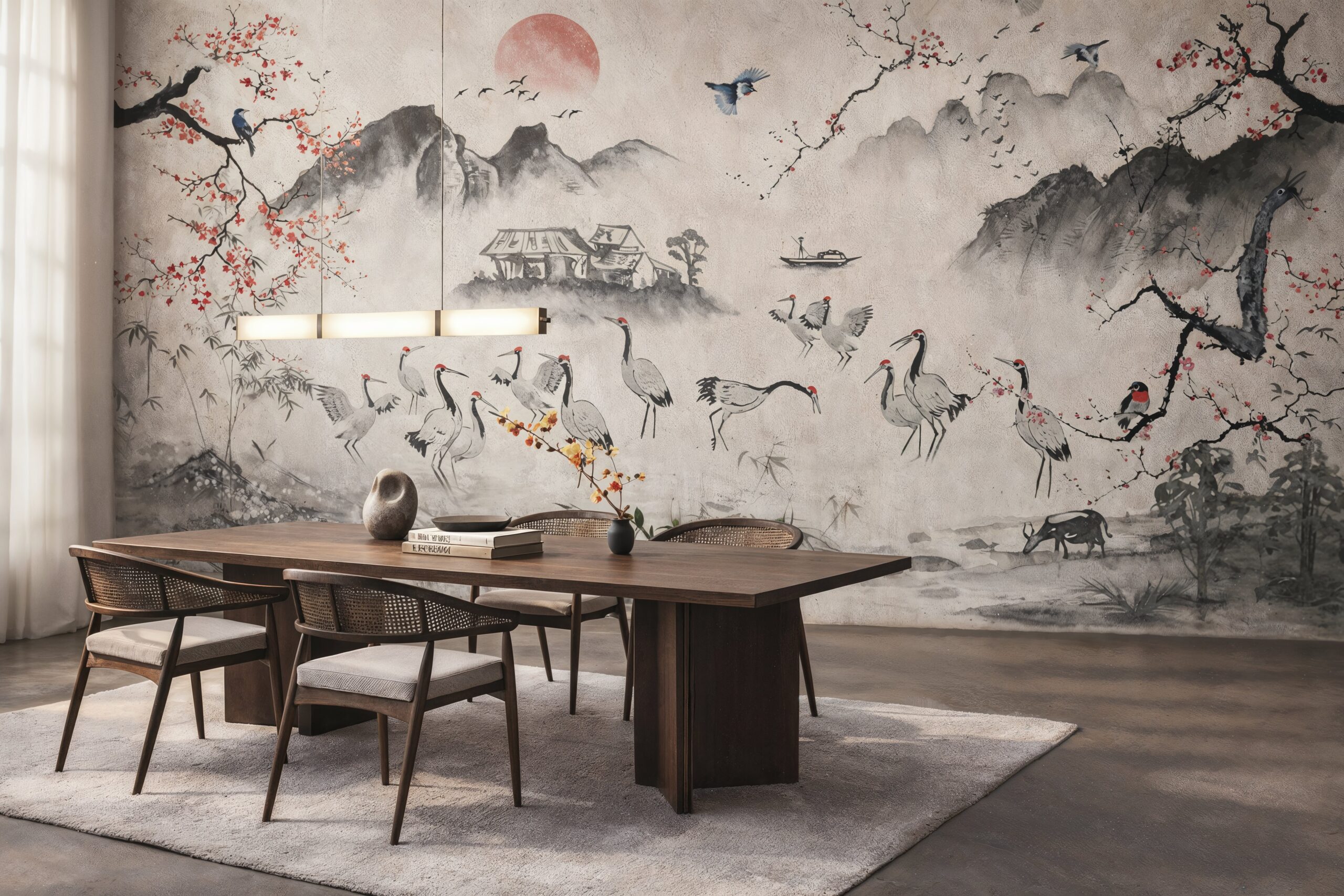
- The dining area. If your apartment has a defined dining zone, wallpaper behind the dining table adds atmosphere and frames the space.
- The entryway. First impressions count. A wallpapered foyer or entrance corridor sets the tone for the entire apartment.
Avoid wallpapering bathroom walls in a rental unless you are certain the product is moisture-rated and will not cause damage. Kitchens are also risky due to grease, heat, and steam.
Surface Preparation for Temporary Wallpaper
Proper surface preparation is essential, even for temporary applications. Skipping this step is the most common reason for poor adhesion and removal issues.
Clean the wall. Wipe down with a damp cloth to remove dust, grease, and cobwebs. Allow the wall to dry completely before applying wallpaper. In Singapore’s humid climate, use a fan or dehumidifier to speed drying.
Test a small area first. Apply a small piece of your chosen wallpaper in an inconspicuous spot — behind a door or furniture. Leave it for a week, then remove it. Check whether the adhesive held, whether it peels cleanly, and whether the paint beneath is undamaged.
Check the paint type. Peel-and-stick wallpaper adheres best to semi-gloss or satin paint finishes. Matte and flat finishes are more porous and the adhesive may pull paint off during removal. If your rental has matte walls, paste-the-wall with removable adhesive is a safer option.
Repair any damage first. Fill small holes and cracks with removable putty. Wallpaper applied over damaged walls may not adhere properly and will highlight imperfections.
Designs That Work for Rental Spaces
When choosing wallpaper for a rental, consider that you may want to reuse it or that your tastes may evolve. Versatile designs tend to work best:
Timeless patterns. Classic geometrics, subtle botanicals, and textured neutrals transition easily between different spaces and furniture arrangements. Browse the wallpaper and wall covering collection for designs that balance style with versatility.
Neutral colour palettes. Whites, creams, soft greys, and muted greens complement most furniture and decor. They also photograph well for online listings if you later rent the space out yourself.
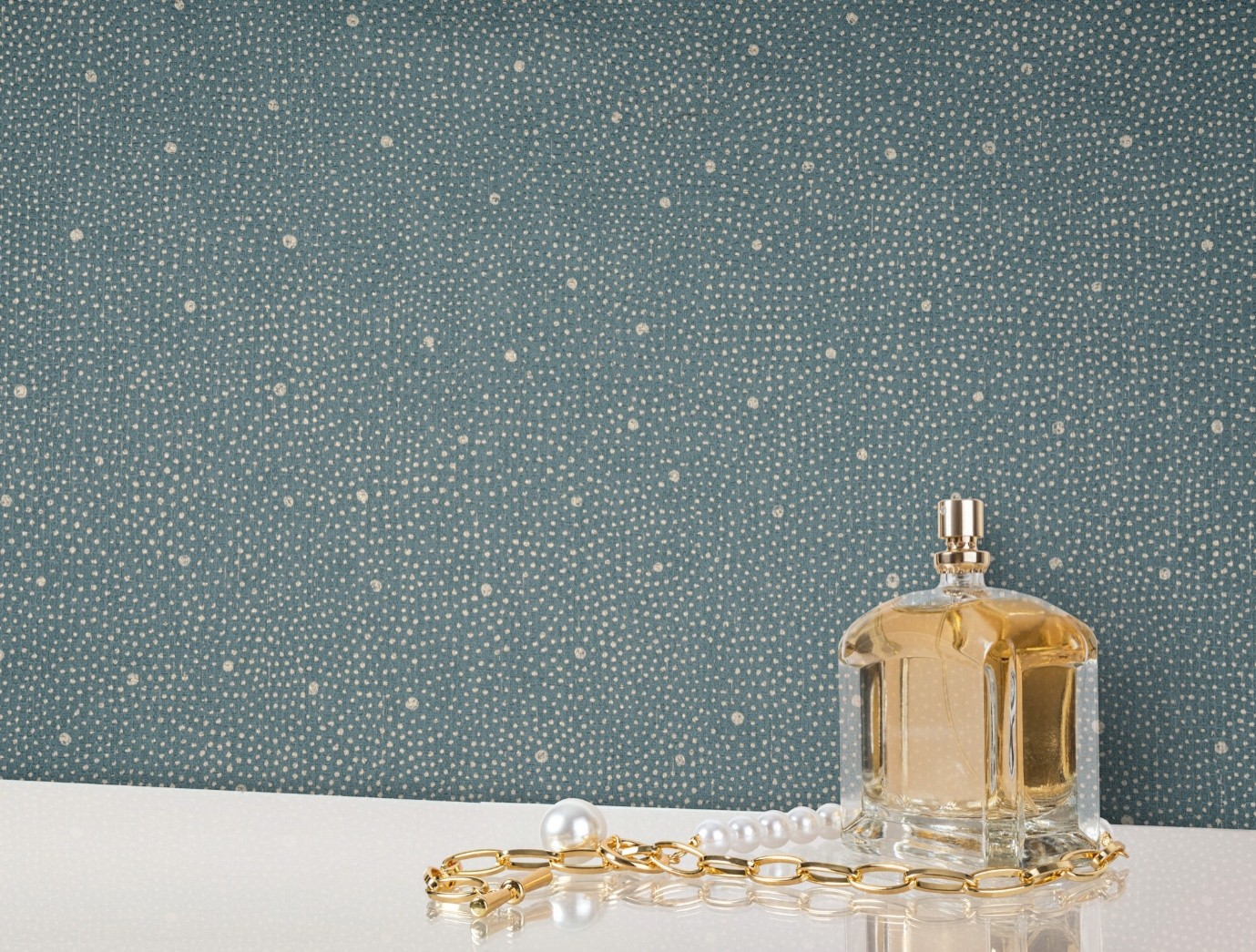
Textured finishes. Grasscloth-effect, linen-look, and concrete-inspired wallpapers add depth and interest without committing to a bold pattern that might not suit your next home.
Removal Tips for a Clean Exit
When your lease ends, removing temporary wallpaper should be straightforward if the right product was used on a properly prepared wall.
- Start at a corner or seam and peel slowly at a 45-degree angle. Rushing causes tearing.
- If the wallpaper resists, use a warm, damp cloth to soften the adhesive. Do not soak the wall — just enough warmth and moisture to loosen the bond.
- Remove any adhesive residue with a mild solution of warm water and a gentle cleaning agent. Avoid abrasive scrubbing that could damage the paint.
- Allow the wall to dry completely, then inspect for any damage. Minor scuffs can usually be touched up with leftover paint (ask your landlord for the paint code when you move in).
- Photograph the walls after removal as proof of their condition at handover.
Working with Singapore’s Humidity
Singapore’s humidity is the single biggest challenge for temporary wallpaper in rental apartments. Moisture in the air can weaken adhesives, cause bubbling, and encourage mould growth behind the wallpaper.
Mitigate these risks by ensuring good ventilation in wallpapered rooms. Run air-conditioning or a dehumidifier regularly. Avoid wallpapering external walls that are prone to condensation, particularly in older buildings without adequate insulation.
If you notice edges lifting or bubbles forming, address them promptly. A small amount of wallpaper adhesive applied with a fine brush can re-secure lifted edges without committing to a permanent bond.
Cost Considerations for Renters
Temporary wallpaper is an investment in your daily living experience. While it adds cost beyond the base rental, the improvement in ambience and personal satisfaction can be well worth it, especially for longer tenancy periods.
Peel-and-stick wallpaper is generally the most affordable option per square metre, though quality varies significantly. Premium peel-and-stick products use stronger adhesive and thicker, more realistic materials that hold up better in Singapore’s climate.
Paste-the-wall application with removable adhesive costs more in materials and may require professional installation, but the result is typically superior and longer-lasting. For a single feature wall, the cost difference is modest relative to the visual impact.
Consider the cost per year of enjoyment rather than the absolute price. If you plan to stay in your rental for three years, dividing the total wallpaper cost by 36 months often reveals it to be a very affordable monthly investment in your quality of life.
For personalised advice on temporary wallpaper suitable for your rental apartment, book an appointment with our design consultants. We can recommend products that balance design impact with easy removability.