Wallpaper & Wallcovering
Wallpaper for Resale HDB and Older Singapore Homes
Wallpapering a resale HDB flat or an older Singapore condominium is a different proposition from wallpapering a brand-new BTO. The walls have a history. Previous owners have painted them, mounted things on them, possibly wallpapered them, possibly removed that wallpaper imperfectly. The plaster substrate has settled over decades. Hairline cracks have come and gone. Skim coats have been applied unevenly. None of this rules out wallpaper — but all of it shapes the preparation work, and the preparation work is where the project either succeeds quietly or fails visibly.
This guide is for new owners of resale flats and older apartments who want to use wallpaper as part of their renovation. It covers what to inspect before committing, how to deal with the most common wall conditions, and how to choose wallpaper that performs well on imperfect substrates rather than fighting them.
What You Are Actually Working With
The wall surface in a typical resale HDB flat or condominium aged 10 years or older is rarely the smooth, true-flat gypsum surface that wallpaper installers ideally want. The substrate has been through paint cycles — typically three to six coats over the life of the unit, often in different colours and different paint types. There may be patched holes from previous shelves and TV mounts. There may be small fissures along ceiling-wall junctions from structural settlement. The corners are unlikely to be perfectly square. And if a previous owner installed wallpaper at any point, the original adhesive may have left a textural ghost on the wall even after the wallpaper itself was removed.
None of this is fatal. Professional wallpaper installers work with imperfect substrates as a matter of routine. But the new owner needs to understand that the visible quality of the wallpaper finish on a resale wall is determined largely by how thorough the preparation phase is — and preparation is the easiest part of the budget to under-spec.
Removing Existing Wallpaper
If the unit already has wallpaper from the previous owner and you want to install new wallpaper, removal becomes the first project. Two scenarios are common.
Wallpaper installed on a primed surface — the right way — removes cleanly with steam or wallpaper stripper, leaving a sound substrate that needs only minor skim work before the new installation. This is the easy case.
Wallpaper installed directly on painted drywall without primer often pulls paint or paper face during removal, creating an uneven substrate that needs significant skim coating and re-priming. Budget for several days of preparation work in this scenario, plus a paint primer cycle before the new wallpaper can go up.
If the original wallpaper is in good condition and matches the design intent, leaving it in place is also a legitimate choice. But hybrid installations — new wallpaper applied over old — should not be attempted. Adhesion to the old paper face is unpredictable and creates a layered surface that will fail at the seams over time. Always strip back to substrate.
Hairline Cracks and Wall Movement
Older HDB flats and condominiums almost universally have some degree of hairline cracking along ceiling-wall junctions, around window reveals, and occasionally mid-wall. Most of these are settlement cracks that have stopped moving. A few are active and indicate ongoing structural movement.
Wallpaper does not stop wall cracks. If a crack is actively moving, the wallpaper will eventually crack along the same line, regardless of pattern or thickness. The preparation step that matters is a flexible filler or skim repair to the visible crack, followed by a sealing primer that bonds across the repair. For active cracks, structural assessment is the right answer before any cosmetic work.
For settled, dormant cracks — which is most of them — the standard repair-and-prime sequence works fine, and the wallpaper will sit over the repair invisibly. Heavier-weight wallpapers and textured finishes are more forgiving of minor substrate imperfections than thin paper or smooth foil finishes. For wallpaper texture options that handle imperfect walls well, see our residential wallcovering range.
Wallpaper Choices That Suit Older Walls
Some wallpaper finishes work better on resale walls than others. The practical distinction is between finishes that flatter the substrate and finishes that highlight every flaw in it.
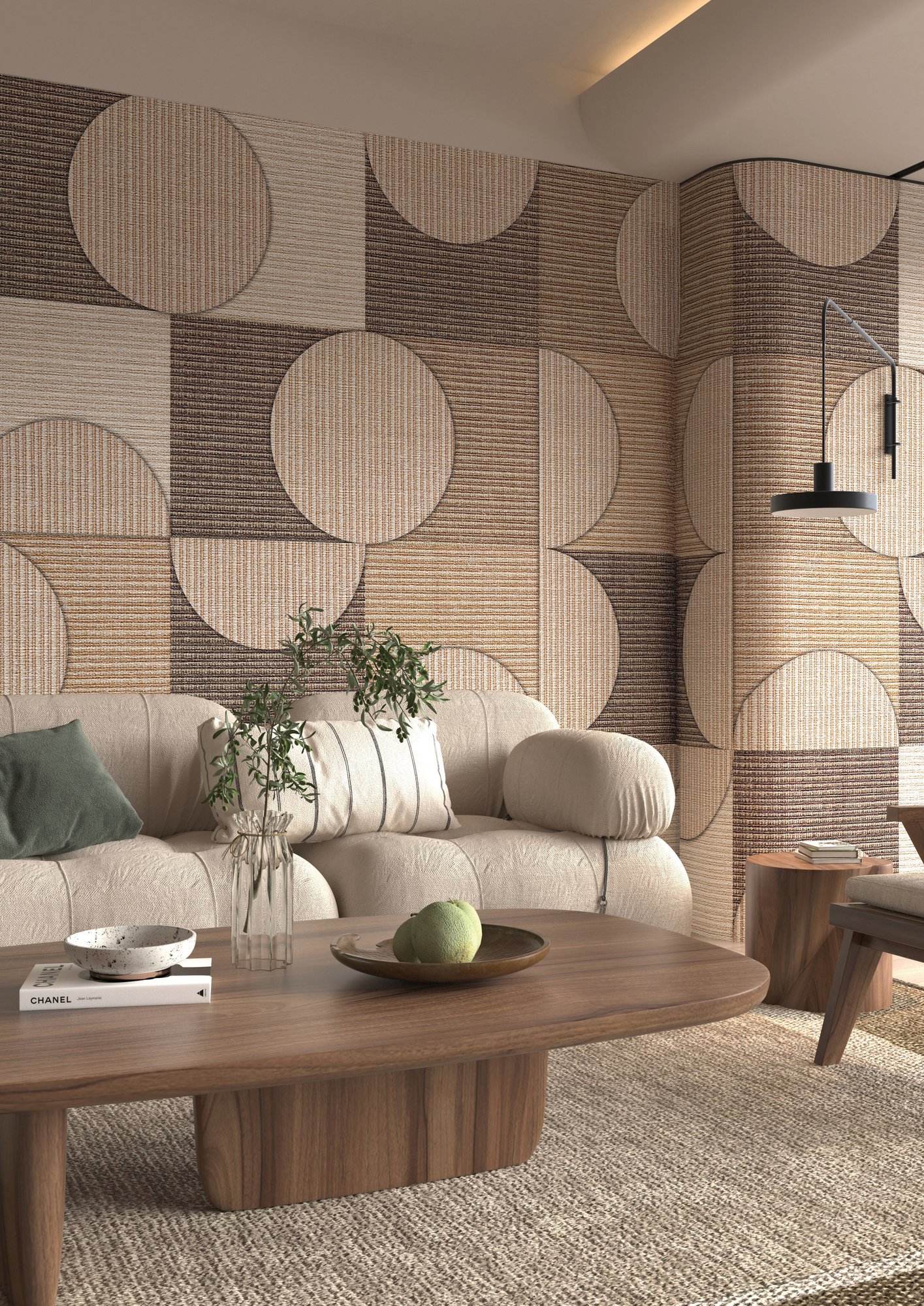
Textured and woven wallpapers — grasscloth, raffia, linen-weave, sisal, woven viscose — are forgiving of minor wall imperfections. The surface texture distracts the eye from underlying unevenness. These finishes also age gracefully in older homes, where a slightly imperfect wall feels appropriate to the building’s character.
Heavyweight non-woven vinyl wallpapers hide small imperfections better than paper-based wallpapers. The substrate stretches less around uneven points, and the surface is more robust against the kind of incidental contact (furniture moves, knocks against the wall) that older homes accumulate.
Smooth, high-sheen, or metallic finishes are unforgiving. Every dent, bump, or uneven skim coat will read clearly under reflected light. These finishes can absolutely work in a resale renovation — but only if the preparation work has been thorough enough to produce a wallpaper-ready substrate that is, effectively, as smooth as a new wall.
Removable peel-and-stick wallpapers are popular for renters and short-term occupiers, but the adhesive depends on a smooth, sealed surface to stick reliably. Older homes with patched paint or partially-stripped previous wallpaper are often poor candidates for peel-and-stick — the surface is too inconsistent for the adhesive to bond evenly. For renter-friendly wallpaper options, our removable wallpaper guide covers when this format works and when it does not.
Working With a Renovation Contractor
The general renovation contractor delivering a resale flat refurbishment will typically handle the wall preparation work — skim coats, crack repair, primer — but may not have a wallpaper specialist on the team. The pattern that produces the best outcome is to have the contractor deliver the wall to a defined standard (“wallpaper-ready: skimmed, level, sealed, primed”) and engage the wallpaper supplier’s recommended installer separately to do the wallpaper itself.
This separation of trades clarifies accountability. If the wallpaper looks poor because the wall preparation was inadequate, the contractor is responsible for re-prep. If the wall preparation was sound but the wallpaper installation has issues, the wallpaper installer is responsible. When both trades are handled by the same generalist, the boundary between substrate and finish failures gets blurred and re-work negotiations get messy.
For resale HDB renovations specifically, our broader resale flat renovation guide covers the sequencing across all the trades.
Refreshing More Than Just the Walls
Resale renovations almost always involve more than wallpaper alone. Old flooring is typically due for replacement, ageing curtains tend to come down with the rest of the previous owner’s choices, and well-worn carpets get swapped out for either fresh carpet or hard flooring. The resale buyer is, in effect, rebuilding the material palette of the home in one project — and the sequencing of those material decisions matters as much as the individual choices.
This is where a one-stop material supplier earns its place in the project. With wallcovering, vinyl, SPC and LVT flooring, curtain and upholstery fabric, and carpet and rugs all available from one specification team, the resale homeowner can coordinate the entire material refresh in one set of conversations rather than juggling four separate suppliers, four sample collections, four installer networks, and four delivery schedules. For older flats where wall preparation overlaps with floor levelling and the timing has to thread carefully between trades, this single-source coordination reduces the most common cause of resale renovation friction.
Where to Start
For owners of a resale flat or older condominium thinking about wallpaper, the practical first step is a wall inspection — ideally before tearing into the renovation budget allocation. Knowing whether the existing walls have removable old wallpaper, active or dormant cracks, and a substrate that will take new wallpaper cleanly determines a meaningful portion of the renovation cost.
Goodrich Global is a one-stop supplier across wallcovering, flooring, fabric and carpet — supporting resale renovations from a single showroom, specification team, and installer network. Visit our showroom or speak to the team for sample selection, technical advice on substrate-appropriate finishes, and installer referrals across the full material palette.