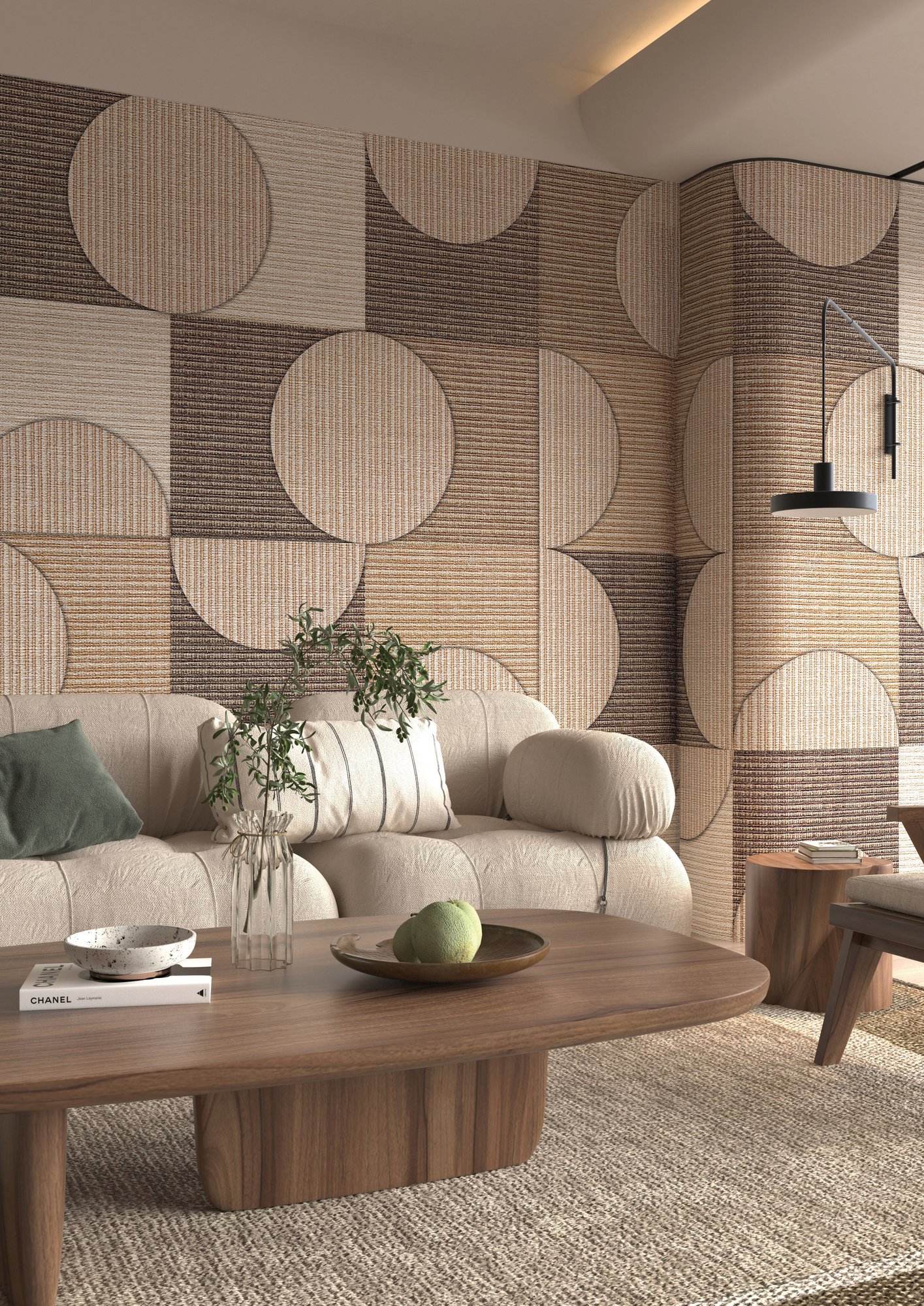
Wallpaper & Wallcovering
Wallpaper vs Fabric Wall Covering | Comparison Guide
Two Approaches to Transforming Your Walls
When it comes to wall treatments beyond paint, wallpaper and fabric wall coverings are the two primary options. Both can transform a room, but they deliver distinctly different results in terms of texture, acoustics, maintenance, and overall ambience.
Understanding these differences helps you choose the right treatment for each room in your Singapore home, whether you are designing a serene bedroom, a welcoming living room, or a polished commercial space.
What Sets Them Apart
Wallpaper is a broad category encompassing paper-backed, non-woven, vinyl, and textile-backed products. Most wallpapers feature printed designs — patterns, textures, or murals — and are applied to the wall with adhesive paste. They range from delicate hand-printed papers to rugged commercial-grade vinyl.
Fabric wall coverings use actual textile materials — woven fabrics, natural fibres, or synthetic blends — applied to the wall either as panels or as a continuous length. Some are paper-backed for easier application, while others are stretched over battens or padded frames. The result is a wall with genuine textile texture that you can see and feel.
Detailed Comparison
| Feature | Wallpaper | Fabric Wall Covering |
|---|---|---|
| Texture | Smooth to lightly textured | Genuinely tactile, woven feel |
| Design variety | Very wide — prints, patterns, murals | More limited — texture-driven |
| Acoustic properties | Minimal sound absorption | Noticeable sound absorption |
| Durability | Varies — vinyl is very durable | Good, but may snag or stain |
| Moisture resistance | Excellent (vinyl types) | Lower — not ideal for wet areas |
| Installation | Moderate complexity | Higher complexity — stretching, panelling |
| Maintenance | Wipeable (vinyl); delicate (paper) | Vacuuming; spot cleaning |
| Cost | Wide range — affordable to premium | Generally mid to high range |
| Luxury feel | Depends on product | Inherently luxurious |
When to Choose Wallpaper
Wallpaper is the more versatile and accessible option for most homeowners. It shines in the following situations:
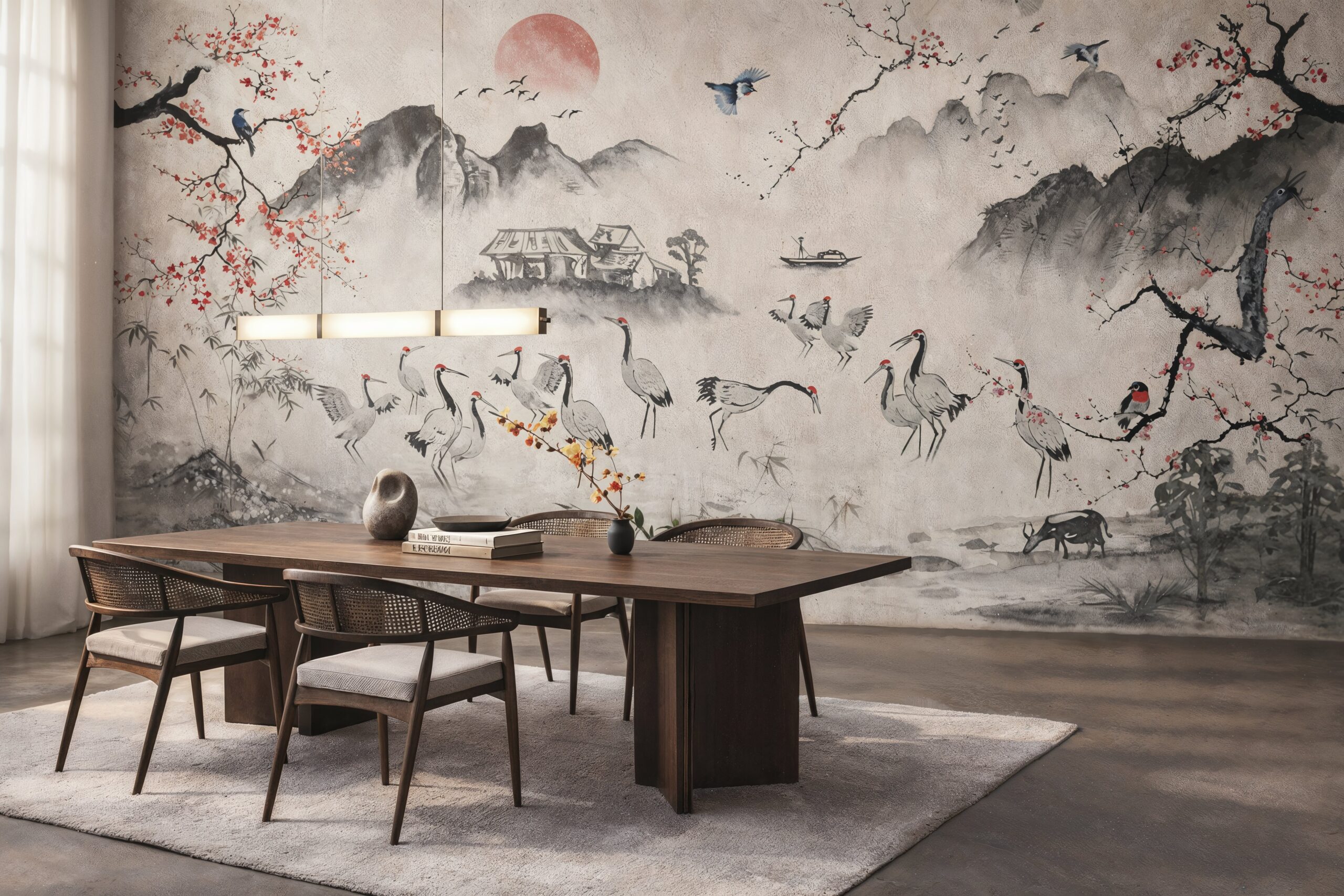
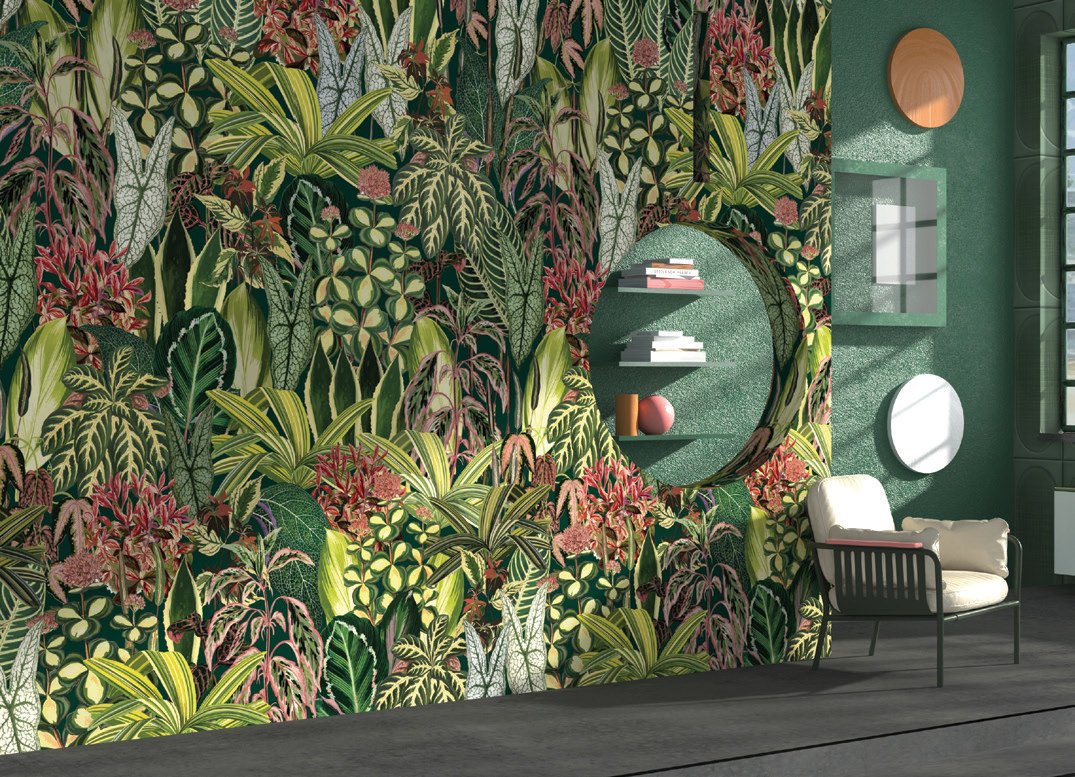
Feature walls with strong visual impact. If you want a bold pattern, a photographic mural, or a specific printed design, wallpaper offers far greater variety. From tropical botanicals to art deco geometrics, the design possibilities are virtually unlimited.
Moisture-prone areas. Vinyl wallpapers are the clear choice for kitchens, bathrooms, and powder rooms. They resist moisture, are easy to wipe clean, and will not harbour mould. Fabric wall coverings are not suitable for these environments.
High-traffic areas. Commercial-grade vinyl wallpaper withstands scuffing, scraping, and frequent cleaning. Hallways, children’s rooms, and common areas benefit from the durability of vinyl-coated wallpaper.
Tighter renovation allocations. Wallpaper spans a wider price range, with excellent options available at various price points. Installation is also generally faster and less labour-intensive than fabric wall coverings, reducing overall project costs.
Browse the wallpaper and wall covering collection for options ranging from everyday vinyl to premium designer prints.
When to Choose Fabric Wall Coverings
Fabric wall coverings excel where texture, luxury, and acoustic performance matter most:
Bedrooms and private retreats. The soft, tactile quality of fabric on walls creates an enveloping, intimate atmosphere that wallpaper — no matter how beautifully printed — cannot replicate. Running your hand across a woven silk or linen wall covering is an entirely different experience from touching a printed surface.
Living rooms and formal dining areas. Fabric wall coverings signal understated luxury. They add depth and richness to a room without relying on bold patterns or bright colours. A room wrapped in natural linen or fine wool feels warm and inviting in a way that appeals to all the senses.
Home offices and study rooms. The acoustic absorption of fabric wall coverings makes a meaningful difference in rooms where concentration matters. They soften echoes, reduce ambient noise, and create a quieter, more focused environment.
Media and entertainment rooms. For dedicated TV or media rooms, fabric wall coverings serve a dual purpose: they enhance the room’s aesthetics while improving sound quality by reducing reflections that can muddy audio.
Explore the fabric collection for wall-suitable textiles in natural and synthetic blends.
Acoustic Performance Compared
One of the most significant practical differences between wallpaper and fabric wall coverings is their acoustic behaviour.
Standard wallpaper — even thick vinyl varieties — adds negligible sound absorption to a room. The thin, smooth surface reflects sound much like painted walls. If acoustic control is important, wallpaper alone will not deliver it.
Fabric wall coverings, by contrast, absorb sound energy across a range of frequencies. Heavier, thicker fabrics absorb more effectively, particularly when mounted with an air gap behind them (as in stretched-fabric systems). This absorption reduces reverberation, softens echoes, and makes conversations clearer.
In Singapore’s high-rise apartments, where hard surfaces and glass-heavy interiors create echo-prone rooms, fabric wall coverings can noticeably improve the acoustic comfort of a space. This is particularly valuable in open-plan living and dining areas where noise levels can build during family gatherings.
Maintenance in Singapore’s Climate
Singapore’s humidity affects both wallpaper and fabric wall coverings, but in different ways.
Vinyl wallpaper handles humidity well and is resistant to mould. Non-woven wallpapers are also stable in humid conditions. Paper-backed wallpapers are the most vulnerable to moisture and may peel or develop mould in poorly ventilated rooms.
Fabric wall coverings require more attention in a tropical climate. Natural fibres like linen, silk, and cotton can absorb moisture from the air, potentially leading to musty smells or mould if ventilation is inadequate. Synthetic fabrics and blends are more resistant to humidity but may still attract dust and require regular vacuuming.
For both options, adequate ventilation and air-conditioning are the best defences against humidity-related issues. Ensure walls are properly sealed before installation to prevent moisture migrating through the substrate.
Making Your Choice
In many homes, the answer is not one or the other — it is both. Use wallpaper where you want pattern, durability, and moisture resistance. Use fabric wall coverings where you want texture, acoustics, and a sense of luxury. The two materials complement each other beautifully when used thoughtfully in different rooms.
Installation and Cost Differences
Wallpaper installation is a well-understood process that most professional installers can handle efficiently. The wall is prepared, paste is applied (either to the wall or the paper, depending on the type), and strips are hung in sequence with careful pattern matching. A typical room can be wallpapered in a day.
Fabric wall covering installation is more specialised. Stretched-fabric systems require a framework of battens to be fixed to the wall, over which the fabric is tensioned and stapled. Padded systems add a layer of wadding beneath the fabric for a luxurious, upholstered feel. These methods take longer, require specialist skills, and cost more per square metre than standard wallpaper installation.
Paper-backed fabric wall coverings can be installed using traditional wallpaper methods, which reduces complexity. However, the heavier weight of most fabric coverings demands stronger adhesive and more careful handling during installation.
From a cost perspective, wallpaper covers a broader range, making it accessible to most renovation allocations. Fabric wall coverings are generally a premium product, both in material and installation costs. The investment is justified when texture, acoustics, and luxury are genuine priorities for the space.
The best way to decide is to see and touch both materials in person. Screens cannot convey the tactile quality of a woven silk wall covering or the depth of a layered vinyl wallpaper. Physical samples in your actual space, under your lighting, tell you more than any number of online reviews.
Request free samples from our Singapore showroom to compare wallpaper and fabric wall coverings side by side. Our consultants can help you choose the right treatment for every room.
Get a free quote for your project today.