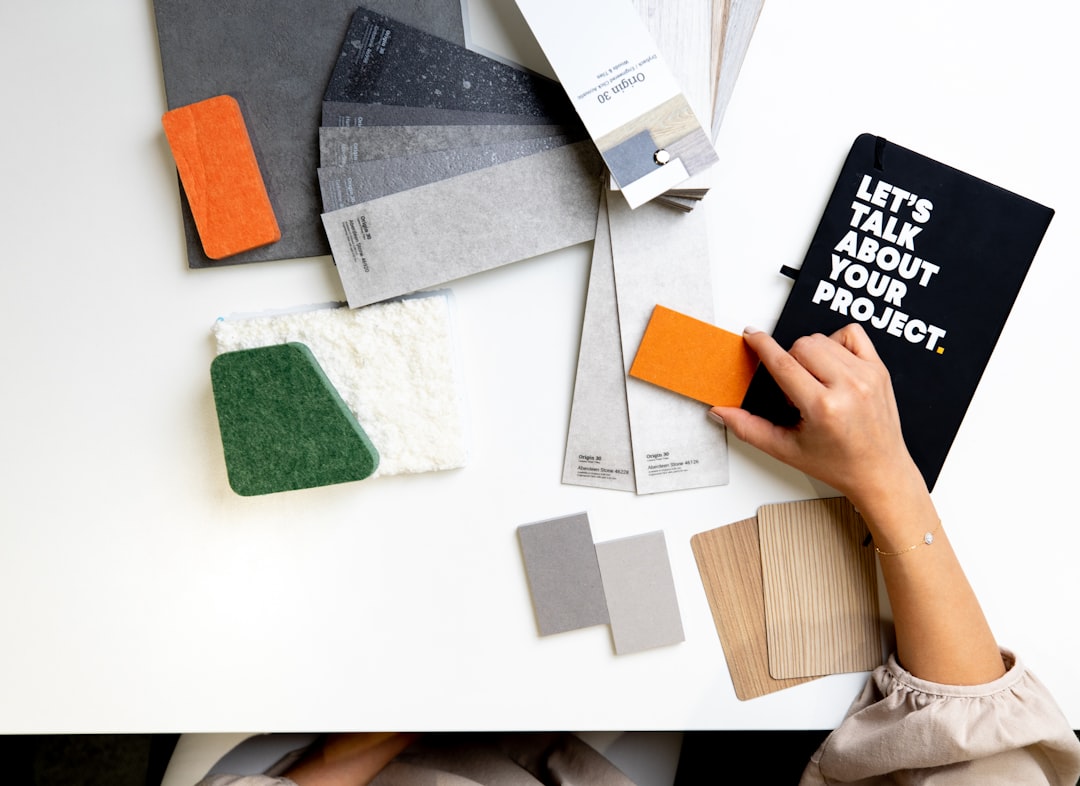
Fabric & Upholstery
Window Treatment Ideas: Blinds, Curtains and Shades
Choosing the Right Window Treatment
Window treatments do more than dress a window — they control light, manage privacy, insulate against heat, and define a room’s character. In Singapore, where strong sunlight, high humidity, and close-proximity living are everyday realities, the right window treatment makes a tangible difference to comfort and energy efficiency.
This guide covers the main categories of window treatments available, their strengths and limitations, and which rooms they suit best in Singapore homes.
Curtains and Drapes
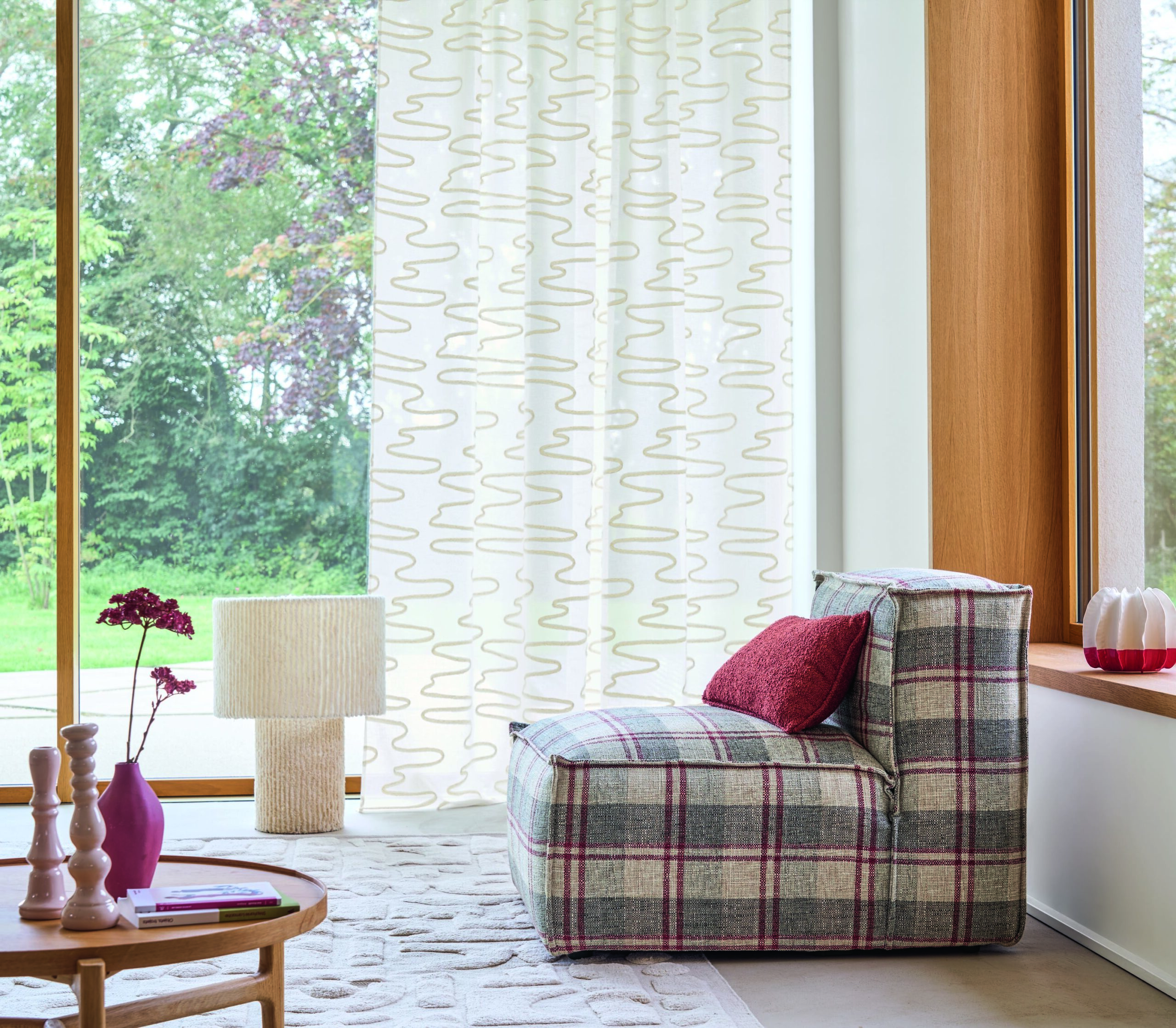
Curtains remain the most popular window treatment in Singapore for good reason. They offer the widest range of fabrics, colours, patterns, and styles, making them adaptable to virtually any interior.
Types of Curtains
| Curtain Type | Light Control | Best For | Style Character |
|---|---|---|---|
| Sheer curtains | Filters light, minimal blocking | Living rooms, dining areas | Light, airy, elegant |
| Blackout curtains | Full light blocking | Bedrooms, media rooms | Substantial, tailored |
| Dimout curtains | 80-95% light reduction | Bedrooms, studies | Versatile, moderate weight |
| Day-night combination | Full range — sheer to blackout | Any room requiring flexibility | Layered, functional |
Curtain Considerations for Singapore
Choose drapery fabrics that resist humidity and mildew. Polyester and polyester-blend fabrics perform well in tropical conditions. Natural fabrics like linen and cotton are aesthetically beautiful but may require more frequent cleaning and careful maintenance.
For west-facing windows that receive intense afternoon sun, consider curtains with a thermal lining. This reduces heat transfer and protects both the fabric and interior furnishings from UV damage.
Roller Blinds
Roller blinds are a clean, modern option that suits minimalist and contemporary interiors. A single sheet of fabric rolls around a tube at the top of the window, retracting neatly when not in use.
Advantages
- Compact footprint — no stacking space needed beside the window
- Available in sheer, dimout, and blackout fabrics
- Easy to motorise for high or hard-to-reach windows
- Clean lines that suit modern HDB and condo interiors
Limitations
- Limited fabric and pattern choices compared to curtains
- Light gaps at the sides unless installed within the window recess
- Less visual warmth than draped fabric
Roller blinds work well in kitchens, bathrooms, and studies where a streamlined look is preferred and full light blocking is less critical.
Venetian Blinds
Venetian blinds feature horizontal slats that tilt to control light angle and airflow. They come in aluminium, wood, and faux wood.
| Material | Appearance | Humidity Resistance | Best For |
|---|---|---|---|
| Aluminium | Modern, industrial | Excellent | Kitchens, bathrooms, offices |
| Real wood | Warm, natural | Poor — warps in humidity | Air-conditioned rooms only |
| Faux wood (PVC) | Mimics wood grain | Excellent | Any room, including wet areas |
In Singapore’s climate, faux wood venetian blinds offer the best compromise — the warm aesthetic of timber with moisture resistance that real wood cannot match.
Vertical Blinds
Vertical blinds suit large windows and sliding doors, which are common in Singapore condominiums and HDB flats. The vertical slats draw to one or both sides, making them practical for balcony access.
Modern vertical blinds have evolved beyond the utilitarian office look. Fabric vertical blinds in textured or patterned materials add a softer, more residential feel. Some systems combine vertical blinds with a sheer fabric layer for additional light control.
Roman Blinds
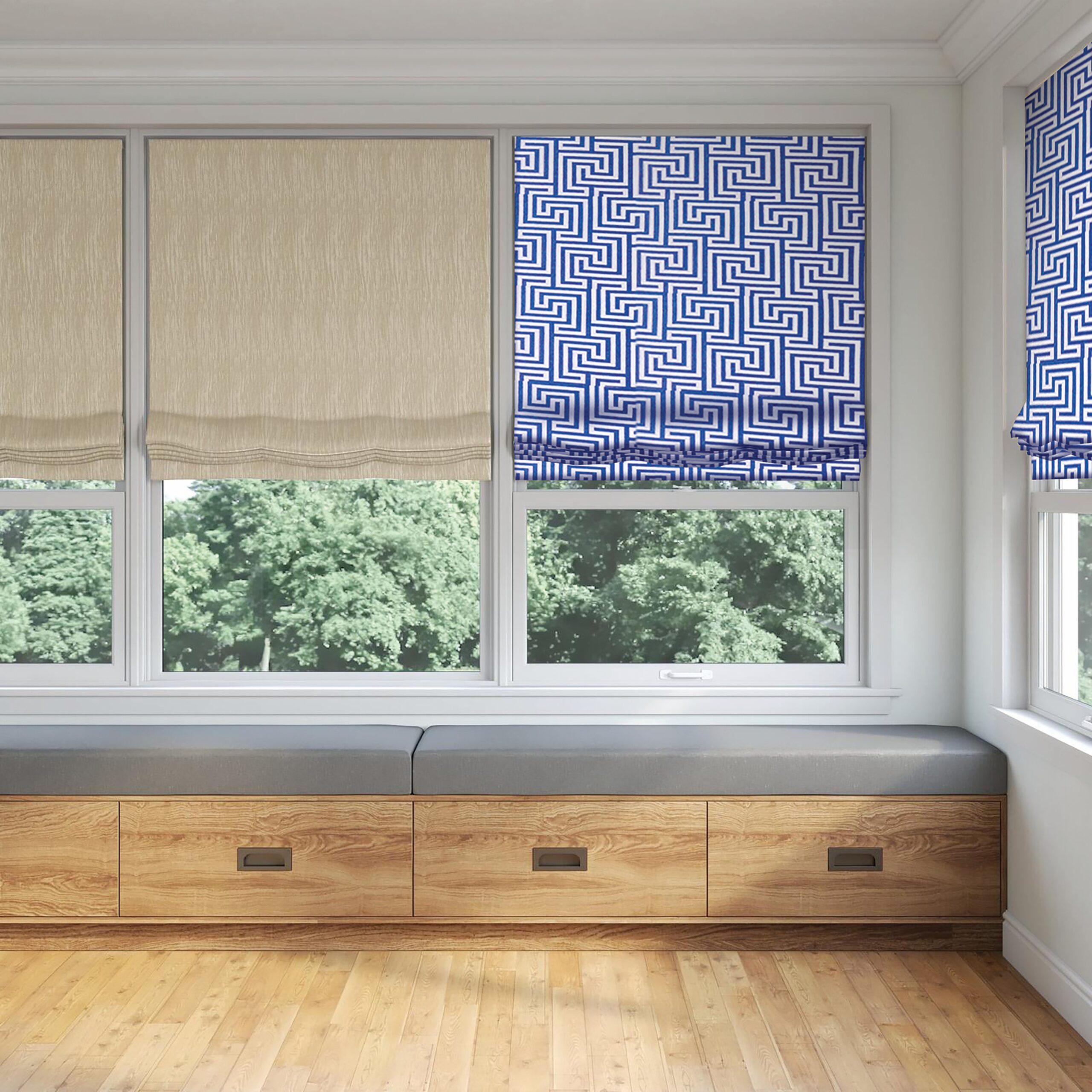
Roman blinds fold into neat horizontal pleats when raised, creating a tailored, structured appearance. They sit flat against the window when lowered, providing full coverage without the bulk of gathered curtain fabric.
- Flat roman blinds: Clean, minimal folds for a contemporary look
- Hobbled roman blinds: Cascading folds that add soft texture
- Relaxed roman blinds: A gentle curve at the bottom for a casual feel
Roman blinds work best on smaller windows or as a complement to curtains on larger windows. They are particularly effective in bedrooms and living rooms where a polished, structured look is desired.
Panel Glides
Panel glides consist of large fabric panels that slide along a track, overlapping as they stack to one side. They are ideal for wide windows, sliding glass doors, and even as room dividers.
In open-plan HDB and condo layouts, panel glides serve double duty — covering large window expanses while also partitioning spaces when needed. The clean, contemporary aesthetic suits modern interiors perfectly.
Outdoor Blinds and Screens
For balconies and outdoor areas, specialised blinds resist wind, rain, and UV exposure. These include zip-track systems that lock the fabric in side channels, preventing flapping in wind, and motorised options that retract during calm weather.
Outdoor blinds extend your usable living space by making balconies comfortable year-round — shielding from afternoon sun and sudden rain showers that are common in Singapore.
Room-by-Room Recommendations
Living Room
The living room benefits from layered treatments. Day and night curtains in quality fabrics offer maximum flexibility. For a more streamlined look, pair roller blinds with decorative curtain panels that frame the window without covering it.
Bedroom
Light blocking is the priority. Blackout curtains, blackout roller blinds, or a combination of both ensure uninterrupted sleep regardless of external light. Side channels on roller blinds eliminate light gaps for the darkest possible room.
Kitchen
Choose treatments that resist moisture and grease. Aluminium venetian blinds, faux wood blinds, or easy-clean roller blinds are practical choices. Avoid flowing curtains near stoves or sinks.
Bathroom
Moisture resistance is essential. Faux wood blinds, aluminium blinds, or moisture-rated roller blinds handle bathroom humidity. Top-down/bottom-up blinds allow you to maintain privacy while letting light in from the top.
Study or Home Office
Glare control matters most here. Adjustable blinds — venetian or roller with dimout fabric — let you fine-tune light levels to reduce screen glare while maintaining adequate ambient light.
Motorisation and Smart Controls
Motorised window treatments are increasingly popular in Singapore homes. Remote-controlled or app-controlled blinds and curtains offer convenience, especially for high windows, large expanses, or hard-to-reach installations.
Smart home integration allows you to programme curtains to open and close at set times, respond to sunlight sensors, or link to your home automation system. This is particularly useful for managing heat gain during peak afternoon sun hours.
Mixing Window Treatments
Different rooms in the same home can — and should — use different window treatments based on each room’s specific needs. Consistency comes from coordinating colours and materials rather than using identical treatments throughout.
A cohesive approach might use curtains in living areas, roller blinds in kitchens and bathrooms, and blackout curtains in bedrooms, all in a coordinating colour palette drawn from your wallpaper or wall colour scheme.
Choosing Based on Window Orientation
In Singapore, a window’s compass direction significantly affects which treatment works best:
- North-facing: Receives the least direct sunlight. Lighter treatments work well — sheers, light curtains, or roller blinds in translucent fabric.
- South-facing: Moderate direct sun. Standard dimout or lined curtains provide adequate control.
- East-facing: Strong morning sun. Adjustable treatments — venetian blinds or day-night curtains — let you manage the early glare and open up later in the day.
- West-facing: Intense afternoon heat and glare. This is where you need the strongest treatments — blackout curtains with thermal lining, or solar mesh roller blinds that block heat while maintaining visibility.
Start With Your Windows
The right window treatment transforms how a room looks, feels, and functions. Consider each room’s orientation, purpose, and privacy needs, then select the treatment that best addresses those requirements.
Visit the Goodrich Gallery to see our full collection and compare fabric, blind, and shade options in person.