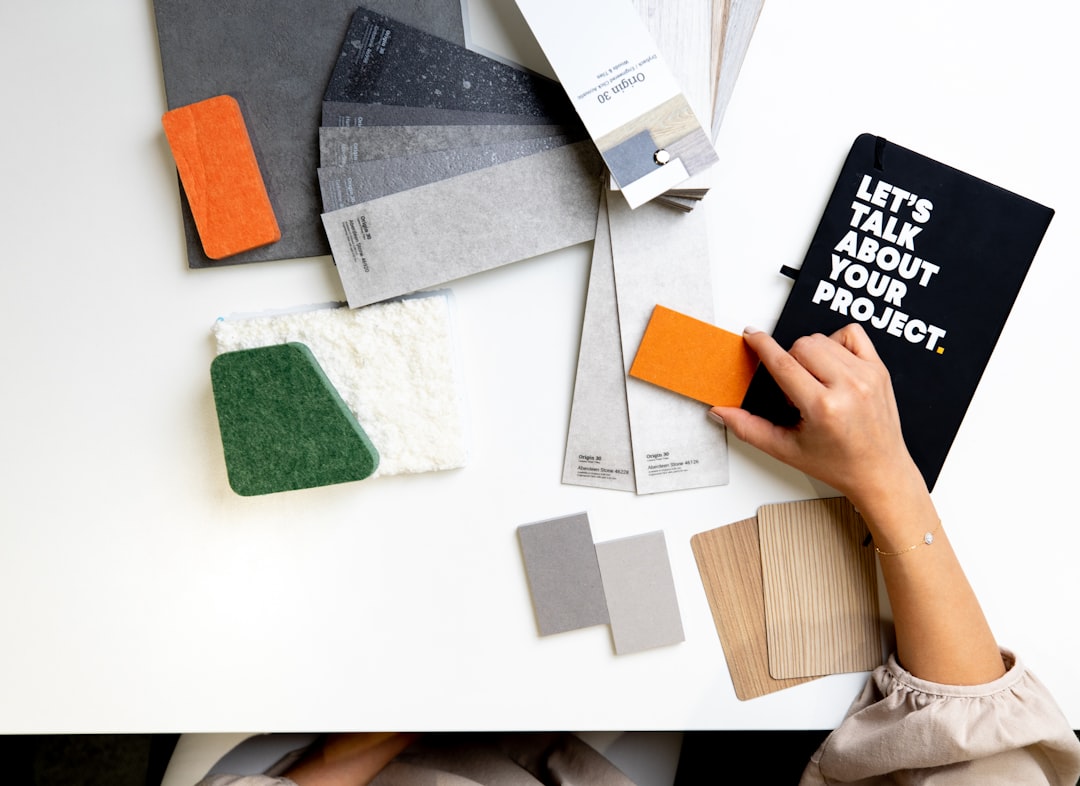
Fabric & Upholstery
Zipscreen Blinds: Wind and Rain Protection for Balconies
What Are Zipscreen Blinds?
Zipscreen blinds are an outdoor blind system where the fabric edge is locked into side channels using a zip-guided mechanism. Unlike conventional roller blinds that hang freely, zipscreens are held taut on all sides — top, bottom, and both edges. This creates a sealed barrier that resists wind, blocks rain ingress, and maintains a clean, flat appearance even in strong gusts.
The system was developed to solve the primary problem with outdoor blinds in exposed locations: flapping, billowing fabric that fails to provide reliable protection. Zipscreens eliminate this issue entirely.
Why Zipscreens Are Ideal for Singapore
Singapore’s climate presents a unique combination of challenges for outdoor spaces:
- Sudden downpours: Rain can arrive with little warning, making balconies unusable without protection
- Strong winds: Upper-floor HDB flats and condominiums experience significant wind exposure, especially during monsoon season
- Intense UV radiation: Year-round equatorial sun damages furniture and makes unshaded outdoor spaces uncomfortable
- Insects: Some zipscreen fabrics double as insect barriers, keeping mosquitoes out of balcony spaces
Zipscreen blinds address all four issues simultaneously, transforming an underused balcony into a functional extension of your living space.
How the Zip-Guide System Works
The mechanism is straightforward but engineered to tight tolerances. A continuous zipper runs along both vertical edges of the fabric, locking into aluminium or stainless steel channels mounted on either side of the opening. As the blind is lowered (manually via a crank or via a motor), the zip teeth engage with the channel, creating a wind-tight seal.
When fully retracted, the fabric rolls into a compact headbox at the top — typically no more than 10 to 15 cm in depth. This keeps the system discreet when not in use.
Key Components
| Component | Material | Function |
|---|---|---|
| Headbox | Powder-coated aluminium | Houses rolled fabric and motor |
| Side channels | Aluminium or stainless steel | Guides and locks fabric edges |
| Bottom bar | Aluminium with rubber seal | Weights the fabric and seals the base |
| Zip spline | UV-resistant polymer | Engages with side channels for wind lock |
| Motor (optional) | Tubular motor, 12V or 240V | Automated operation via remote or smart system |
Fabric Options for Zipscreens
The fabric you choose determines the level of light, visibility, and ventilation the zipscreen provides. There are three main categories:
Mesh Fabric (Sunscreen)
Woven mesh fabric allows airflow and partial visibility while blocking a percentage of UV radiation. Openness factors range from 1 per cent (nearly opaque) to 10 per cent (semi-transparent). A 5 per cent openness is the most common choice for Singapore balconies — it blocks most UV and glare while maintaining outward visibility.
Blockout Fabric
Completely opaque fabric blocks all light and visibility. This is less common for balconies but used in specific situations — ground-floor units requiring total privacy, or entertainment areas where screen glare is an issue.
Clear PVC
Transparent PVC panels provide full rain and wind protection while maintaining complete visibility. They are effective but can create a greenhouse effect in Singapore’s heat, trapping warm air. Use in combination with other ventilation provisions or only in shaded locations.
Wind Resistance
One of the zipscreen’s defining features is its wind rating. A quality zipscreen system withstands wind speeds of 100 to 130 km/h, depending on the span width and fabric choice. This comfortably handles Singapore’s occasional thunderstorm gusts and sustained monsoon winds.
The zip-lock mechanism prevents the fabric from detaching from the side channels, even under pressure. Conventional outdoor blinds — even weighted ones — cannot match this level of wind resistance.
Installation Considerations
Mounting Options
Zipscreens can be mounted in several configurations depending on your balcony structure:
- Face fix: Mounted directly to the wall or ceiling face above the opening. Suitable for most HDB and condo balconies.
- Recess fix: Mounted within the opening, flush with the surrounding structure. Creates a cleaner look but requires adequate recess depth.
- Reveal fix: Side channels mounted to the inner sides of the opening. Works well when the opening has defined vertical edges.
HDB Regulations
HDB homeowners should be aware that external installations may require approval. Zipscreen blinds mounted within the balcony recess generally fall within permitted modifications, but check the latest HDB guidelines or consult your town council before proceeding. The blind must not protrude beyond the building’s facade line.
Condo Management Approval
Most condominiums require management approval for external installations. Submit the zipscreen specifications, including fabric colour and headbox colour, as these affect the building’s external appearance. Many management corporations specify neutral colours — white, grey, or matching the building’s facade tone.
Manual vs. Motorised Operation
| Feature | Manual (Crank) | Motorised |
|---|---|---|
| Operation | Hand crank or pull strap | Remote control, wall switch, or app |
| Convenience | Requires physical access | Operate from anywhere |
| Automation | None | Timer, sun sensor, rain sensor compatible |
| Cost | Lower initial cost | Higher initial, lower effort |
| Maintenance | Minimal — no electrical parts | Occasional motor servicing |
For most Singapore homeowners, motorised zipscreens are worth the investment. The ability to lower the blinds instantly when rain arrives — especially if you are not near the balcony — protects furniture and belongings effectively.
Maintaining Your Zipscreen Blinds
Zipscreens are low-maintenance but benefit from periodic attention:
- Monthly: Hose down the fabric to remove dust, pollen, and dirt. A mild detergent and soft brush handle stubborn spots.
- Quarterly: Lubricate the side channels with a silicone-based spray to ensure smooth operation.
- Annually: Inspect the zip spline for wear and the bottom bar seal for integrity. Check motor function and battery (if solar-powered).
- As needed: Retract the blinds during extreme weather events — while zipscreens resist high winds, retraction is prudent during severe storms.
Colour and Aesthetic Choices
Zipscreen headboxes, side channels, and bottom bars are typically available in a range of powder-coated colours — white, black, charcoal grey, and bronze being the most common. Choose a colour that matches or complements your window frames and building facade.
For the fabric, darker mesh colours (charcoal, dark grey, black) provide better outward visibility and reduce glare more effectively. Lighter colours (beige, pearl, light grey) reflect more heat but can create a washed-out view. In most Singapore installations, charcoal or dark grey mesh strikes the best balance between visibility, glare reduction, and heat management.
Pairing Zipscreens with Other Elements
Zipscreens work well alongside other outdoor furnishing elements. Pair them with outdoor decking to create a fully finished balcony space. Add outdoor upholstery fabrics on balcony furniture for a cohesive, weather-ready outdoor room.
Consider adding potted plants along the balcony perimeter inside the zipscreen barrier. The screen protects plants from wind damage while maintaining airflow through the mesh fabric. This creates a green, sheltered space that feels connected to the outdoors while being protected from its extremes.
Transform Your Balcony
A zipscreen installation turns an exposed balcony into a protected, versatile space you can use regardless of weather. Whether you want a sheltered reading nook, an outdoor dining area, or simply a dry place to hang laundry during monsoon season, zipscreens deliver reliable, year-round protection.
Get a free quote for your project today and discover how zipscreen blinds can enhance your outdoor living space.