Fabric & Upholstery
Chenille Fabric for Upholstery: Soft Luxury Guide
Chenille fabric upholstery brings a distinctive softness and visual richness to furniture that few other textiles can match. Named after the French word for caterpillar — a reference to its fuzzy, tufted yarn — chenille has been prized for centuries for its velvety texture, depth of colour, and inviting tactile quality.
For Singapore homeowners and designers seeking upholstery that looks and feels luxurious without the price tag of silk or high-end velvet, chenille offers an accessible path to plush, sophisticated interiors.
What Makes Chenille Unique
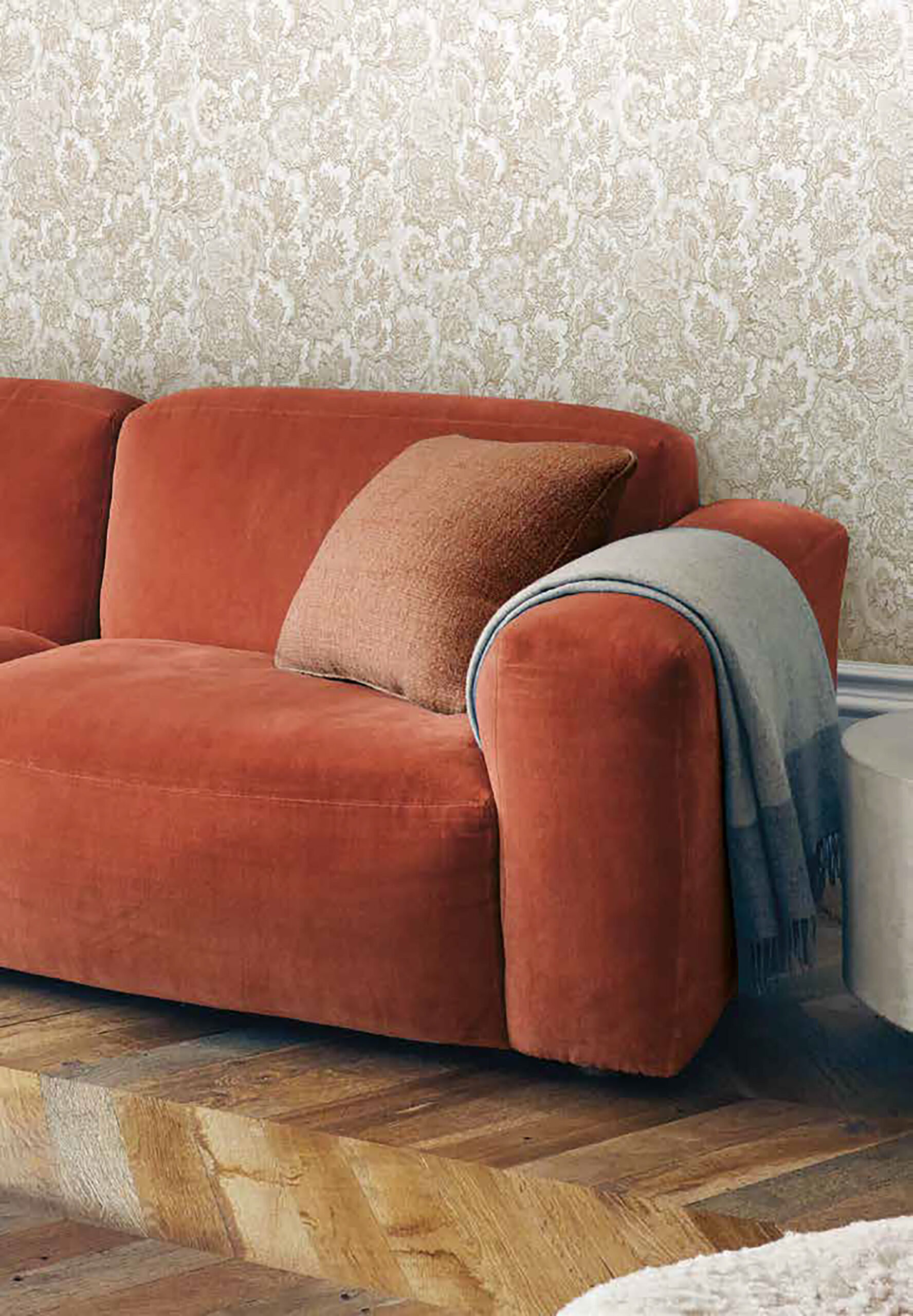
Chenille is not a fibre but a type of yarn construction. Short lengths of fibre are trapped between two core threads and twisted together, creating a yarn with a fuzzy, protruding pile that resembles a caterpillar. When woven into fabric, this yarn produces a surface with a soft, velvety nap that catches light and creates subtle colour variations as the pile shifts direction.
This unique construction gives chenille several distinctive characteristics.
- Exceptional softness: The protruding pile creates a plush, cushioned surface that is immediately inviting to the touch. Chenille is one of the softest upholstery fabrics available.
- Visual depth: The pile catches light at different angles, creating an iridescent quality where the fabric appears to change colour subtly as you view it from different positions. This adds visual richness that flat-weave fabrics cannot replicate.
- Warmth: The textured surface provides a cosy, warm quality that makes chenille upholstery particularly inviting for sofas and armchairs.
- Colour saturation: Chenille absorbs and reflects colour beautifully, producing rich, saturated tones that look deep and luxurious.
Chenille Fibre Options
Chenille yarn can be made from various fibres, each offering different performance characteristics for upholstery use.
Cotton Chenille
Soft and breathable, cotton chenille feels natural and comfortable against the skin. It is a good choice for bedrooms and low-traffic seating. However, cotton chenille is less durable than synthetic versions and more susceptible to staining and moisture damage — a consideration in Singapore’s humid climate.
Polyester Chenille
Polyester chenille is the most popular choice for upholstery in Singapore. It resists stains, fading, and moisture far better than cotton, while maintaining the soft, plush hand-feel that makes chenille desirable. Modern polyester chenille is virtually indistinguishable from natural fibre versions in touch and appearance.
Viscose and Rayon Chenille
Viscose chenille offers a silky sheen and luxurious drape. It looks stunning but is the most delicate option, prone to water spotting and requiring professional cleaning only. Reserve viscose chenille for low-use, decorative pieces rather than everyday seating.
Blended Chenille
Many chenille upholstery fabrics blend fibres — for example, polyester with cotton or acrylic — to optimise the balance of softness, durability, and ease of care. Blends often deliver the best combination of aesthetic appeal and practical performance.
Durability Considerations
Chenille’s softness sometimes raises concerns about durability, but modern chenille upholstery fabrics are engineered for residential use with impressive wear characteristics.
Quality chenille upholstery fabric typically rates between 20,000 and 50,000 double rubs on the Martindale abrasion test, placing it firmly in the residential-suitable range. Higher-end polyester chenille products can exceed this, rivalling many standard contract fabrics.
The main durability consideration with chenille is pile crushing — the tendency for the surface pile to flatten in areas of heavy use, such as seat cushions. Over time, this creates visible wear patterns where the pile lies in one direction. To minimise pile crushing, rotate seat cushions regularly, fluff the pile with a soft brush periodically, and choose a chenille with a tight weave structure that holds the pile more securely.
Snagging is another consideration. Chenille’s protruding fibres can catch on sharp objects, jewellery, or pet claws, pulling the yarn and creating visible damage. Households with cats should consider whether chenille is the right choice for exposed furniture.
Styling Chenille in Singapore Homes
Chenille’s rich texture and colour depth make it a versatile choice for various interior styles popular in Singapore.
Modern contemporary: A chenille sofa in a deep jewel tone — emerald, sapphire, or burgundy — becomes the focal point of a modern living room. Pair with sleek, minimalist furniture and let the texture do the talking.
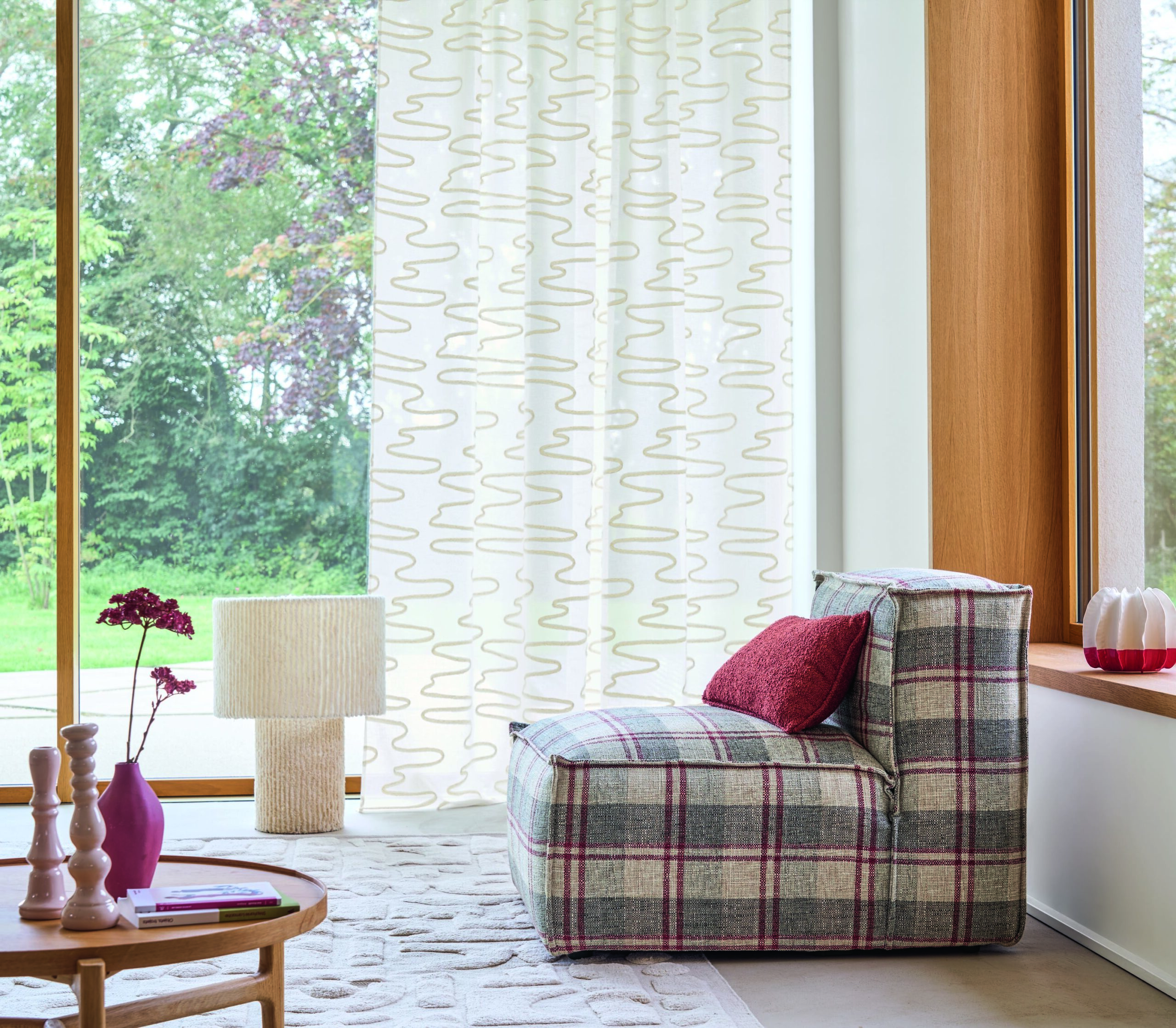
Scandinavian minimalist: Neutral chenille in warm grey, cream, or soft blush adds the tactile warmth that Scandinavian-inspired interiors need to avoid feeling cold. The texture provides visual interest without pattern or colour complexity.
Transitional and classic: Chenille in traditional colourways — deep red, gold, olive — suits more formal living rooms and dining chairs. The fabric’s inherent elegance aligns naturally with classic interior design.
Bedroom retreat: Chenille armchairs, chaise longues, and headboard upholstery create an enveloping, cocoon-like atmosphere in bedrooms. The fabric’s softness and warmth contribute to a sense of comfort and relaxation.
Browse Goodrich Global’s upholstery fabric range to explore chenille and other plush textiles suited to Singapore residential and hospitality projects.
Care and Maintenance
Proper care extends the life and appearance of chenille upholstery significantly.
- Vacuum weekly: Use a soft brush attachment to remove dust and debris from the pile. Vacuum in the direction of the pile to avoid damaging the fibres.
- Blot spills immediately: Chenille can absorb liquids quickly, so speed is essential. Blot with a clean, dry white cloth — never rub, which can mat the pile and spread the stain.
- Avoid water-based cleaning on viscose chenille: Water can leave permanent marks on viscose and rayon chenille. Use dry cleaning methods or consult a professional upholstery cleaner.
- Brush the pile: A soft garment brush used periodically in one direction helps maintain the pile’s evenness and restores the fabric’s visual sheen.
- Protect from direct sunlight: Prolonged UV exposure can fade chenille, particularly cotton and viscose versions. In Singapore, where sunlight is intense, position chenille furniture away from floor-to-ceiling windows or use UV-filtering curtain fabric to protect your upholstery.
- Professional cleaning: Have chenille upholstery professionally cleaned annually for best results. Specify that the cleaner uses methods appropriate for chenille to avoid pile damage.
Final Thoughts
Chenille fabric upholstery delivers a unique combination of softness, visual depth, and accessible luxury that makes it a perennial favourite for residential interiors. In Singapore, polyester and blended chenille options provide the best balance of plush comfort and practical durability, standing up to our tropical climate while adding a touch of indulgence to everyday living.
Choose the right fibre composition for your usage level, maintain the pile with regular care, and your chenille upholstery will reward you with years of beautiful, comfortable use.
Request free samples from our Singapore showroom to experience the softness and colour depth of chenille upholstery firsthand.