Fabric & Upholstery
Leather Upholstery Care: Cleaning and Maintenance
Leather upholstery care is essential for preserving the beauty, comfort, and longevity of one of the most valued materials in interior furnishing. In Singapore’s tropical climate, leather furniture faces unique challenges — high humidity, air conditioning cycling, and intense sunlight can accelerate wear if proper maintenance is neglected.
Whether you own a premium full-grain leather sofa or a corrected-grain dining chair set, this guide provides practical, expert advice on keeping your leather looking its best for years to come.
Understanding Your Leather Type
Effective leather upholstery care starts with knowing what type of leather you are working with. Different leathers require different treatment approaches, and using the wrong product can cause damage.
Aniline Leather
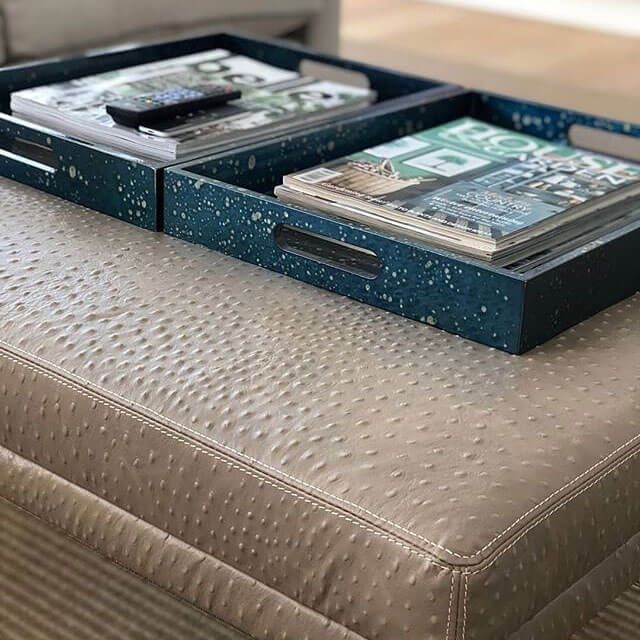
Aniline leather is dyed with soluble dyes that penetrate the hide without coating the surface. The natural grain, pores, and markings remain visible, giving each piece a unique character. Aniline leather is the most luxurious and natural-looking type, but also the most sensitive to stains, fading, and moisture.
Semi-Aniline Leather
Semi-aniline leather receives a light protective coating over the aniline dye, offering a balance between natural appearance and practical durability. It retains much of the character of full aniline while being more resistant to everyday wear. This is the most common type found in quality residential furniture.
Pigmented (Corrected-Grain) Leather
Pigmented leather has a polymer coating that provides a uniform colour and consistent appearance. It is the most durable and stain-resistant type, making it popular for family homes and commercial seating. The surface coating means it tolerates more aggressive cleaning methods than aniline types.
Bonded and Faux Leather
Bonded leather contains a percentage of real leather fibres combined with synthetic materials. Faux leather (PU or PVC-based) contains no animal hide. Both require different care than genuine leather — leather conditioners are unnecessary and may damage the surface coating.
Routine Cleaning for Everyday Maintenance
Regular, gentle cleaning is the foundation of leather upholstery care. Establishing a consistent routine prevents dirt and body oils from building up and degrading the leather surface.
Weekly Dusting
Dust and loose particles accumulate on leather surfaces and, if left, can work into the grain and cause abrasion. Wipe your leather furniture weekly with a soft, dry microfibre cloth. For tufted or buttoned designs, use a soft-bristled brush or the upholstery attachment of your vacuum cleaner to reach crevices and seams.
Monthly Cleaning
Once a month, clean the leather with a dedicated leather cleaner or a solution of mild soap (not detergent) and distilled water. Apply the solution to a soft cloth — never directly to the leather — and wipe gently in circular motions. Follow immediately with a clean, damp cloth to remove any residue, then dry with a separate cloth.
Avoid household cleaning products, baby wipes, vinegar, or abrasive cleaners. These can strip the leather’s protective finish and cause irreversible damage.
Conditioning
Leather is a natural material that loses moisture over time, leading to drying, cracking, and stiffness. Conditioning replenishes the oils and waxes that keep leather supple and resilient.
Apply a quality leather conditioner every three to six months, or more frequently in air-conditioned environments where humidity levels are lower. Work the conditioner into the leather with a soft cloth, allow it to absorb for the recommended time, then buff gently to remove any excess.
For aniline leather, use only conditioners specifically formulated for uncoated leather. Products designed for pigmented leather may leave a greasy residue on aniline surfaces.
Dealing with Stains and Spills
Speed is critical when dealing with spills on leather. The longer a liquid sits on the surface, the deeper it penetrates and the harder it becomes to remove.
General Spills
Blot (never rub) the spill immediately with a clean, absorbent cloth. Rubbing spreads the liquid and pushes it deeper into the leather. After blotting, clean the area with a leather cleaner and allow it to air dry naturally. Do not use a hair dryer or direct heat, which can cause the leather to shrink or crack.
Ink Stains
Ink on leather requires prompt attention. For pigmented leather, a specialist leather ink remover can be effective if applied quickly. For aniline leather, professional cleaning is strongly recommended — home remedies risk spreading the stain or damaging the uncoated surface.
Grease and Oil
Blot excess grease with a dry cloth, then sprinkle the area with a thin layer of cornstarch or talcum powder. Leave for several hours or overnight to absorb the oil, then brush away gently. Repeat if necessary. Do not use water or solvent-based cleaners on grease stains, as these can spread the oil.
Water Marks
If water leaves a visible mark on aniline leather, dampen the entire surface of the cushion or panel evenly with a lightly moistened cloth. This allows the leather to dry uniformly, preventing a tide-mark effect. Allow to dry naturally away from direct heat.
Protecting Leather from Singapore’s Climate
Singapore’s environment poses specific challenges for leather furniture that owners should address proactively.
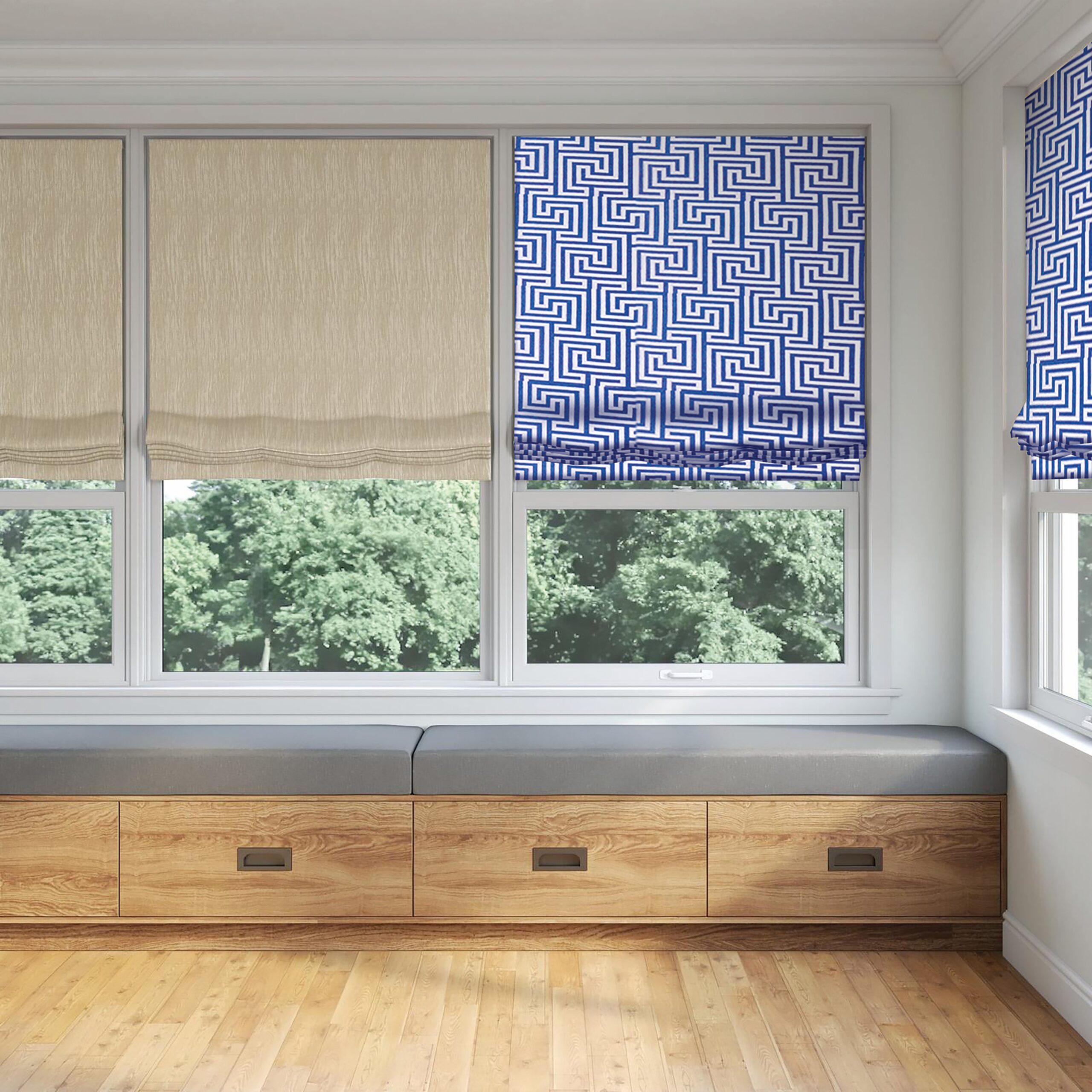
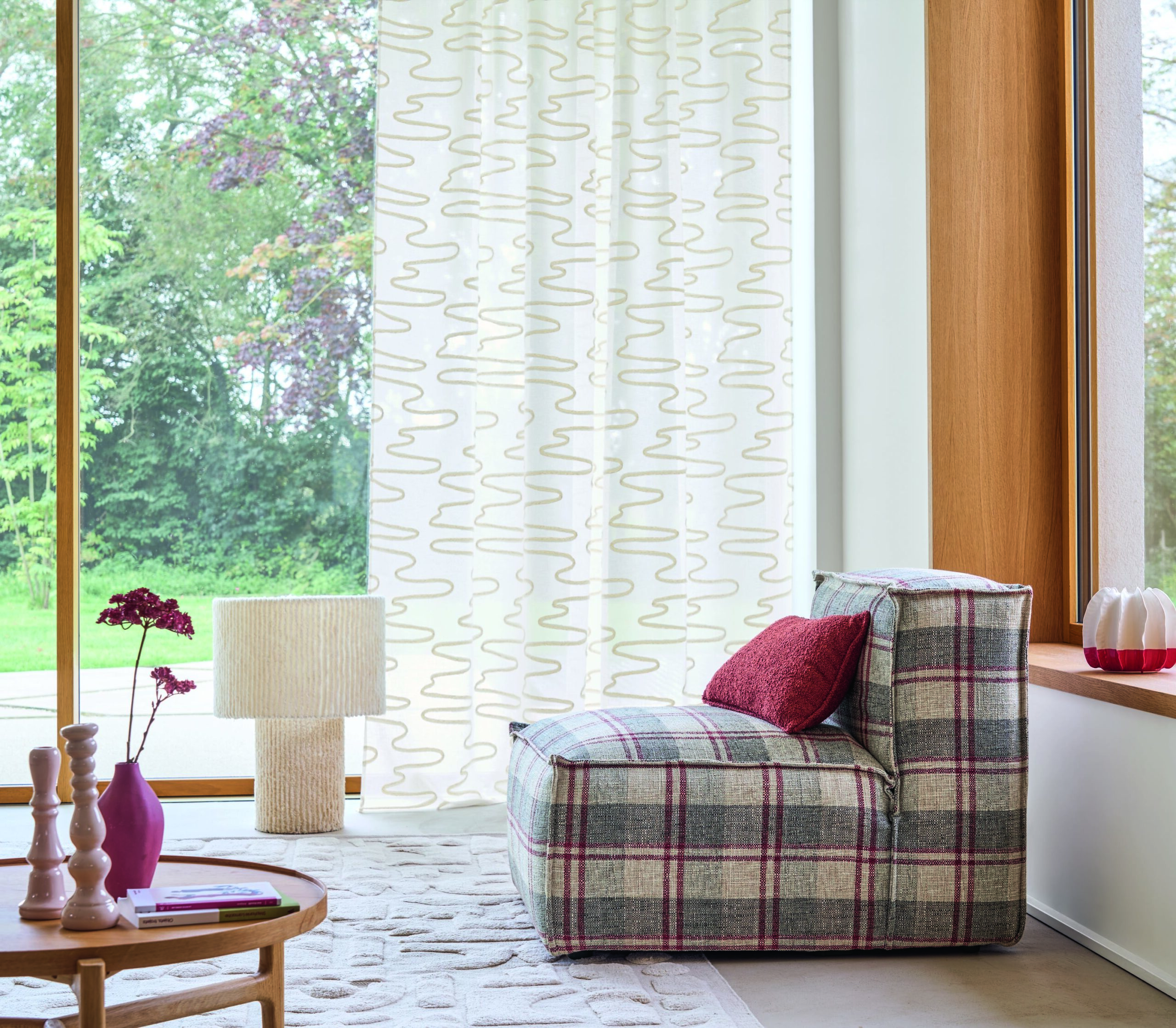
- Sun damage: Direct sunlight fades and dries leather rapidly. Position leather furniture away from windows that receive prolonged direct sun, or use curtains and drapery to filter UV rays during peak hours.
- Humidity fluctuations: The cycle between air-conditioned dryness and ambient humidity causes leather to expand and contract, which can lead to surface cracking over time. Maintaining a relatively consistent indoor humidity level helps. If you use air conditioning extensively, increase your conditioning frequency.
- Body oils and perspiration: In a warm climate, skin contact transfers more oils and perspiration to leather surfaces. Throws or cushion covers on frequently used seating areas can reduce this transfer, while regular cleaning removes accumulated residue.
- Mould: In poorly ventilated rooms or during extended periods without air conditioning, mould can develop on leather surfaces. If mould appears, wipe with a diluted alcohol solution (one part isopropyl alcohol to one part water), then condition the leather. Ensure better ventilation to prevent recurrence.
When to Seek Professional Help
Some leather issues require professional intervention. Attempting DIY repairs on serious damage can make the problem worse and more expensive to correct.
Seek professional leather restoration for deep scratches or cuts that penetrate the surface, colour loss or significant fading, widespread cracking or peeling, persistent stains that do not respond to home cleaning, and mould damage that has penetrated the leather structure.
Professional leather restorers can re-dye faded areas, repair tears with colour-matched patches, and recondition severely dried leather. For valuable furniture, this investment is worthwhile — a skilled restoration can add years to the life of a quality leather piece.
When selecting new upholstery fabrics or considering leather alternatives, Goodrich Global’s range includes performance materials designed to withstand Singapore’s climate with minimal maintenance.
Final Thoughts
Leather upholstery care is not complicated, but it does require consistency. A simple routine of weekly dusting, monthly cleaning, and quarterly conditioning will keep your leather furniture looking beautiful and feeling supple for decades. The key is using the right products for your leather type and addressing spills and issues promptly before they become permanent.
Your leather furniture is an investment worth protecting — and the effort required is modest compared to the rewards.
Book an appointment with our design consultants to explore upholstery options suited to Singapore’s climate.