Fabric & Upholstery
Sofa Fabric Guide: Choosing the Right Upholstery
A comprehensive sofa fabric guide is essential for anyone investing in new upholstery in Singapore. The fabric you choose determines not only how your sofa looks but how it feels, how long it lasts and how easy it is to maintain. In Singapore’s humid, tropical climate, fabric selection becomes even more critical — the wrong material can deteriorate quickly, while the right one performs beautifully for years.
This guide compares the most common sofa fabrics, explains key performance metrics and offers recommendations for different household types.
Why Fabric Choice Matters
A sofa is one of the most used and most expensive pieces of furniture in any home. The average family sits on their sofa for several hours daily, subjecting it to friction, body oils, spills and pet contact. In Singapore, humidity adds another layer of stress — moisture encourages mould growth and can degrade natural fibres over time.
Choosing the right upholstery fabric is a balance between aesthetics, comfort, durability and maintenance. A fabric that looks stunning in a showroom but pills, stains or sags within a year is a poor investment. Conversely, an ultra-durable fabric that feels scratchy or looks clinical will not serve a home well either.
Common Sofa Fabric Types
Cotton
Cotton is a natural fibre that is breathable, soft and available in a wide range of colours and prints. It drapes well over sofa cushions and feels comfortable against skin — an important consideration in Singapore, where shorts and sleeveless clothing are common at home.
The limitations of cotton upholstery include susceptibility to staining, wrinkling and fading. Cotton also absorbs moisture, which can encourage mildew in humid conditions. Cotton-polyester blends mitigate some of these weaknesses while retaining cotton’s comfortable hand feel.
Linen
Linen upholstery has a beautiful slub texture and a relaxed, organic look that suits contemporary and coastal interiors. It is breathable and cool to the touch, making it comfortable in warm climates.
However, linen wrinkles easily, is prone to pilling and stains readily. It is best suited to formal living rooms or adult-only households where the sofa receives lighter use. Linen blends with polyester or nylon offer improved durability.
Polyester and Microfibre
Polyester is the workhorse of sofa fabrics. It resists fading, wrinkling and moisture, holds its shape well and is easy to clean. Microfibre — a ultra-fine polyester — offers a suede-like appearance and feel with excellent stain resistance. Both are practical choices for families with children.
Modern polyester upholstery fabrics have evolved far beyond the shiny, synthetic look of earlier generations. Today’s options convincingly mimic natural fibres like linen, cotton and even wool.
Velvet
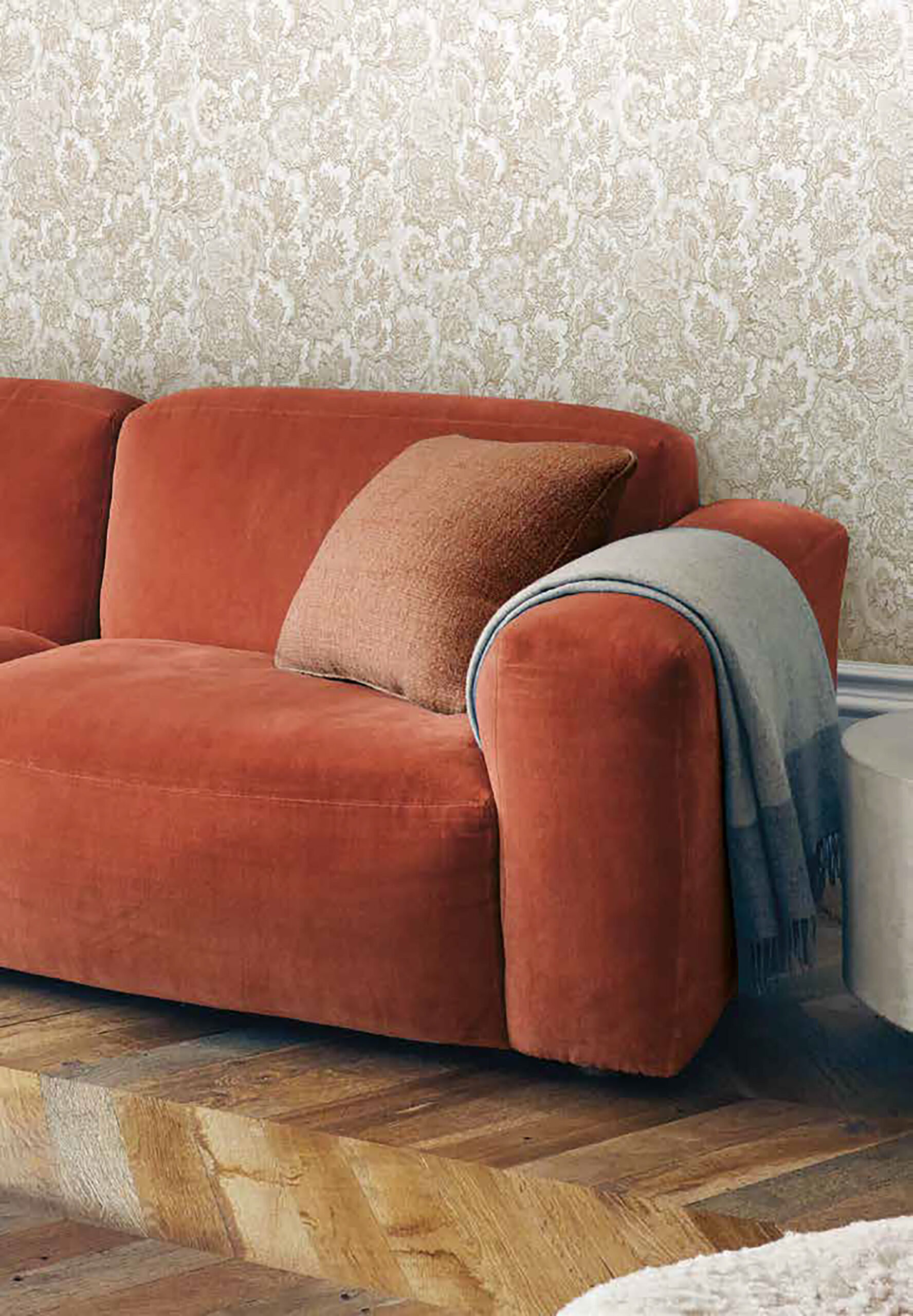
Velvet upholstery adds undeniable luxury. It has a rich, deep appearance, a soft hand feel and excellent colour depth. Velvet sofas make a strong design statement in living rooms and formal sitting areas.
Performance velvet — typically polyester-based — is more practical than traditional cotton or silk velvet. It resists staining, crushing and fading, making it viable for everyday family use. In Singapore’s climate, performance velvet is the recommended option.
Leather
Genuine leather is durable, ages gracefully and develops a unique patina over time. It is easy to clean and does not harbour dust mites — an advantage for allergy sufferers. Top-grain and full-grain leathers are the highest quality options.
In Singapore, leather can feel sticky against bare skin in non-air-conditioned rooms. It also requires conditioning to prevent drying and cracking in air-conditioned environments, which remove moisture from the hide. PU (polyurethane) leather is a more affordable alternative but has a shorter lifespan and may peel in humid conditions.
Performance Fabrics
Performance fabrics — branded options like Crypton, Sunbrella or other stain-resistant treated fabrics — are engineered for maximum durability and easy maintenance. They resist stains, moisture, fading and odours while maintaining a soft, natural hand feel.
These fabrics are ideal for households with young children, pets or high traffic. They are typically more expensive upfront but save on cleaning and replacement costs over time.
Key Performance Metrics
When comparing sofa fabrics, these technical specifications help you make an informed decision.
| Metric | What It Measures | What to Look For |
|---|---|---|
| Martindale rub count | Abrasion resistance | 20,000+ for residential; 40,000+ for heavy use |
| Pilling resistance | Tendency to form surface pills | Grade 4-5 (on a 1-5 scale) for best performance |
| Light fastness | Resistance to fading from light exposure | Grade 5+ (on a 1-8 scale) for sun-exposed rooms |
| Colourfastness | Resistance to colour transfer from rubbing | Grade 4+ (on a 1-5 scale) |
A Martindale rub count is the most commonly cited durability metric. Fabrics with 20,000 or more double rubs are suitable for residential use, while 40,000 or more is recommended for high-traffic seating and households with children or pets.
Choosing Fabric for Your Household
Families with Young Children
Prioritise stain resistance and washability. Performance fabrics, microfibre and performance velvet are the top choices. Avoid light-coloured linen and untreated cotton. Choose darker or patterned fabrics that camouflage small marks between cleanings.
Households with Pets
Pet owners need fabrics that resist scratching, repel hair and tolerate frequent cleaning. Tightly woven fabrics like microfibre are harder for claws to snag than loose weaves. Leather is easy to wipe but can be scratched by nails. Performance fabrics with stain and odour resistance are the most practical option.
Adult-Only Homes
Without the demands of children and pets, the full range of upholstery fabrics is available. Linen, cotton, silk blends and traditional velvet are all viable choices. Focus on aesthetics and comfort, keeping an eye on humidity resistance for Singapore conditions.
Rental Properties
For rental furnishing, choose durable, easy-to-clean fabrics that appeal to a broad range of tenants. Polyester, microfibre and performance fabrics in neutral colours offer the best combination of durability and universal appeal.
Fabric Care in Singapore’s Climate
- Humidity management: Keep rooms adequately ventilated or air-conditioned. Persistent humidity above 70% can encourage mould growth on natural-fibre upholstery.
- Regular vacuuming: Vacuum sofa surfaces weekly with an upholstery attachment to remove dust, skin cells and allergens that accumulate in the fabric.
- Spot cleaning: Blot spills immediately — never rub. Use the cleaning method recommended for your specific fabric type. Most performance fabrics can be cleaned with water and mild soap.
- Professional cleaning: Schedule professional upholstery cleaning every 12-18 months. This deep-cleans fibres that regular vacuuming cannot reach.
- Cushion rotation: Rotate and flip reversible cushions monthly to distribute wear evenly.
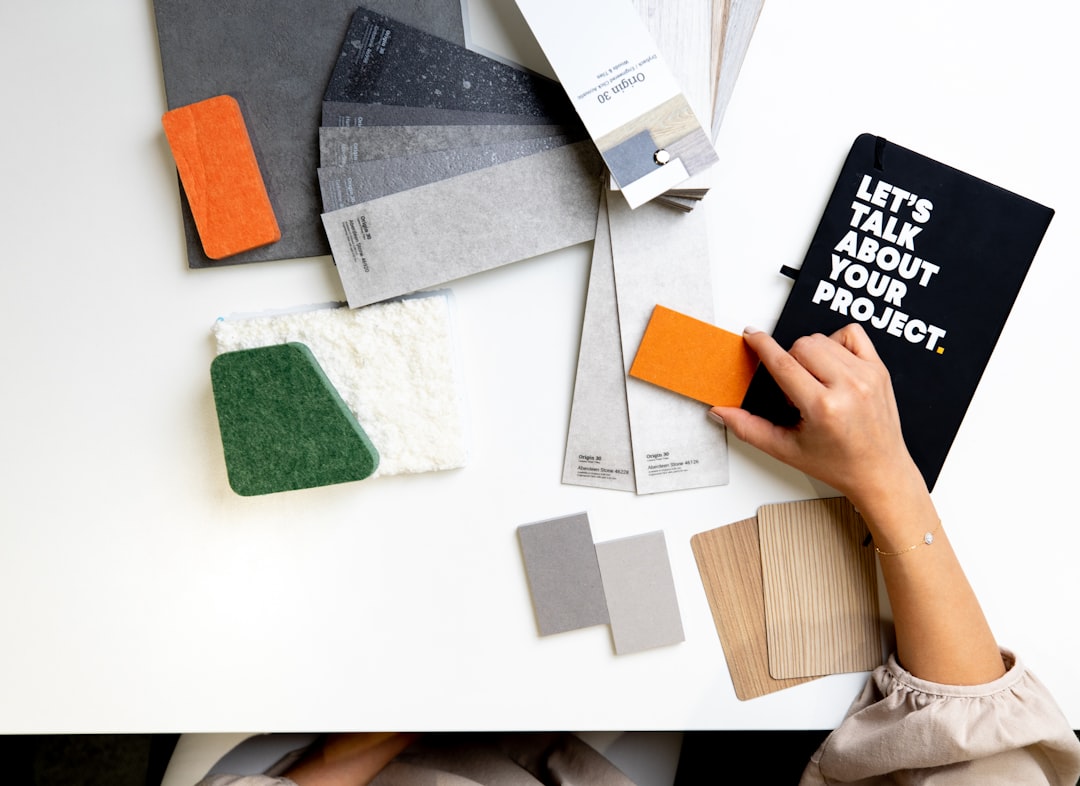
Explore the upholstery fabric collection at Goodrich for fabrics suited to every household type and design style. Request fabric samples to test comfort, colour and texture in your own home.
Final Thoughts
The right sofa fabric balances how you live with how you want your home to look. In Singapore’s climate, moisture resistance and easy maintenance should be factored into every decision alongside aesthetics and comfort. Invest in a fabric that performs well under your household’s specific conditions, and your sofa will look and feel great for years to come.
Request free samples from our Singapore showroom and compare upholstery fabrics side by side.