Fabric & Upholstery
Velvet Upholstery Fabric: Luxury and Durability
Velvet upholstery fabric delivers a combination of visual richness, tactile luxury, and surprising durability that few other materials can match. Once associated exclusively with formal, traditional interiors, modern velvet has evolved into one of the most versatile upholstery choices for contemporary homes, hotels, restaurants, and commercial spaces across Singapore.
Understanding the different types of velvet, their performance characteristics, and how they behave in our tropical climate helps you select the right product for sofas, armchairs, headboards, dining chairs, and decorative cushions.
What Makes Velvet Different from Other Upholstery Fabrics
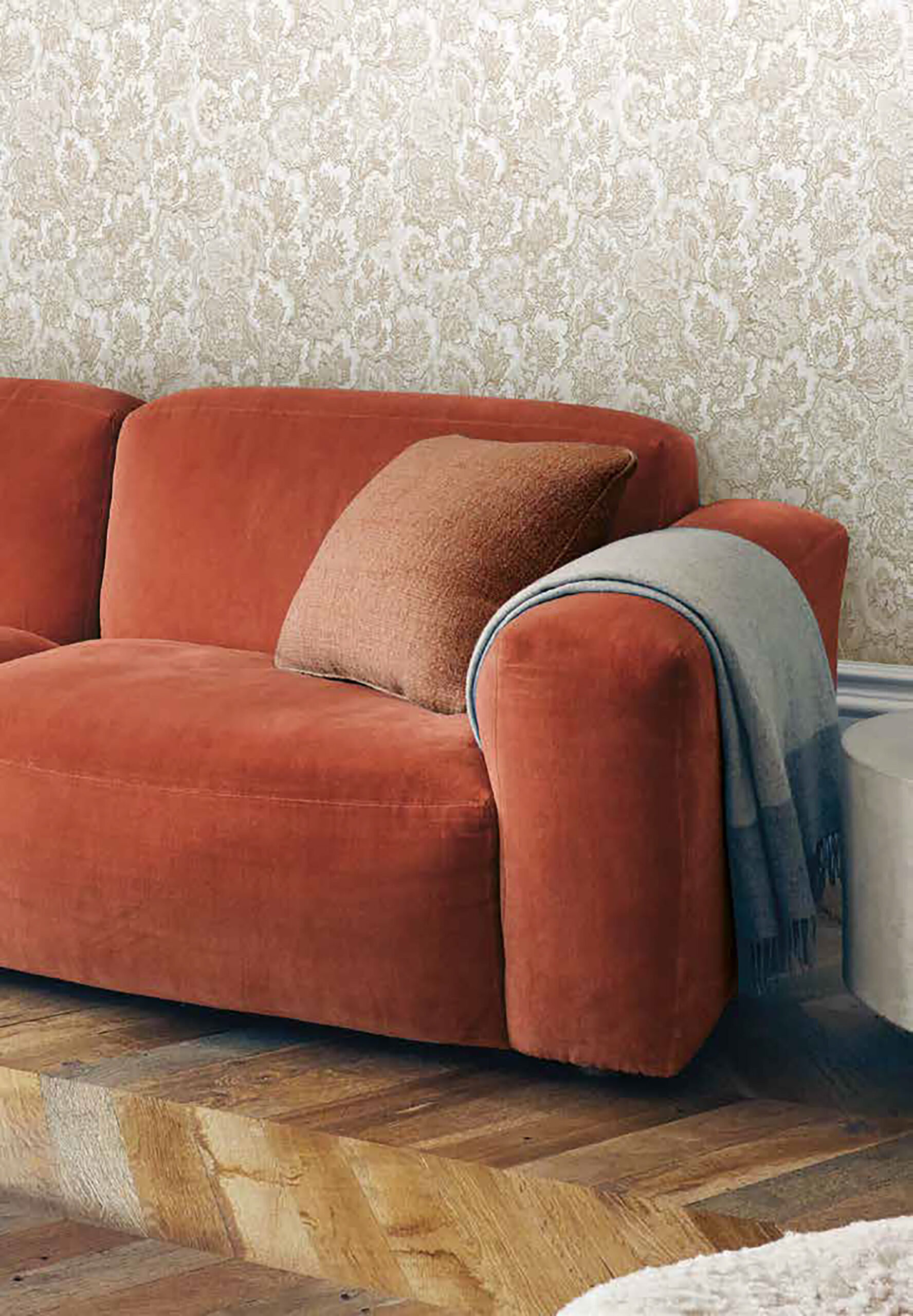
Velvet’s distinctive character comes from its construction method. Unlike flat-woven fabrics where threads interlace horizontally and vertically, velvet has a pile: short, densely packed fibres that stand upright from the backing cloth. This pile creates the fabric’s characteristic softness, depth of colour, and light-catching quality.
When light hits velvet, the pile absorbs and reflects it differently depending on the viewing angle. This produces the rich, shifting tones that make velvet upholstery appear to change colour as you move around the room. No printed or flat-woven fabric replicates this optical effect.
The density of the pile also contributes to velvet’s practical performance. Tightly packed fibres resist penetration by dust, crumbs, and pet hair, making quality velvet easier to maintain than many people expect. The pile acts as a natural barrier that prevents spills from immediately soaking into the backing.
Types of Velvet for Upholstery
Not all velvets are equal. The fibre content and construction method determine the fabric’s performance, feel, and suitability for different applications.
Cotton Velvet
Traditional cotton velvet has a soft, matte appearance and a natural hand feel. It suits low-traffic applications such as decorative cushions, headboards, and occasional chairs in bedrooms. Cotton velvet is less resistant to crushing and wear than synthetic alternatives, making it a poor choice for heavily used sofas or commercial seating.
Polyester Velvet
Polyester velvet dominates the modern upholstery market for good reason. It resists crushing, fading, and staining significantly better than cotton. High-quality polyester velvets are nearly indistinguishable from natural fibres in terms of hand feel and visual richness. They are the most practical choice for everyday residential upholstery in Singapore, where air conditioning and humidity test all soft furnishings.
Viscose and Modal Velvet
Viscose (rayon) velvets offer exceptional drape and a lustrous sheen that catches light beautifully. They are popular for decorative applications and light-use residential furniture. However, viscose is less durable than polyester and more susceptible to water marking and crushing, so it requires more careful maintenance.
Performance Velvet
Engineered specifically for high-traffic applications, performance velvets are typically polyester-based with additional stain-repellent treatments and enhanced abrasion resistance. They are designed to withstand the demands of family homes with children and pets, as well as commercial environments such as hotel lounges and restaurant seating. Martindale abrasion ratings of 50,000 cycles or higher are common in this category.
Velvet in Singapore’s Climate
A common concern about velvet in Singapore relates to our tropical humidity. The worry is that velvet will feel uncomfortably warm or trap moisture. In practice, this is rarely an issue in air-conditioned interiors, which represent the vast majority of living and working spaces in Singapore.
Modern polyester and performance velvets are engineered with moisture management in mind. Their synthetic fibres do not absorb humidity the way natural fibres do, so they maintain their hand feel and appearance consistently in air-conditioned environments.
For outdoor-adjacent spaces such as covered balconies or naturally ventilated rooms, velvet is not the ideal choice. In these settings, solution-dyed acrylic or polyolefin fabrics perform more reliably. But for any indoor, air-conditioned space in a Singapore HDB, condo, or commercial building, velvet performs beautifully year-round.
How to Choose Velvet Upholstery for Your Project
Selecting the right velvet involves balancing aesthetics with practical performance requirements.
For everyday sofas and sectionals: Choose a performance velvet with a Martindale rating of at least 40,000 cycles. Opt for mid-tone colours that are forgiving of everyday wear and marking. Stain-repellent treatments add a valuable layer of protection for family homes.
For dining chairs: Durability and cleanability are paramount. Performance velvet or polyester velvet with stain protection handles food and drink spills effectively. Avoid pale colours in dining applications unless the chairs are for a formal setting with infrequent use.
For headboards: Appearance takes priority over abrasion resistance. Cotton velvet and viscose velvet shine in this application, where their lustre and softness are fully appreciated without the stress of heavy daily wear.
For hotel and hospitality: Fire-rated performance velvet is the standard. These products meet SCDF fire safety requirements while delivering the luxurious appearance that hospitality interiors demand. Ensure the selected fabric meets both fire and abrasion specifications for the intended use.
Explore the upholstery fabric range at Goodrich Global to view velvet options suited to residential and commercial projects.
Caring for Velvet Upholstery
Proper care keeps velvet looking its best for years. The maintenance requirements are simpler than many people assume.
- Regular vacuuming: Use an upholstery attachment weekly to remove dust and prevent pile flattening. Vacuum in the direction of the pile.
- Brushing: A soft-bristled fabric brush restores pile direction after sitting and removes surface debris. Brush gently in one direction.
- Spill management: Blot spills immediately with a clean, dry cloth. Avoid rubbing, which pushes the liquid deeper and can crush the pile. For stubborn stains, consult the fabric manufacturer’s cleaning code.
- Steam refreshing: A handheld garment steamer held at a distance revives crushed pile and removes light wrinkles. This is particularly useful for refreshing velvet cushion covers and dining chair seats.
- Professional cleaning: Schedule professional upholstery cleaning annually for heavily used pieces. Ensure the cleaner is experienced with velvet and uses appropriate methods for the specific fibre content.
Avoid placing velvet upholstery in direct sunlight. Prolonged UV exposure fades colour and can weaken fibres over time. In Singapore condos and landed homes with large windows, position velvet-upholstered furniture away from direct sun or use UV-filtering drapery fabric to protect your investment.
Final Thoughts
Velvet upholstery fabric offers a rare combination of sensory luxury and practical durability, particularly in the modern performance velvet category. For Singapore interiors, where air-conditioned environments create ideal conditions for velvet, it is a choice that rewards with years of rich colour, tactile pleasure, and visual depth. Select the right type for the application, maintain it with simple regular care, and velvet will remain one of the most satisfying upholstery choices available.
Request free samples from our Singapore showroom to feel the difference between velvet types and find the perfect match for your project.