Articles / Carpet & Flooring / Healthcare Interiors
Slip Resistant Vinyl Flooring Hospitals: A Safety-Focused Flooring Guide

Introduction: Why Flooring Is a Safety System in Hospitals
Slips and falls remain one of the most common safety incidents in healthcare environments, affecting patients, visitors, and staff alike. In hospitals, where mobility is often limited and movement is constant, even minor flooring failures can result in serious injury, liability, and operational disruption. As a result, flooring must be viewed as part of a hospital’s safety system, not just an interior finish.
Hospital floors support patient recovery, staff efficiency, and infection control while operating under demanding cleaning and traffic conditions. When surfaces fail to provide adequate grip, the risk of accidents increases across wards, corridors, and treatment areas.
This is why slip resistant vinyl flooring solutions are increasingly specified as a risk-management measure. Designed to provide consistent traction while supporting hygiene and durability requirements, slip resistant vinyl flooring hospitals applications play a critical role in creating safer healthcare environments without compromising operational performance.
Understanding Slip Risk in Hospital Environments
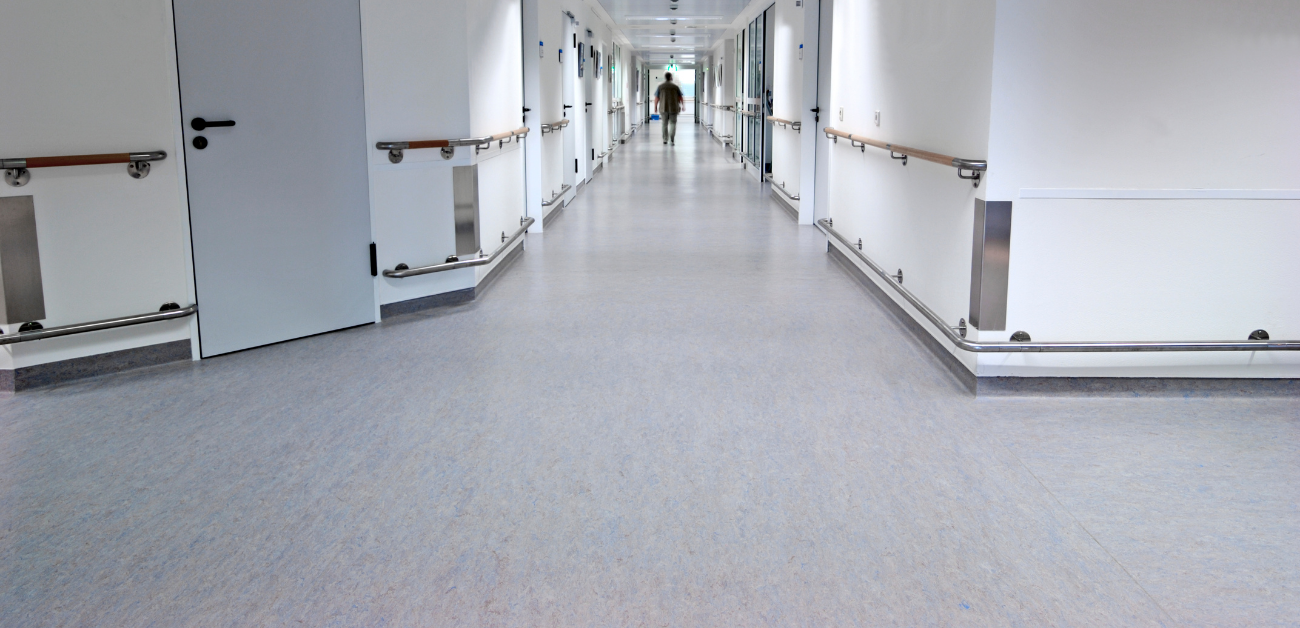
Slip risk in healthcare settings is shaped by conditions that are rarely present together in other buildings. Hospitals contain numerous wet zones, including bathrooms, wash areas, and treatment rooms, where moisture is unavoidable. Frequent cleaning cycles further increase the presence of water and cleaning agents on floors, while constant movement of patients, staff, and equipment creates ongoing exposure to risk. In this context, slip resistant vinyl flooring applications help manage traction under both dry and wet conditions.
Different groups face different risks. Patients may have limited mobility or use walking aids, visitors may be unfamiliar with the environment, and staff often move quickly between areas. Flooring must support all of them simultaneously. Slip resistant vinyl flooring hospitals solutions are designed to provide consistent grip without impeding movement or cleaning.
Hospitals also face higher liability than most buildings. Any slip incident can lead to serious injury claims, regulatory scrutiny, and reputational impact. This makes slip resistant vinyl flooring hospitals a critical component of risk mitigation and facility management strategy.
What ‘Slip Resistant’ Actually Means in Hospital Flooring
In healthcare environments, the term “slip resistant” has a specific technical meaning that goes beyond surface appearance. For slip resistant applications, slip resistance is measured through standardised testing that evaluates how much friction a floor provides under controlled conditions. These ratings help determine whether flooring is suitable for areas where slips are a known risk.
It is important to distinguish between dry and wet slip performance. A floor may perform well when dry but become hazardous when exposed to water, cleaning solutions, or spills. Slip resistant vinyl flooring hospitals products are designed to maintain traction in both conditions, which is essential in environments with frequent cleaning and unavoidable moisture.
Visual texture can be misleading. Rough or heavily textured surfaces may appear safer, but they do not always deliver reliable slip resistance and can create challenges for cleaning and hygiene. Effective slip resistant vinyl flooring hospitals solutions balance tested traction with smooth, cleanable surfaces that support safety, infection control, and long-term performance in clinical settings.
Why Vinyl Flooring Is Widely Used in Hospitals
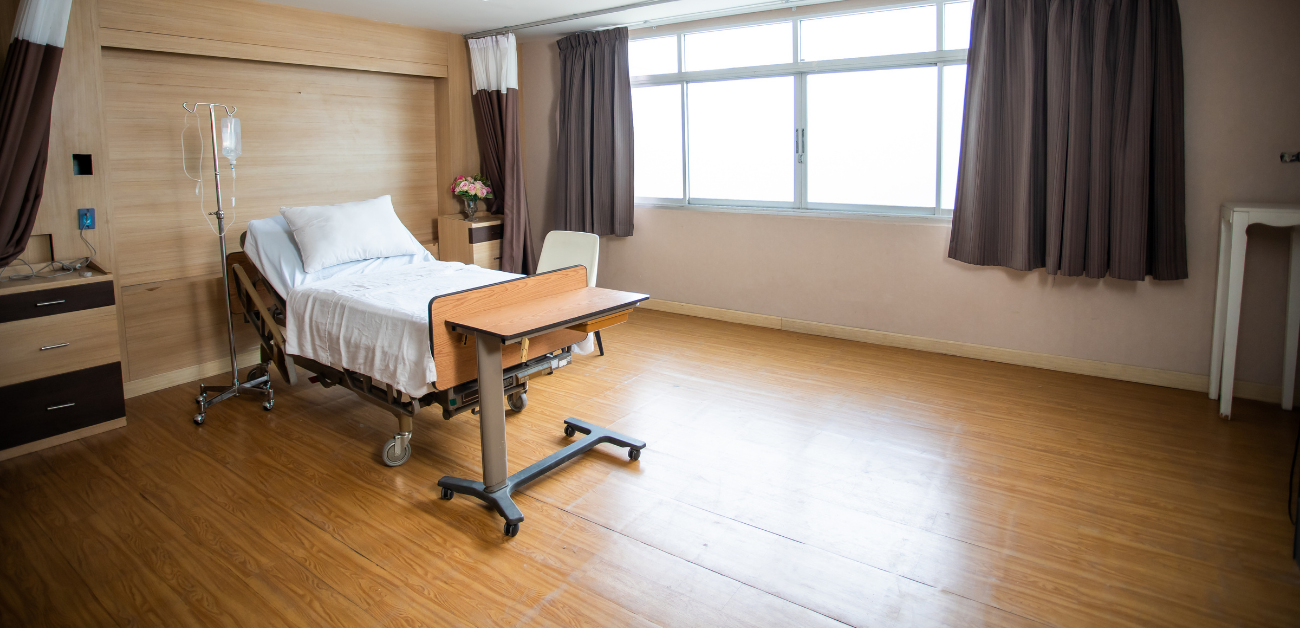
Hospitals require flooring materials that support strict hygiene and infection control standards. Vinyl flooring is widely used because it is non-porous and easy to clean, helping prevent the buildup of bacteria and contaminants.
Seamless installation is another advantage. Vinyl flooring can be installed with heat-welded seams or integrated coving, reducing joints where moisture and pathogens might collect. This makes slip resistant vinyl flooring hospitals solution well-suited for wet areas, treatment rooms, and high-use corridors where moisture exposure is common.
Vinyl also performs well in environments that require frequent cleaning and disinfecting. It tolerates moisture and cleaning agents without losing integrity or appearance. More importantly, vinyl is compatible with slip resistant performance. Manufacturers can engineer surface treatments that improve traction without compromising cleanability. This balance explains why slip resistant vinyl flooring has become a standard choice for healthcare facilities focused on safety, hygiene, and long-term operational reliability.
Where Slip Resistant Vinyl Flooring Is Most Critical in Hospitals
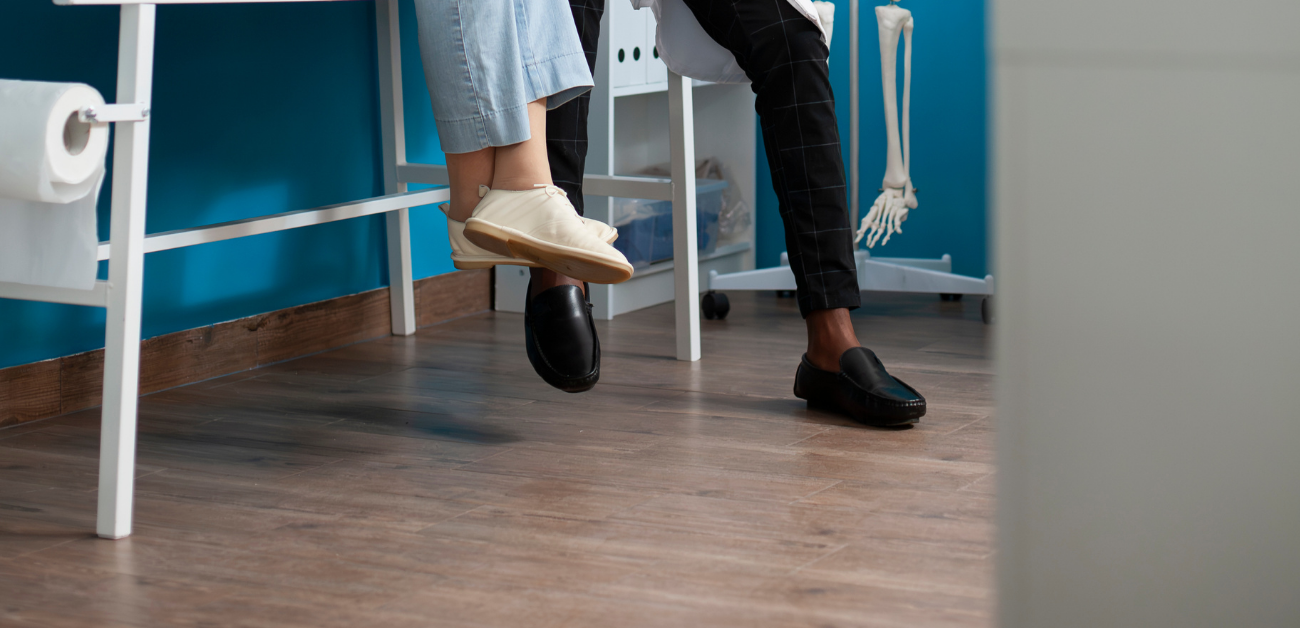
The need for slip resistant vinyl flooring solutions varies across different hospital zones, but certain areas demand particular attention due to higher risk levels. Patient rooms are one such area. Patients often move with limited mobility, use walking aids, or rely on staff support. Flooring must provide reliable traction without hindering movement or comfort. Corridors and nurse stations also experience continuous traffic from staff, equipment, and visitors, making slip resistance essential for maintaining safe circulation.
Bathrooms, wash areas, and treatment zones present even greater challenges. Water, cleaning agents, and medical fluids are common, increasing the likelihood of slips. In these environments, slip resistant applications must maintain performance under wet conditions while remaining easy to clean and disinfect.
Emergency departments represent high-stress environments where speed and urgency increase risk. Staff move quickly, patients arrive in unpredictable conditions, and spills are frequent. Flooring failures in these areas can have serious consequences. Properly specified slip resistant vinyl flooring hospitals solutions help reduce accidents and support safe, efficient operation in critical care settings.
Balancing Slip Resistance with Cleanability and Comfort
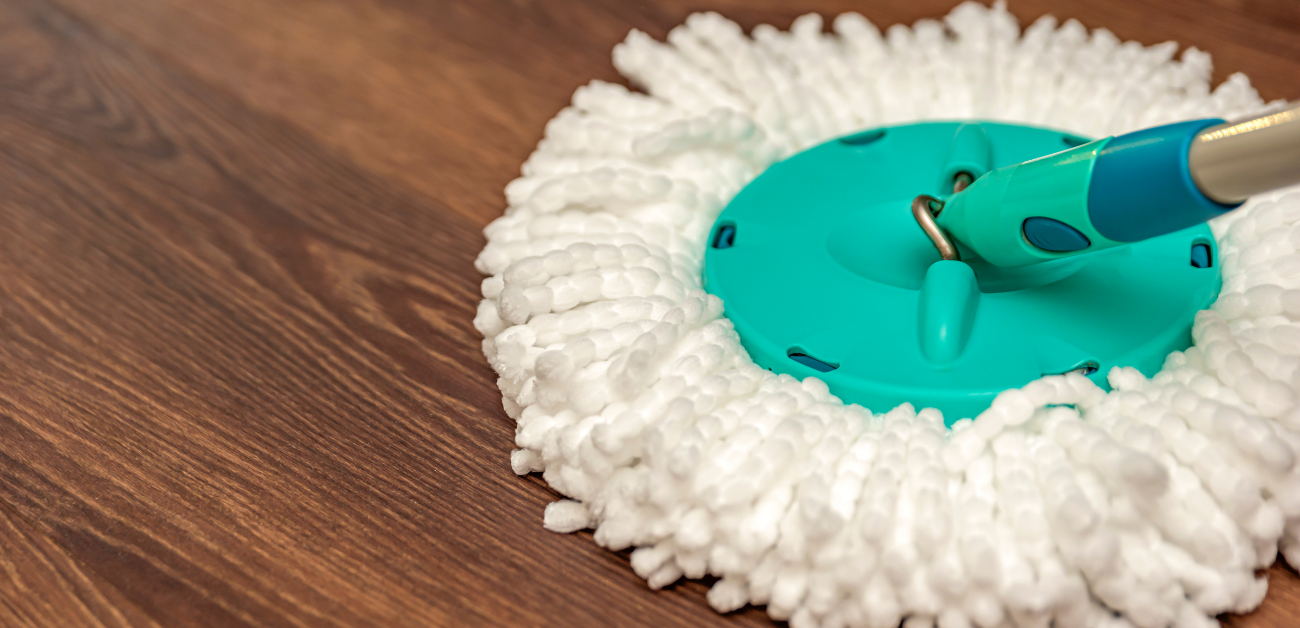
In hospital environments, safety must be balanced with everyday practicality. Slip-resistant vinyl flooring improves traction and helps reduce the risk of falls, but overly rough surfaces can create new challenges. Highly textured flooring may trap dirt, fluids, and cleaning residues, making it harder to keep spaces hygienic. This is especially important in healthcare settings, where effective cleaning and infection control are essential.
Comfort is another important factor. Hospital staff spend long hours on their feet, and overly hard or abrasive flooring can contribute to fatigue and joint strain. Patients, particularly those with limited mobility, also need surfaces that provide stability without creating resistance that interferes with walking aids or wheelchairs. Slip resistant vinyl flooring hospitals applications are designed to offer controlled traction while maintaining a smooth, supportive surface.
Over-textured floors can introduce new problems. They may wear unevenly, become harder to disinfect, or create discomfort during movement. Effective slip resistant vinyl flooring hospitals solutions focus on tested performance, cleanability, and comfort rather than relying on visual texture alone.
Compliance, Standards, and Hospital Flooring Expectations
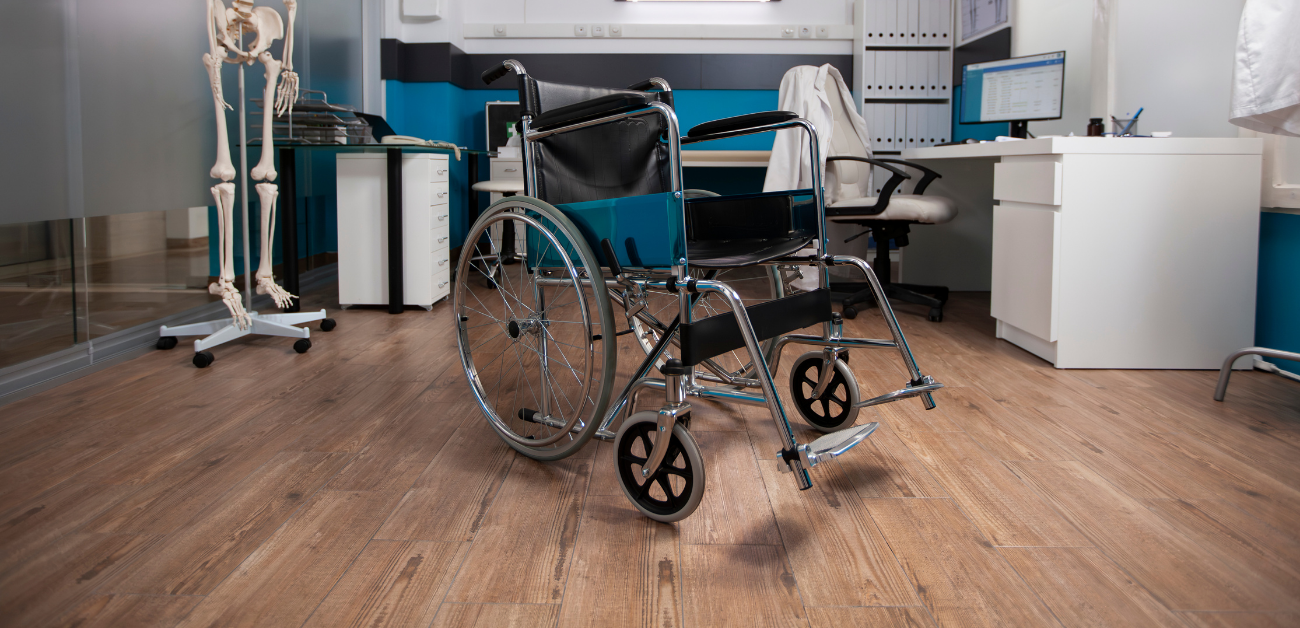
Compliance is a critical factor when specifying hospital flooring solutions. Healthcare facilities are subject to strict safety standards and regulations designed to protect patients, staff, and visitors. Flooring must meet recognised slip resistance, fire safety, and hygiene requirements to be approved for use in clinical environments.
Documentation and testing play an essential role in this process. Manufacturers and suppliers are expected to provide verified test results that demonstrate slip performance under both dry and wet conditions. Clear documentation supports regulatory approval, internal audits, and ongoing risk management. For hospital administrators, this evidence helps ensure that flooring decisions are defensible and aligned with safety policies.
Selecting compliant materials reduces operational and legal risk. Slip resistant vinyl flooring hospitals applications that meet established standards helps minimize accidents, support safer working conditions, and protect institutions from liability. In healthcare settings, compliance is not optional. It is a fundamental requirement for long-term facility performance and patient safety.
Conclusion: Choosing Slip Resistant Vinyl Flooring for Hospital Safety
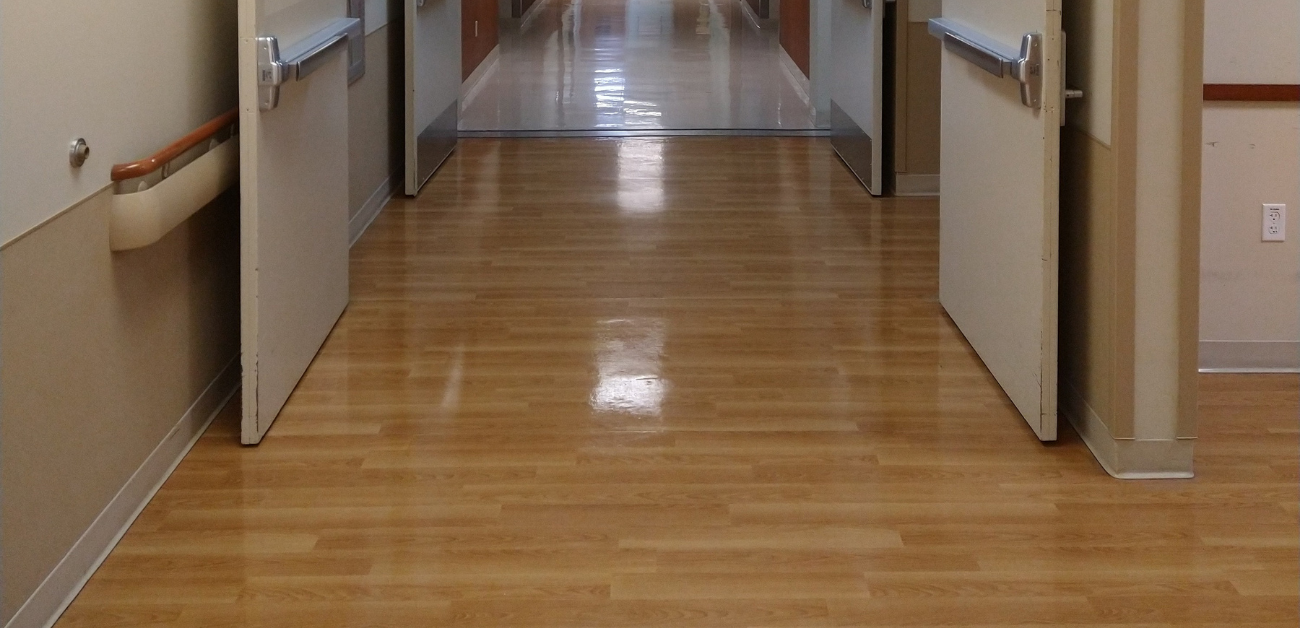
In hospital environments, flooring plays a direct role in protecting patients, staff, and visitors. Beyond appearance, materials must support safe movement, effective cleaning, and continuous operation under demanding conditions. Slip resistant vinyl flooring addresses these requirements by delivering reliable traction while maintaining the cleanability and durability needed in healthcare settings where hygiene and uptime are critical.
The most effective flooring decisions are grounded in performance data, compliance standards, and an understanding of real-world hospital workflows. Surfaces that perform consistently under wet conditions and heavy foot traffic help reduce risk, support staff efficiency, and contribute to safer care environments. When specified correctly, slip resistant vinyl flooring becomes part of a broader safety and infection-control strategy rather than a reactive design choice.
Within the healthcare flooring solutions landscape, Goodrich Global works with project teams to translate safety requirements into practical, performance-driven material selections. By aligning product specifications with clinical needs and operational realities, hospitals can make informed flooring decisions that support long-term safety and functionality. For healthcare facilities planning new developments or upgrades, engaging with Goodrich Global offers a considered starting point toward creating safer, more resilient hospital environments.