Articles / Wallpaper & Wallcovering
How Easy Clean Education Institution Wall Covering Supports Learning Environments

Introduction: Why Walls Matter in Learning Environments
Educational institutions operate as high-use environments where walls are exposed to constant movement, contact, and repeated cleaning. Students brush past them, furniture is moved daily, and surfaces are frequently marked by bags, equipment, and everyday activity. Over time, the condition of walls becomes a visible indicator of how well a learning environment is maintained.
Walls also influence how spaces feel and function. Clean, well-kept surfaces support a sense of order and care, while scuffed or stained walls can become sources of distraction and discomfort. These visual cues affect behaviour, focus, and respect for shared spaces, particularly in classrooms and corridors where students spend long hours.
This is why an easy clean education institution wall covering should be treated as a functional requirement rather than a decorative choice. Wall coverings designed for durability and frequent cleaning help institutions maintain consistent standards while supporting environments that remain calm, orderly, and conducive to learning.
The Reality of Wear and Tear in Education Institutions
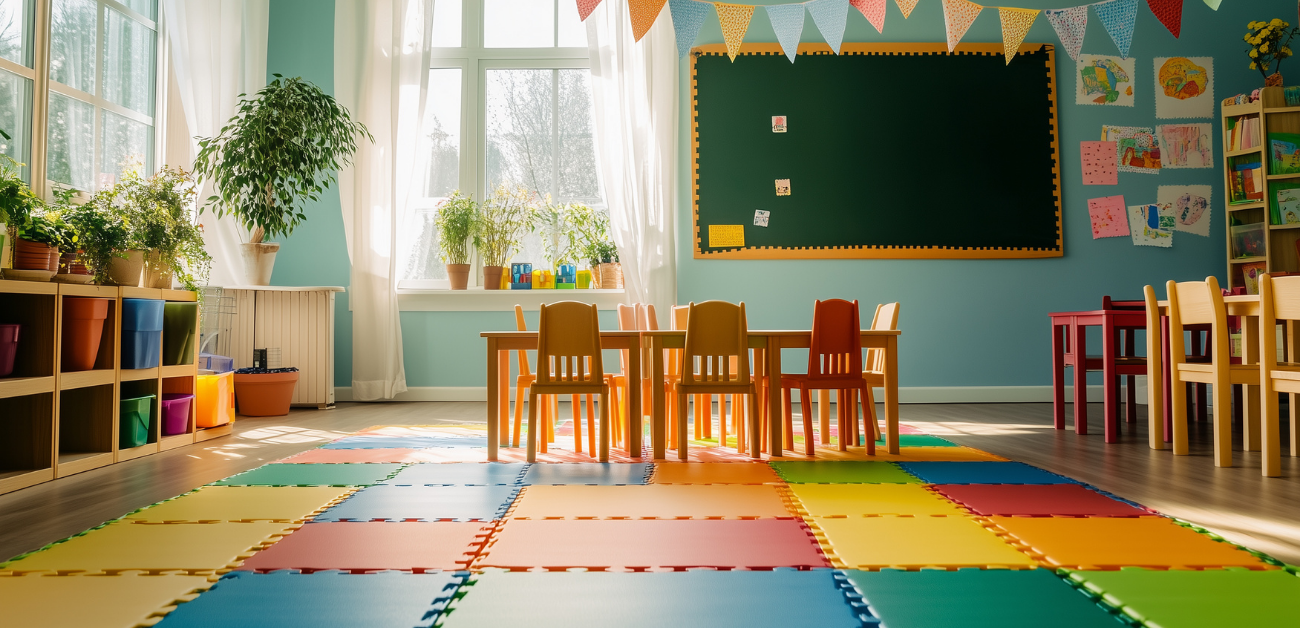
Schools and other education institutions experience a level of daily use that few buildings match. Students move through corridors in large numbers, often carrying bags, sports equipment, and learning materials that come into constant contact with walls. Furniture is rearranged regularly to support different teaching activities, increasing the likelihood of impact and surface damage.
Marks, scuffs, and spills are an unavoidable part of everyday school life. Walls are cleaned frequently to maintain basic standards, yet repeated cleaning can accelerate surface wear when materials are not designed for it. Over time, paint finishes and low-performance surfaces begin to look tired and uneven.
Walls tend to deteriorate faster in schools than in many other buildings because use is continuous and maintenance windows are limited. This is why an easy clean education institution wall covering is essential. Wall coverings that tolerate frequent contact and cleaning help schools preserve appearance, reduce repair cycles, and maintain environments that feel cared for and functional throughout the academic year.
What ‘Easy Clean’ Really Means in Educational wall coverings
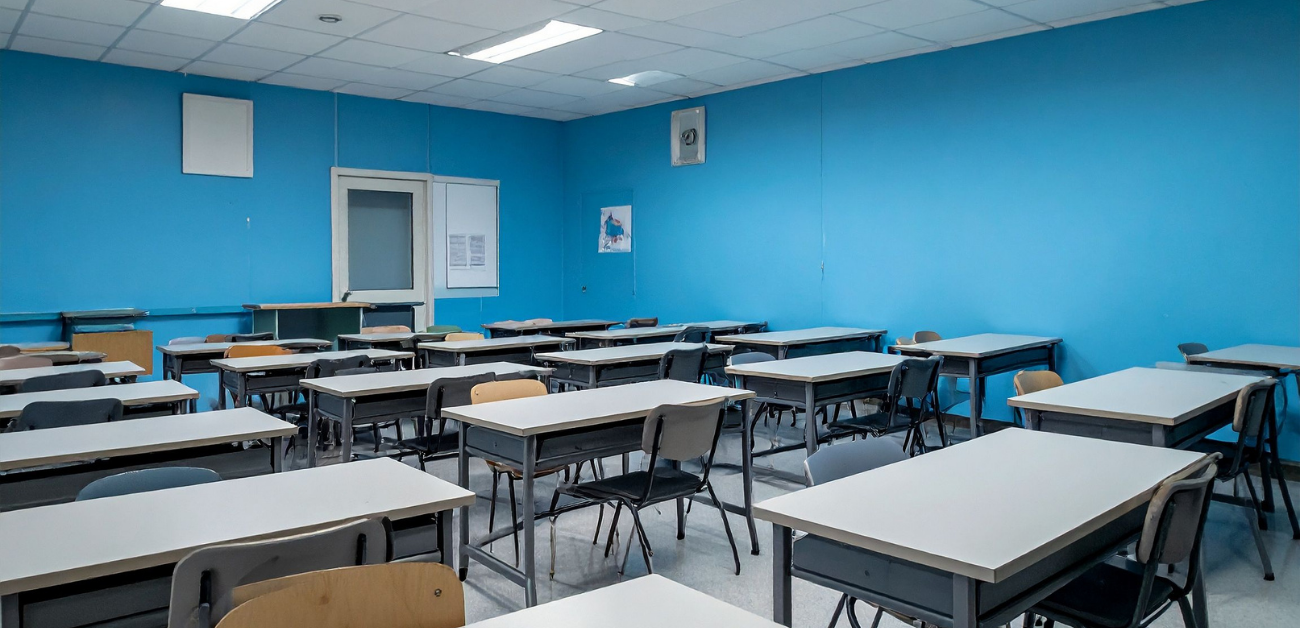
The term ‘easy clean’ is often misunderstood when applied to educational interiors. Many surfaces may appear wipeable at first, but superficial wipeability does not guarantee long-term performance. Over time, frequent cleaning can break down finishes that are not designed to withstand repeated use, leading to staining, surface wear, and uneven appearance.
True cleanability refers to how well a wall covering performs after months or years of regular maintenance. Resistance to stains, scuffing, and common cleaning chemicals is critical in schools, where walls are cleaned often and sometimes aggressively. Materials must tolerate disinfectants and repeated wiping without fading, peeling, or becoming difficult to maintain.
For an easy clean education institution wall covering, performance expectations should extend beyond appearance at installation. Wall coverings must retain their integrity under constant use, remain visually consistent after repeated cleaning, and support efficient maintenance routines. When these criteria are met, wall coverings become reliable assets rather than recurring maintenance challenges.
Hygiene, Safety, and Student Wellbeing
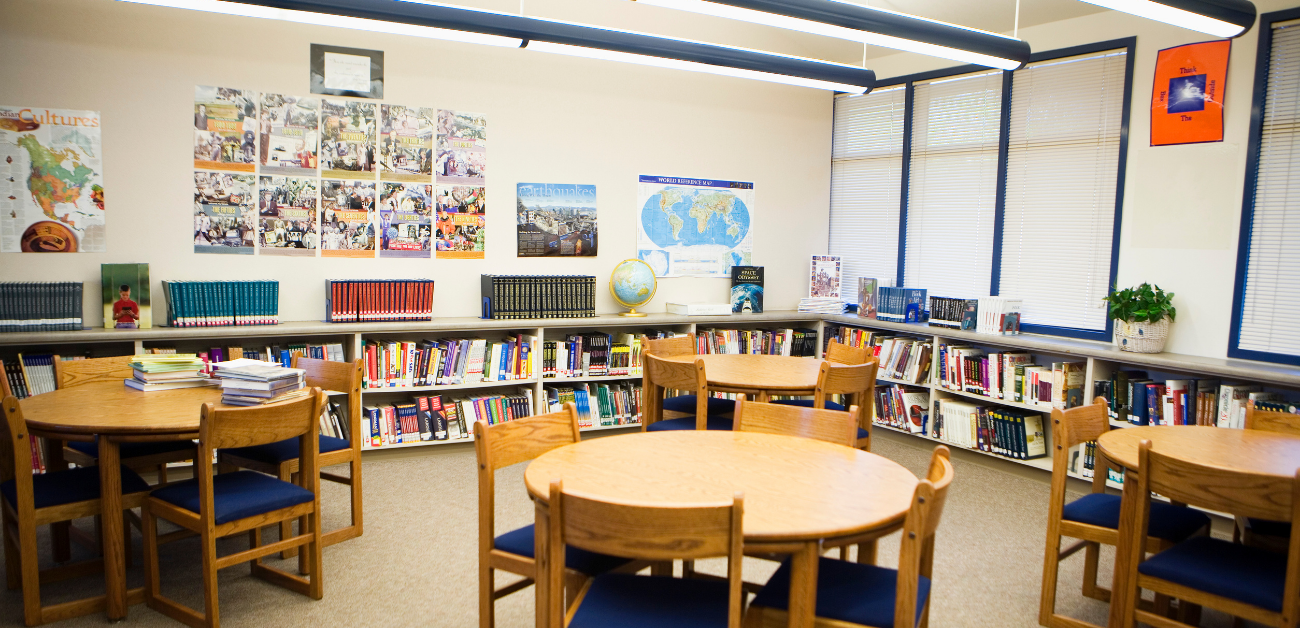
Educational institutions are shared environments where large numbers of students interact daily. This level of occupancy increases awareness around hygiene, particularly in classrooms, corridors, cafeterias, and wash areas. Walls in these spaces are frequently touched and closely observed, making their condition an important part of overall environmental hygiene.
Visual cleanliness plays a significant role in how care is perceived. Clean, well-maintained walls signal that an institution values student health and safety, while stained or damaged surfaces can suggest neglect. These perceptions influence how comfortable students feel within their surroundings and how they behave in shared spaces.
Wall condition also affects behaviour and wellbeing. Environments that appear orderly and cared for tend to encourage respect, focus, and calmer movement. This is where an educational institution wall covering contributes meaningfully. Wall coverings that support hygiene and visual consistency help create learning spaces that feel safe, well-managed, and conducive to positive student behaviour.
Maintenance Pressure and Facility Management Reality
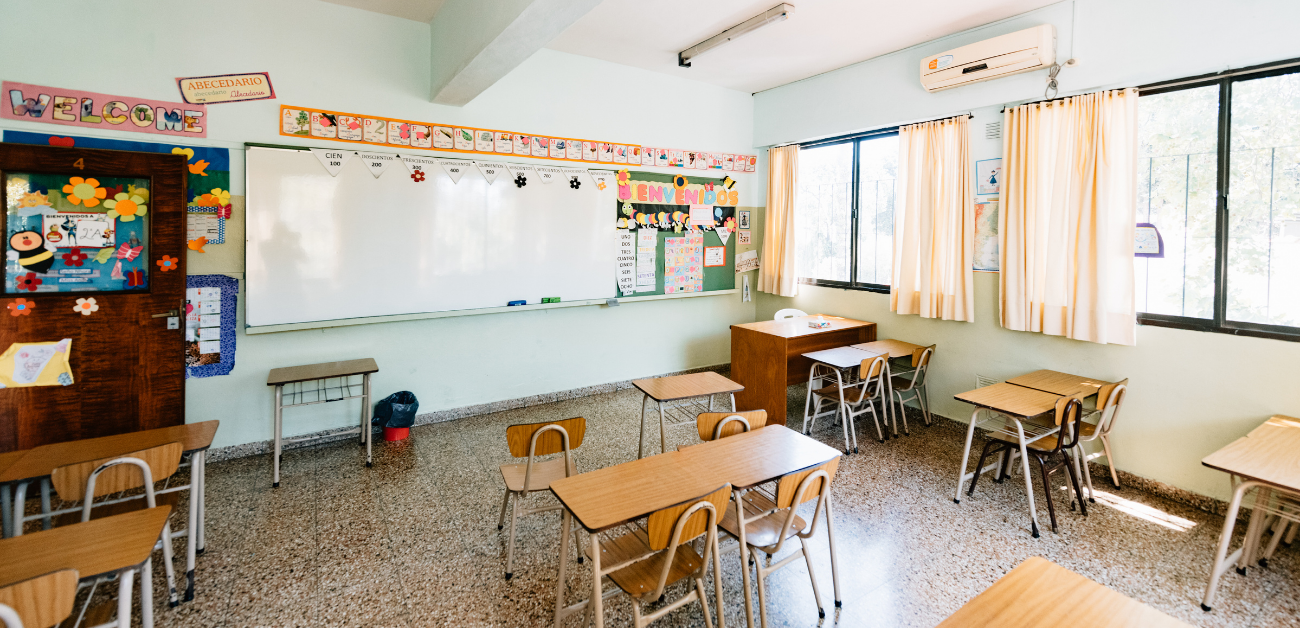
Facility management teams in educational institutions operate under constant pressure. Cleaning time is limited, staffing resources are often stretched, and maintenance tasks must be completed without disrupting learning schedules. Walls are cleaned frequently, yet there is rarely enough downtime to allow for intensive repair or repeated repainting during the academic year.
Frequent repainting or surface repair carries both direct and indirect costs. Beyond materials and labour, it can require classroom downtime, temporary relocations, or work carried out during short holiday windows. Over time, these repeated interventions place strain on budgets and maintenance planning.
Durable wall coverings help ease this operational burden. When specified correctly, easy clean education institution wall covering reduces the need for constant touch-ups and repairs. wall coverings designed to withstand regular cleaning and daily contact allow facilities teams to maintain standards more efficiently, freeing resources to focus on other critical aspects of school operations.
Design That Supports Focus, Not Distraction
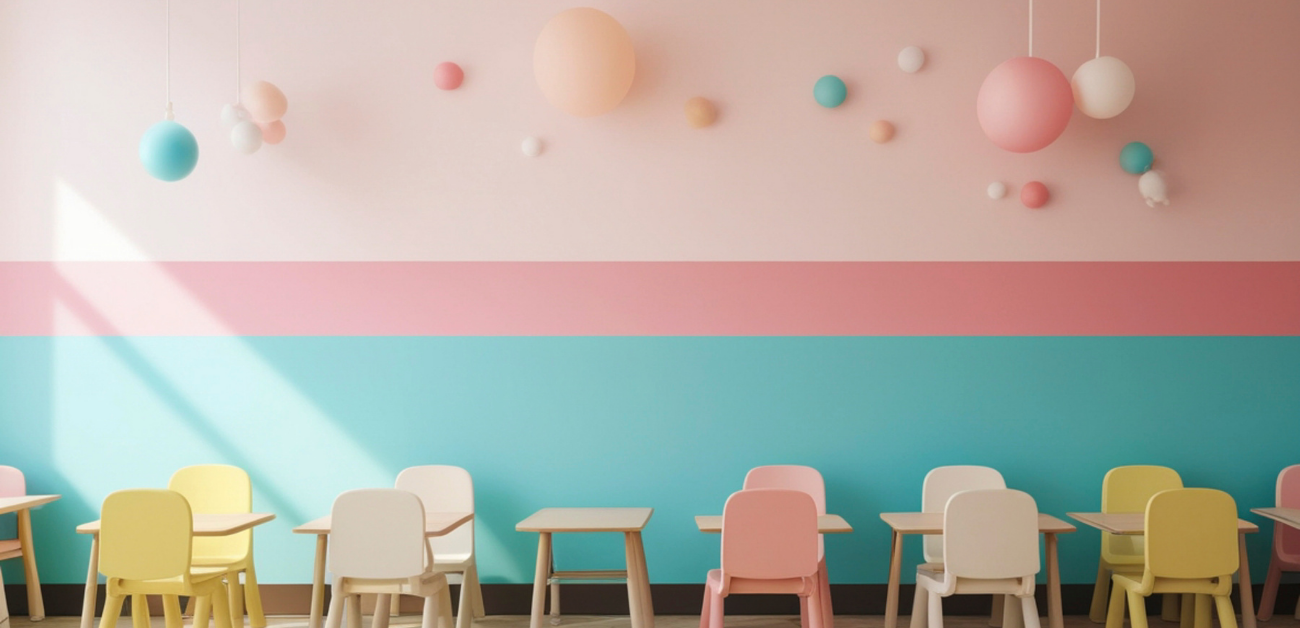
Design choices in educational spaces directly affect how students concentrate and engage with their surroundings. Colour and pattern should support visual calm rather than create overstimulation. Walls that are too busy, high in contrast, or visually inconsistent can become distracting, particularly in classrooms where sustained focus is required.
Surfaces that age poorly also undermine the learning environment. Fading, scuffing, or uneven wear can make spaces feel neglected, even when teaching quality is high. Over time, this visual deterioration can affect how students and staff perceive the care and order of the institution.
Balancing durability with supportive learning aesthetics is essential. Wall finishes must withstand daily use while maintaining a consistent, composed appearance. This is where an easy clean education institution wall covering offers clear value. By combining cleanability with controlled design, wall coverings help create environments that remain visually stable, calm, and conducive to learning throughout the school year.
Where Easy-Clean wall coverings Matter Most in Schools
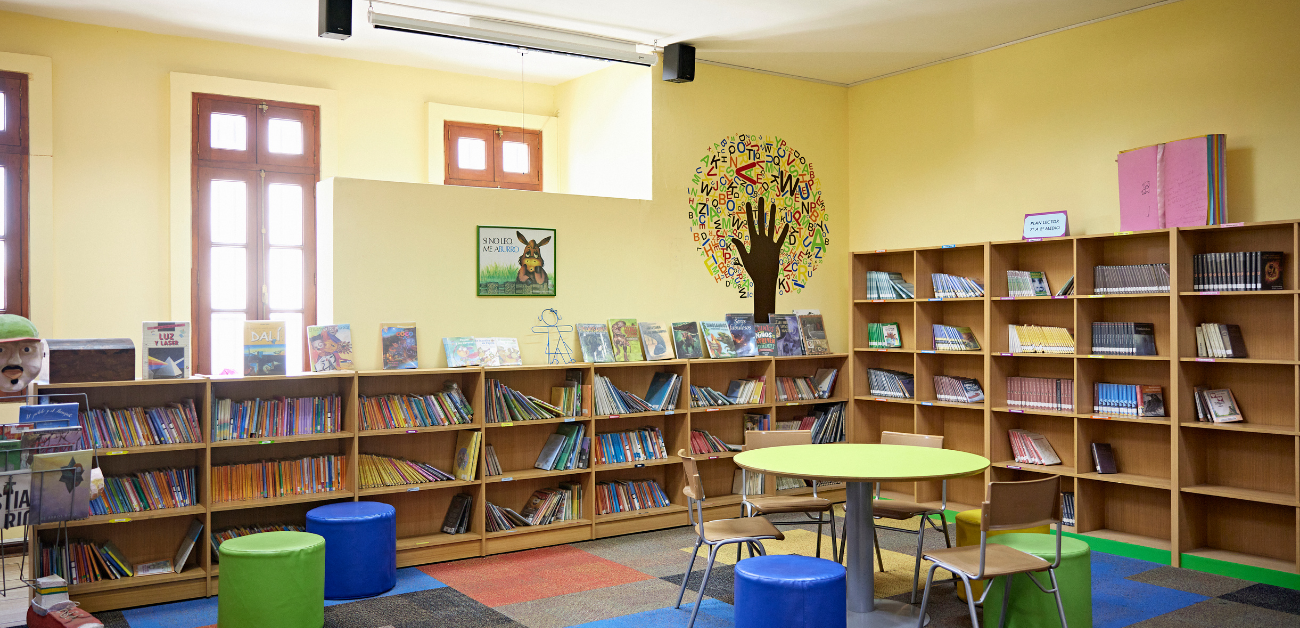
Not all areas within an education institution experience the same level of wear. Corridors, stairwells, cafeterias, classrooms, and libraries see the highest levels of traffic and contact throughout the day. These spaces are most likely to show scuffing, marking, and general surface wear, making wall performance particularly important.
High-touch and high-traffic zones demand finishes that can be cleaned quickly and repeatedly without deterioration. Walls near lockers, seating areas, and circulation routes often require more frequent maintenance than less exposed spaces. Prioritising these areas helps maintain visual consistency where it is most noticeable.
This is why strategic specification is more effective than blanket use. Applying easy clean education institution wall covering in areas with the greatest exposure allows institutions to manage budgets responsibly while maintaining standards. Targeted use ensures durability and hygiene where they matter most, without over-specifying low-risk areas.
Longevity, Budget Control, and Lifecycle Value
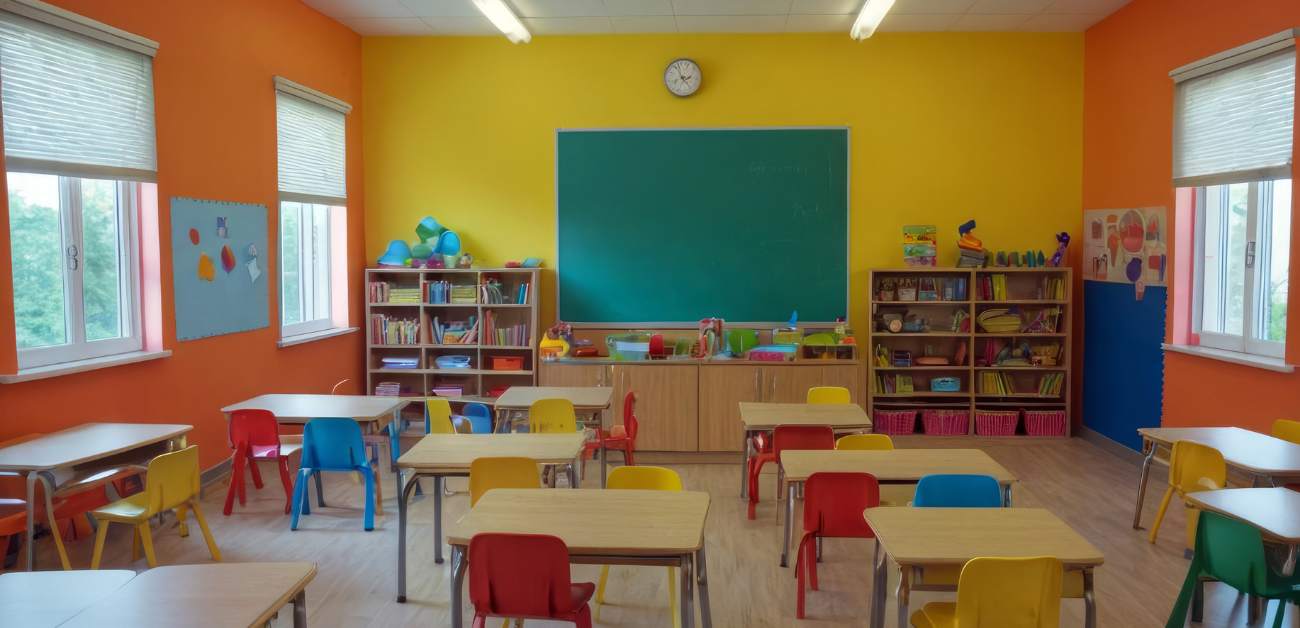
Educational environments are expected to perform over long periods, often with limited capital for frequent upgrades. Wall finishes that degrade quickly increase long-term costs through repeated repairs and replacement. These cycles also disrupt learning schedules and maintenance planning.
Lifecycle value depends on how well materials withstand daily use and cleaning over time. Durable wall coverings help extend replacement cycles, reduce maintenance frequency, and provide more predictable budgeting. Over the lifespan of a building, these benefits accumulate significantly.
Investing in easy clean education institution wall covering supports better long-term outcomes. wall coverings designed for durability and cleanability maintain appearance longer, reduce operational strain, and deliver stronger value compared to finishes that require constant intervention.
Conclusion: wall coverings as Part of Educational Infrastructure

Wall coverings in education institutions should be viewed as part of the learning infrastructure rather than decorative surfaces. Their performance affects hygiene, maintenance efficiency, and the overall quality of the learning environment. Clean, durable walls contribute to spaces that feel orderly, cared for, and supportive of student wellbeing.
The strength of an easy clean education institution wall covering lies in its ability to meet real-world demands without compromising visual stability. By supporting frequent cleaning and resisting wear, these wall coverings help institutions maintain consistent standards over time.
Within this context, Goodrich Global approaches educational wall solutions with a focus on durability, cleanability, and thoughtful design integration. Its emphasis on performance-driven materials reflects an understanding that in schools, walls play a quiet but essential role in supporting safe, functional, and effective learning environments.