Fabric & Upholstery
Curtain Fabric Types: Choosing the Right Material | Goodrich
Choosing curtain fabric types for Singapore homes involves balancing light control, privacy, aesthetic style, and practical performance in a tropical climate. The fabric you select determines how your curtains drape, filter light, resist fading, and hold up over years of daily use. With Singapore’s intense sunlight and year-round humidity, material selection is even more consequential than in temperate climates.
Sheer and Semi-Sheer Fabrics
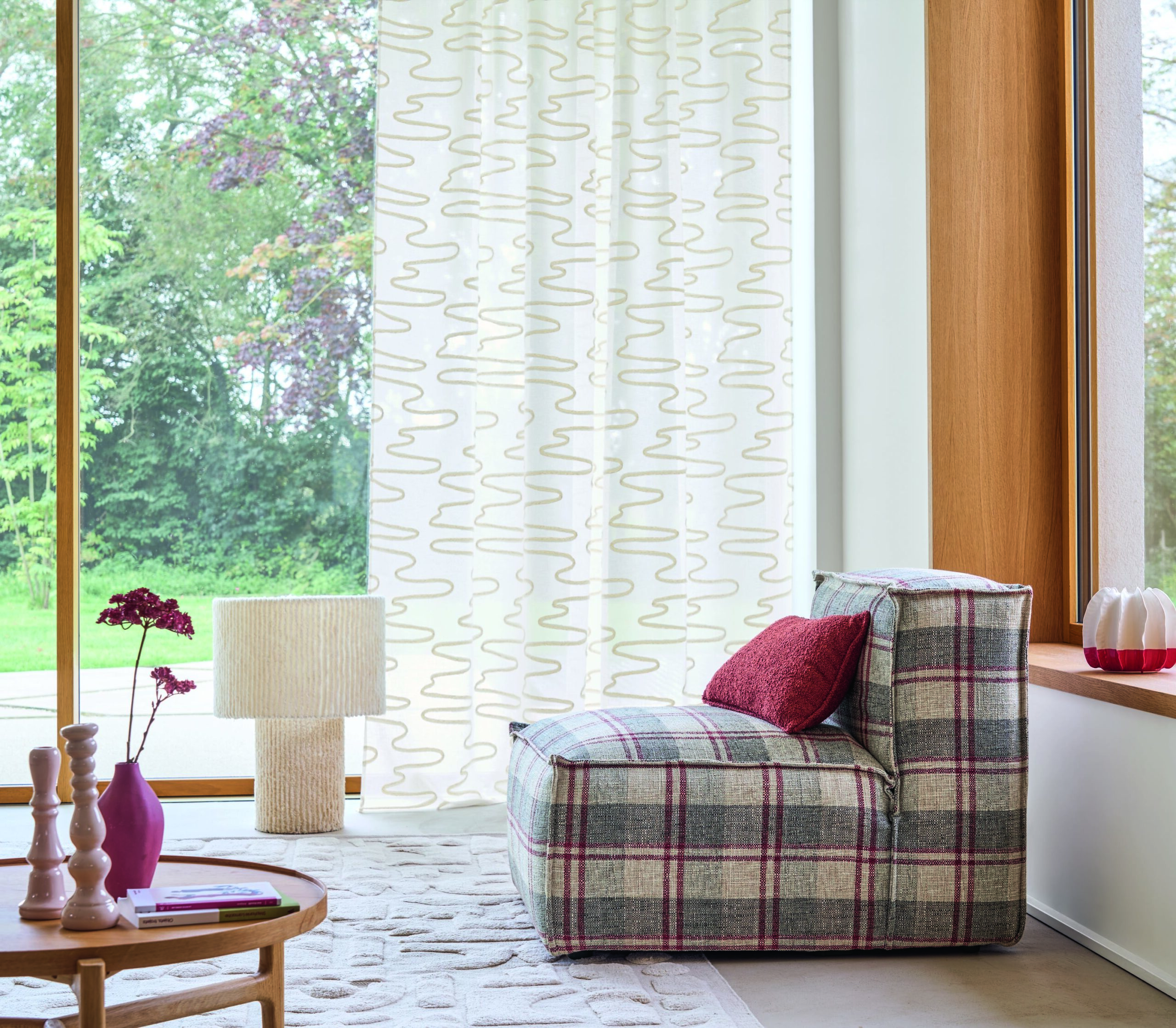
Sheer fabrics are lightweight, translucent materials that filter sunlight while maintaining a visual connection with the outdoors. They are the most common curtain layer in Singapore homes, often used alone or paired with a heavier blackout layer.
Voile
Voile is a lightweight, semi-transparent fabric with a soft, flowing drape. Made from cotton, polyester, or blends, voile filters harsh sunlight into a diffused, ambient glow. Polyester voile is the most practical choice for Singapore — it resists moisture, holds its shape after washing, and is less prone to wrinkling than cotton voile.
Organza
Organza is a crisper, more structured sheer fabric with a slight sheen. It holds its shape better than voile, making it suitable for more formal curtain treatments with deliberate pleating or gathering. Organza is commonly used in condo living rooms and dining areas where a polished, refined appearance is desired.
Lace
Lace curtains offer decorative patterning within a sheer format. They provide moderate privacy while allowing light to pass through the patterned areas. Modern lace curtains have moved beyond the traditional floral associations and now include geometric and abstract patterns that suit contemporary interiors.
Medium-Weight Drapery Fabrics
Medium-weight fabrics offer a balance between light filtration and room-darkening capability. They provide more privacy than sheers while maintaining a softer, less formal appearance than heavy blackout materials.
Linen and Linen Blends
Linen curtains are prized for their relaxed, organic drape and natural texture. The fabric’s inherent slub and slight irregularity create a casual elegance that suits Scandinavian, Japandi, and modern farmhouse interiors. Linen filters light softly without full opacity, producing a warm, diffused glow.
Pure linen wrinkles easily and can shrink. For Singapore, linen-polyester blends are more practical — they retain the visual character of linen while offering improved crease resistance, dimensional stability, and colourfastness. These blends are one of the most popular curtain fabrics in the Singapore residential market.
Cotton and Cotton Blends
Cotton drapery fabric offers excellent printability, producing sharp, vibrant patterns. It drapes naturally and is available in weights from light muslin to medium-weight duck and twill. Cotton curtains suit traditional, transitional, and eclectic interiors where pattern and colour are central to the design scheme.
Like linen, pure cotton is prone to fading and shrinkage. Cotton-polyester blends improve sun resistance and washability. In Singapore, where direct sunlight through west-facing windows is particularly intense, UV-resistant blends are strongly recommended for cotton-look curtains.
Silk and Silk-Look Fabrics
Silk curtains deliver unmatched lustre and an elegant, fluid drape. They reflect light beautifully and create a sense of luxury. However, genuine silk is expensive, extremely sensitive to sunlight (fading rapidly), and requires dry cleaning. Silk-look polyester fabrics replicate much of the visual effect with far superior practicality and are a popular alternative in the Singapore market.
Heavy and Blackout Fabrics
Velvet
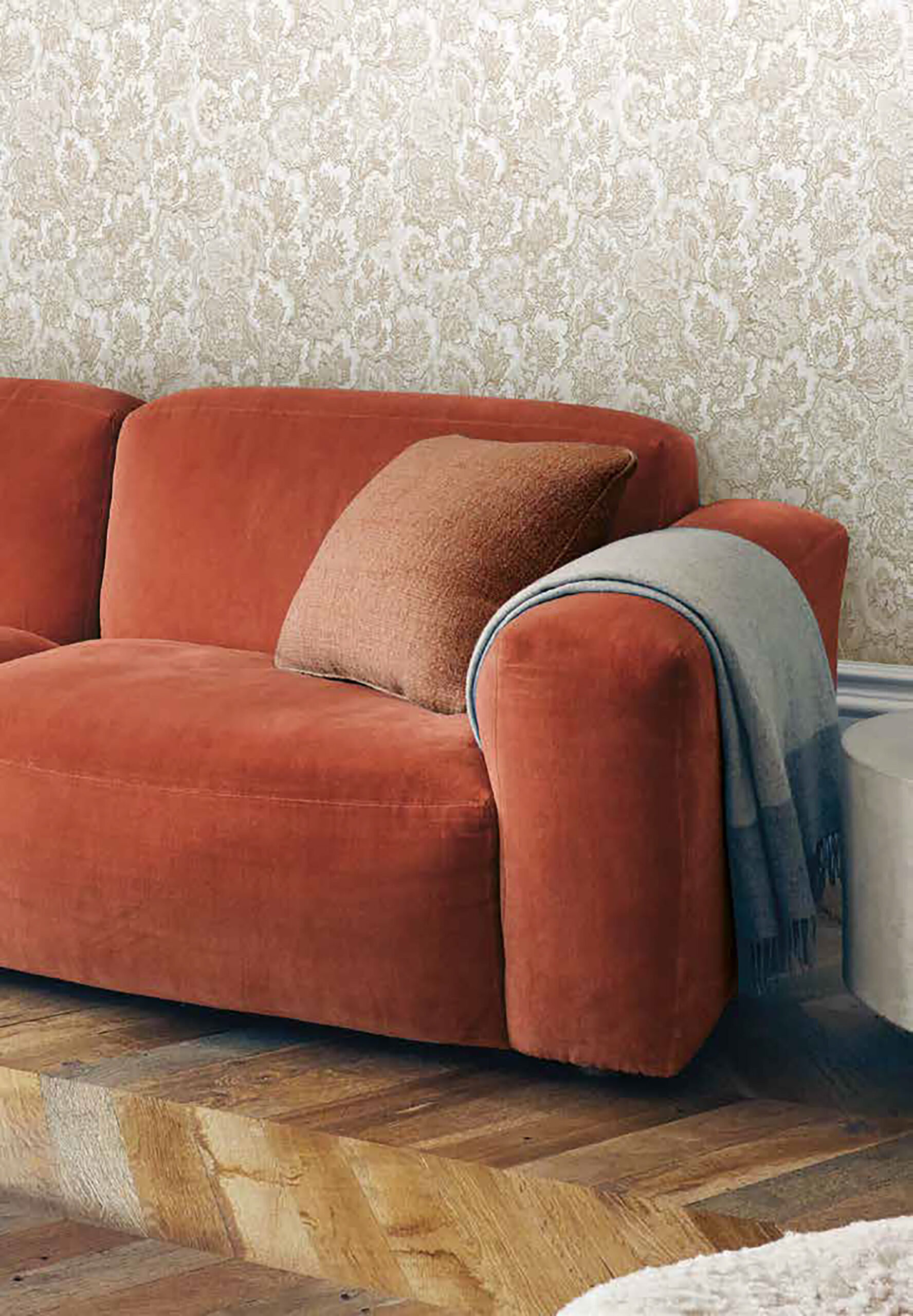
Velvet curtains offer excellent light blocking, sound dampening, and thermal insulation. The dense pile creates rich colour saturation and a luxurious appearance. Velvet curtains suit master bedrooms, home theatres, and formal living rooms. Polyester velvet is more practical than cotton velvet for Singapore, as it resists moisture and maintains its pile better in high humidity.
Blackout Fabrics
Blackout curtain fabrics feature a dense weave or a specialised coating that blocks light completely. They are essential in Singapore bedrooms for shielding against early morning sunlight, and they provide maximum privacy at night. Modern blackout fabrics are available in a wide range of colours and textures — they no longer have the stiff, plasticky feel of earlier generations.
Many Singapore homes use a dual-layer curtain system: a sheer layer for daytime light filtration and a blackout layer for sleeping hours. This combination provides maximum flexibility and is the standard recommendation for bedrooms in HDB flats, condos, and landed properties.
Curtain Fabric Performance in Singapore’s Climate
Singapore’s combination of intense UV exposure, high humidity, and air-conditioned interiors creates specific demands on curtain fabrics.
| Factor | Recommended Fabrics | Avoid |
|---|---|---|
| UV/fade resistance | Solution-dyed polyester, acrylic, olefin | Untreated cotton, pure silk |
| Humidity/mould resistance | Polyester, nylon, acrylic | Untreated natural fibres |
| Easy washing | Polyester, polyester blends | Silk, velvet (require dry cleaning) |
| Light blocking | Blackout fabrics, lined velvet, dense weaves | Sheer voile, lace (by design) |
| Elegant drape | Silk-look polyester, linen blends, voile | Stiff canvas, heavy duck |
For west-facing windows that receive direct afternoon sun, UV-resistant fabrics are essential. Standard dyed fabrics can fade noticeably within one to two years of unprotected west-facing exposure. East-facing windows receive gentler morning light and are less demanding on fabric durability.
Choosing Curtain Fabric by Room
Living and Dining Areas
These spaces benefit from versatile, medium-weight fabrics that balance light filtration with privacy. Linen blends, cotton blends, and textured polyester in neutral tones create a sophisticated, welcoming atmosphere. Full-length curtains that puddle slightly on the floor add an elegant touch to condo and landed property living rooms.
Bedrooms
Prioritise light-blocking capability. A dual-layer system — sheer plus blackout — offers the greatest flexibility. For the sheer layer, a simple polyester voile is effective and affordable. For the blackout layer, select a fabric that complements the room’s design while providing complete light blockage.
Study and Home Office
Glare control is the primary concern. Medium-weight fabrics that diffuse light without darkening the room help create a comfortable working environment. Avoid heavy blackout curtains that necessitate artificial lighting during daytime hours.
Browse Goodrich Global’s curtain and drapery fabric collection for materials suited to Singapore’s climate and interior styles.
Final Thoughts
The right curtain fabric type transforms window treatments from functional coverings into design features that shape a room’s light, mood, and character. For Singapore homes, prioritise UV resistance and moisture tolerance alongside your aesthetic preferences. Polyester and polyester blends offer the best all-round performance for our tropical climate, while linen blends and natural-look fabrics deliver the organic textures that contemporary interior styles demand.
Request free fabric samples from our Singapore showroom to compare curtain materials and see how they drape and filter light in person.