Wallpaper & Wallcovering
Textured Wallpaper Ideas: Adding Depth to Walls
Textured wallpaper design brings a tactile dimension to interior walls that flat paint and smooth finishes simply cannot achieve. By introducing physical depth — raised patterns, embossed surfaces, woven fibres, and three-dimensional relief — textured wallpaper transforms flat planes into surfaces that engage both sight and touch.
This guide explores the most popular textured wallpaper styles, where to use them effectively, and how to incorporate texture into Singapore residential and commercial interiors.
Why Textured Wallpaper Works
Texture adds visual weight and interest to a wall without relying on bold colour or busy patterns. In compact Singapore interiors — where walls are often visible in their entirety from across a room — a textured surface creates subtle visual complexity that makes a space feel more considered and layered.
Textured wallpaper also serves practical functions. It conceals minor wall imperfections such as hairline cracks, uneven plaster, and patchy paint — common issues in both older HDB flats and newly completed BTO units. The raised surface diffuses light across the wall, softening harsh overhead lighting and reducing glare in rooms with large windows.
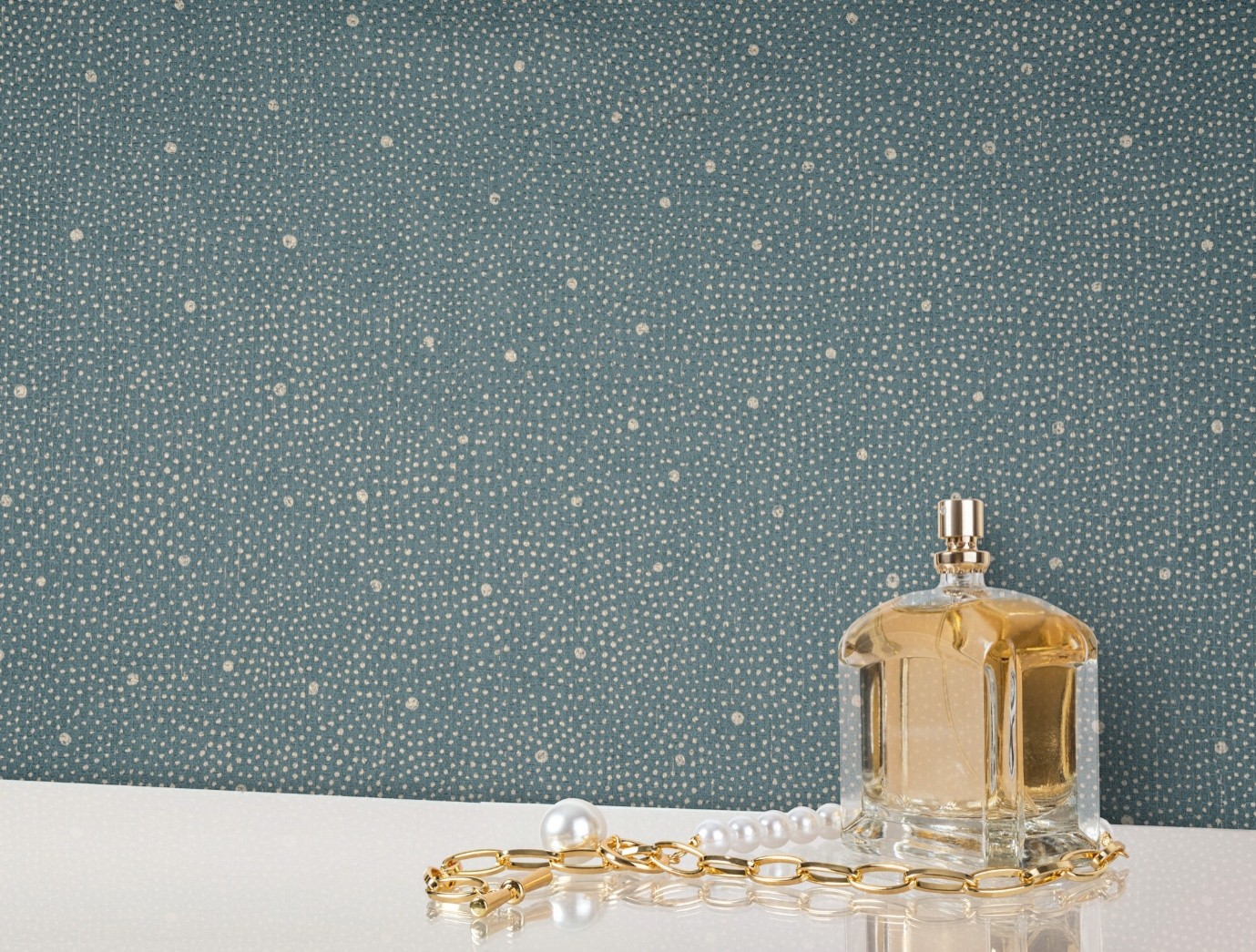
From a design perspective, texture provides contrast. Pairing a smooth, glossy surface (a polished countertop, a lacquered cabinet) with a textured wall behind it creates visual tension that elevates the overall interior composition.
Popular Textured Wallpaper Styles
Grasscloth and Natural Fibre
Grasscloth wallpaper is made from natural fibres — jute, sisal, seagrass, or hemp — woven onto a paper or fabric backing. The result is a richly textured surface with visible fibre variations that create an organic, handcrafted character. No two rolls are identical, which contributes to the material’s artisanal appeal.
Grasscloth suits living rooms, dining rooms, and master bedrooms where its natural warmth and visual depth can be fully appreciated. In Singapore, where tropical and biophilic design trends continue to gain traction, grasscloth aligns perfectly with interiors that reference nature and natural materials.
Linen and Fabric-Effect
Linen-textured wallpaper replicates the woven appearance of linen cloth, creating a soft, understated backdrop with subtle horizontal and vertical fibre lines. It is less pronounced than grasscloth, making it suitable for bedrooms, studies, and commercial spaces where a refined, quiet texture is preferred.
Modern vinyl-based linen-effect wallpapers are easier to maintain than true fabric wallcoverings and perform well in Singapore’s humid climate.
Embossed and Relief Patterns
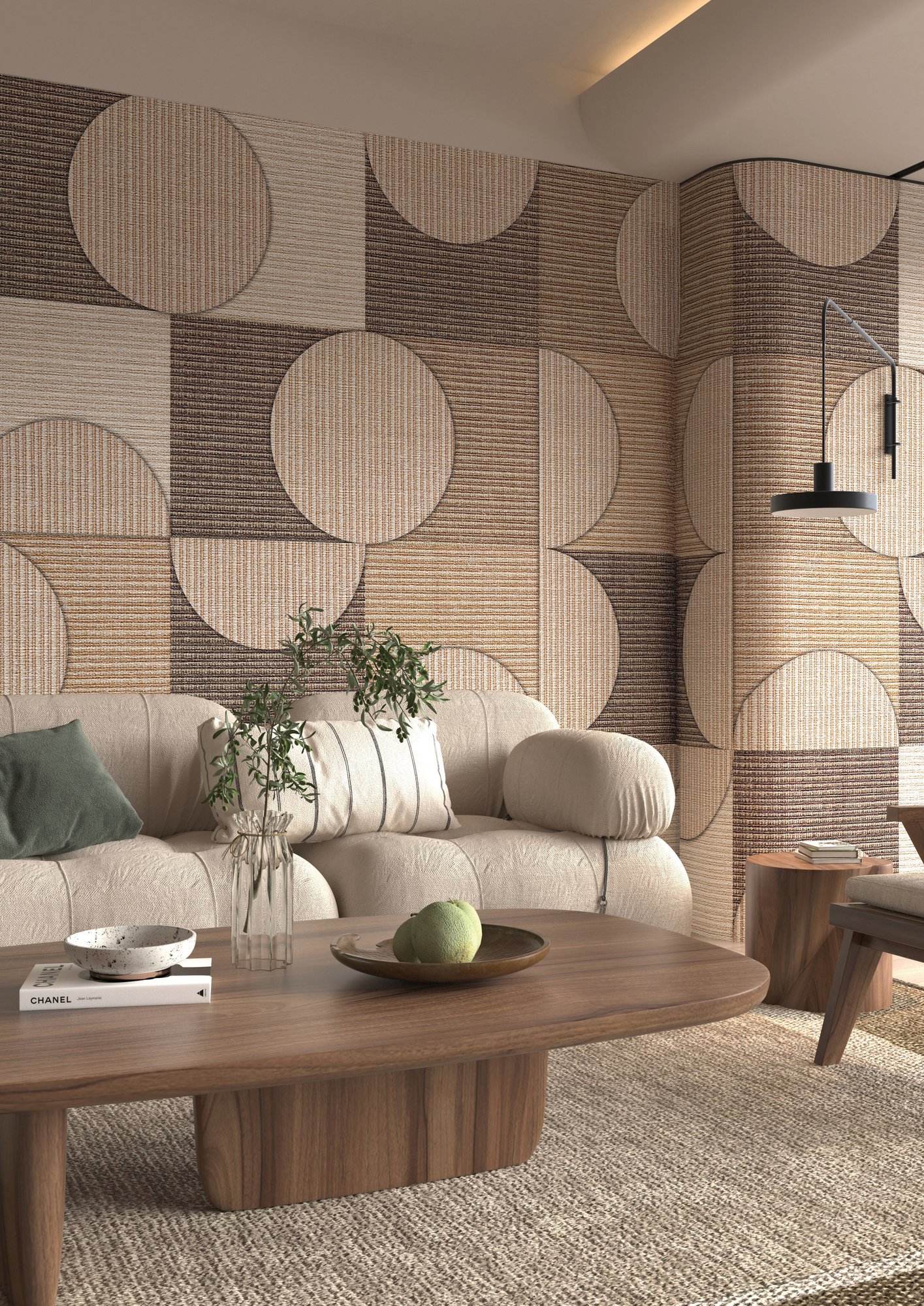
Embossed wallpaper features patterns pressed into the surface during manufacture, creating raised motifs that catch light and shadow. Common patterns include damask, geometric lattice, botanical relief, and abstract organic forms.
Embossed wallpaper works beautifully as a feature wall in living rooms and bedrooms. The three-dimensional quality of the pattern creates a focal point that draws the eye without overwhelming the space with colour or contrast.
Concrete and Plaster Effects
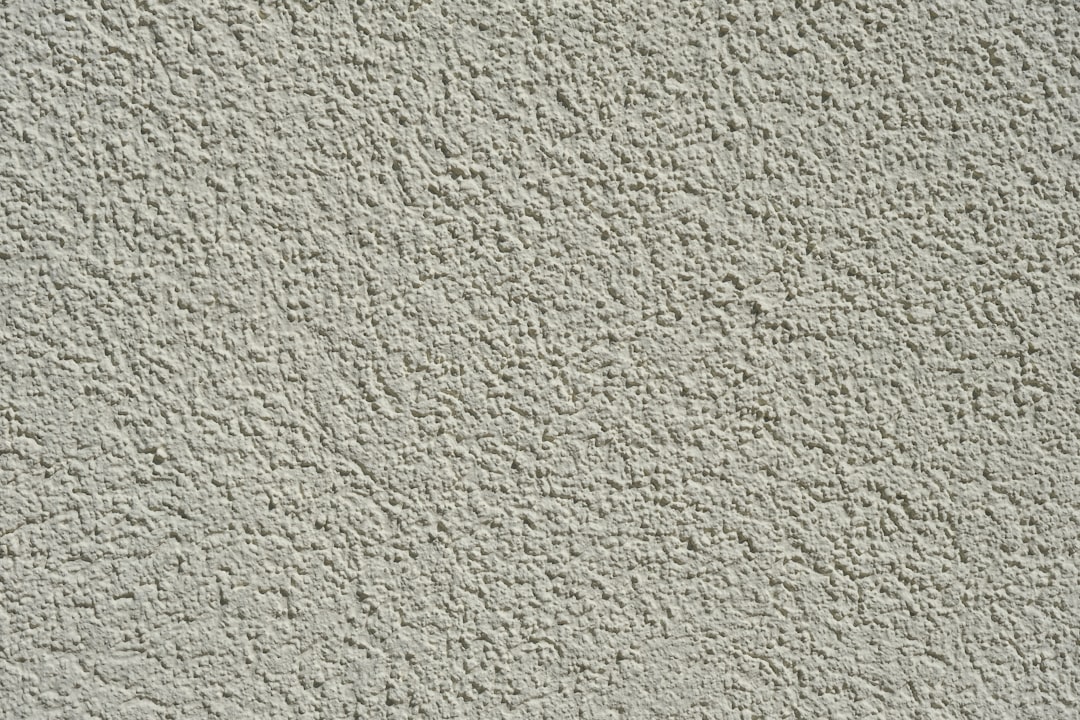
For industrial and contemporary interiors, wallpapers that replicate raw concrete, aged plaster, and brushed cement provide texture with an urban edge. These products capture the surface irregularities, tonal variations, and patina of real concrete without the coldness, weight, or installation complexity of actual cementitious finishes.
Concrete-effect wallpaper is popular in Singapore’s modern condo and restaurant interiors, where the industrial aesthetic pairs well with exposed services, metal fixtures, and minimalist furniture.
Brick and Stone Effects
Three-dimensional brick and stone-effect wallpapers add architectural character to feature walls, accent panels, and commercial interiors. Quality products use deep embossing and realistic printing to create a convincing illusion of real masonry — at a fraction of the cost and without the structural implications of actual brick or stone cladding.
Choosing Textured Wallpaper for Different Rooms
Living Room
The living room is the ideal canvas for a textured feature wall. Choose a wall that draws the eye naturally — typically behind the sofa or the TV console — and apply a bold texture like grasscloth, deep embossing, or a concrete effect. Keep the remaining walls in a complementary flat finish to let the feature wall command attention.
Bedroom
In bedrooms, softer textures create a calming atmosphere. Linen-effect, fine grasscloth, and subtle embossed patterns in muted tones promote relaxation. A textured wall behind the headboard adds visual interest without the stimulation that bold patterns or bright colours might create.
Dining Room
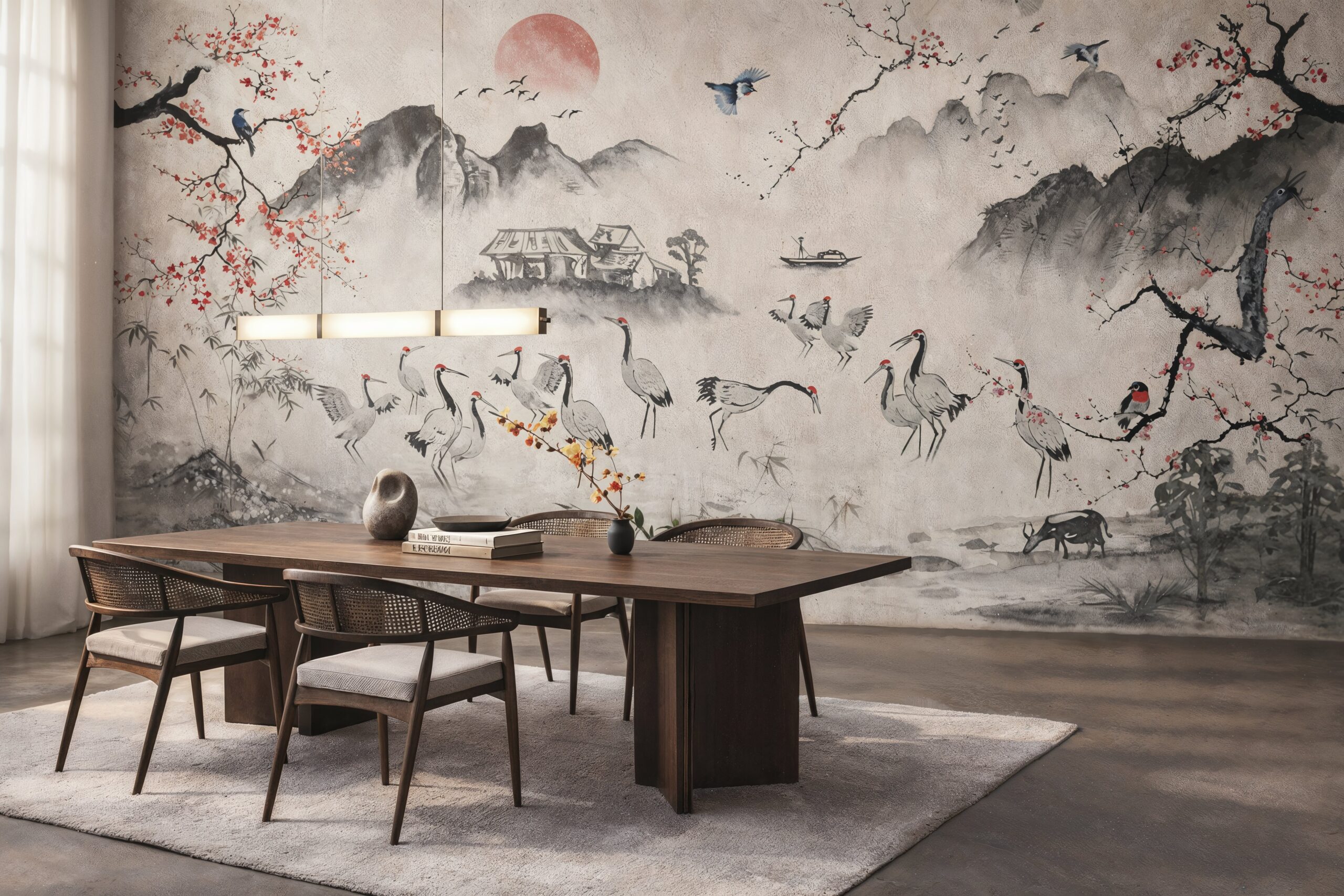
Rich, warm textures elevate the dining experience. Deep grasscloth in earthy tones, or a damask-embossed paper in a jewel colour, creates an intimate, sophisticated backdrop for meals and conversation. Texture here adds to the sensory richness of the dining space.
Commercial Spaces
Textured wallpaper in offices, hotels, and restaurants creates an immediate impression of quality and attention to detail. Grasscloth in a hotel lobby, concrete-effect paper in a casual dining concept, or linen texture in a boutique retail space — each application uses texture to reinforce the brand’s identity and the space’s intended atmosphere. Browse Goodrich Global’s wallpaper collection for textured options suited to both residential and commercial applications.
Practical Tips for Using Textured Wallpaper
- Lighting matters: Textured wallpaper looks best when lit from the side or at an angle. Directional light — from wall sconces, picture lights, or angled downlights — casts shadows across the textured surface, enhancing the three-dimensional effect. Flat, overhead lighting minimises texture visibility.
- Sample before committing: Texture is difficult to judge from a screen or a small swatch. Order full-size samples and view them on the actual wall, under the room’s own lighting, before making your final selection.
- Consider maintenance: Some textured wallpapers (particularly natural fibre grasscloth) are more delicate than smooth vinyl options. In high-traffic areas or homes with young children, opt for vinyl-based textured products that can be wiped clean.
- Feature wall vs full room: A full room of heavy texture can feel overwhelming in compact Singapore spaces. A single feature wall delivers maximum impact without visual fatigue.
- Colour and texture balance: When using strong texture, consider keeping the colour palette neutral. Conversely, if you want a bold colour on the wall, a smoother texture lets the colour take centre stage.
Final Thoughts
Textured wallpaper design adds a layer of sophistication and sensory richness that flat finishes cannot replicate. From natural grasscloth to industrial concrete effects, the range of textures available today suits every interior style and application. Use texture thoughtfully — as a feature wall, a backdrop to key furniture, or a subtle full-room treatment — and you introduce depth and character that elevates the entire space.
Request free samples from our Singapore showroom to experience textured wallpaper options firsthand and find the perfect match for your interior.