Fabric & Upholstery
Fabric Selection for Hotels and Hospitality
Fabric for hospitality projects must satisfy a unique set of demands that residential and standard commercial interiors rarely encounter. Hotel guest rooms, lobbies, restaurants, spas, and event spaces each require fabrics that deliver aesthetic excellence while withstanding intensive use, frequent cleaning, and strict regulatory compliance. In Singapore’s competitive hospitality market, where guest expectations are shaped by world-class properties, fabric selection is a critical design and operational decision.
This guide covers the key considerations for specifying fabric across different hospitality applications, from performance standards to design strategy.
Why Fabric Specification Matters in Hospitality
Guests experience a hotel through touch as much as sight. The fabric on a sofa, the curtain that filters morning light, the upholstery of a dining chair, and the bedspread they pull back at night all contribute to the tactile impression that shapes their perception of quality and comfort.
Substandard fabric reveals itself quickly in hospitality environments. Pilling on sofa cushions, faded curtains, stained dining chairs, and threadbare armrests signal neglect and undermine the premium positioning that most Singapore hotels work hard to maintain. Conversely, well-chosen fabrics maintain their appearance through thousands of guest interactions, projecting quality consistently over the renovation cycle.
Beyond aesthetics, fabric specification affects operational costs. Fabrics that resist staining reduce housekeeping labour. Durable weaves extend replacement intervals. Fire-rated products ensure regulatory compliance without costly retrofitting. The initial specification decision has financial implications that compound over years of operation.
Performance Requirements by Application
Different areas within a hotel demand different fabric performance profiles. A single fabric specification rarely works across all applications.
Guest Room Curtains and Drapery
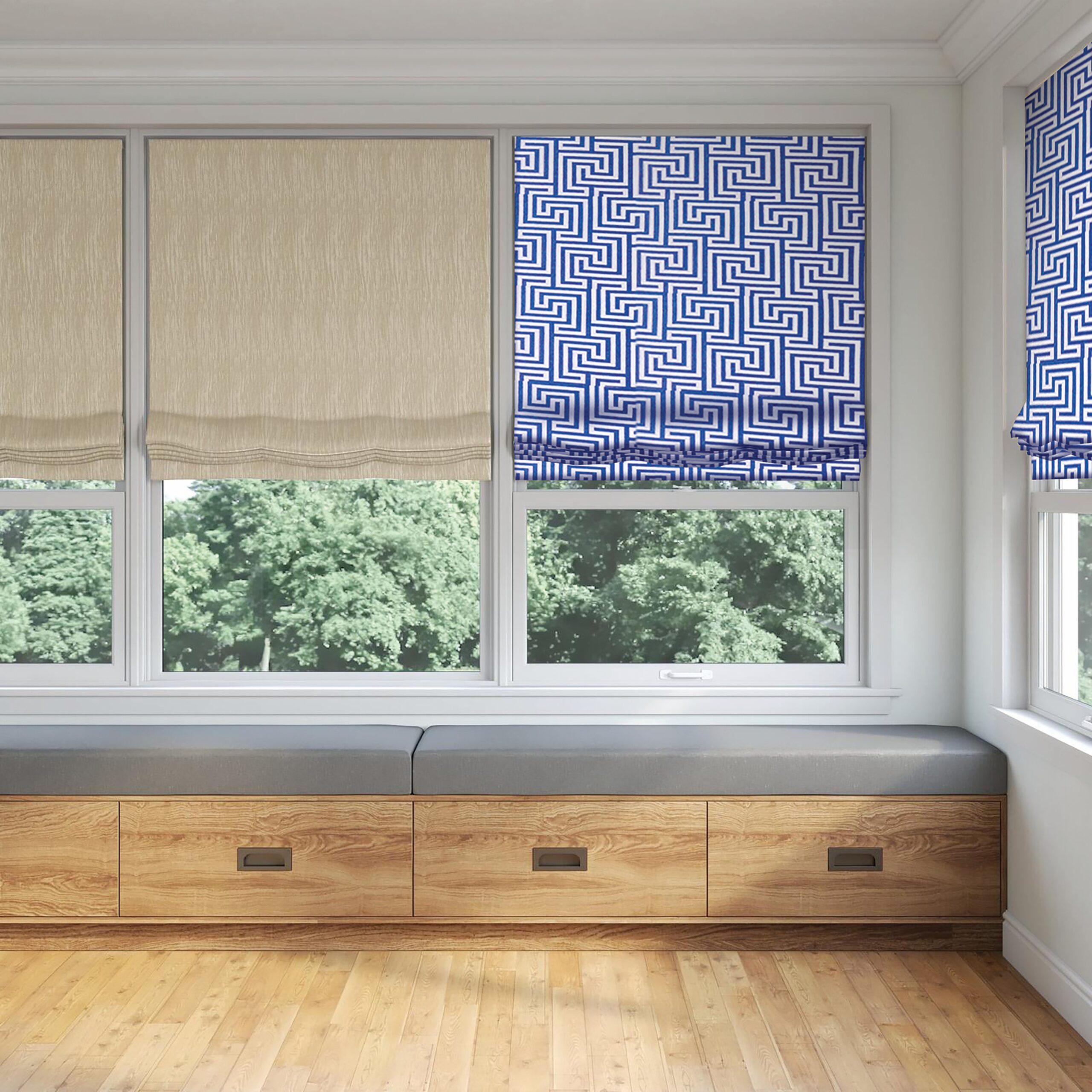
Guest room drapery must provide light control, contribute to the room’s aesthetic, and meet fire safety requirements. Blackout curtains are essential for guest comfort, typically achieved through a blackout lining behind the decorative face fabric. The face fabric should resist fading from sun exposure, as guest room curtains receive hours of direct or indirect sunlight daily. Inherently fire retardant (IFR) polyester is the industry standard for hotel drapery.
Upholstery for Lobbies and Public Areas
Lobby seating, lounge chairs, and public area sofas endure the highest usage intensity and require fabrics with exceptional abrasion resistance. A minimum Martindale rating of 40,000 cycles is recommended for general public areas, with 60,000 or higher for heavily trafficked zones. Stain-repellent treatments are essential, and the fabric must be compatible with commercial upholstery cleaning methods.
Restaurant and Bar Seating
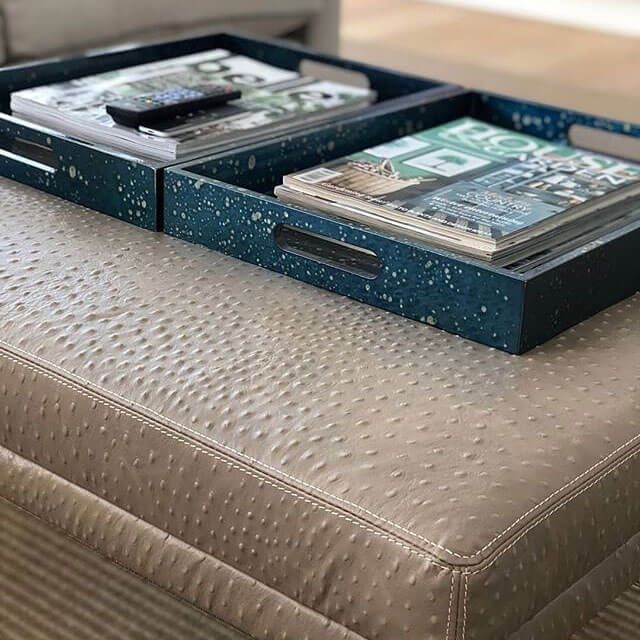
F&B upholstery faces food and beverage spills, grease, and aggressive daily cleaning. Vinyl, faux leather, and high-performance woven fabrics with stain-barrier technology are the most practical choices. The fabric must resist common F&B stains including red wine, coffee, soy sauce, and cooking oil while maintaining a design quality consistent with the restaurant’s positioning.
Bedding and Decorative Cushions
Bed runners, decorative cushions, and throw pillows add design detail to guest rooms. These items are laundered frequently and must maintain colour, shape, and texture through industrial washing cycles. Select fabrics rated for commercial laundering rather than domestic care.
Spa and Wellness Areas
Spa environments require fabrics that resist moisture, mildew, and essential oil staining while projecting a calming, luxurious atmosphere. Natural-feeling textures in muted, organic colour palettes create the right mood. All fabrics must perform in elevated humidity without degradation.
Fire Safety Compliance for Hospitality Fabrics
Fire-rated fabric is not optional in Singapore’s hospitality sector. The SCDF enforces compliance through inspections and Certificate of Statutory Completion requirements.
Curtains and drapery must meet BS 5867 Part 2. Upholstery fabrics must comply with BS 5852 or equivalent standards relevant to the furniture construction. Documentation proving compliance, including test certificates from accredited laboratories, must be maintained and available for inspection.
Inherently fire retardant fabrics are preferred for hospitality because their fire performance is permanent. Chemically treated fabrics may lose their fire retardancy through repeated laundering, creating a compliance risk that requires ongoing monitoring and potential retreatment or replacement.
When specifying for a new hotel or refurbishment project, request fire test certificates for every fabric in the specification. Goodrich Global’s fabric collection includes fire-rated options with full certification documentation for hospitality specifiers.
Design Strategy for Hospitality Fabrics
Fabric selection in hospitality projects should follow a coordinated design strategy rather than selecting each item independently.
Establish a colour palette: Define a cohesive colour story for the entire property or at minimum for each distinct area. Guest rooms, public spaces, F&B outlets, and spa areas may each have their own palette, but they should share underlying tonal harmony that creates a unified brand experience.
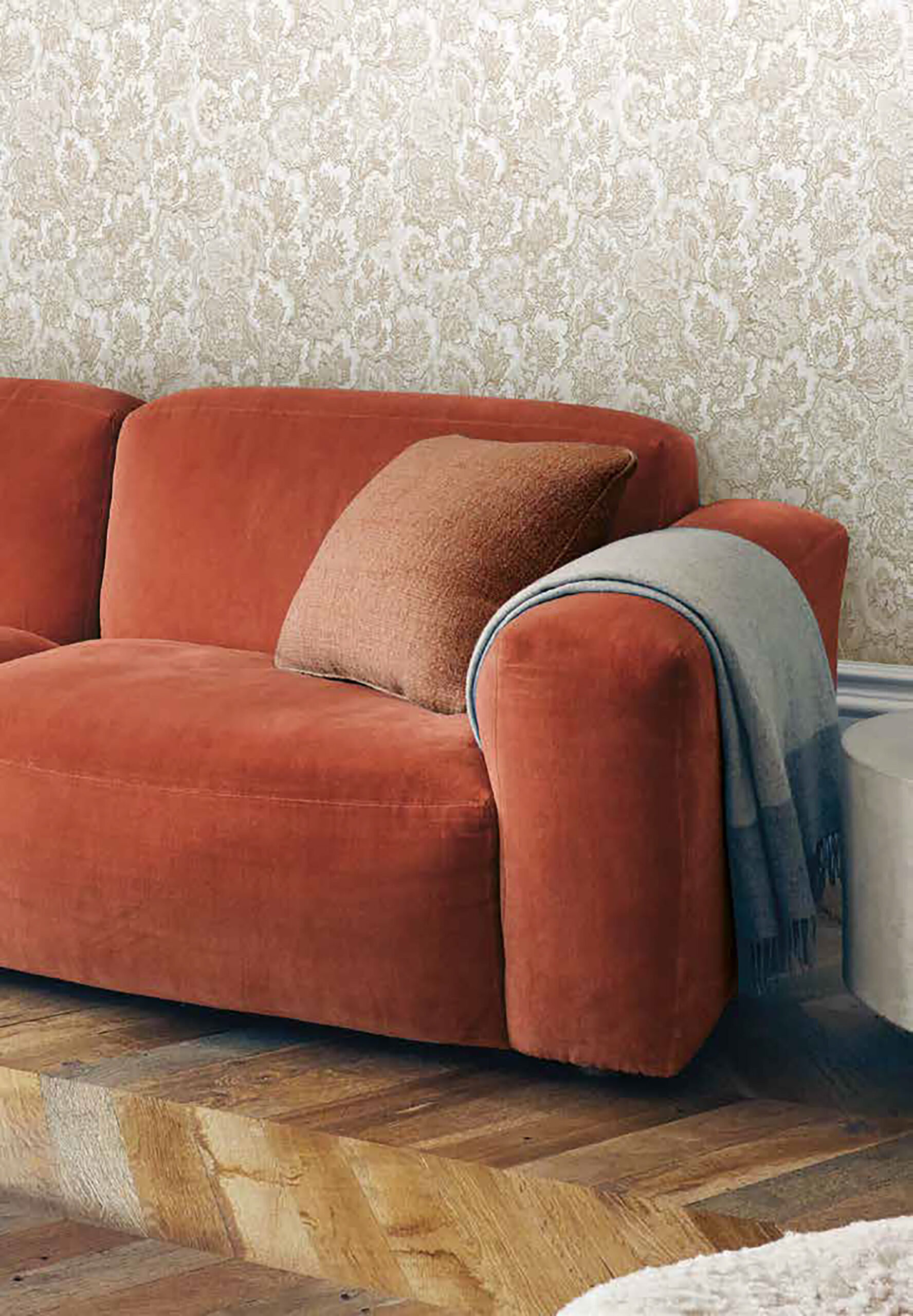
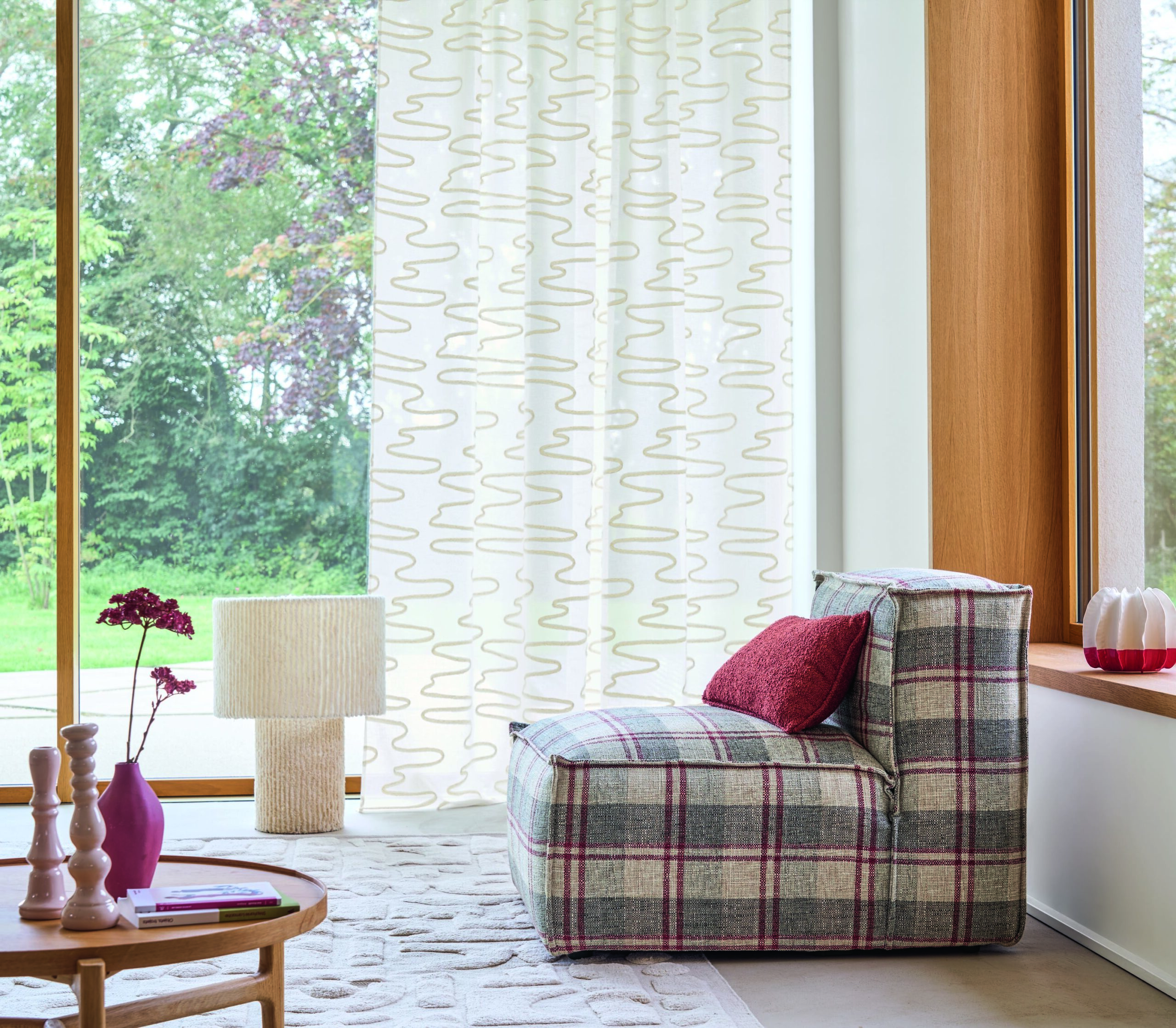
Layer textures: Combine smooth, rough, matte, and lustrous textures within a single space to create visual and tactile richness. A velvet sofa, a linen curtain, a textured wool cushion, and a smooth cotton bedspread in harmonious colours create a layered, sophisticated interior that photographs beautifully and feels inviting.
Balance statement and supporting fabrics: Not every fabric needs to be a hero piece. One or two statement fabrics per space, perhaps a richly patterned cushion or a bold upholstered headboard, should be supported by quieter, coordinating fabrics that allow the feature pieces to shine.
Consider photography: Hotel interiors are photographed extensively for booking platforms, social media, and marketing materials. Fabrics with visual texture and depth photograph better than flat, uniform materials. Avoid fabrics that appear significantly different on camera than in person, as this creates a disconnect between guest expectations and reality.
Lifecycle Management and Replacement Planning
Hospitality fabrics have finite lifespans. Planning for replacement from the outset prevents budget surprises and maintains quality standards throughout the renovation cycle.
Guest room soft furnishings typically need replacement or refurbishment every five to seven years. Public area upholstery may require attention every three to five years, depending on usage intensity. F&B seating in high-volume restaurants may need reupholstering as frequently as every two to three years.
When specifying, confirm with the supplier that the chosen fabric will remain in production or that a close equivalent will be available for partial replacements and spot repairs during the product’s intended lifespan. A discontinued fabric forces a full replacement rather than a targeted repair, significantly increasing cost.
Maintain detailed fabric specifications for every area of the property, including product name, colour reference, supplier, fire certification details, and date of installation. This register simplifies procurement for replacements and ensures consistency when repairs are needed.
For comprehensive fabric specification support for your hospitality project, book an appointment with our design consultants who specialise in commercial and hospitality interiors.
Final Thoughts
Fabric for hospitality is where design ambition meets operational reality. The best hotel interiors achieve both: fabrics that create memorable guest experiences while delivering the durability, cleanability, and fire compliance that hospitality operations demand. In Singapore’s exacting hospitality market, informed fabric specification is not just a design consideration but a business imperative that affects guest satisfaction, operational efficiency, and brand reputation.
Browse our e-catalogue for the latest designs and discover fabric options for your hospitality project.