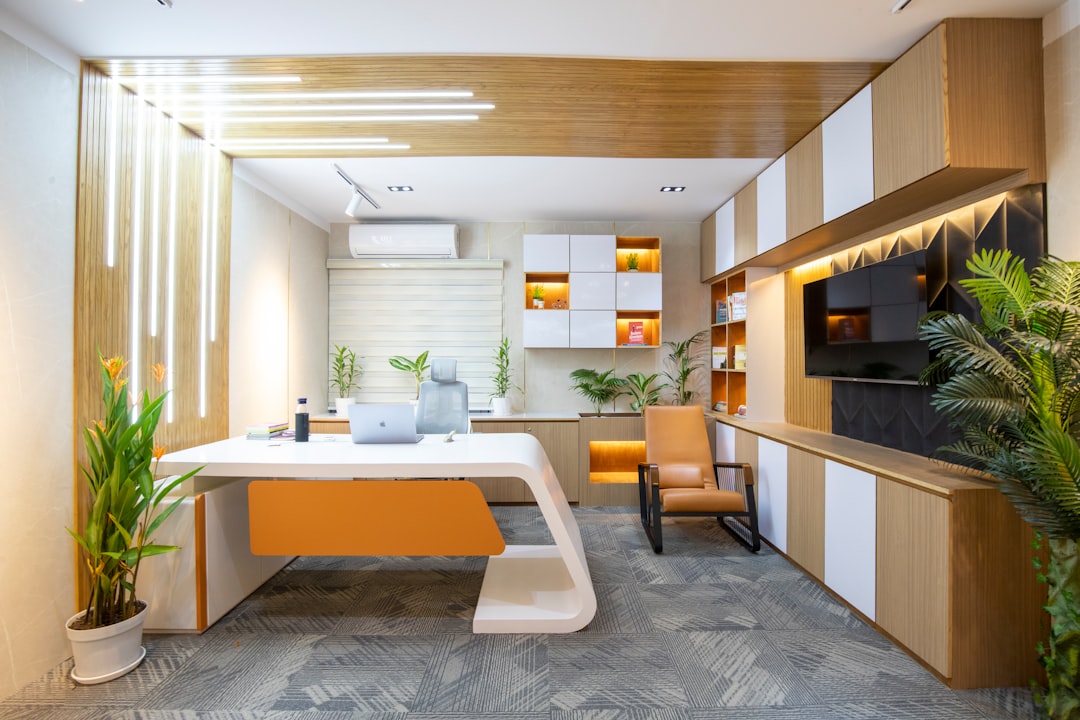
Commercial Interiors
Co-Working Space Interior Design Guide – Goodrich Global
Co-working space interior design must balance competing demands — open collaboration alongside quiet focus, aesthetic appeal alongside commercial durability, and individual comfort alongside shared functionality. As Singapore’s co-working sector continues to mature, operators are discovering that design quality directly influences occupancy rates and tenant satisfaction.
This guide covers the material and design decisions that define successful co-working spaces, from acoustic management to flooring specification.
Understanding the Co-Working Design Brief
Unlike traditional offices designed for a single organisation, co-working spaces serve diverse users with varying work styles. A freelance graphic designer, a startup team of five, and a corporate satellite worker may all share the same floor on any given day.
Effective co-working design accommodates this diversity through clearly defined zones:
- Hot desking areas: Open plan zones for individual work with easy access to power and connectivity.
- Dedicated desks: Semi-private stations for regular members who want a consistent workspace.
- Meeting rooms: Enclosed spaces for video calls, client meetings, and team discussions.
- Collaboration zones: Informal areas with soft seating for brainstorming and casual interaction.
- Focus pods: Small, enclosed or semi-enclosed spaces for concentrated individual work.
- Social areas: Pantries, lounges, and breakout spaces that foster community.
Each zone has distinct requirements for acoustics, flooring, wall treatment, and furnishing — and the transitions between them must feel seamless.
Flooring Strategies for Shared Workspaces
Flooring in a co-working space must withstand heavy foot traffic, chair movement, and frequent cleaning while contributing to the design aesthetic and acoustic performance.
Carpet Tiles for Work Zones
Commercial carpet tiles are the standard flooring choice for co-working desk areas. They absorb sound, reduce impact noise from foot traffic, and provide a comfortable surface for rolling desk chairs. Carpet tiles also offer practical advantages — damaged tiles can be individually replaced without disturbing the surrounding floor.
Modern carpet tile designs range from solid neutrals to bold geometric patterns. Many co-working operators use carpet tile colour and pattern changes to subtly define different zones, creating visual wayfinding without physical barriers.
LVT for High-Traffic and Social Areas
Pantries, reception areas, and corridors benefit from luxury vinyl tile (LVT) or SPC flooring. These materials handle moisture and spills better than carpet and are easier to clean — essential in food and beverage zones. Wood-look LVT adds warmth to social areas while maintaining commercial-grade durability.
Mixed Flooring for Zoning
Transitioning between carpet tile and LVT is a practical and visually effective way to signal different zones. The shift from soft carpet in the work area to hard LVT in the pantry naturally communicates a change in function.
Acoustic Design for Productivity
Noise is the number one complaint in co-working spaces. Without proper acoustic treatment, the buzz of phone calls, keyboard typing, and conversations can make focused work nearly impossible.
Acoustic design works on three principles: absorption (reducing reflected sound), blocking (preventing sound transmission between spaces), and masking (introducing background sound to cover distracting noise).
Wall Treatments
Acoustic wallcoverings serve dual purposes — they absorb sound while contributing to the visual design. Textured wallcoverings with fabric-like surfaces absorb mid-range frequencies that carry speech, reducing the intelligibility of background conversations and improving focus.
In meeting rooms, acoustic wall panels or upholstered wall surfaces prevent sound from leaking into adjacent spaces. These can be covered in fabrics that match the broader design scheme.
Ceiling and Flooring
Carpet tile flooring absorbs impact noise from footsteps, while acoustic ceiling tiles or baffles address airborne sound. Together, these create a layered acoustic strategy that manages noise across multiple pathways.
Soft Furnishings
Upholstered furniture, heavy curtains, and fabric-covered screens all contribute to sound absorption. In collaboration zones, a mix of soft seating and fabric room dividers can reduce noise while maintaining an open, inviting atmosphere.
Wall Design and Branding
Walls in co-working spaces serve as both design canvases and brand touchpoints. The right wall treatments create visual identity, define zones, and contribute to the overall atmosphere.
Feature walls with bold wallcoverings in reception areas and social zones establish the brand personality immediately. Digital-printed wallpapers allow for custom graphics, patterns, or brand elements that make each co-working location distinctive.
In work zones, subtler wall treatments in calming tones — soft greys, muted blues, warm neutrals — support concentration without distraction. The contrast between expressive social spaces and restrained work areas reinforces the zoning strategy.
Writable wall surfaces in meeting rooms and collaboration zones add functionality. Whiteboard paint or film overlaid on feature walls allows brainstorming without sacrificing aesthetics.
Furniture and Fabric Specification
Furniture in co-working spaces endures far more use than residential or even traditional office furniture. Specification must prioritise durability alongside comfort and style.
Upholstery fabrics for co-working furniture should meet commercial-grade standards for abrasion resistance, stain resistance, and flame retardancy. Performance fabrics rated at 50,000 or more Martindale rubs are appropriate for heavy-use seating. Fabrics with antimicrobial treatments add hygiene benefits in shared environments.
Task chairs at desks should be ergonomic and adjustable. Lounge seating in social areas can be more expressive in design but must still withstand constant use. Modular furniture that can be rearranged — movable tables, stackable chairs, reconfigurable soft seating — gives operators flexibility to adapt the space to changing demands.
Final Thoughts
Co-working space interior design is a commercial undertaking where every material choice influences tenant experience, occupancy rates, and operational costs. Acoustic performance, flooring durability, and brand-aligned wall treatments are not design luxuries — they are business requirements.
By specifying materials that balance aesthetics with commercial-grade performance, operators can create spaces that attract and retain members in Singapore’s competitive co-working market.
Get a free quote for your project today — our team specialises in commercial flooring, wallcovering, and fabric solutions.