Commercial Interiors
Tuition Centre Interior Design | Learning-Friendly Spaces
Why Interior Design Matters in Tuition Centres
Singapore’s tuition industry is substantial, with centres operating in shophouses, commercial buildings, and HDB void decks across the island. In a competitive market, the physical environment of a tuition centre can be a genuine differentiator. Parents notice. Students feel the difference. A well-designed space communicates professionalism and care, while also creating conditions that support concentration and effective learning.
Interior design for tuition centres is not about extravagance — it is about making smart material and layout choices that improve the learning experience while keeping operational costs manageable. This guide focuses on the interior finishes that matter most: flooring, wall treatments, and soft furnishings.
Flooring for Tuition Centre Classrooms
The floor is the largest surface area in any classroom, and it has a direct impact on acoustics, maintenance, and student comfort. The right flooring choice depends on the type of tuition offered, the age of students, and the foot traffic the centre receives.
| Flooring Type | Durability | Acoustic Performance | Maintenance | Best For |
|---|---|---|---|---|
| Luxury Vinyl Tile (LVT) | Excellent | Good (with underlay) | Very easy | All classroom types |
| Carpet tiles | Good | Excellent | Easy (replaceable) | Younger students, quiet study rooms |
| Vinyl sheet | Good | Moderate | Easy | High-traffic corridors, common areas |
| Laminate | Moderate | Poor | Moderate | Not recommended for tuition centres |
Luxury vinyl tiles are the most versatile option for tuition centres. They withstand heavy chair movement, resist stains from dropped stationery and drinks, and clean up quickly between classes. Available in realistic wood and stone designs, LVT creates a warm, professional atmosphere without the maintenance demands of natural materials.
Carpet tiles are an excellent secondary option, particularly for younger students’ classrooms and quiet study rooms. They absorb sound effectively — reducing the noise that travels between adjacent classrooms — and individual tiles can be replaced if stained or damaged, avoiding the cost of re-carpeting an entire room.
Wall Treatments That Support Learning
Walls in a tuition centre serve multiple functions. They define spaces, absorb or reflect sound, and influence the visual atmosphere. Commercial-grade wallcoverings offer advantages that paint alone cannot match.
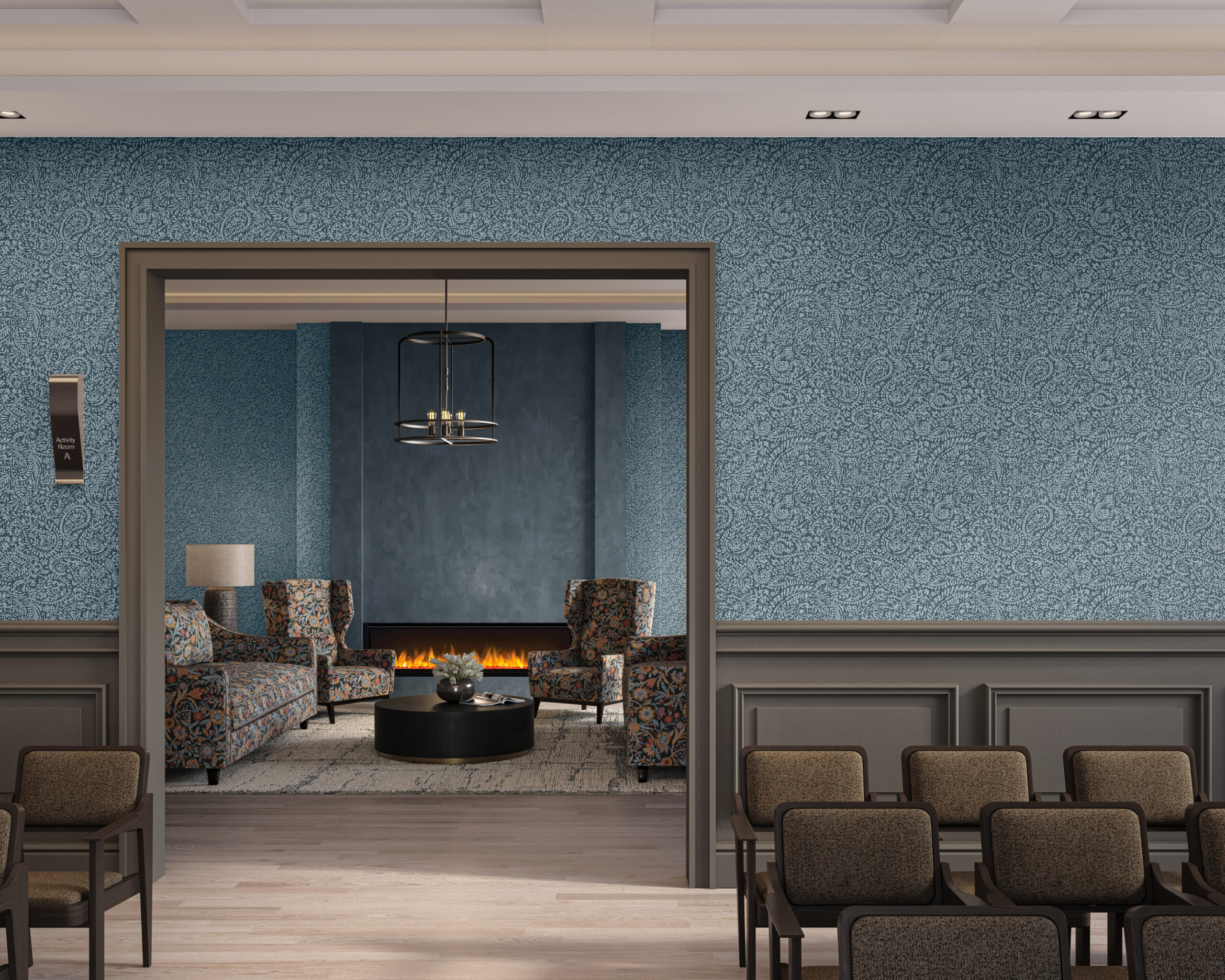
Vinyl wallcoverings are the practical standard for tuition centres. They resist scuffing from furniture, withstand frequent wiping (essential in classrooms where students may lean back in chairs or touch walls), and maintain their appearance over years of use. Unlike paint, which chips and marks easily in high-use environments, vinyl wallcoverings keep walls looking fresh with minimal maintenance.
Colour choices matter. Research in educational environments consistently suggests that moderate, warm tones support concentration. Consider these approaches:
- Primary classrooms (younger students): Warm whites with soft accent walls in muted yellow or light green. These colours create an uplifting environment without overstimulation.
- Secondary and JC-level classrooms: Neutral palettes — warm greys, soft blues, or sage greens — that project a mature, focused atmosphere.
- Common areas and reception: Brand colours can feature more prominently here, creating a recognisable identity. Keep the look professional and inviting.
Explore the Goodrich wallcovering range for commercial-grade options suited to education environments.
Acoustic Management
Noise management is one of the most overlooked aspects of tuition centre design, yet it directly affects teaching and learning quality. When multiple classes run simultaneously in adjacent rooms, sound transmission between spaces can be profoundly distracting.
Interior finishes play a significant role in acoustic control:
- Carpet and carpet tiles absorb impact noise (footsteps, chair scraping) far more effectively than hard flooring. In classrooms where students frequently shift in their seats, carpet can reduce noise levels noticeably.
- Fabric wall panels absorb airborne sound (voices, music), reducing echo and reverberation. These are particularly valuable in larger classrooms and group study rooms.
- Heavy curtains or drapes at windows add another layer of sound absorption. Even in classrooms with blinds for light control, adding a fabric layer improves acoustics.
- Upholstered furniture — cushioned chairs and fabric-covered partitions — absorbs sound while adding comfort for students during extended study sessions.
The cumulative effect of these soft finishes creates a quieter, calmer classroom environment where teachers can be heard clearly and students can concentrate without competing background noise.
Furniture and Soft Furnishings
Tuition centre furniture takes a beating. Students shift, lean, drag chairs, and occasionally spill drinks. Upholstery fabrics must be durable, stain-resistant, and easy to clean.
For seating, choose commercial-grade upholstery fabrics with high rub counts (a measure of abrasion resistance). Fabrics rated above 30,000 rubs (Martindale test) are suitable for the heavy use that tuition centre chairs endure. Look for fabrics with built-in stain-resistant treatment, which allows spills to be wiped away before they set.
Breakout areas and waiting lounges benefit from comfortable seating that differentiates these spaces from the classroom. Upholstered benches, modular sofas, or cushioned reading nooks create a welcoming environment for students arriving early or parents waiting during lessons.
Fabric choices should coordinate across the centre — chair upholstery, curtains, and any soft furnishings — to create a cohesive, professional look. A consistent colour palette across all textiles signals attention to detail and quality.
Practical Considerations for Singapore Tuition Centres
Several practical factors specific to Singapore’s context should influence your design decisions:
- Fire safety: All interior materials in commercial premises must comply with SCDF fire safety requirements. Ensure carpets, wallcoverings, and fabrics have appropriate fire-retardant ratings.
- Lease considerations: Many tuition centres operate in leased premises. Choose finishes that can be installed without permanent alterations to the structure — carpet tiles, removable wallcoverings, and free-standing furniture offer flexibility when leases expire.
- Air-conditioning loads: Well-insulated interior finishes — carpet rather than bare tile, lined curtains rather than bare windows — reduce the cooling load on air-conditioning systems, which can lower energy costs over time.
- Cleaning schedules: Between classes, cleaning time is limited. Materials that can be quickly spot-cleaned and vacuumed ensure the centre remains presentable throughout the day.
Reception and Waiting Areas
The reception area is the first space parents and students see when they arrive, and first impressions matter in a competitive tuition market. This area should feel professional, welcoming, and reflective of the centre’s commitment to quality education.
Durable, attractive flooring in the reception — LVT in a warm timber or stone-look finish — sets a professional tone. A feature wall behind the reception counter, perhaps with a textured wallcovering in the centre’s brand colours, creates a polished backdrop. Comfortable seating with quality upholstery communicates care and attention to detail.
Consider the practical flow of the space as well. A clear entrance area with durable flooring handles the high foot traffic of students arriving and departing. Transition zones between the reception and classrooms can use different flooring textures or colours to subtly guide movement through the space.
Create a Learning Environment That Stands Out
A thoughtfully designed tuition centre interior communicates quality, supports effective learning, and creates a space where students and parents feel confident. The right combination of durable flooring, smart wall treatments, and quality soft furnishings transforms a generic commercial space into a purpose-built learning environment.
Book an appointment with our design consultants to discuss interior solutions for your tuition centre. Schedule a consultation and let us help you create spaces that inspire learning.