Commercial Interiors
Hotel Lobby Design Ideas: First Impressions Matter
Hotel lobby design ideas shape the guest experience from the very first step through the entrance. The lobby is where brand identity, service culture, and design philosophy converge — and in Singapore’s competitive hospitality market, a memorable lobby can distinguish a property from dozens of comparable alternatives.
This guide examines how flooring, wall treatments, and fabric selections contribute to hotel lobby design that impresses guests and supports operational efficiency.
The Role of the Lobby in Hospitality Design
A hotel lobby serves multiple functions simultaneously. It is a reception area, a waiting space, a social hub, and increasingly, a destination in its own right. Many Singapore hotels have reimagined their lobbies as co-working lounges, cafes, and event spaces that serve both guests and the local community.
This multifunctionality means the lobby must accommodate diverse activities — checking in with luggage, conducting business meetings, enjoying afternoon tea, and simply relaxing — without any one function compromising the others.
Design achieves this through zoning, material selection, and atmospheric control. The right combination of flooring, wall treatment, lighting, and furnishing creates distinct areas within a single open space, each tailored to its intended use.
Flooring That Sets the Standard
Lobby flooring is the first material guests physically interact with. It must be visually impressive, extremely durable, and safe underfoot — wet shoes from Singapore’s frequent rainstorms are a constant consideration.
Natural Stone and Stone-Look Alternatives
Marble and granite remain prestigious flooring choices for luxury hotel lobbies. However, natural stone requires significant maintenance and can be slippery when wet. High-quality stone-look LVT and SPC flooring now offer remarkably realistic alternatives with superior slip resistance and lower maintenance costs.
For hotels targeting a contemporary aesthetic, large-format stone-look flooring tiles create a sleek, expansive look. Warm beige and grey tones are versatile enough to complement most furniture and wall treatment palettes.
Carpet for Lounge and Seating Areas
Carpet in lobby seating areas signals comfort and relaxation. It absorbs sound from luggage wheels and foot traffic, creating pockets of calm within the busier reception zone. Commercial-grade broadloom or carpet tiles with high-density construction withstand the extreme foot traffic that hotel lobbies generate.
Many Singapore hotels use the transition from hard flooring to carpet as a design tool — the shift from polished stone at the entrance to plush carpet in the lounge area guides guests naturally toward seating.
Entrance Matting
Practical but often overlooked, entrance matting is essential in Singapore’s climate. A well-designed entrance mat system captures rainwater and dirt before they reach the lobby floor, protecting both the finish and guest safety. Recessed mat wells integrated into the flooring design maintain a clean aesthetic while performing this critical function.
Wall Treatments That Tell a Story
Hotel lobby walls are prime opportunities for brand storytelling. Unlike residential or office environments, hotel walls can be more expressive and dramatic — guests expect to be visually engaged.
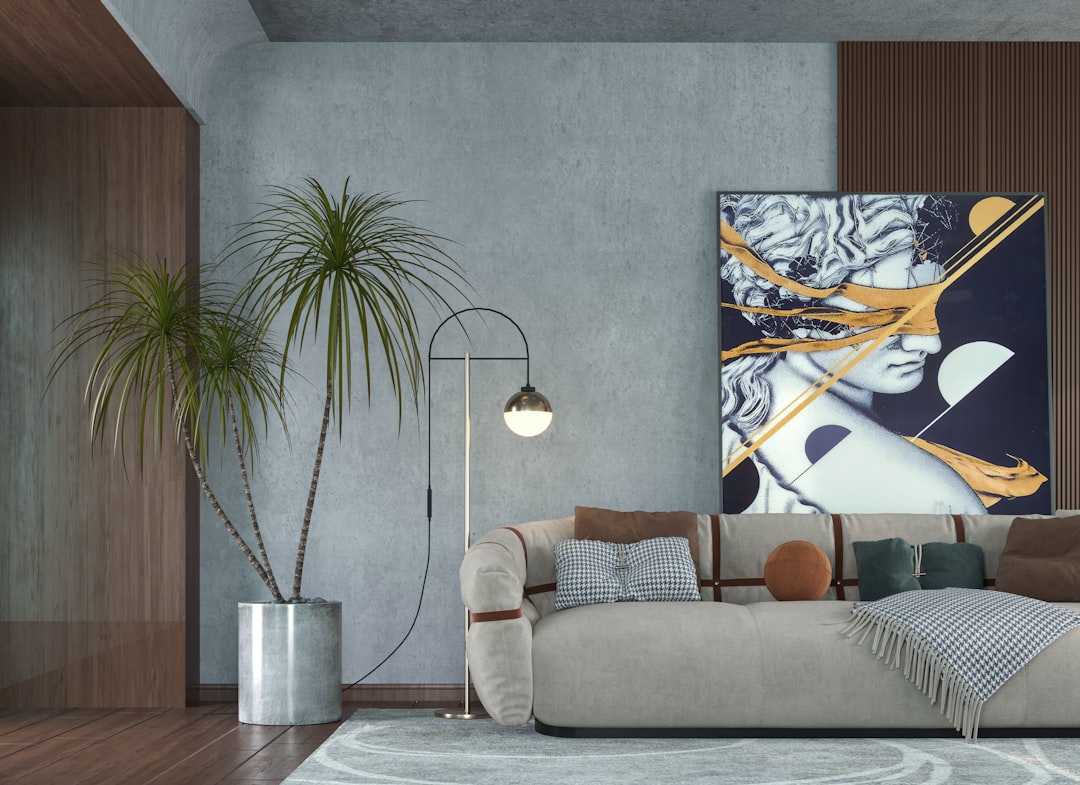
Large-scale wallcoverings behind reception desks create focal points that anchor the guest experience. Metallic textures, oversized botanical prints, and custom-designed patterns can reflect a hotel’s brand identity and local context. A Singapore hotel might draw on Peranakan motifs, tropical botanical themes, or contemporary interpretations of Southeast Asian patterns.
In seating and lounge areas, wallcoverings with subtle texture — grasscloth, linen-effect, or fine rib textures — add warmth and acoustic benefit without competing with the furnishings. These treatments also disguise wear and scuffing far better than paint, reducing maintenance frequency.
For corridors leading from the lobby to lifts and function rooms, commercial vinyl wallcoverings provide the durability needed to withstand luggage trolley impacts and constant passing traffic while maintaining an upscale appearance.
Fabric Selection for Lobby Furnishings
Upholstery and drapery fabrics in hotel lobbies must meet exceptionally high standards for durability, cleanability, and fire safety.
Performance Requirements
- Abrasion resistance: Lobby seating is used constantly. Fabrics should achieve a minimum of 50,000 Martindale rubs — and 100,000 or more for high-traffic pieces.
- Stain resistance: Spilled coffee, food, and cosmetics are daily hazards. Fabrics with built-in stain protection or those that can be cleaned with standard upholstery methods are essential.
- Fire retardancy: Singapore’s fire safety regulations require commercial upholstery to meet specific flammability standards. Inherently flame-retardant fabrics are preferred over treated fabrics, as the protection does not diminish with cleaning.
- Colour fastness: Exposure to sunlight through lobby windows and to cleaning chemicals means fabrics must maintain their colour over years of use.
Design Considerations
Fabric choices should reinforce the hotel’s design narrative. A luxury hotel might specify silk-look velvets and rich jacquards, while a boutique property could opt for textured linens and bold prints. The key is consistency — the fabric palette should connect with the wall treatments, flooring, and overall colour scheme.
Curtains and drapes in lobby spaces often need to manage natural light while maintaining views. Sheer or semi-sheer fabrics that filter harsh tropical sunlight without blocking the cityscape or garden views are particularly effective in Singapore hotels with floor-to-ceiling glazing.
Acoustic Comfort in Open Lobbies
Modern hotel lobbies tend toward open, high-ceilinged designs that look spectacular but can suffer from poor acoustics. Hard surfaces — stone floors, glass walls, high ceilings — reflect sound, creating an echo that undermines the sense of calm and exclusivity that hotels aim to project.
A layered approach to acoustic management combines carpet in seating zones, upholstered furniture, textured wallcoverings, and fabric drapes. Together, these materials absorb reflected sound across different frequency ranges, resulting in a lobby that feels lively but not noisy.
Strategic placement of upholstered screens or fabric-covered panels can also create semi-private conversation areas within the open lobby — a feature increasingly valued by business travellers and guests seeking a quieter moment.
Final Thoughts
Hotel lobby design is where hospitality brand identity takes physical form. Every material choice — from the flooring at the entrance to the fabric on the lounge seating — contributes to the guest’s first and lasting impression.
In Singapore’s demanding hospitality market, lobbies must be beautiful, functional, and resilient. Specifying commercial-grade materials that balance aesthetics with performance ensures that the design intent survives the realities of daily operation.
Book an appointment with our commercial projects team to discuss flooring, wallcovering, and fabric solutions for hospitality interiors.