Wallpaper & Wallcovering
Grasscloth Wallpaper: Natural Texture for Luxury Walls
Grasscloth wallpaper brings an unmatched depth of natural texture to interior walls. Woven from plant fibres — including jute, seagrass, sisal, arrowroot, and hemp — and laminated onto a paper backing, grasscloth delivers a tactile richness that printed wallpapers and paint simply cannot replicate. Each panel varies slightly in colour, texture, and weave density, creating a surface that feels genuinely handcrafted.
For architects, interior designers, and homeowners in Singapore seeking a wall treatment that conveys understated luxury and natural sophistication, grasscloth wallpaper is a compelling choice.
What Makes Grasscloth Unique
Unlike manufactured wallpapers produced on industrial printing lines, grasscloth is assembled from natural plant fibres that are dried, dyed, and woven by hand or on traditional looms. This artisanal production process is the source of grasscloth’s distinctive character.
Natural Variation
No two panels of grasscloth are identical. The fibres vary in thickness, colour absorption, and weave pattern. This inherent variation is not a defect — it is the material’s defining quality. It creates a wall surface with visual depth and organic movement that reads as rich and natural rather than machine-perfect.
This variation means grasscloth is not suited to interiors where uniform colour and pattern are expected. Clients who appreciate natural imperfection and artisanal craft will find grasscloth deeply satisfying. Those who prefer pixel-perfect consistency should consider printed grasscloth-effect wallpapers instead.
Tactile Quality
Grasscloth engages the sense of touch as strongly as sight. The woven fibres create a physical texture on the wall that invites contact. Running a hand across grasscloth reveals the ridges, nodes, and irregularities of the natural material. In an interior landscape dominated by smooth, manufactured surfaces, this tactile dimension adds a sensory richness that elevates the space.
Acoustic Properties
The fibrous, open-weave structure of grasscloth absorbs sound more effectively than painted plaster or vinyl wallpaper. While it will not replace dedicated acoustic panels, grasscloth contributes meaningfully to reducing echo and reverberation in rooms with hard floors and minimal soft furnishings. This makes it a functional as well as decorative choice for living rooms, studies, and meeting rooms.
Types of Grasscloth Wallpaper
Several plant fibres are used in grasscloth production, each offering distinct visual and textural characteristics.
Jute
Jute is one of the most common grasscloth fibres. It produces a coarse, rustic texture with warm golden-brown tones. Jute grasscloth has a pronounced weave pattern that reads boldly on the wall. It suits interiors with a natural, earthy aesthetic — coastal-themed condominiums, resort-inspired landed properties, and organic modern spaces.
Seagrass
Seagrass fibres are finer and more tightly woven than jute, producing a smoother, more refined surface. Seagrass grasscloth is often chosen for formal living rooms, dining rooms, and luxury bedrooms where texture is desired but the surface must not feel too rough or rustic. The natural green-grey tones of undyed seagrass suit cool, contemporary colour palettes.
Sisal
Sisal fibres, derived from the agave plant, are strong and produce a tight, consistent weave. Sisal grasscloth is among the most durable options and accepts dye well, making it available in a wider colour range than many other grasscloth types. It bridges the gap between natural texture and colour flexibility.
Arrowroot
Arrowroot grasscloth is the finest and most delicate variety. The thin, translucent fibres create a subtle, almost silky texture that is barely there — offering the idea of grasscloth without its full visual weight. Arrowroot suits formal and minimalist interiors where understated texture is preferred over pronounced weave.
Paper-Backed vs Fabric-Backed
Traditional grasscloth is laminated onto a paper backing. More durable versions use a fabric (non-woven) backing that resists tearing and simplifies installation. Fabric-backed grasscloth is recommended for high-traffic areas and professional installations where ease of handling matters.
Design Applications in Singapore
Grasscloth wallpaper works across residential, hospitality, and commercial interiors when applied with design intent.
Residential Living Rooms
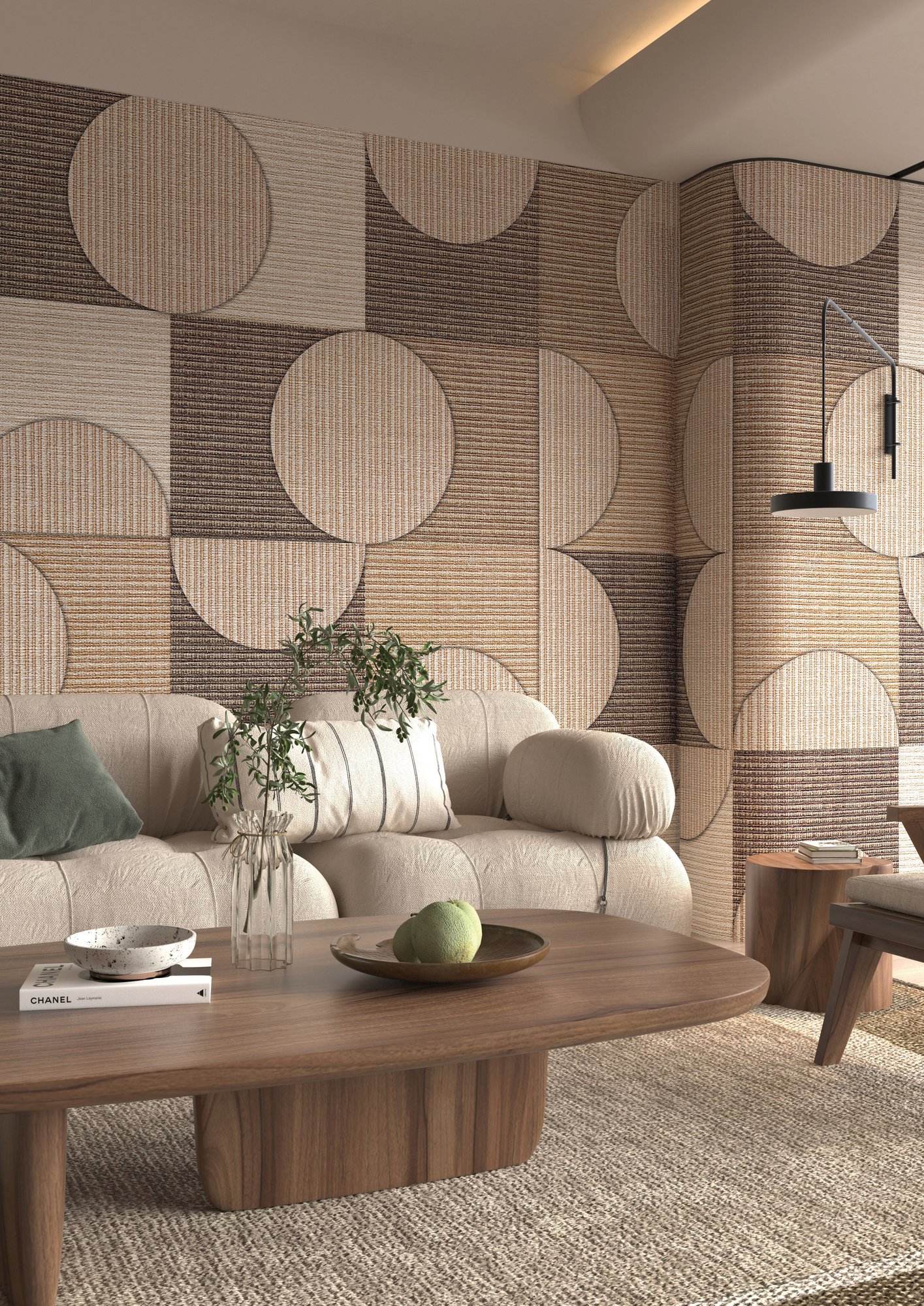
A grasscloth feature wall behind the sofa adds warmth and texture to condominium and landed property living rooms. Neutral tones — warm grey, sand, soft green — complement the minimalist furniture and clean lines typical of Singapore residential interiors. The texture provides visual interest without competing with artwork, which grasscloth displays beautifully as a backdrop.
Dining Rooms
Grasscloth wrapped around a dining room creates an intimate, cocooning atmosphere that enhances the experience of shared meals. The material’s sound-absorbing properties reduce conversation bounce, making dinner parties more comfortable. Rich, deep-toned grasscloth — navy, forest green, burgundy — creates a dramatic dining environment.
Bedrooms
Applied to the headboard wall, grasscloth adds texture and warmth that softens the bedroom environment. Lighter grasscloth varieties — arrowroot, fine seagrass — work well behind beds, providing tactile interest without the visual weight of coarser weaves.
Hospitality and Commercial
Hotels, restaurants, and corporate offices use grasscloth to convey quality and natural sophistication. Hotel room feature walls, restaurant private dining rooms, and boardroom surfaces all benefit from grasscloth’s ability to communicate premium positioning without ostentation. Goodrich Global’s wallcovering collection includes natural grasscloth options suited to both residential and commercial specifications.
Installation Requirements
Grasscloth installation requires more skill and preparation than standard wallpaper. The natural material behaves differently from printed vinyl or non-woven products, and installers must understand its specific requirements.
Wall Preparation
Walls must be smooth, clean, dry, and sealed with a pigmented primer. Because grasscloth is semi-transparent — particularly lighter varieties — the wall colour beneath will show through. A tinted primer matching the grasscloth’s base colour ensures a uniform appearance and prevents patchy effects at seam edges.
Adhesive Application
Apply adhesive to the wall, not the grasscloth. Pasting the material directly causes the paper backing to expand unevenly, leading to bubbling and wrinkles. Use a heavy-duty, clear-drying wallpaper adhesive recommended for natural fibre wallcoverings.
Seam Management
Grasscloth seams are more visible than those of printed wallpaper due to the natural edge of the woven material. This is inherent to the product and should be set as an expectation with clients before installation. Reverse-hanging alternate panels (flipping every other strip upside down) can help minimise the visual impact of colour variation at seams, though not all grasscloth manufacturers recommend this — follow the specific product instructions.
Handling
Natural fibres are more fragile when wet with adhesive. Handle panels carefully to avoid creasing, stretching, or pulling fibres loose. Use a smoothing brush (never a plastic smoother or roller) to press the grasscloth against the wall without flattening the weave texture.
Care and Maintenance
Grasscloth requires more careful maintenance than vinyl-coated wallpapers. Understanding its limitations ensures realistic expectations.
- Dusting: Dust regularly with a soft, dry cloth or a vacuum cleaner with a brush attachment on low suction. This prevents dust from embedding in the fibres.
- Stain prevention: Grasscloth is not washable. Water and liquid spills will stain. Apply a fabric protector spray during or after installation to add a degree of spill resistance. Keep grasscloth away from high-splash zones.
- Spot cleaning: Minor marks can sometimes be addressed with a dry cleaning sponge (chemical sponge) rubbed gently over the affected area. Do not use wet cloths, which will create water marks.
- Sunlight: Prolonged direct sunlight will fade natural fibres over time. In Singapore, where west-facing rooms receive intense afternoon sun, consider window treatments that filter UV exposure to protect grasscloth on sun-exposed walls.
- Humidity: Singapore’s humidity generally does not damage grasscloth if the room is adequately ventilated or air-conditioned. However, avoid installing grasscloth in bathrooms, kitchens, or other high-moisture areas where direct condensation can occur.
Grasscloth Alternatives
For clients who love the grasscloth aesthetic but need greater durability or cleanability, several alternatives exist. Vinyl wallpapers with printed or embossed grasscloth textures replicate the visual effect while offering wipe-clean surfaces and lower costs. These products suit residential and commercial applications where natural grasscloth’s maintenance demands are impractical.
These grasscloth-effect wallpapers have advanced significantly in recent years. High-quality versions feature convincing texture, colour variation, and tactile surface treatments that approach the look and feel of genuine grasscloth at a fraction of the maintenance commitment.
Final Thoughts
Grasscloth wallpaper is a statement of refined taste and appreciation for natural materials. Its handcrafted texture, organic variation, and warm presence on the wall create interiors that feel grounded, luxurious, and deeply considered. For Singapore homeowners and designers seeking a wall treatment that transcends the ordinary, grasscloth delivers a timeless, tactile beauty.
The investment in quality grasscloth and professional installation is rewarded with walls that age gracefully and set your interior apart.
Book an appointment with Goodrich Global to view our grasscloth and natural wallcovering collection at our Singapore showroom.