Interior Design
Feng Shui Interior Design: Harmony at Home
Feng shui interior design is deeply embedded in Singapore’s cultural fabric, influencing everything from HDB flat layouts to luxury condo renovations and commercial office fit-outs. Far from being purely superstitious, many feng shui principles align with sound design logic — promoting natural light, good air circulation, uncluttered spaces, and harmonious colour schemes that genuinely improve how a space feels and functions.
This guide takes a practical approach to feng shui in interior design, focusing on principles that enhance comfort and well-being in Singapore homes regardless of your beliefs about energy flow.
Core Feng Shui Principles for Interior Spaces
Feng shui centres on the flow of chi (energy) through a space. While interpretations vary across different schools of feng shui, several core principles are consistently applied in Singapore residential design.
The Commanding Position
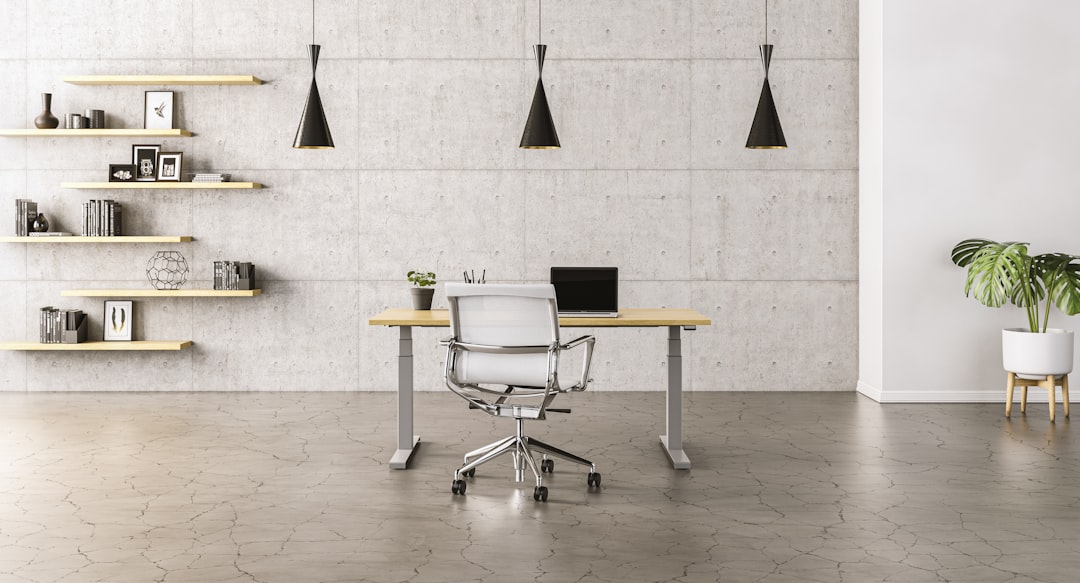
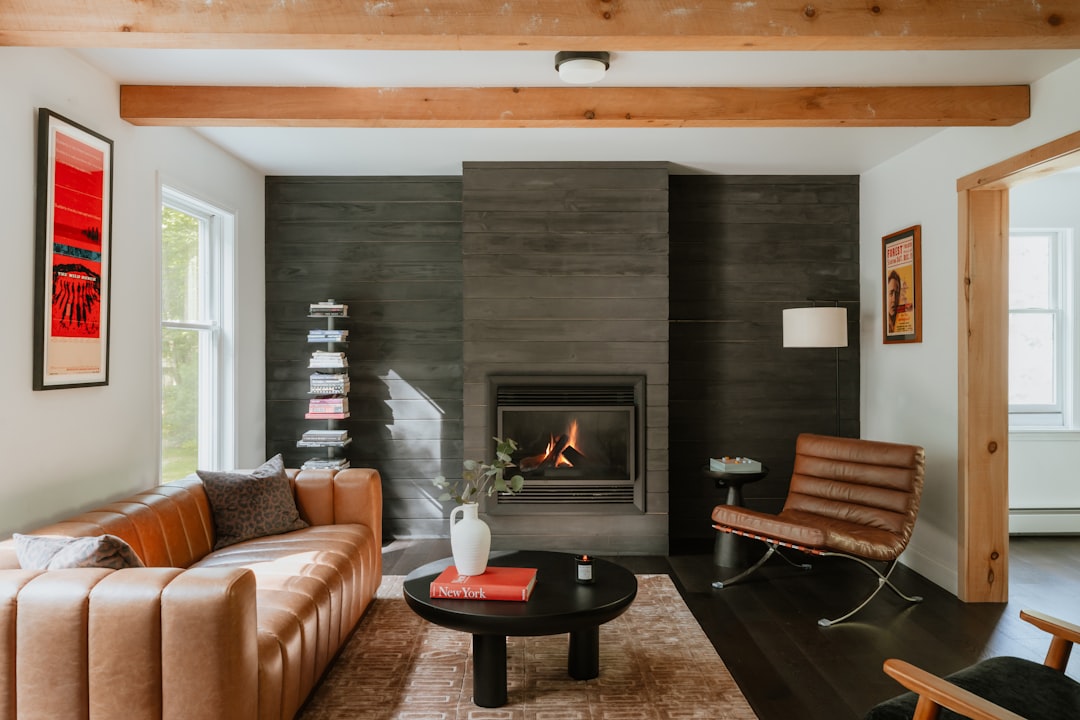
Key furniture pieces — the bed, desk, and sofa — should be placed in the “commanding position,” where you can see the door without being directly in line with it. This principle creates a sense of security and control. In practical terms, it means positioning your bed diagonally opposite the bedroom door, your desk facing toward the office entrance, and your sofa where you can see who enters the living room.
The Five Elements
Feng shui recognises five elements — wood, fire, earth, metal, and water — each associated with specific colours, materials, shapes, and qualities. A balanced interior incorporates all five elements in appropriate proportions:
- Wood: Green tones, timber furniture, plants. Represents growth and vitality.
- Fire: Red, orange, pink tones; triangular shapes; candles and lighting. Represents passion and energy.
- Earth: Yellow, brown, beige tones; ceramics, stone, square shapes. Represents stability and nourishment.
- Metal: White, grey, metallic tones; round shapes; metal furniture and accents. Represents precision and clarity.
- Water: Blue, black tones; wavy shapes; mirrors, glass, water features. Represents wisdom and flow.
Clutter and Chi Flow
Clutter blocks the flow of chi, creating stagnation that affects mood and energy levels. This principle has obvious practical merit — decluttered spaces are easier to navigate, easier to clean, and psychologically calming. In compact Singapore homes, where storage is a perennial challenge, this feng shui principle serves as useful motivation for thoughtful organisation.
Feng Shui and Colour Selection
Colour is one of the most accessible ways to apply feng shui principles in interior design. Each colour carries elemental associations and psychological effects that influence the energy of a room.
Living Room
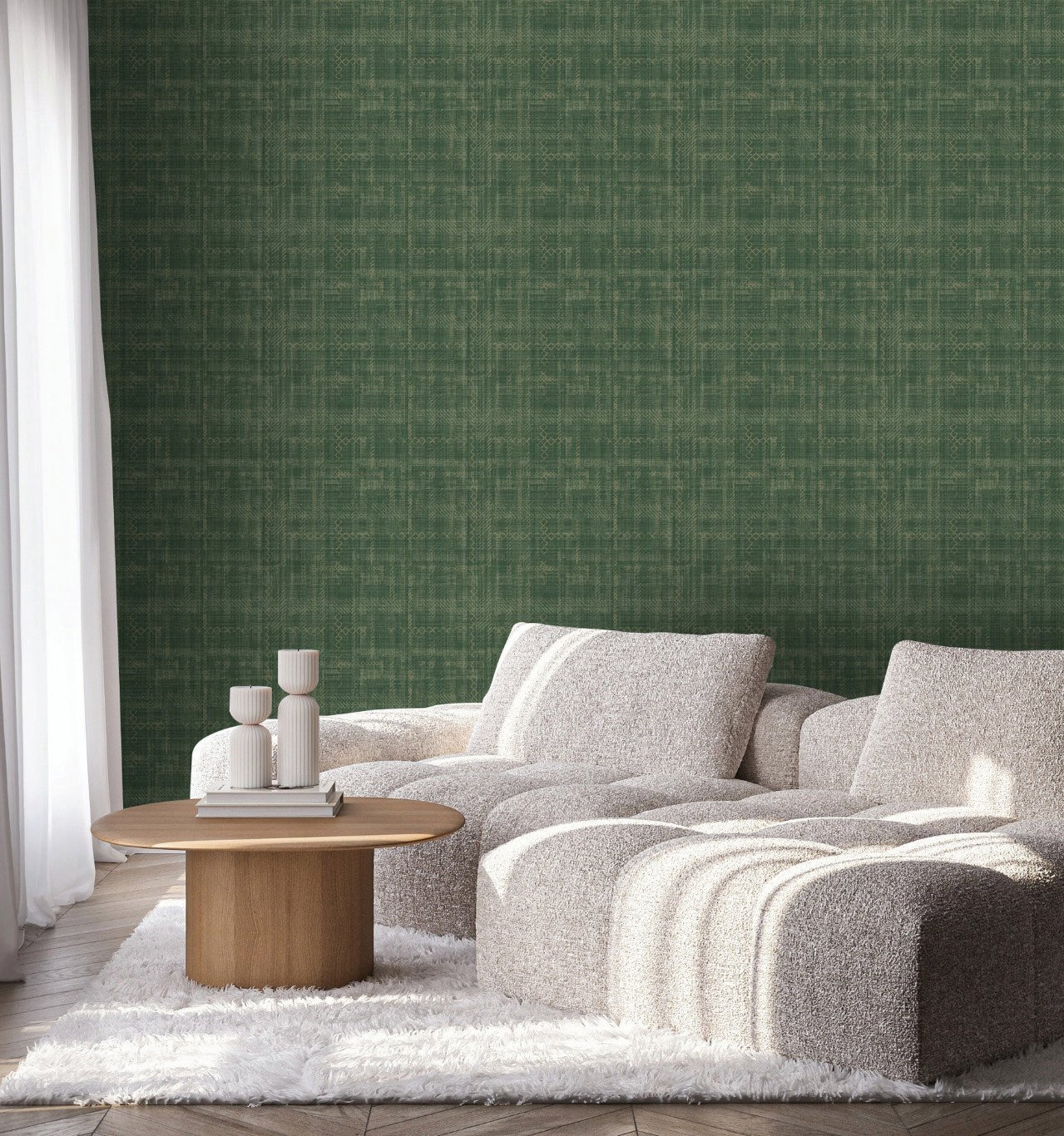
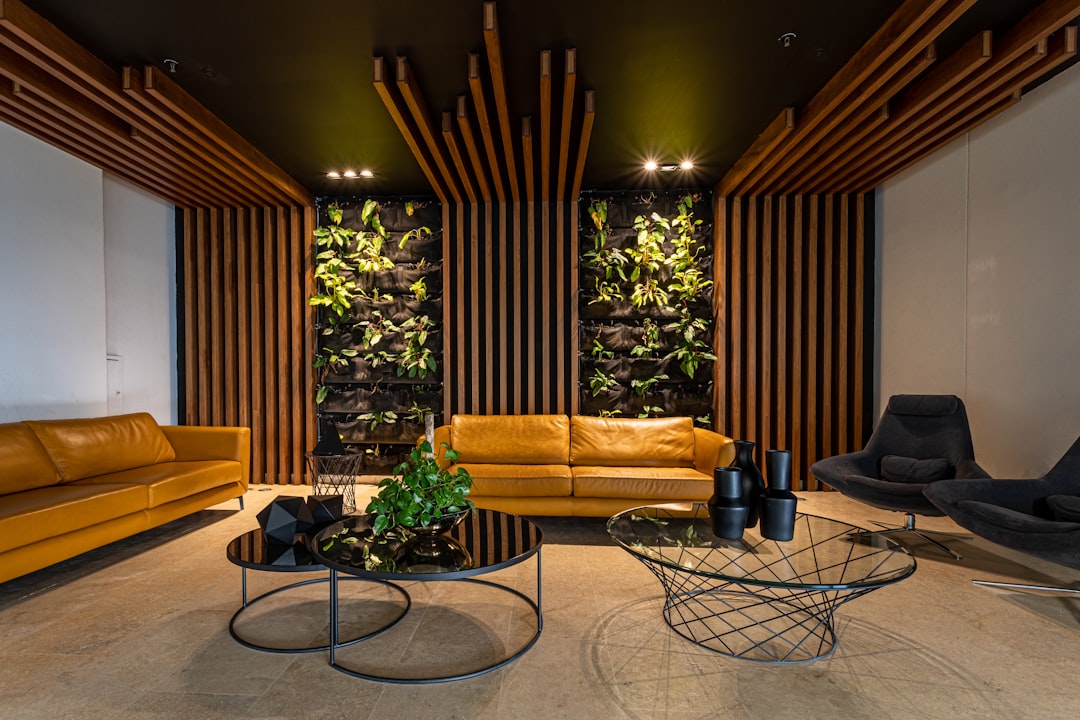
The living room benefits from earth tones (warm beige, soft yellow, terracotta) that create a grounded, welcoming atmosphere. Green accents introduce the wood element, supporting growth and family harmony. Avoid excessive red, which can create overstimulation in a space meant for relaxation and socialising.
Bedroom
Bedrooms should promote rest and intimacy. Soft, muted colours — pale pink, warm cream, light lavender — support this purpose. Strong water element colours (deep blue, black) are generally avoided in bedrooms as they are considered too yin (passive) for a space that should balance rest with warmth.
Kitchen
The kitchen represents nourishment and abundance. Earth tones and warm whites are traditional choices. In feng shui, the kitchen already contains fire (stove) and water (sink) elements, so the colour scheme and materials should avoid amplifying either element excessively.
Home Office
Clarity and focus are the priorities. White and metallic tones (metal element) support clear thinking. Green accents (wood element) encourage growth and creativity. A balance of these elements creates a workspace that is both productive and energising.
Material Choices Through a Feng Shui Lens
The materials you choose for flooring, wall treatments, and soft furnishings carry elemental associations that contribute to the overall feng shui balance of your home.
Flooring
Timber and timber-look flooring introduces the wood element, creating warmth and a sense of natural connection. In Singapore, where luxury vinyl flooring with realistic wood grain is popular for its practicality, the visual effect achieves a similar feng shui benefit to real timber. Stone and tile flooring represents the earth element, providing stability and grounding energy.
Wall Treatments
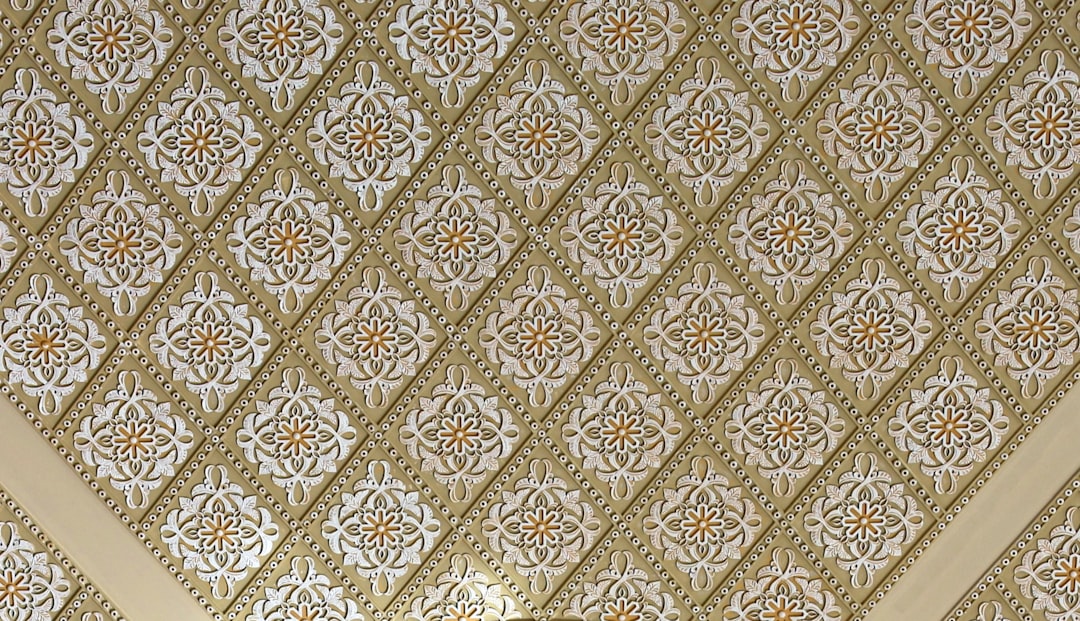
Wallpaper and wallcoverings offer an opportunity to introduce colour, texture, and elemental balance to specific rooms. A nature-themed wallpaper brings the wood element into a space that might otherwise lack natural materials. Metallic wallpapers introduce the metal element with sophistication. Textured grasscloth or linen wallcoverings add the earth element through their natural materiality.
Fabrics and Soft Furnishings
Curtains, upholstery, and cushions are the easiest way to adjust the elemental balance of a room. If a space feels cold and sterile (too much metal element), warm-toned curtains and textured cushion covers can introduce fire and earth energy. If a room feels chaotic and overstimulating, calm blue and green fabrics bring water and wood elements that soothe and settle.
Feng Shui Tips for Singapore Home Types
Singapore’s common residential formats each present specific feng shui considerations.
HDB Flats
HDB layouts are standardised, which means feng shui adjustments often focus on furniture placement and material choices rather than structural changes. The front door should open onto an inviting, uncluttered space — avoid placing a mirror directly opposite the front door, as this is believed to deflect incoming chi. If the front door opens directly into the living room (common in HDB layouts), a console table with a plant can serve as a subtle buffer.
Condominiums
Many Singapore condos feature floor-to-ceiling windows that provide excellent natural light but can create excessive yang energy. Curtains and drapes are essential for balancing light levels and controlling the flow of energy through the space. Sheer curtains maintain light while softening its intensity — a practical feng shui solution.
Landed Properties
Landed homes offer more flexibility for feng shui-aligned design. The entrance, garden, and multi-storey layout allow for comprehensive feng shui planning. Water features in gardens, strategic placement of mirrors, and careful attention to the staircase position relative to the front door are common considerations in landed property feng shui.
Common Feng Shui Design Mistakes
Well-intentioned feng shui efforts sometimes produce design choices that work against the intended harmony. Here are pitfalls to avoid.
- Over-correcting with cures: Placing too many feng shui objects (crystals, wind chimes, figurines) creates visual clutter that contradicts the principle of chi flow. Subtlety is more effective than accumulation.
- Ignoring personal comfort: If a feng shui recommendation feels uncomfortable or impractical — such as sleeping with your head in a direction you find uneasy — practical comfort should take priority. Good design serves the occupant, not an abstract system.
- Mismatching elements and function: An all-white, metallic bedroom (excessive metal element) may look stylish but creates an environment that feels cold and unwelcoming for sleep. Balance is always the goal.
- Blocking natural light: Heavy curtains that remain closed to follow a feng shui rule about a particular window direction reduce the natural light that is itself a positive chi source. Seek solutions that address the concern without sacrificing daylight.
Final Thoughts
Feng shui interior design, at its best, produces spaces that are balanced, comfortable, and intuitively pleasing. Whether you approach it as a cultural practice, a design philosophy, or simply a set of sensible guidelines for arranging your home, the principles of good chi flow align remarkably well with good design practice.
The most successful feng shui interiors do not look like feng shui interiors — they simply look and feel right.
Book an appointment with our design consultants to explore materials and colours that bring balance to your home.