Interior Design
Studio Apartment Design Ideas for Singapore
Living Well in a Singapore Studio
Studio apartments in Singapore are compact by design — typically between 30 and 50 square metres — with sleeping, living, and sometimes kitchen areas sharing a single open space. They appeal to young professionals, couples, and singles who value location and lifestyle over square footage.
The challenge of studio apartment design in Singapore is making one room feel like several, without physical walls eating into your limited floor area. The solution lies in smart zoning, multifunctional furniture, and carefully chosen finishes that create visual spaciousness.
Whether you are furnishing your first home, investing in a rental property, or downsizing from a larger unit, a well-considered studio design ensures that compact living does not mean compromising on comfort or style.
Zoning Without Walls
The most important principle in studio design is establishing distinct zones for different activities. Even without walls, you can create a sense of separation that makes the space feel organised and intentional.
- Flooring transitions: Use different flooring materials or patterns to define zones. A wood-look vinyl in the living area transitioning to a stone-look vinyl in the kitchen creates a visual boundary without any physical divider.
- Rugs: A well-placed area rug instantly defines a living or dining zone. Choose sizes that anchor the furniture within each zone.
- Furniture placement: A sofa positioned with its back to the sleeping area creates a natural divider. An open bookshelf between the bed and living space provides separation while allowing light to pass through.
- Curtain dividers: A ceiling-mounted curtain track with a sheer or opaque panel can screen the sleeping area when needed and be drawn back during the day.
- Platform beds: A raised sleeping platform, even just 30 centimetres high, visually separates the bedroom zone and creates hidden storage underneath.
The key is subtlety. In a studio, heavy-handed dividers make the space feel smaller. Opt for visual cues rather than barriers.
Choosing Flooring for Open-Plan Studios
Flooring has an outsized impact in a studio apartment because the floor is the single largest visible surface. The right choice unifies the space, while the wrong one fragments it.
For most studios, a continuous run of luxury vinyl flooring in a light, natural tone is the safest and most effective option. Light wood-look vinyl makes the room feel larger and brighter, is waterproof for kitchen and bathroom transitions, and is quiet underfoot — important when you are sleeping, cooking, and living in the same open space.
If you want to differentiate zones, consider using the same material in a slightly different shade or laying pattern. Herringbone vinyl in the living area and straight-lay in the sleeping zone, for instance, creates a distinction without introducing a competing material.
| Flooring Strategy | Effect | Best For |
|---|---|---|
| Single material throughout | Maximises visual space | Very small studios (under 35 sqm) |
| Same material, different pattern | Subtle zone definition | Mid-size studios (35-45 sqm) |
| Two complementary materials | Clear zone separation | Larger studios with distinct kitchen |
Furniture and Storage Solutions
In a studio, every piece of furniture must earn its place. Avoid single-purpose items wherever possible and invest in pieces that serve double or triple duty.
- Sofa beds: Essential for studios where the living and sleeping areas overlap or when guests visit.
- Drop-leaf dining tables: Fold flat against the wall when not in use, then extend for meals. Wall-mounted versions take up zero floor space when folded.
- Storage beds: Beds with lift-up bases or built-in drawers provide substantial storage where you need it most — in the bedroom zone.
- Nesting tables: A set that tucks together provides one, two, or three surfaces as needed.
- Tall, narrow bookshelves: Go vertical with storage. A floor-to-ceiling shelf that is only 25 centimetres deep holds a surprising amount without eating into the room.
Avoid furniture with heavy visual weight — dark, bulky pieces with solid bases. Instead, choose items with slim legs, glass or acrylic surfaces, and light frames that allow you to see the floor and walls behind them.
Wall Treatments and Colour Strategy
Walls in a studio do more than enclose the space — they set the mood and influence the perception of size. A considered approach to wall treatment can make a 35-square-metre studio feel surprisingly spacious.
Keep the majority of walls in a light, neutral tone: off-white, pale grey, or soft warm beige. These colours reflect light and recede visually, making the space feel open. Reserve bolder colours or patterns for a single accent wall, ideally behind the bed or sofa, to create a focal point that anchors the room.
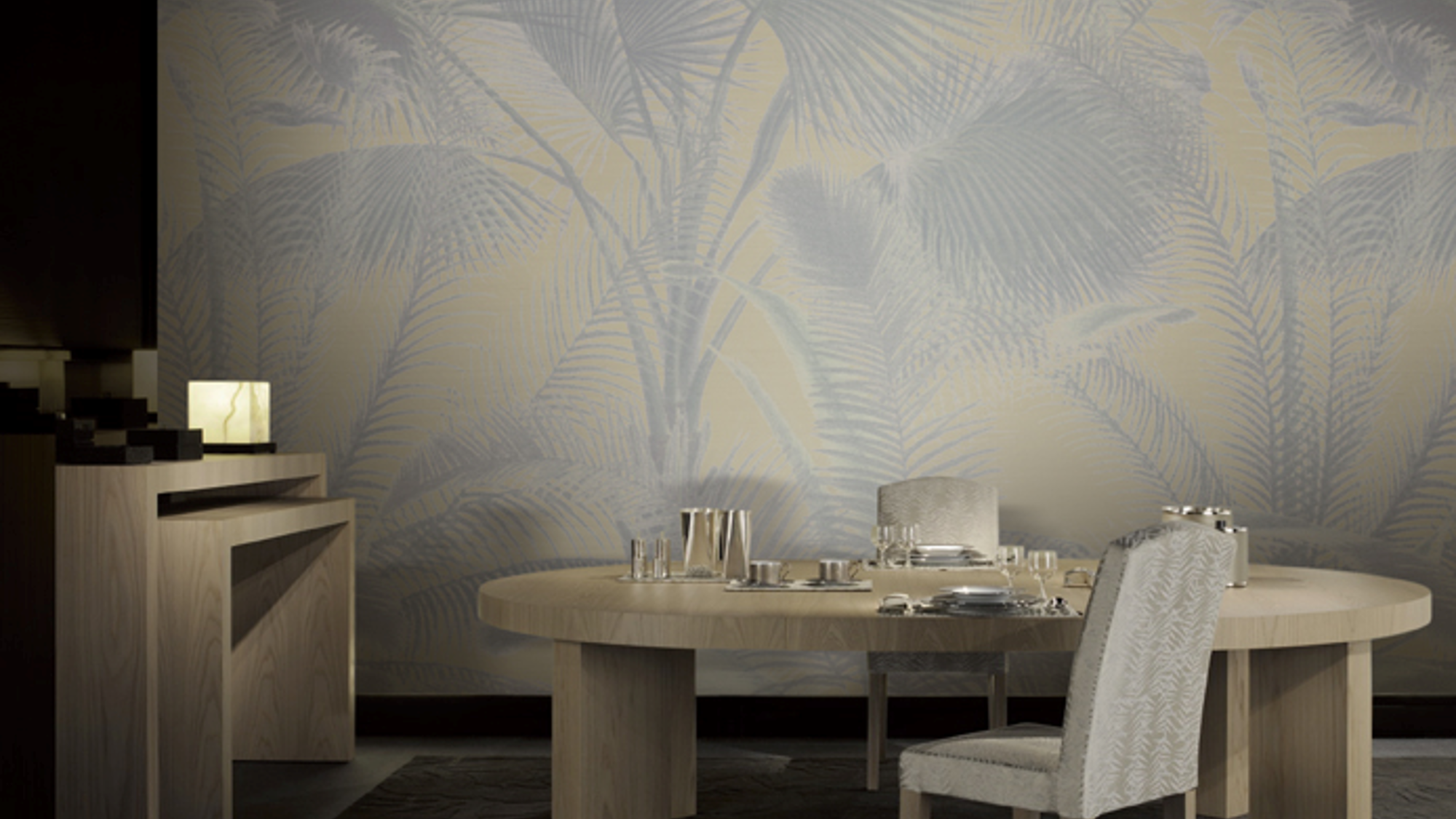
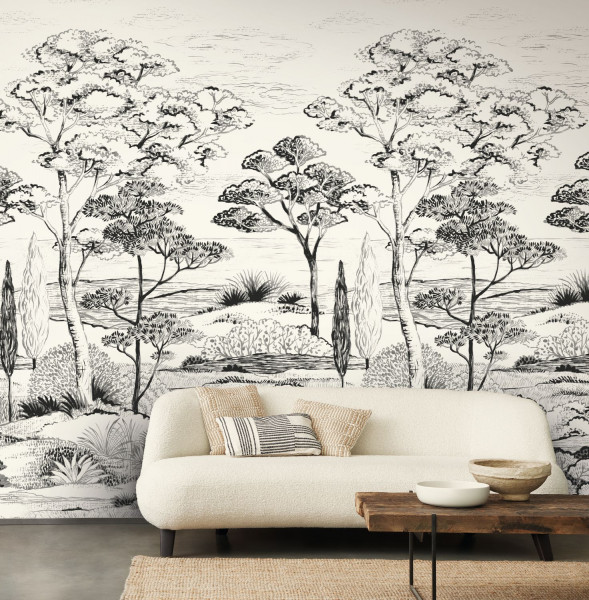
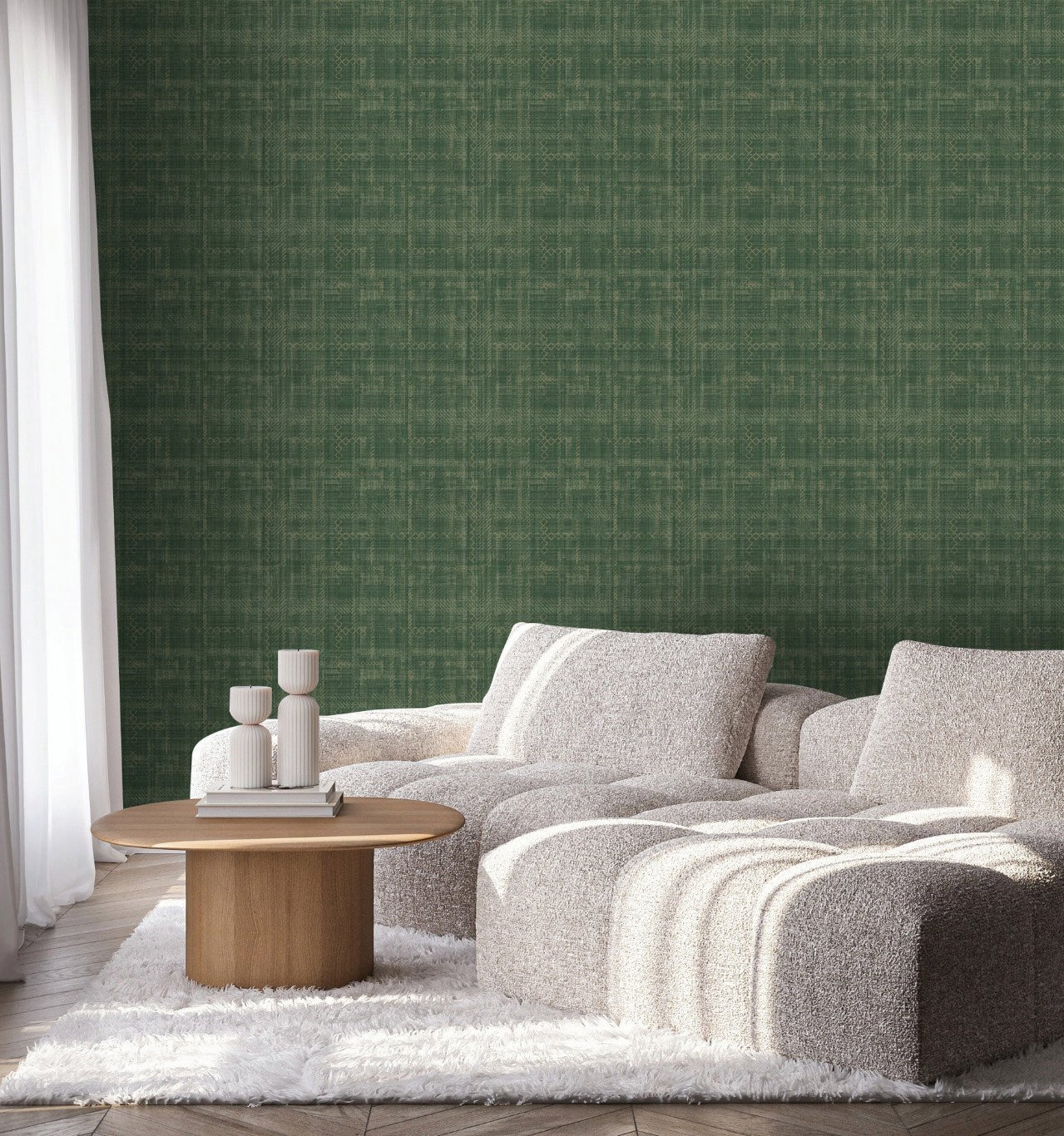
A textured wallpaper on one wall — a subtle linen weave, a gentle geometric, or a tonal stripe — adds depth and interest without overwhelming the space. In a studio, a little pattern goes a long way.
Mirrors are another powerful tool. A large mirror on the wall opposite a window doubles the natural light and creates the illusion of a larger room. Lean a full-length mirror against a wall for a similar effect without committing to drilling.
Lighting for Compact Living
Good lighting is critical in a studio where one space must serve many moods. A single overhead light cannot handle the demands of cooking, working, relaxing, and sleeping.
Create layers of lighting that can be adjusted independently. Recessed downlights or a simple ceiling light provide general illumination. A desk lamp serves the work area. A floor lamp or table lamp beside the sofa creates a warm, ambient glow for evenings. Dimmable fixtures throughout allow you to shift the mood from bright and energising to soft and restful.
LED strip lights under kitchen cabinets, along shelving, or behind the bed headboard add warmth and visual interest without taking up any space. Warm white tones (2,700 to 3,000 Kelvin) are more flattering and relaxing than cool white, especially in a space where you both work and sleep.
Kitchen and Dining in a Studio
The kitchen in a studio apartment is typically a galley or L-shaped layout along one wall. Since the cooking area is visible from every part of the room, it needs to look tidy and cohesive with the rest of the space.
Choose kitchen flooring that transitions smoothly from the living area. A continuous run of the same luxury vinyl maintains visual flow, while a subtle change in tone or pattern can gently define the kitchen zone without hard borders.
For dining, a drop-leaf table mounted to the kitchen counter or a slim console table that doubles as a dining surface saves space. Bar-height counters with two stools create a casual dining setup that also functions as a workspace or breakfast bar during the day.
Keep upper cabinets light-coloured or consider open shelving to prevent the kitchen wall from feeling like a visual barrier. In a studio, every element should contribute to openness rather than enclosure.
In a studio apartment, thoughtful finishes and smart furniture choices matter far more than raw square footage. A well-designed 40-square-metre studio can feel more comfortable and functional than a poorly planned space twice its size.
Get a free quote for your project today. Visit our quotation page to discuss flooring and wallcovering options that will make your studio feel spacious and stylish.