Commercial Interiors
Airport Lounge Interior Design: Comfort Meets Luxury
Airport lounge interior design occupies a unique position in commercial design. These spaces must deliver genuine comfort and luxury to travellers who are often fatigued, stressed, or between time zones, while withstanding the operational demands of a facility that runs around the clock, every day of the year. The material palette determines whether a lounge feels like a sanctuary or merely another waiting area.
For designers working on airport lounge projects in Singapore and the wider Asia-Pacific region, the stakes are high. Changi Airport consistently ranks among the world’s best, and its lounges are expected to match that reputation.
What Travellers Expect from a Premium Lounge
Understanding traveller expectations is the starting point for effective airport lounge interior design. Business and first-class travellers, along with frequent flyer programme members, have typically experienced lounges worldwide. Their benchmarks are set by the best in the industry.
The core expectations are:
- Immediate decompression: The transition from the busy terminal into the lounge should feel like stepping into a different world. Materials, lighting, and spatial design must signal calm and exclusivity from the entrance.
- Varied zones: Modern travellers want options, including quiet rest areas, productive work zones, dining spaces, and social areas. Each zone should feel distinct yet part of a cohesive whole.
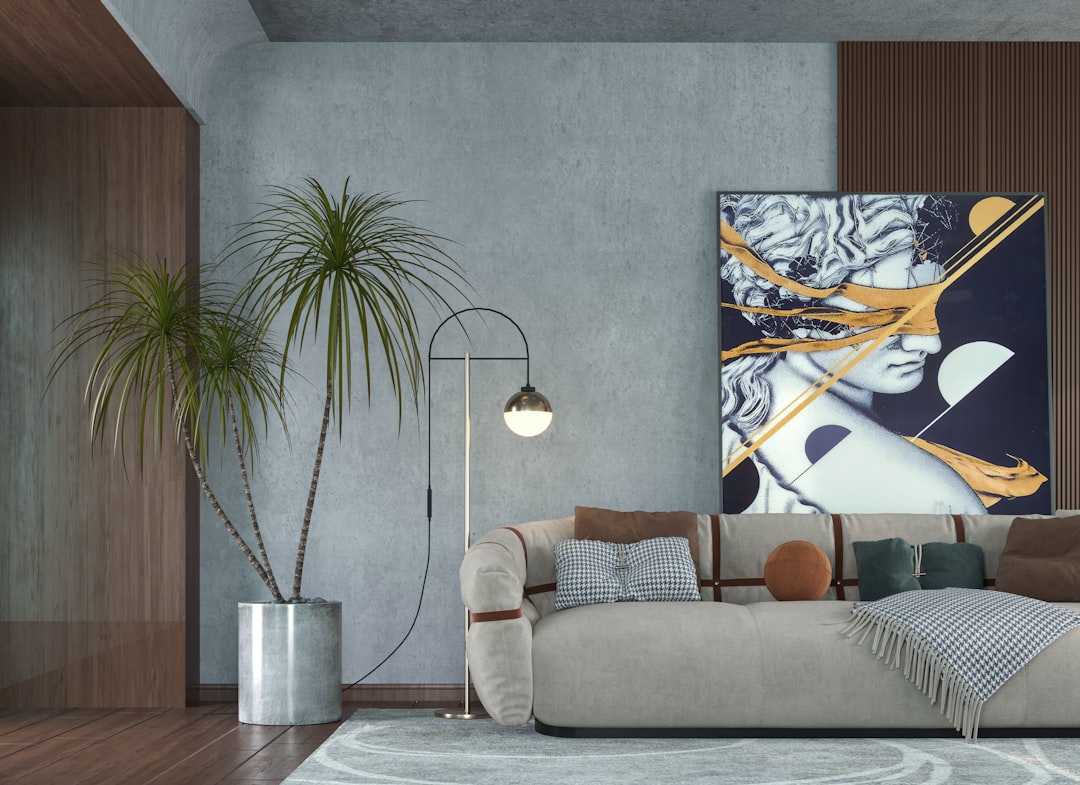
- Residential warmth: The most successful lounges feel like an elegant living room, not a commercial waiting area. Residential-quality materials and finishes achieve this effect.
- Impeccable maintenance: With 24/7 operations and hundreds of daily visitors, every material must look fresh and clean at all times. Durability and maintainability are non-negotiable.
Flooring Strategy for Lounge Zones
Airport lounge flooring must reconcile beauty with extreme durability. These spaces see constant foot traffic from wheeled luggage, food and beverage service, and visitors who may have been walking through the terminal for extended periods.
Entrance and Circulation Areas
The entrance zone sets the tone. A premium stone-look LVT in warm tones creates an immediate impression of quality while handling the concentrated traffic of the entry point. LVT’s resistance to wheeled luggage makes it ideal for circulation routes where trolleys and roller bags are common.
Seating and Relaxation Zones
Carpet is the defining material for lounge seating areas. It absorbs sound, adds warmth underfoot, and creates the residential atmosphere that distinguishes a lounge from a gate area. High-quality carpet tiles allow for zoned design, with different patterns or colours delineating quiet areas from social spaces.
The acoustic benefit of carpet is particularly important in airport lounges. Without it, the combined noise of conversations, announcements, cutlery, and footfall creates an exhausting soundscape that undermines the purpose of the space.
Explore carpet options designed for premium commercial environments with demanding performance requirements.
Dining Areas
Dining zones need flooring that combines easy cleaning with visual sophistication. Timber-look or stone-look luxury vinyl tile provides both, handling food and beverage spills without staining while maintaining an upscale appearance.
Wall Treatments for Atmosphere and Acoustics
Walls in an airport lounge serve multiple functions: they define zones, absorb sound, carry brand identity, and create visual interest for travellers who may spend several hours in the space.
Feature Walls
A signature feature wall at the lounge entrance anchors the design and communicates the airline’s brand personality. Textured wallcoverings such as grasscloth, metallic-effect, or woven designs create visual and tactile richness that paint alone cannot achieve. For lounges in Singapore’s Changi Airport, where design expectations are exceptionally high, the feature wall is an opportunity to make a memorable first impression.
Acoustic Wallcovering
Throughout the lounge, acoustic wallcovering on partition walls and columns absorbs sound energy and prevents the buildup of ambient noise. This is especially important in open-plan lounges where multiple zones share a single large space. Fabric-wrapped acoustic panels can be specified in colours that coordinate with the overall design scheme.
Durable Surfaces in Service Areas
Walls near buffet stations, bar areas, and self-service beverage points need heavy-duty protection. Commercial vinyl wallcovering with enhanced scrubbability and stain resistance maintains a clean appearance despite constant contact with food, drink, and cleaning chemicals.
Fabric Specification for Lounge Seating
Seating fabric in an airport lounge faces perhaps the most demanding conditions of any commercial upholstery application. Chairs and sofas are used continuously, 24 hours a day, by travellers who may be eating, drinking, sleeping, or working.
The specification requirements are stringent:
| Requirement | Specification |
|---|---|
| Abrasion resistance | Minimum 50,000 Martindale cycles |
| Stain resistance | Treated or inherently stain-resistant fibre |
| Colour fastness | High rating to resist fading from 24/7 lighting |
| Cleaning protocol | Compatible with commercial cleaning chemicals |
| Fire rating | Must meet aviation facility fire safety codes |
| Comfort | Soft hand feel despite high-performance specification |
The challenge is meeting all these technical requirements while delivering a fabric that feels luxurious rather than industrial. Modern performance fabrics achieve this balance, offering soft textures and rich colours that belie their commercial-grade construction.
Lighting and Colour Coordination
The colour palette of an airport lounge typically balances airline brand colours with universally calming neutrals. Warm earth tones, soft blues, and muted greens form the most common base palettes, with brand accent colours introduced through feature walls, upholstery, and accessories.
Lighting works in concert with the material palette. Warm lighting (2700K to 3000K) enhances the residential feel and makes travellers look and feel better after long flights. Task lighting at work zones and reading areas provides focused illumination without raising the overall light level of the lounge.
Natural daylight, where available, should be managed with performance curtain fabrics that filter glare while maintaining a connection to the outside. For lounges with runway views, this balance between light control and visual access is a key design consideration.
Maintenance and Lifecycle Considerations
Airport lounges operate on a different maintenance cycle from most commercial interiors. Cleaning happens multiple times daily, deep cleaning weekly, and full refurbishment on a five to seven year cycle. Materials must be specified with these timeframes in mind.
Carpet tiles offer a significant lifecycle advantage: damaged or heavily worn tiles can be replaced individually without disrupting lounge operations. This modular approach extends the overall flooring lifecycle and reduces refurbishment costs.
Wallcoverings in high-contact areas should be specified in Type II or Type III durability ratings to ensure they withstand years of cleaning and incidental contact without deteriorating.
Final Thoughts
Airport lounge interior design is a test of whether luxury and durability can coexist at the highest level. The answer is yes, provided every material is specified with both aesthetics and performance in mind. From the carpet that absorbs the sound of wheeled luggage to the fabric that still feels soft after a million touches, the details define the experience.
For designers working on lounge projects, the material specification is where the vision becomes reality.
Book an appointment with our design consultants to discuss materials for premium commercial interiors.